How to Use Korean Cleansing Oil: Easy, Radiant Skin Guide
A few years ago, when I first explored K-beauty, I was hesitant about using oil to cleanse my face. My skin tends to be oily, so the idea seemed counterintuitive. However, after hearing many positive reviews, I decided to try a Korean cleansing oil. I recall using it one evening after a long day wearing heavy foundation and sunscreen. As I massaged the silky oil onto my dry skin, watching my makeup effortlessly dissolve without any harsh rubbing, I was genuinely impressed. It felt luxurious and easy, and surprisingly, my skin felt soft and clean, not greasy at all. That experience completely changed my view on cleansing, and now, it’s a crucial part of my nightly routine.
Korean skincare has gained worldwide popularity, with oil cleansing often being a core practice. This method, typically the first step in a thorough skincare routine, effectively removes impurities while remaining gentle. Knowing how to use an oil cleanser properly can help you achieve clearer, healthier skin. From choosing the right product for your skin type to incorporating it into a double cleansing routine, specific techniques can significantly enhance your experience and results. Discover exactly how to integrate them into your daily skincare with this guide.
Understanding Korean Cleansing Oil
The Korean cleansing oil offers a smart approach to facial cleansing. This method is based on the ‘like dissolves like’ principle, meaning oil-based cleansers are highly effective at dissolving oil-based impurities. This type of cleanser is formulated to bind with oil-soluble impurities like makeup, sunscreen, and excess sebum, which is the natural oil your skin produces. Once these impurities are dissolved and lifted, special ingredients called emulsifiers help the oil mix with water, transforming it into a milky consistency. This allows for easy rinsing without leaving a greasy residue. This mechanism ensures a thorough cleanse that respects your skin’s natural balance.
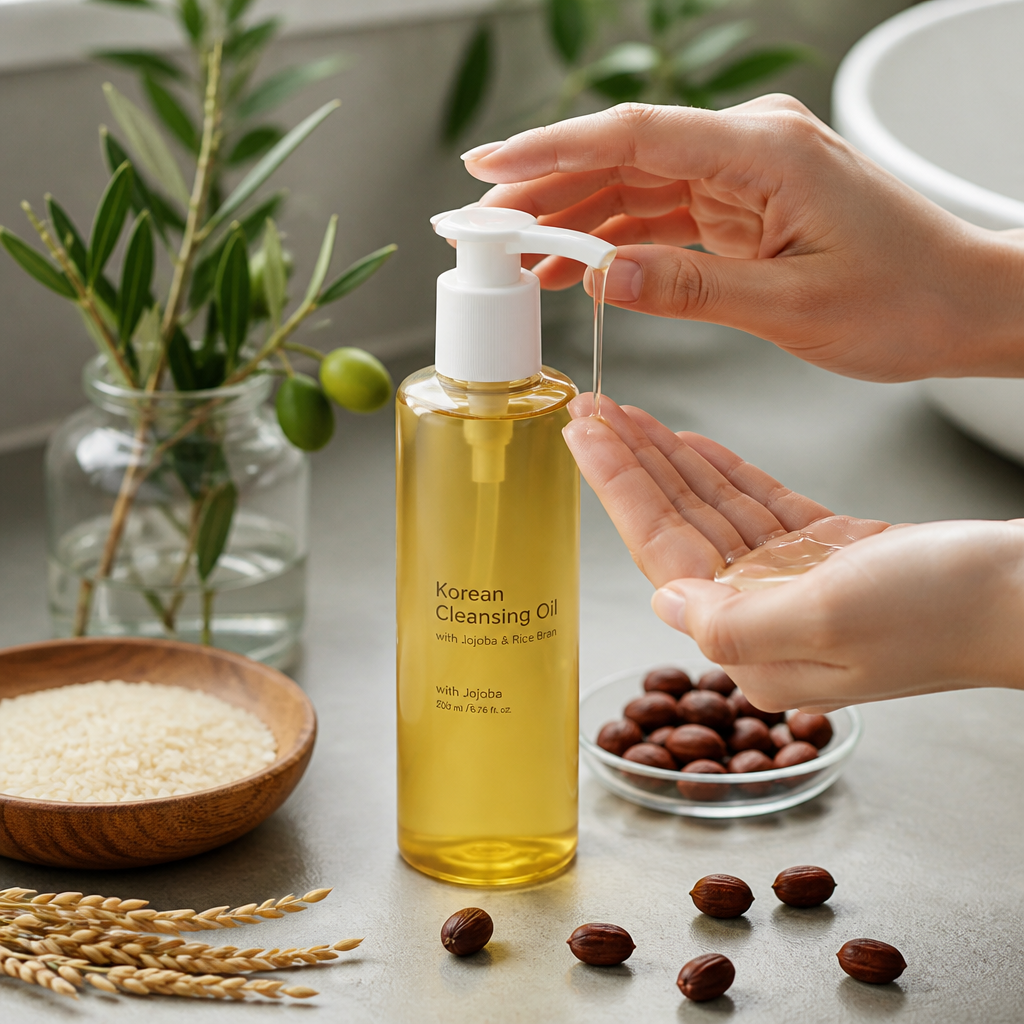
These oil-based cleansers typically contain lightweight oils that are both effective and compatible with your skin. Common ingredients include jojoba oil, which closely mimics your skin’s natural sebum; rice bran oil, known for its potential to brighten skin; and olive oil, valued for its nourishing properties. These beneficial oils are combined with emulsifiers, which allow the oil to turn milky and rinse away cleanly, preventing a heavy or filmy sensation. A good emulsification is key; _if it doesn’t turn milky and rinse easily, it’s not working effectively_. Research supports the effectiveness of oil-based cleansers in removing stubborn impurities. A 2023 study in the Journal of Cosmetic Dermatology found that oil-based cleansers removed approximately 95% of waterproof makeup and sunscreen, compared to about 78% for surfactant-based cleansers, all while preserving the skin’s natural barrier.
Beyond cleansing, many of these products include additional ingredients for enhanced benefits. You might find green tea extract for its antioxidant properties, rice water for soothing and brightening effects, or centella asiatica (Cica) for its calming and healing capabilities on irritated skin. These additions mean the cleansing process itself nourishes and protects your skin. This focus on skin health even during cleansing is a hallmark of K-beauty.
Dr. Charlotte Cho, founder of Soko Glam, notes that “Korean cleansing oils are formulated to be gentler than Western counterparts, focusing on nourishing the skin while cleansing rather than stripping it completely.”
This philosophy highlights the holistic approach of Korean skincare, where cleansing is an opportunity to care for your skin. The gentle yet effective nature of these oils makes them suitable for various skin types, including those concerned about breakouts or residue.
How Do You Choose the Right Korean Cleansing Oil?
Selecting the right Korean cleansing oil involves considering a few key factors to match your skin’s specific needs and preferences. Understanding your skin type and the product’s ingredients is the first step toward finding the perfect match. The clarity of the ingredient list, how well it emulsifies (the milky transformation), and whether it’s free from potential irritants are all important. These elements will guide you to a product that cleanses effectively and supports your skin’s health.
| Skin Type | Recommended Oil Ingredients | Key Considerations |
|---|---|---|
| Oily / Acne-Prone | Grapeseed, Jojoba, Heartleaf | Look for non-comedogenic formulas (rating of 0-2). |
| Dry / Dehydrated | Olive, Camellia, Avocado | Choose richer oils that provide moisture and nourishment. |
| Combination | Rice Bran, Sunflower, Sweet Almond | Seek balanced formulas that cleanse without stripping or feeling heavy. |
| Sensitive | Centella Asiatica, Madecassoside, Ceramides | Opt for fragrance-free products with calming ingredients. |
A 2022 study in Dermatologic Therapy found that cleansing oils with a comedogenic rating of 0-1 did not increase acne lesions in participants with acne-prone skin over 12 weeks. The quality of a cleansing oil’s emulsification is also crucial. A quality product should turn milky white when it contacts water and rinse completely clear, leaving no oily film. You can test this by applying a small amount to your hand, adding a few drops of water, and observing how it transforms and rinses. Popular brands worth exploring include Banila Co, DHC, Hanskin, and Kose.
Korean Cleansing Oil for Sensitive Skin
When choosing an oil cleanser for sensitive skin, pay close attention to the ingredients. Cleansing oils for sensitive skin are typically formulated without common irritants like synthetic fragrances, strong essential oils, or alcohol. Instead, they often feature calming ingredients such as centella asiatica (Cica) for its soothing properties, madecassoside to reduce inflammation, or ceramides to support and strengthen the skin’s protective barrier. These ingredients cleanse gently while minimizing irritation. If you have sensitive skin, look for fragrance-free options. Klairs Gentle Black Deep Cleansing Oil and Round Lab Soybean Cleansing Oil are recommended options. A 2024 study in Contact Dermatitis found that fragrance-free oil cleansers reduced irritation incidents by 67% in patients with atopic dermatitis compared to fragranced versions.
Best Korean Cleansing Oil for Beginners
For those new to oil cleansers, selecting an easy-to-use product can make the introduction smoother. Beginner-friendly options often focus on simple emulsification and affordability, with many excellent choices available in the $10-$25 range. Products that are widely accessible and suitable for multiple skin types are also good starting points. Recommended options for beginners include Banila Co Clean It Zero Original, a popular balm-to-oil formula known for its ease of use. DHC Deep Cleansing Oil offers a straightforward olive oil-based formula. For a more budget-friendly choice, The Face Shop Rice Water Bright Cleansing Light Oil incorporates rice water for potential brightening benefits. Balm-to-oil formulas are often suggested for beginners because their solid texture can be easier to control than liquid oils, leading to a less messy application.
How to Use Korean Cleansing Oil in Your Routine
Incorporating a Korean cleansing oil into your routine, particularly through the double cleansing method, can significantly enhance your skincare regimen’s effectiveness. This two-step process ensures thorough impurity removal, preparing your skin to better absorb other products. Understanding when and how to apply the cleansing oil is key to maximizing its benefits.

Korean Cleansing Oil Double Cleansing Method
The Korean double cleansing method is a fundamental skincare practice involving two steps for thorough impurity removal. The first step uses an oil-based cleanser, like a Korean cleansing oil, to dissolve oil-based impurities such as makeup, sunscreen, and sebum. The second step uses a water-based cleanser to remove any remaining sweat, dirt, and residue. This sequential approach ensures both types of impurities are addressed without stripping your skin.
To perform double cleansing, follow these steps:
- Apply to Dry Skin: Dispense 2-3 pumps of the oil into your dry hands. Always apply the oil to a dry face to allow it to bind with and dissolve impurities before introducing water.
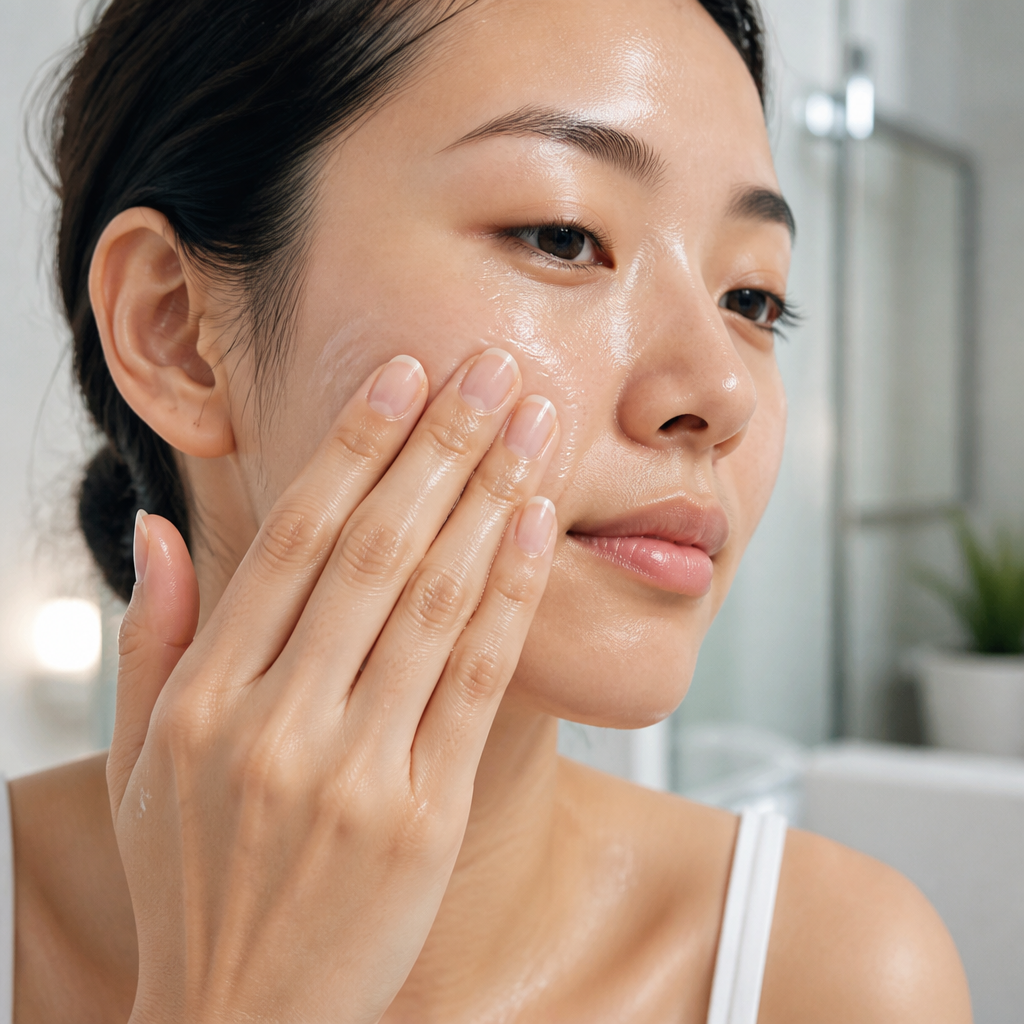
- Massage Gently: Massage the oil into your skin using circular motions for about 60-90 seconds, focusing on areas with heavy makeup or sunscreen. The massage helps dissolve impurities and can boost circulation.
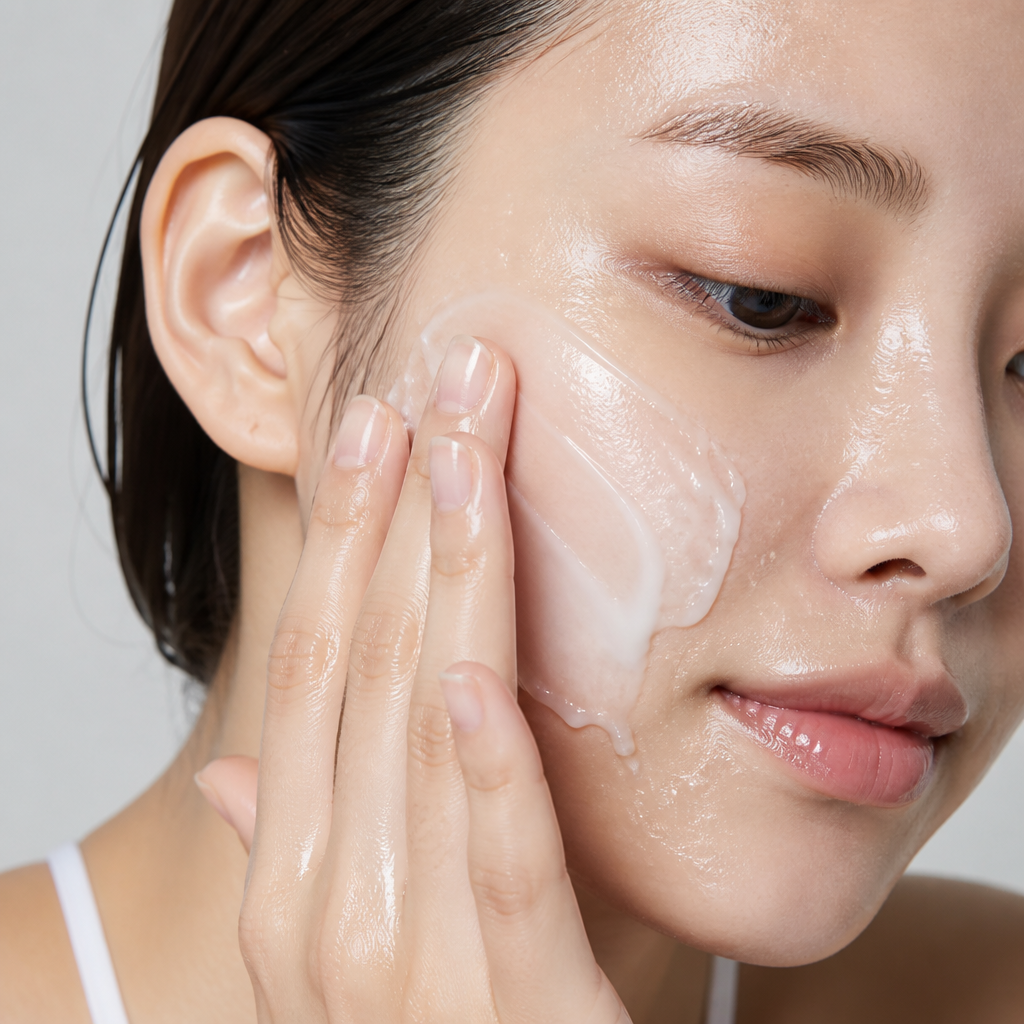
- Emulsify with Water: Add a small amount of lukewarm water to your face. Continue massaging, and the oil will emulsify into a milky white texture. This indicates the oil has lifted impurities and is ready to be rinsed.
- Rinse Thoroughly: Rinse your face completely with lukewarm water until all traces of the milky cleanser are gone.
- Follow with a Water-Based Cleanser: Complete the second step of your double cleanse with your preferred water-based cleanser.
Research supports the efficacy of double cleansing. A 2023 study in the International Journal of Cosmetic Science found that double cleansing removed 99.2% of sunscreen and makeup residue, significantly outperforming single cleansing (84.7%). _Rushing may reduce effectiveness, while cleansing for longer than 5 minutes could potentially compromise the skin barrier._
Dr. Alicia Yoon, founder of Peach & Lily, explains that “the double cleanse is essential in Korean skincare because it ensures complete removal of modern sunscreens and long-wear makeup without over-stripping.”
For removing stubborn waterproof mascara, hold an oil-soaked cotton pad over closed eyes for 10-15 seconds before gently wiping to break down the makeup without excessive tugging.

Should You Use Korean Cleansing Oil in the Morning or Night?
Whether to use an oil cleanser in your morning or night routine depends on your skin’s needs and daily activities. Generally, the night routine is where oil cleansing is most critical, while its necessity in the morning is often debated.
In the night routine, double cleansing with an oil cleanser is considered essential. Throughout the day, your skin accumulates oil-based impurities like sunscreen, makeup, environmental pollutants, and excess sebum. An oil cleanser effectively dissolves and removes these, preparing your skin for overnight treatments. This step prevents clogged pores, breakouts, and dullness.
For the morning routine, oil cleansing is usually unnecessary. For most people, oil cleansing is essential at night but unnecessary in the morning. During the night, your skin produces natural oils that support its barrier function. Most Korean skincare experts suggest cleansing with water only or using a gentle water-based cleanser in the morning to preserve these beneficial oils. Over-cleansing in the morning might strip your skin, leading to dryness or increased oil production as your skin tries to compensate. However, individuals with very oily skin or those who used heavy overnight treatments might benefit from a gentle morning oil cleanse.
Korean Cleansing Oil vs. Other Cleansing Methods
When exploring skincare options, you’ll encounter various cleansing methods. The Korean cleansing oil stands out for its unique mechanism, but it’s often compared to alternatives like micellar water. Understanding the differences helps you choose the best method for your routine.
Korean Cleansing Oil vs. Micellar Water
Korean cleansing oil and micellar water represent distinct approaches to cleansing. Micellar water is a water-based cleanser containing micelles—tiny oil molecules suspended in water that attract and lift impurities. An oil cleanser, on the other hand, is oil-based and works on the “like dissolves like” principle, dissolving oil-soluble impurities before emulsifying with water for rinsing.
While both are effective, oil cleansers are generally superior for removing heavy, waterproof makeup and sunscreen. A 2022 study in the Journal of Cosmetic Science showed oil cleansers completely removed waterproof sunscreen in 60 seconds, while micellar water needed 3-4 cotton pads and 2-3 minutes for equivalent results. For thorough daily cleansing, oil is often more efficient.
Regarding their impact on the skin, cleansing oils can help maintain skin barrier integrity and are suitable for dry or mature skin. Micellar water, though generally gentle, may become drying with frequent use due to its surfactants. Its application typically requires cotton pads, _which can cause mechanical irritation from rubbing over time_. Despite being marketed as a no-rinse product, most dermatologists advise rinsing micellar water to avoid residue. As cosmetic scientist Dr. Michelle Wong points out, micellar water is a surfactant-based product that can leave residue if not rinsed, whereas properly formulated cleansing oils rinse completely clean and are more effective for oil-based impurities.
Incorporating a Korean cleansing oil into your routine can be a transformative step toward healthier, clearer skin. By understanding its properties, choosing the right product, and mastering the double cleansing method, you can effectively remove impurities without compromising your skin’s natural balance. Whether you’re new to K-beauty or looking to refine your routine, cleansing oil offers a gentle yet powerful foundation for a radiant complexion.

FAQ
Q1: What is the primary benefit of using a Korean cleansing oil?
A1: The main benefit is its ability to effectively remove oil-soluble impurities like makeup, sunscreen, and excess sebum using the “like dissolves like” principle. This thorough cleansing helps prevent clogged pores and prepares your skin for subsequent skincare steps, often without stripping natural moisture.
Q2: Can Korean cleansing oil be used on acne-prone skin?
A2: Yes, it can be beneficial for acne-prone skin. Choose lightweight, non-comedogenic formulas, such as those with grapeseed or jojoba oil, which are less likely to clog pores. Research suggests that cleansing oils with low comedogenic ratings (0-1) do not increase acne lesions. Ensure the product emulsifies well and rinses cleanly.
Q3: Is it necessary to double cleanse every day?
A3: Double cleansing, starting with a Korean cleansing oil, is highly recommended for your night routine, especially if you wear makeup, sunscreen, or are exposed to pollution. This ensures complete removal of daily impurities. For your morning routine, double cleansing is generally not necessary for most skin types; a gentle water-based cleanse or just water may suffice.
Q4: How do I know if a Korean cleansing oil is emulsifying correctly?
A4: A cleansing oil emulsifies correctly when it turns into a milky white texture upon contact with water. After massaging the oil onto your dry face, add a little water and continue massaging. The milky mixture should then rinse off completely clean with lukewarm water, leaving no oily film.
Q5: What is the main difference between Korean cleansing oil and micellar water?
A5: A Korean cleansing oil is an oil-based product that dissolves oil-soluble impurities and emulsifies with water for rinsing. Micellar water is water-based and uses micelles to attract and lift impurities. Cleansing oils are generally more effective for removing waterproof makeup and sunscreen, while micellar water is often preferred for convenience or quick touch-ups, though rinsing is still recommended.

Hello! I’m Chloe Evans, a beauty enthusiast passionate about all things K-Beauty. Welcome to my blog, where I share honest reviews, essential skincare tips, and the latest Korean beauty trends. My goal is to help you build a simple yet effective routine for radiant, healthy skin. Join me on this journey to unlock your natural glow!