Is Snail Mucin Vegan? 7 Shocking Ethical Facts Revealed
I first heard about snail mucin in skincare a few years ago, around 2018, as K-beauty was really taking off in the US. I stumbled upon a review for the COSRX Snail Mucin Power Essence. My initial reaction was a mix of fascination and mild disgust – snails? On my face? But the glowing reviews, especially from friends whose skin I admired, sparked my curiosity. This "snail goo," scientifically known as snail secretion filtrate, is essentially the mucus that land snails produce. In nature, it serves as their all-purpose shield, helping them glide, protecting their bodies from scrapes, and even aiding in healing injuries. It's packed with beneficial ingredients like hyaluronic acid and proteins, which explains why the beauty industry, particularly K-beauty, embraced it. But as I explored skincare further, a significant question lingered: is using something derived from a snail truly vegan?
What Is Snail Mucin and How Is It Obtained
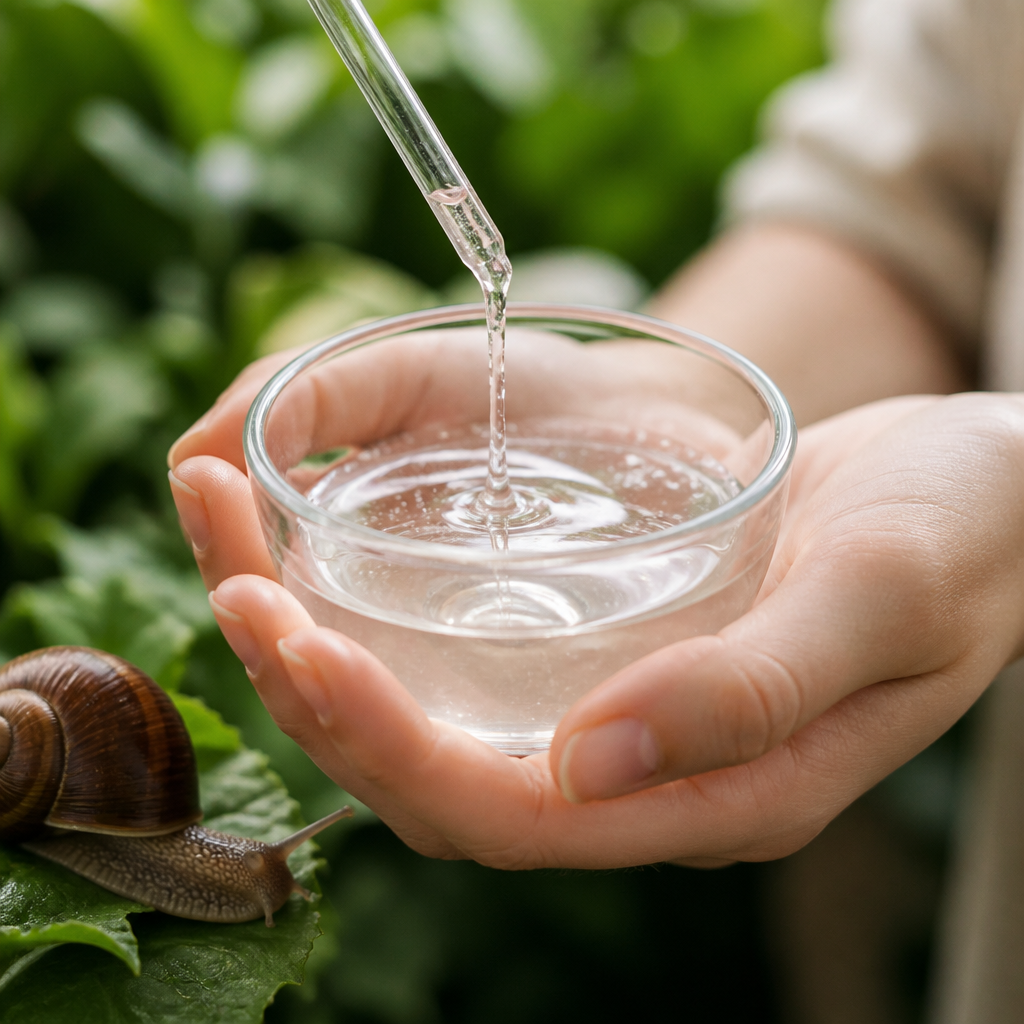
how snail mucin is harvested
Historically, the methods for collecting snail mucin were quite harsh. People would intentionally stress snails—sometimes using salt, electric shocks, or aggressive shaking—to encourage them to produce more slime. Learning about these older methods was frankly appalling; it's difficult to imagine subjecting any living creature to such treatment. This practice serves as a stark reminder of the lengths some industries would go to. Fortunately, as awareness about animal welfare grew, these inhumane practices faced considerable criticism, pushing the industry toward kinder collection methods.
Today, most companies, especially major K-beauty brands, state they use "cruelty-free" methods. They typically house snails in comfortable environments where they can naturally crawl over mesh nets or textured surfaces. As the snails move, they leave behind their mucin without direct intervention. The collection process is usually brief, lasting around 20-30 minutes, and occurs in dark, humid conditions that mimic their natural habitat. The mucin is then carefully collected, purified, and processed into the ingredient found in skincare. Brands like COSRX have shared that they take great care to ensure their snails are well-treated, even returning them to their habitats post-collection. This commitment to humane practices is appreciated, as it acknowledges these creatures as living beings.
Despite these gentler methods, the concept of "cruelty-free" for snail mucin remains a subject of debate. Experts, such as Dr. Jetske Ultee, a skin doctor and researcher, have voiced concerns. She points out that even if snails aren't directly harmed, they are still kept in captivity and utilized for commercial profit. It's challenging to ascertain if these so-called "stress-free" environments are genuinely free from stress. For many, the mere act of using animals as "production units," even with gentle handling, raises significant ethical questions. Even amidst these ongoing discussions, snail beauty products are highly sought after, with the market projected to grow by 8.2% annually until 2030. This underscores the importance for consumers to understand the ethical implications of ingredient sourcing.
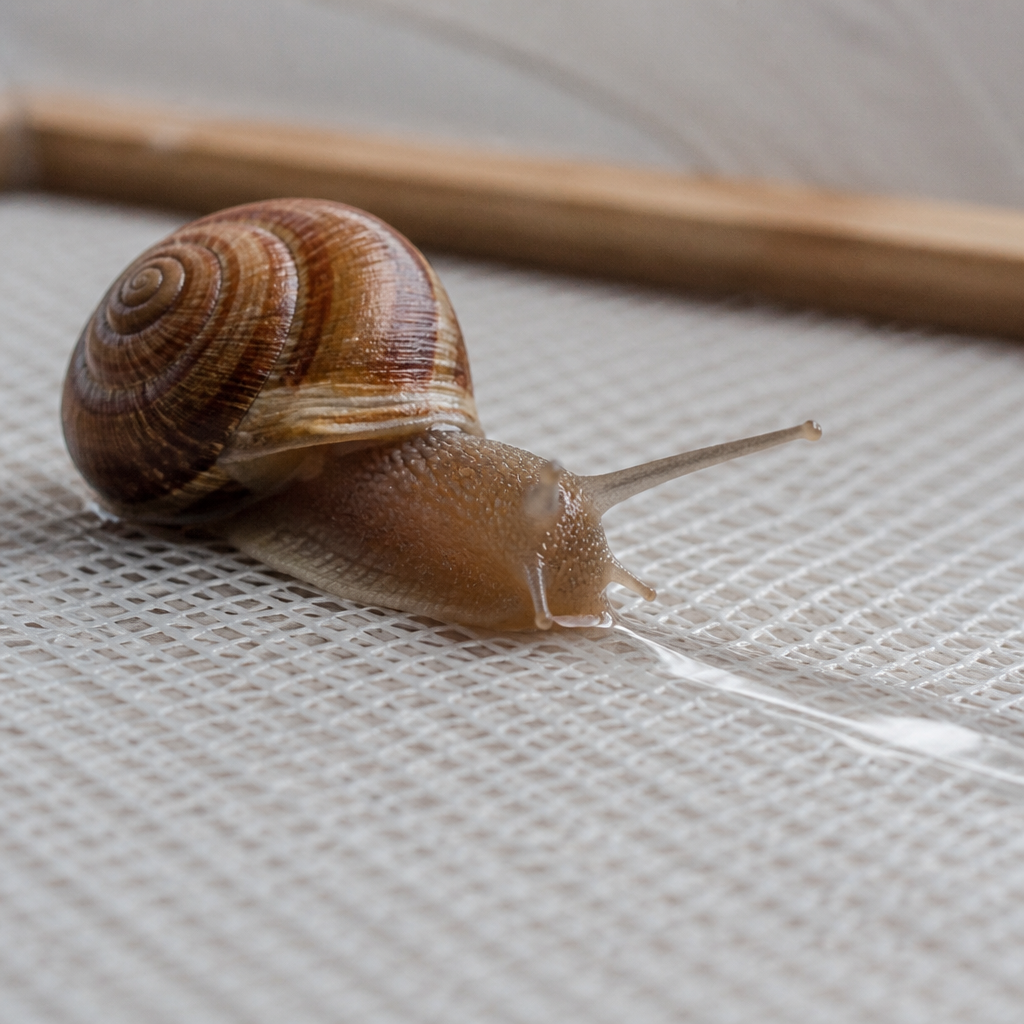
snail mucin ethical concerns
Delving deeper, the commercial farming of snails, even with modern techniques, brings forth numerous ethical concerns extending beyond mucin collection. Critics argue that regardless of the gentleness of mucin extraction, these snails are still kept in artificial settings, disrupting their natural lives and behaviors. A primary worry is the confinement of snails for business purposes. The main concerns include:
- Confinement: Snails are kept in artificial environments, which disrupts their natural lives and behaviors.
- Lack of Consent: Snails cannot consent to the use of their secretions, a significant issue for animal rights advocates.
- Commodification: The use of a living creature for product creation is viewed as exploitation by many ethical consumers.
- Verification: Verifying "cruelty-free" claims is difficult, as independent, third-party audits are often absent.
- Environmental Impact: Snail farming requires significant resources, including energy and water, contributing to an environmental burden.
- High Mortality Rates: Farms report mortality rates of 20-30% due to disease, stress, or handling, questioning the industry's harmlessness.
Verifying "cruelty-free" claims made by companies also proves difficult. Many brands describe their collection methods, but independent audits by third-party organizations are typically absent. _Without transparent and independently validated processes, trusting brands' ethical sourcing claims becomes problematic._
At the core of these ethical discussions lies the definition of veganism and animal rights.
The Vegan Society defines veganism as a lifestyle that seeks to exclude, as far as possible and practicable, all forms of exploitation of, and cruelty to, animals for food, clothing, or any other purpose.
This definition extends to cosmetics. For many, deriving any product from animals, even secretions from living creatures, constitutes exploitation because the animal is being utilized as a resource. This perspective deems profiting from any animal product inherently problematic.
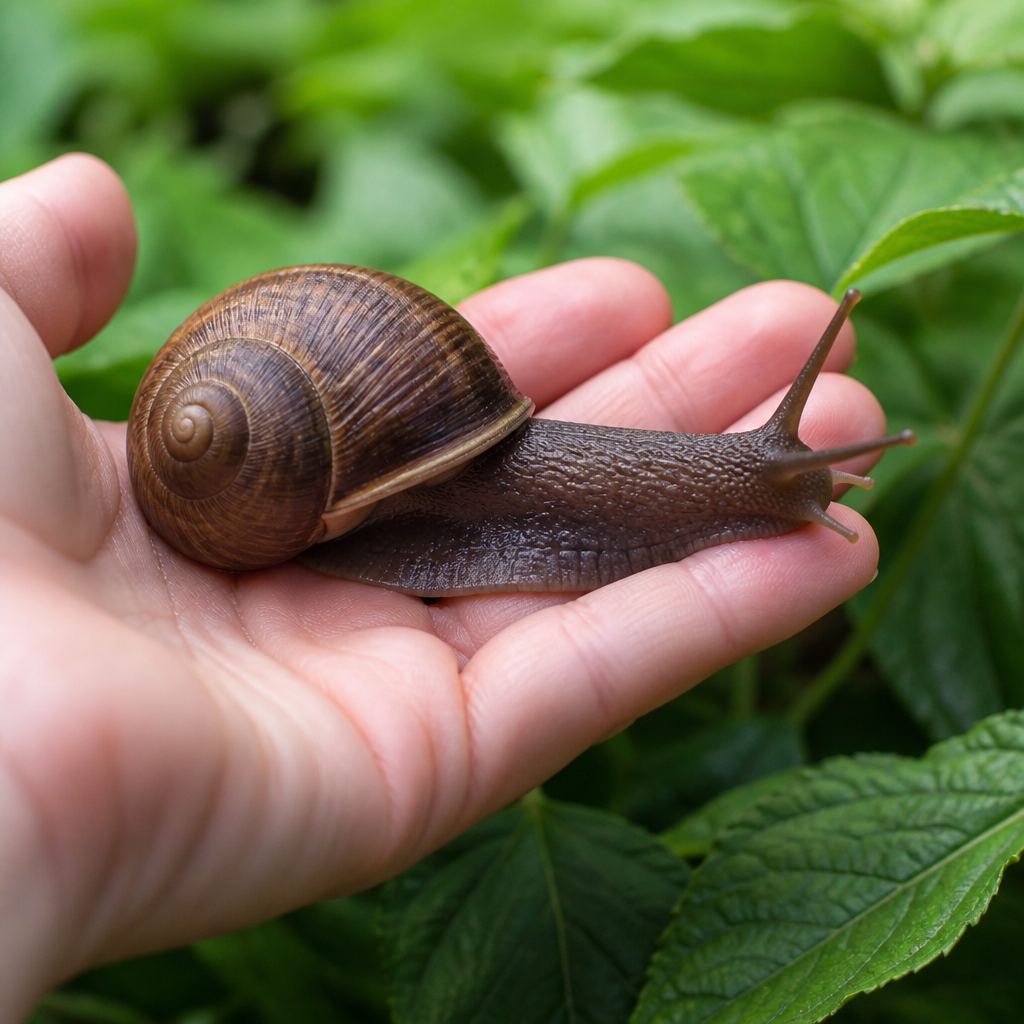
Is Snail Mucin Vegan or Cruelty-Free
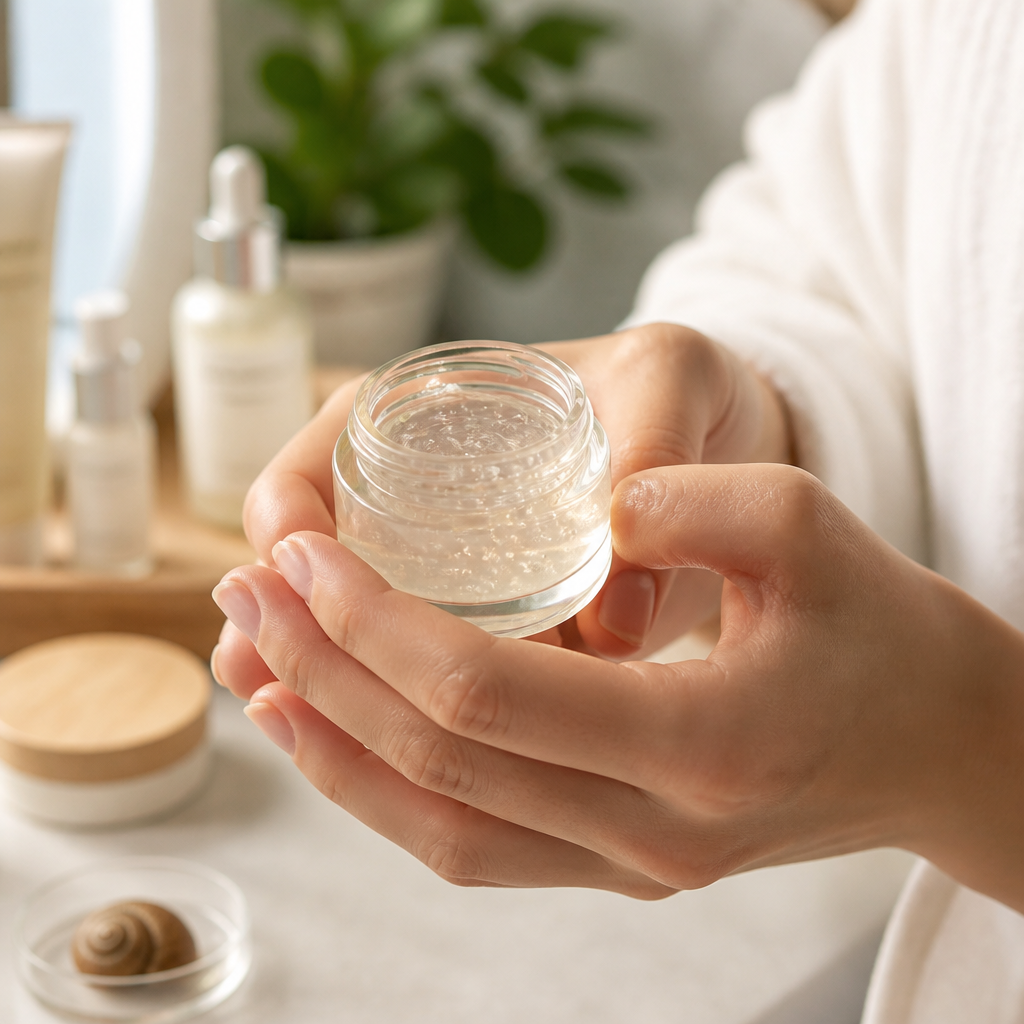
is snail mucin vegan or cruelty-free
As I began exploring ethical skincare, I quickly realized that "vegan" and "cruelty-free" are often conflated but carry distinct meanings, especially concerning ingredients like snail mucin. Understanding these definitions is crucial for making informed choices. To be perfectly clear, snail mucin is not vegan. The fundamental principle of veganism is to abstain from all animal-derived products, including secretions from living animals. Since snail mucin is, in essence, a snail's bodily fluid, its method of collection—whether gentle or otherwise—does not alter its animal origin. Therefore, it cannot be classified as vegan.
The "cruelty-free" designation for snail mucin, however, is far more contentious. Typically, "cruelty-free" cosmetics indicate that the product has not been tested on animals. Some companies utilizing snail mucin claim their products are "cruelty-free" by asserting that mucin is harvested without causing harm to the snails. Yet, many animal welfare organizations find this definition of "cruelty-free" insufficient.
It's important to note that prominent cruelty-free certification bodies, such as Leaping Bunny and PETA's 'Beauty Without Bunnies' program, generally do not approve products containing snail mucin. Their criteria for "cruelty-free" extend beyond animal testing to encompass ingredient sourcing. If an ingredient requires animals to be kept for commercial production, even without direct harm, these organizations often consider it a form of exploitation.
As plant-based nutrition expert Rae Sikora often explains, "cruelty-free" typically means no animal testing, while "vegan" signifies the absence of any animal-derived ingredients.
Her explanation aligns with my understanding: snail mucin isn't vegan, irrespective of its collection process, and labeling it "cruelty-free" is debatable when it involves using animals for commercial gain.
is snail mucin vegan friendly
You might also encounter the term "vegan friendly" in product descriptions, which I've found can be quite misleading. This phrase often serves as a marketing tactic to attract consumers interested in ethical products. _It's vital to understand that "vegan friendly" lacks official certification or a standardized definition._ Unlike "vegan," which has clear guidelines and verification from organizations like The Vegan Society, "vegan friendly" is vague. Brands frequently use it to suggest a product approaches vegan standards without adhering to a strict 100% vegan formulation.
For a product to be genuinely vegan, it must be entirely free of ingredients originating from animals, including secretions from living creatures. As established, snail mucin is an animal secretion; therefore, it is definitively not vegan. Consequently, any product containing snail mucin cannot be accurately labeled as vegan, nor should it be described as "vegan friendly" if the intention is to signify suitability for a vegan lifestyle. The use of such imprecise terms can sometimes amount to "vegan-washing"—where companies attempt to project a more ethical image without truly meeting the required standards.
Reassuringly, leading vegan organizations are unequivocal on this matter. Groups such as The Vegan Society, Vegan Action, and PETA all concur: snail mucin is not vegan. These organizations provide clear standards and certification programs, which are invaluable for navigating the beauty market. When a product displays a certified vegan logo from one of these trusted entities, it signifies thorough vetting to confirm the absence of animal ingredients.
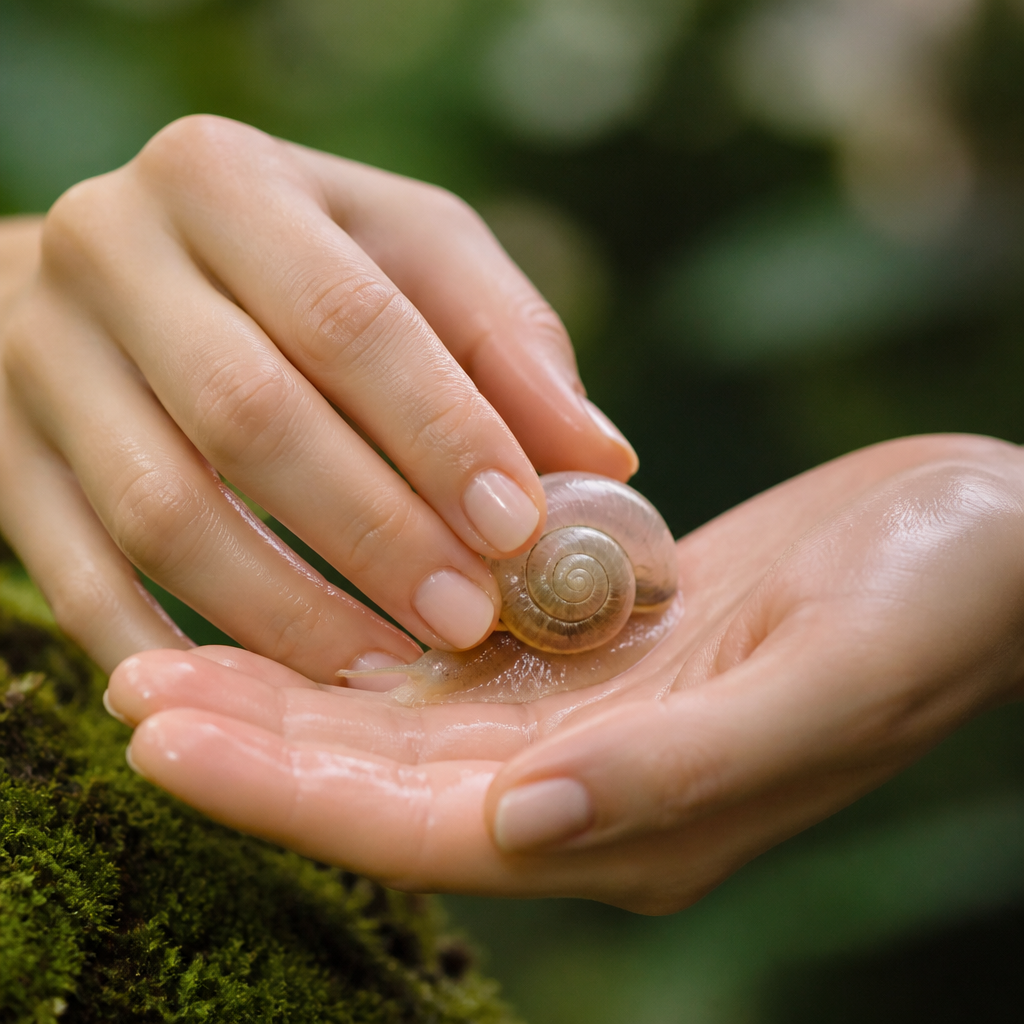
Snail Mucin Skin Benefits and Vegan Alternatives
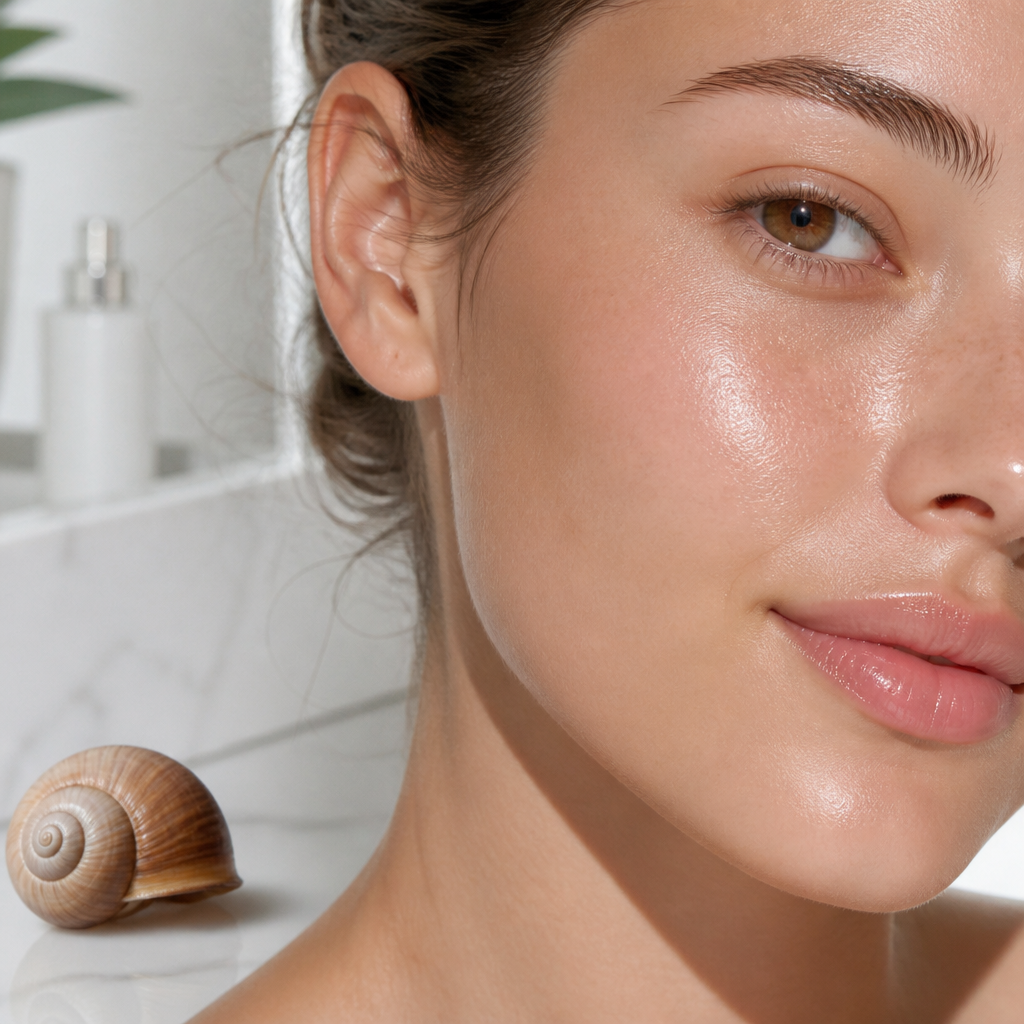
snail mucin benefits for skin
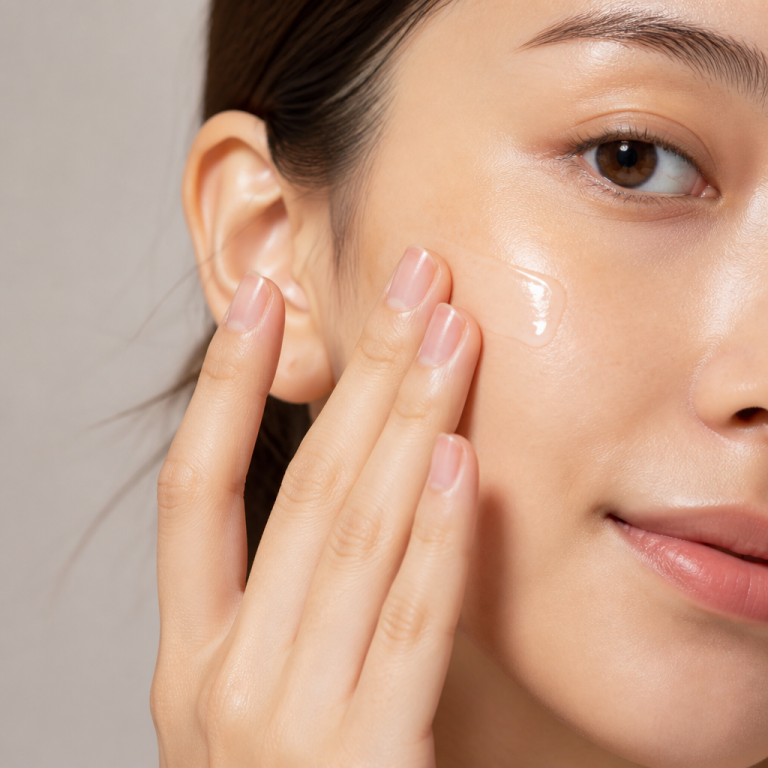
_Setting aside the ethical considerations for a moment_, let's explore why snail mucin gained such prominence in skincare. Its popularity stems from a range of benefits for the skin. This natural snail secretion is a complex mixture of beneficial compounds, including glycoproteins, hyaluronic acid, glycolic acid, and antimicrobial peptides.
One of snail mucin's most recognized benefits is its exceptional ability to hydrate the skin. Its rich content of hyaluronic acid acts as a humectant, drawing moisture into the skin and retaining it. This intense moisturization contributes to a plumper, smoother, and softer skin texture. Beyond hydration, snail mucin is also lauded for its skin-healing and regenerative properties. Ingredients like allantoin and various "growth factors" appear to accelerate the skin's natural repair processes.
Snail mucin may also offer anti-aging advantages. The glycolic acid and peptides it contains can stimulate collagen production—the protein responsible for skin firmness—and promote the shedding of old skin cells for renewal. For individuals struggling with acne or post-acne marks, its antimicrobial peptides and zinc can help reduce acne-causing bacteria, while allantoin aids in fading dark spots. Its anti-inflammatory properties can also calm irritated skin and diminish redness.
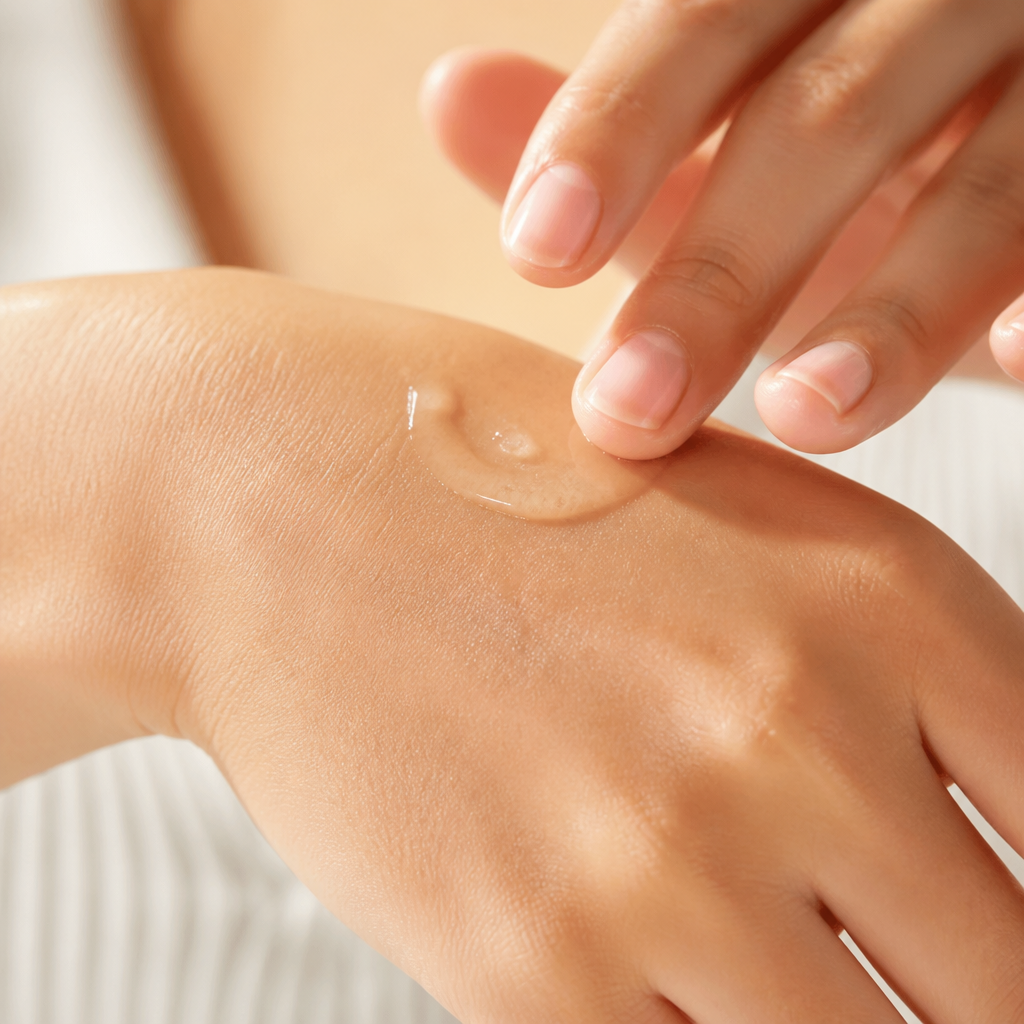
snail mucin vegan alternatives
For those seeking the skin benefits of snail mucin without animal-derived ingredients, discover the numerous effective vegan alternatives modern science provides. These plant-based or synthetically produced ingredients can deliver comparable, and sometimes superior, results in hydration, anti-aging, and skin repair. Below is a table comparing snail mucin's benefits to popular vegan substitutes.
| Benefit of Snail Mucin | Effective Vegan Alternative(s) | How It Works |
|---|---|---|
| Hydration | Vegan Hyaluronic Acid, Tremella Mushroom | Acts as powerful humectants to draw and retain moisture in the skin. |
| Skin Repair & Healing | Centella Asiatica (Cica), Beta-Glucan | Soothes inflammation and supports the skin's natural repair process. |
| Anti-Aging | Vegan Peptides, Bakuchiol | Stimulates collagen production to reduce the appearance of fine lines and wrinkles. |
| Fading Dark Spots | Niacinamide, Vitamin C | Helps to even skin tone and brighten the complexion by inhibiting melanin transfer. |
These ingredients are featured in a growing number of skincare products, proving that you don't need to compromise on efficacy to make an ethical choice. Dr. Barbara Sturm, a German aesthetics doctor, often highlights the advancements in vegan skincare, noting that modern cosmetic science can identify key active components in natural ingredients and replicate them using plant-based or synthetic methods.
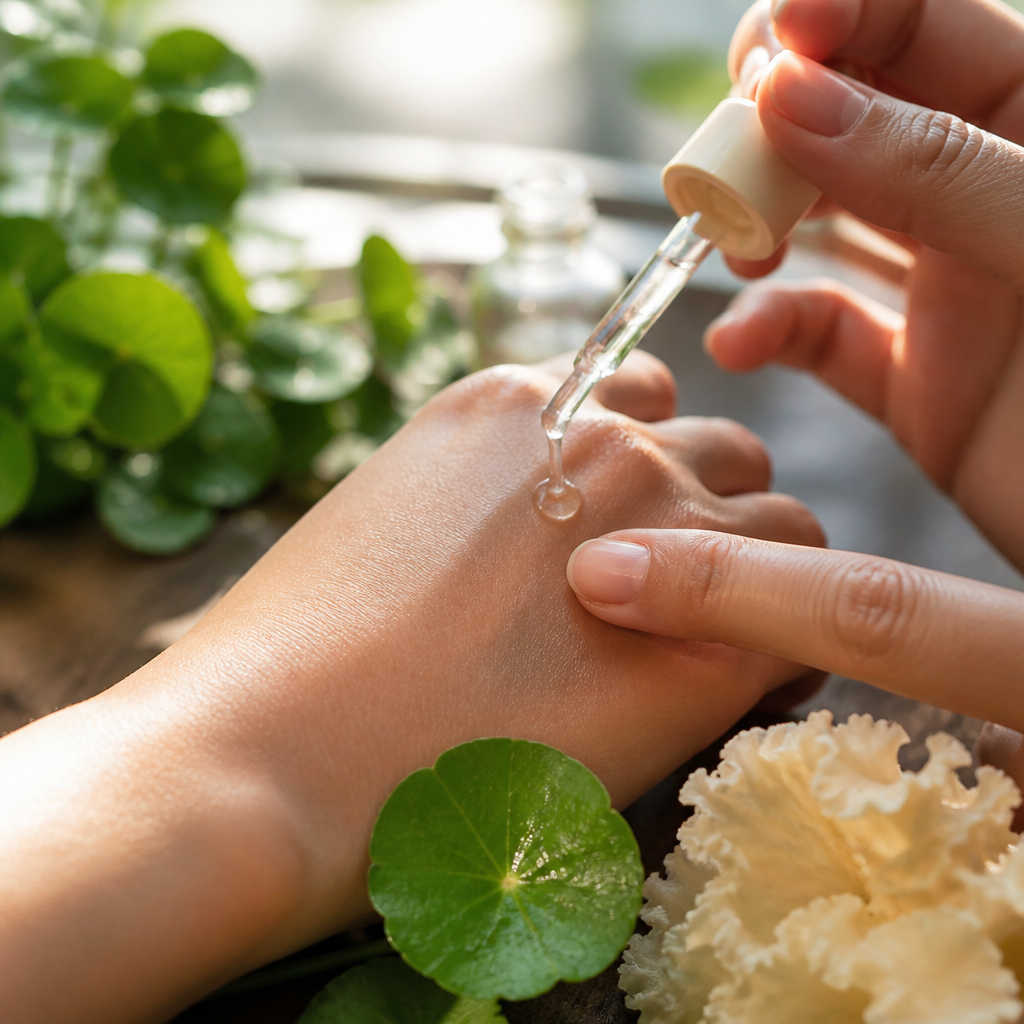
vegan skincare without snail mucin
The expansion of the vegan skincare market is truly exciting. It's entirely possible to build a comprehensive vegan skincare routine addressing virtually any skin concern—from dryness and aging to acne and hyperpigmentation. A wide array of plant-based and lab-created ingredients are available to deliver potent results without forcing a compromise between personal ethics and skincare goals.
Key ingredients in effective vegan skincare include vegan hyaluronic acid for intense moisture, niacinamide for barrier repair, vitamin C for antioxidant protection, and retinol (or its plant-based alternative, bakuchiol) for anti-aging. Peptides and ceramides are vital for skin firmness and barrier function, while botanical extracts like Centella Asiatica offer soothing and healing benefits. This reinforces the idea that ethical choices in skincare do not necessitate compromising on results. To ensure skincare products align with vegan principles, seeking specific certifications from organizations like The Vegan Society, Vegan Action, or PETA is essential.
—
In summary, the question "Is snail mucin vegan?" yields a definitive no. As a secretion directly from snails, it fundamentally conflicts with vegan principles. While some companies claim "cruelty-free" harvesting, significant ethical concerns persist regarding animal captivity and commercial exploitation. Despite its purported benefits, the good news is that ethical compromise is unnecessary. The skincare market is now rich with highly effective vegan alternatives—ranging from tremella mushroom and vegan hyaluronic acid to plant stem cells and peptides—that offer comparable or superior results.
FAQ
Q1: Is snail mucin considered vegan by major vegan organizations?
A1: No, major vegan organizations such as The Vegan Society, Vegan Action, and PETA unanimously classify snail mucin as non-vegan. This is because it is an animal-derived secretion, and veganism aims to exclude all animal products and by-products.
Q2: How do "cruelty-free" claims for snail mucin differ from "vegan" claims?
A2: "Cruelty-free" typically refers to products not tested on animals, and some snail mucin brands claim this based on non-harmful harvesting methods. However, "vegan" means no animal-derived ingredients at all. Snail mucin is not vegan because it comes from an animal, regardless of how it's collected.
Q3: What are some of the key skin benefits attributed to snail mucin?
A3: Snail mucin is known for significant hydration, accelerated wound healing, anti-aging effects through collagen stimulation, and reduction of acne and scars with its antimicrobial properties.
Q4: Can I find effective vegan alternatives that offer similar benefits to snail mucin?
A4: Yes, there are many effective vegan alternatives. For hydration, consider tremella mushroom extract and vegan hyaluronic acid. For anti-aging and regeneration, plant stem cells, vegan peptides, and niacinamide are excellent choices. Centella Asiatica and beta-glucan can provide soothing and healing properties.
Q5: How can I ensure a skincare product is truly vegan and cruelty-free?
A5: To ensure a product is truly vegan and cruelty-free, look for certifications from reputable organizations like The Vegan Society, Vegan Action (Certified Vegan logo), or PETA's Beauty Without Bunnies program. These certifications verify that the product contains no animal ingredients and has not been tested on animals.

Hello! I’m Chloe Evans, a beauty enthusiast passionate about all things K-Beauty. Welcome to my blog, where I share honest reviews, essential skincare tips, and the latest Korean beauty trends. My goal is to help you build a simple yet effective routine for radiant, healthy skin. Join me on this journey to unlock your natural glow!