is snail mucin cruelty free? 5 Truths You Need to Know
Five years ago, during a deep dive into Korean beauty trends online, I first heard about snail mucin in skincare. My initial reaction was a mix of fascination and slight bewilderment. I was intrigued by the glowing reviews, with people swearing by its ability to hydrate, heal, and even diminish acne scars. As someone who'd always struggled with sensitive, combination skin, the promise of smoother, more resilient skin felt like a dream. Yet, as my interest grew, so did a nagging question: how is this ingredient collected, and are the snails okay? For many of us, balancing the desire for effective skincare with personal ethics, especially concerning animal welfare, is crucial. Discover if this popular ingredient truly aligns with cruelty-free and vegan principles, helping you make informed decisions for your beauty routine.
Understanding Snail Mucin and Animal Ethics
To truly understand if the popular skincare ingredient is ethical, it's important to examine the labels we see on products. It's not always a simple yes or no. The journey begins with a clear look at what the secretion is and its place in the broader discussion of animal welfare in the beauty industry. Knowing the difference between "vegan" and "cruelty-free" is vital, as these terms, though often used together, denote distinct ethical standards that guide our consumer choices.
Is Snail Mucin Vegan?
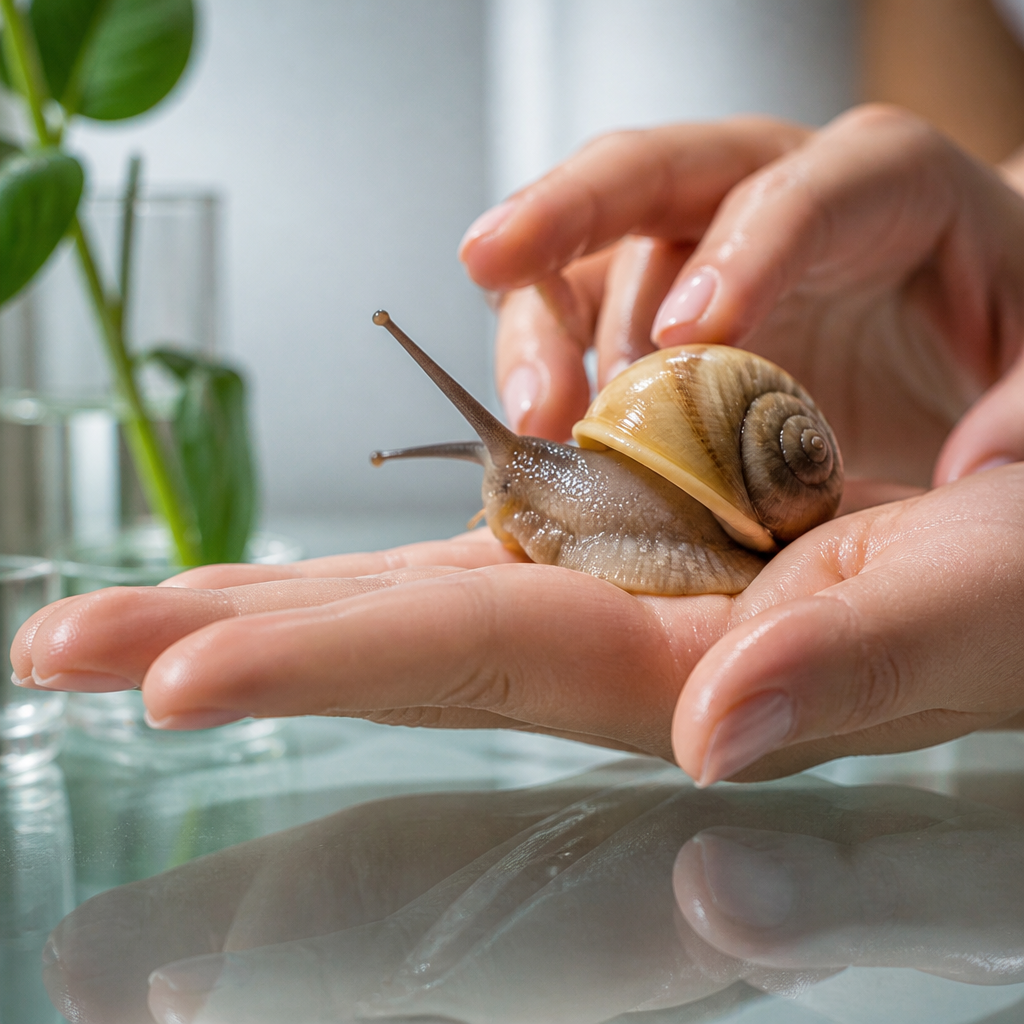
The question of whether this popular ingredient is vegan often causes confusion, but the answer is straightforward: no, it isn't. Snail mucin, also known as snail secretion filtrate, comes directly from living snails, which are animals. Veganism, by definition, avoids all ingredients derived from animals, regardless of how they're collected or if the animal is harmed. This rule holds even if the snails are treated well during the process. Organizations like The Vegan Society, which sets the standards for vegan products, clearly state that vegan cosmetics must contain no animal-derived ingredients and must not have been tested on animals. Since the secretion comes from snails, it doesn't meet the first part of this definition.
It's easy to mistakenly believe that if the filtrate is collected without harming the snails, it could be considered vegan. However, the rules for veganism are strict: they prohibit any use of animals or animal-derived products. This means that even with the kindest collection methods, the ingredient itself still originates from an animal.
Cosmetic dermatologist Dr. Jetske Ultee confirms this, explaining that "snail mucin is an animal-derived ingredient and therefore cannot be considered vegan, even if the snails are not harmed during collection."
If you're committed to a completely vegan skincare routine, products containing this substance won't fit.
Is Snail Mucin Cruelty-Free and Vegan?
The terms "cruelty-free" and "vegan" frequently get conflated in the beauty world, which can make shopping for ethical products challenging. However, they represent different ethical standards. Understanding this distinction is key when evaluating products with this ingredient. The main point is that it can't be both cruelty-free and vegan simultaneously. Even if a brand claims humane collection methods that don't harm the snails (making it "cruelty-free" in that sense), the substance itself comes from an animal, disqualifying it as vegan. "Cruelty-free" primarily signifies that a product and its ingredients have not been tested on animals. For animal-derived ingredients, it often implies the ingredient was gathered without harming the animal. "Vegan," however, mandates that a product contains absolutely no animal-derived ingredients.
Therefore, a product can be cruelty-free but not vegan, or vegan but not cruelty-free. For this secretion, the core issue is its animal origin. Even if snails are handled with extreme care and mucin is collected without causing harm—meeting the "cruelty-free" sourcing criteria—it still originates from an animal. Major certification groups like Leaping Bunny verify the absence of animal testing at any stage but do not deem these products vegan. So, if you seek products that are both cruelty-free and vegan, you'll need to explore alternatives.
How Snail Mucin Is Harvested?
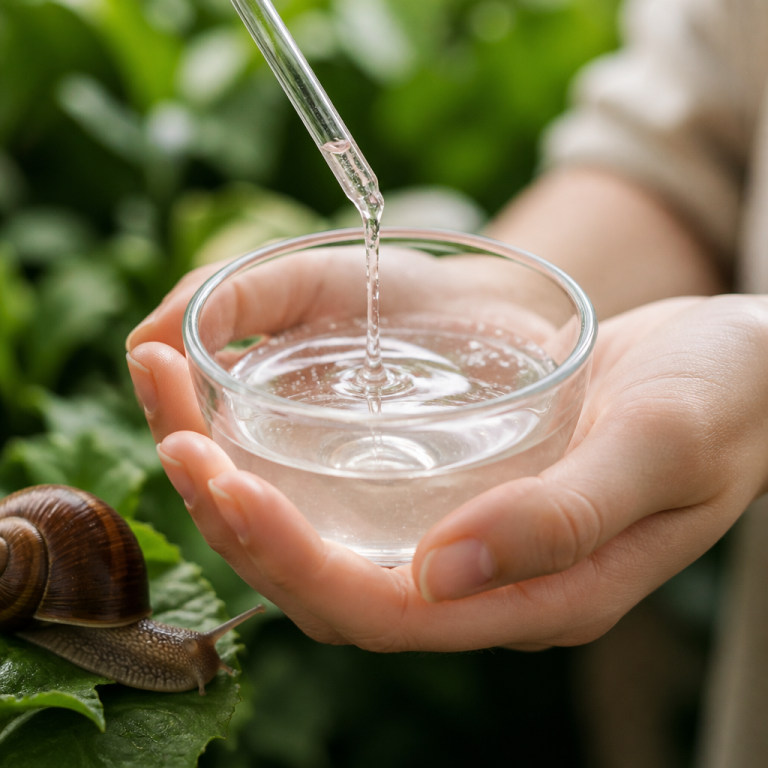
The method of collection significantly impacts its ethical standing, as different approaches can affect snail well-being. The harvesting of snail mucin involves collecting the glycoprotein secretion, or mucus, that snails naturally produce. The methods vary widely, from potentially stressful techniques to kinder approaches designed to minimize harm. Historically, some methods involved irritating the snails to stimulate mucus production, which animal welfare groups view as harmful.
Due to growing ethical concerns, newer, more humane harvesting methods have emerged. These approaches focus on collecting mucin that snails naturally secrete during their normal activities, such as moving across clean surfaces in a controlled environment. After collection, the snails are returned unharmed to their habitat. COSRX, for instance, states they allow snails to crawl naturally in a dark, quiet room. However, there's limited independent verification of how humane these practices truly are, and the stress levels snails might experience remain scientifically unclear. On an industrial scale, snail farms typically use species like Cornu aspersum or Achatina fulica in facilities with managed temperature and humidity. The global market for this ingredient was valued at approximately $382 million in 2023, highlighting the critical need for transparency and verified ethical sourcing practices.
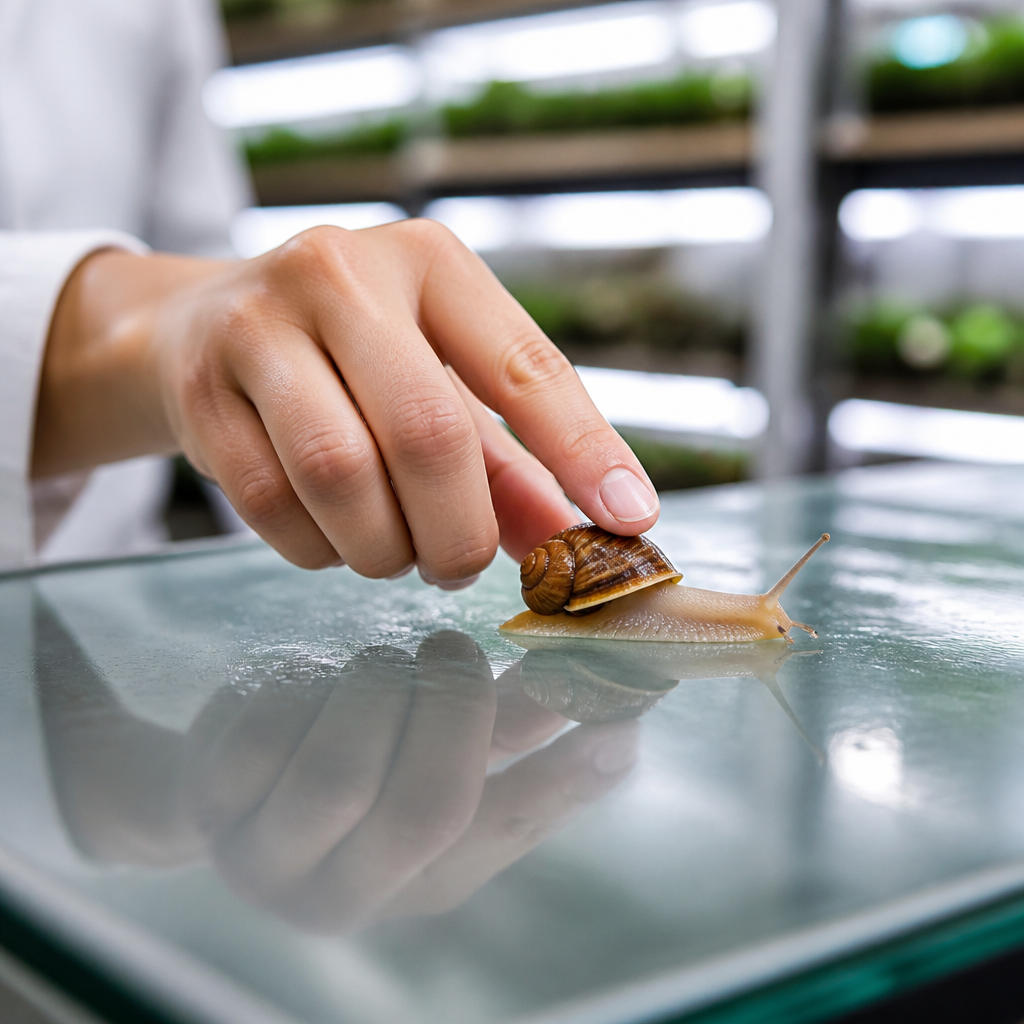
Snail Mucin Ethical Sourcing
The concept of ethically sourcing this popular ingredient has gained prominence as consumers demand clarity from beauty brands. Ethical sourcing involves harvesting methods that prioritize snail well-being, are environmentally sound, and maintain transparency. Despite this interest, there isn't a single, overarching certification specifically for ethically sourced products. _This lack of a standardized framework makes it difficult for consumers to verify brands' ethical claims._
However, certain indicators generally suggest more ethical sourcing. These include:
- Using collection methods that do not stress the snails (e.g., avoiding salt or acid).
- Ensuring snails have adequate and clean living conditions.
- Providing sufficient recovery time for the snails between collections.
- Undergoing regular third-party welfare audits, where possible.
South Korea, a major producer, currently lacks specific government regulations on snail welfare during harvesting, so standards rely on individual companies' guidelines. While some invertebrates may not perceive pain like vertebrates, the "precautionary principle" suggests that actions should be taken to minimize potential suffering. For consumers, looking for brands that openly detail their harvesting processes is advisable.
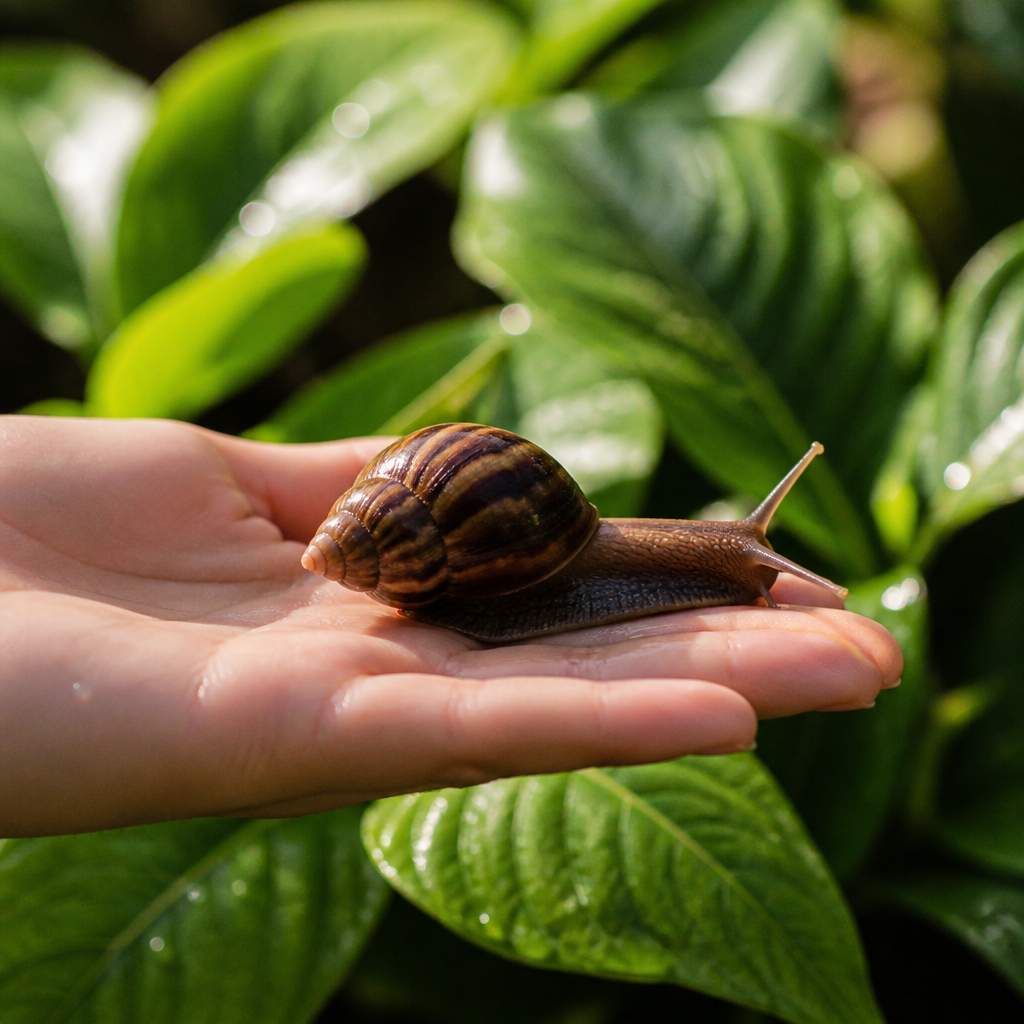
Cruelty-Free Snail Mucin Brands and Products
If you're comfortable using ingredients derived from animals but are committed to ensuring they are cruelty-free, identifying brands that claim ethical sourcing is paramount. While no overarching organization specifically certifies the harvesting process as "cruelty-free," many brands have pledged to use humane collection methods. This commitment aims to ensure snails are not harmed, a factor many consumers prioritize.
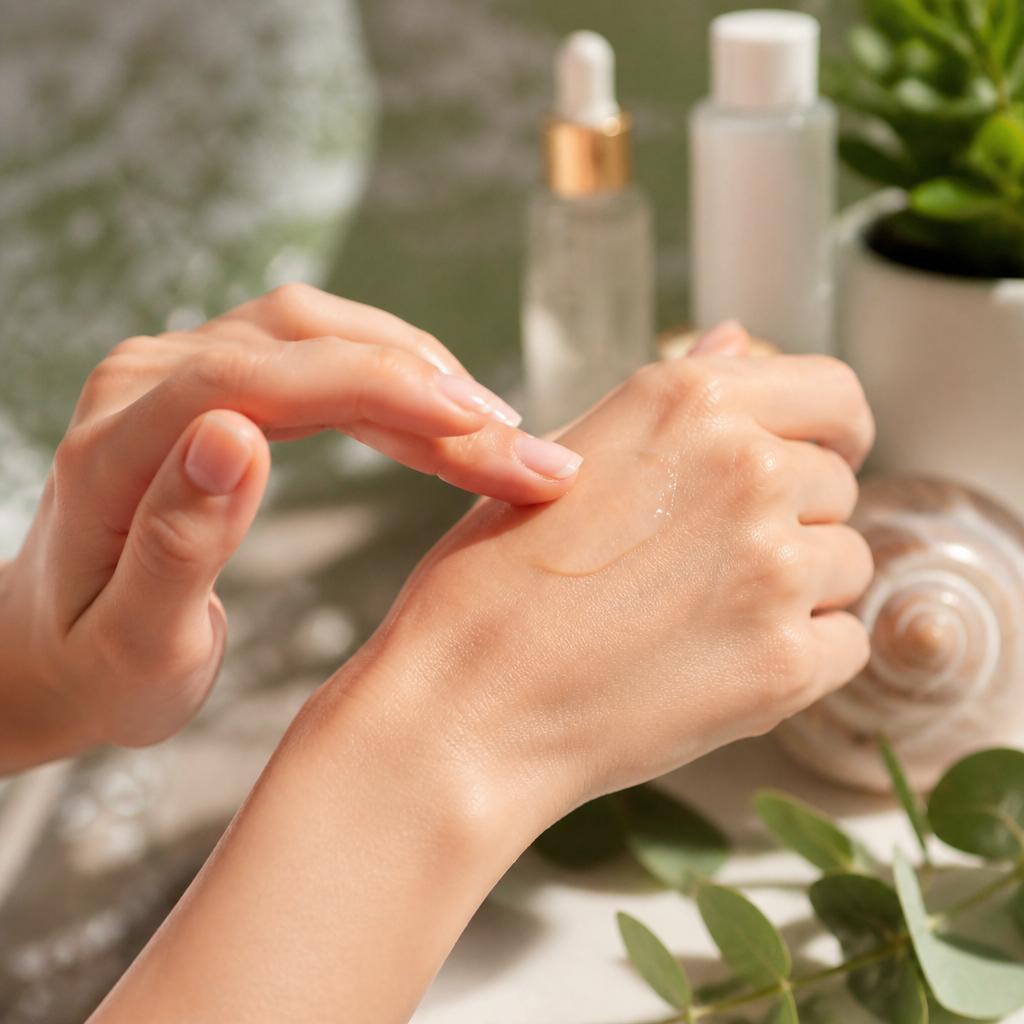
Snail Mucin Cruelty-Free Brands
Several skincare brands are recognized for their products containing the filtrate and claim cruelty-free sourcing. COSRX is perhaps the most well-known, frequently cited as a cruelty-free brand for its snail mucin products. They explain that they collect mucus using methods that do not stress the snails, returning them to their habitats afterward.
Mizon, another Korean skincare company, also markets its products as cruelty-free, stating their snails are housed in safe environments. Similarly, Benton, known for its Snail Bee High Content Essence, asserts its ingredient originates from farms adhering to ethical harvesting rules. SOME BY MI also claims cruelty-free sourcing. It's important for consumers to recognize that these claims are primarily self-reported. Major certification bodies like Leaping Bunny or PETA focus on ensuring products and ingredients haven't been tested on animals. They do not specifically certify the ethical harvesting of animal-derived ingredients. A brand might carry a cruelty-free designation for its overall practices, but this doesn't automatically guarantee humane collection. _Consumers interested in these brands should look for detailed descriptions of harvesting methods or internal verification processes._
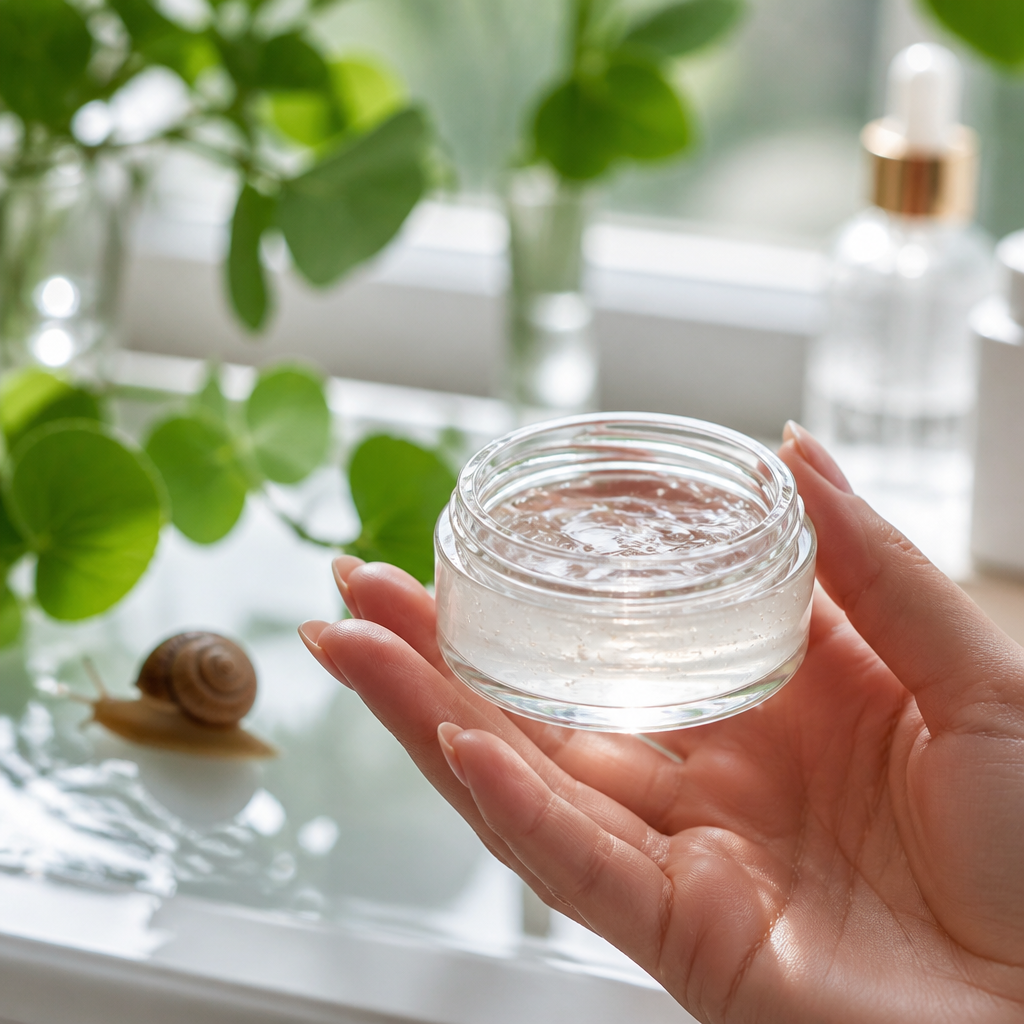
Cruelty-Free Snail Mucin Skincare Products
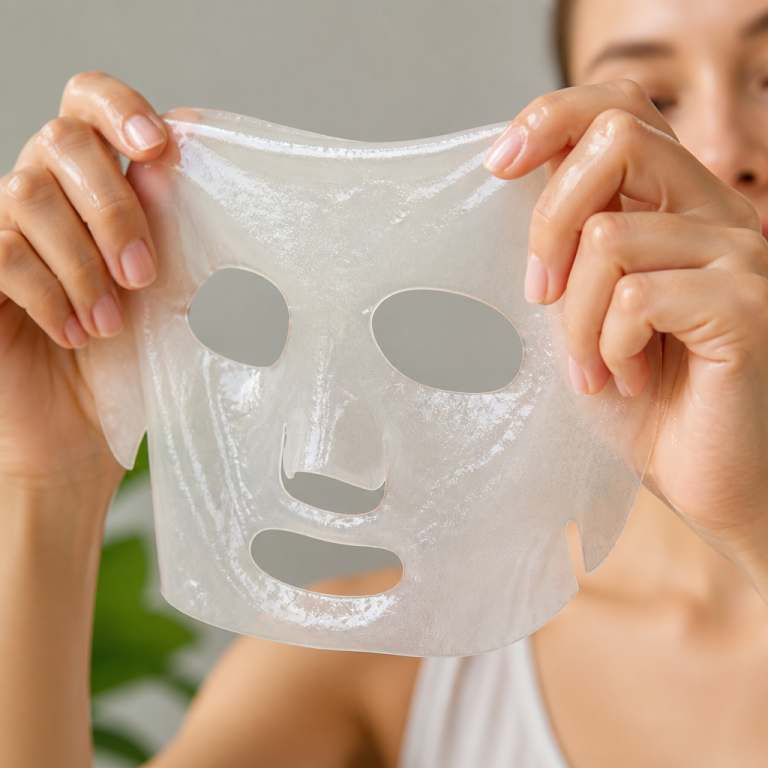
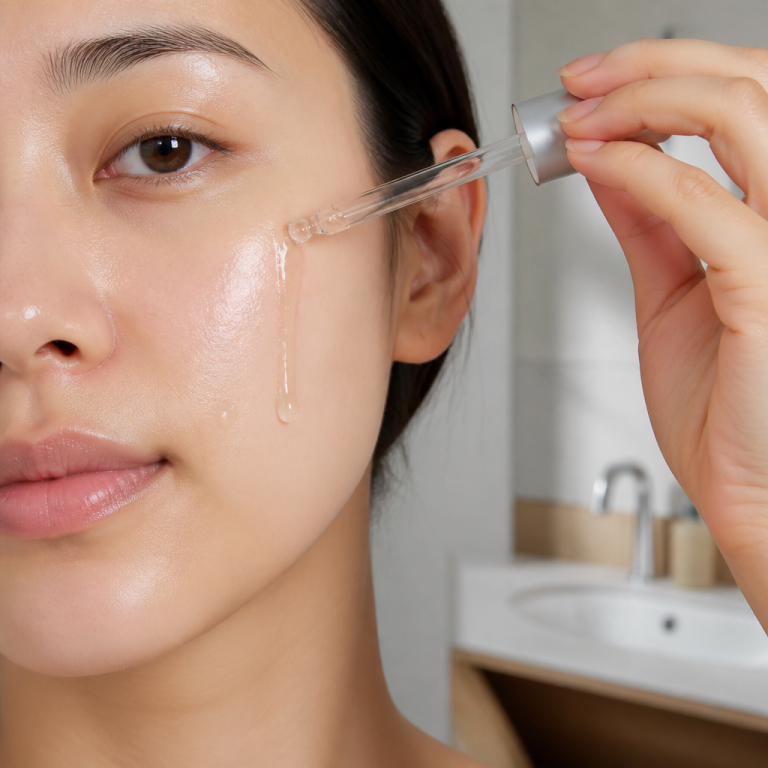
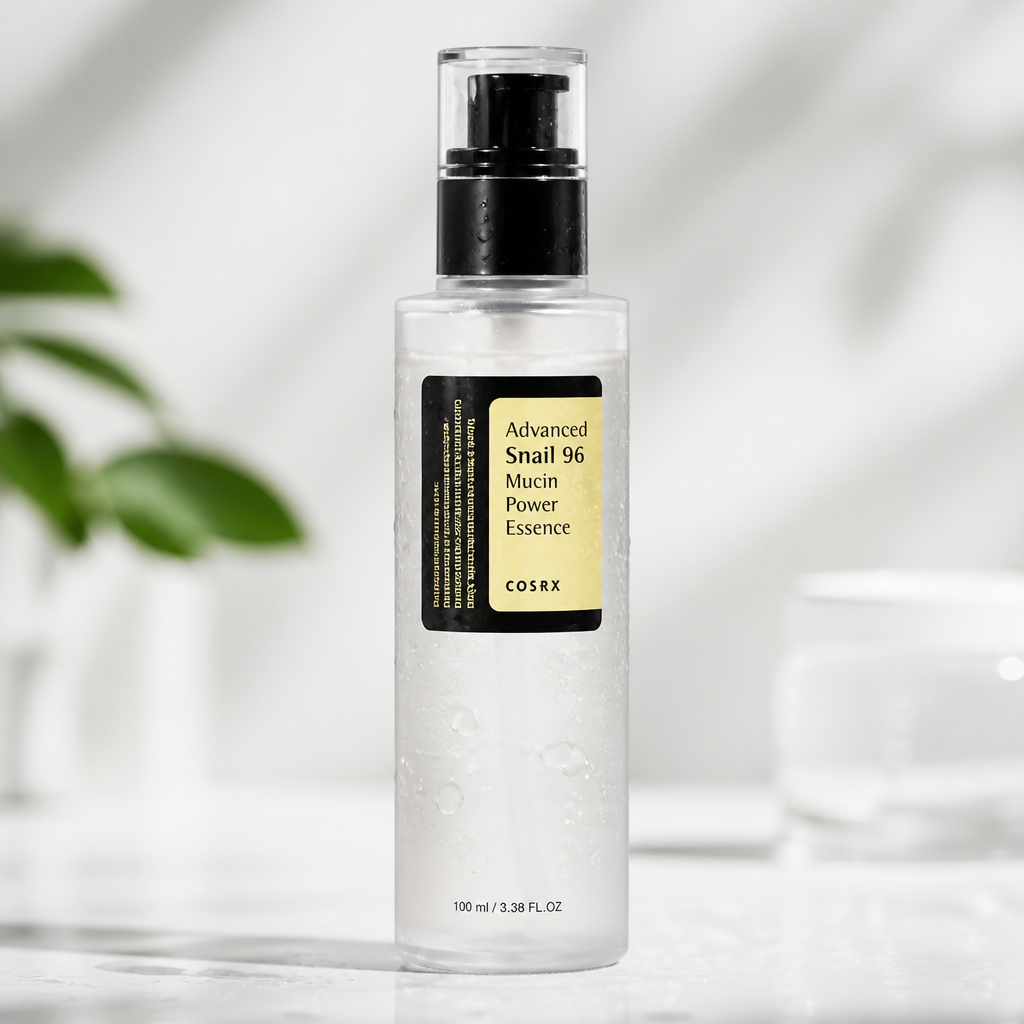
The market offers numerous cruelty-free skincare products, predominantly from Korean beauty brands. These products are formulated to leverage the ingredient's potential for intense hydration, skin repair, and anti-aging benefits. One of the most celebrated products is the COSRX Advanced Snail 96 Mucin Power Essence, containing 96% snail secretion filtrate. It's exceptionally popular, boasting over 100,000 reviews on major online retailers. The concentration of snail mucin in these products typically ranges from 70% to 96%, with higher percentages often advertised for enhanced effects. Products come in various forms, including essences, creams, and sheet masks, making them accessible for many consumers.
| Product Name | Key Feature | Approx. Price |
|---|---|---|
| COSRX Advanced Snail 96 Mucin Power Essence | Contains 96% filtrate for intense hydration and repair. | $15 – $35 |
| Mizon All In One Snail Repair Cream | Features 92% filtrate for skin repair and anti-aging. | $20 – $45 |
| Benton Snail Bee High Content Skin | Combines 90% filtrate with bee venom for multiple benefits. | $15 – $25 |
| COSRX Advanced Snail Peptide Eye Cream | Targets the delicate eye area with ethically sourced filtrate. | $25 – $50 |
Cruelty-Free Alternatives to Snail Mucin
If you prefer to avoid all animal-derived ingredients or remain concerned about snail mucin sourcing even with "cruelty-free" claims, numerous effective and truly cruelty-free alternatives are available. These options are typically plant-based or synthesized in a lab and aim to provide similar skincare benefits—hydration, repair, and anti-aging—without animal-derived components. The global vegan cosmetics market is booming, reflecting a growing demand for such products.
Snail Mucin Alternatives Cruelty-Free
Hyaluronic acid, available in plant-derived or lab-synthesized forms, stands out as a popular alternative. It's renowned for its exceptional hydration capabilities, mirroring the functions of the special proteins found in the animal-derived secretion. Tremella fuciformis, or snow mushroom extract, is another excellent plant-based option offering comparable hydration. For skin repair, Centella asiatica (cica) is a potent plant extract that helps calm irritated skin and promote healing.
Niacinamide (vitamin B3) supports skin barrier repair and offers anti-aging benefits, while beta-glucan from oats or mushrooms hydrates and soothes. Peptides, whether synthesized or plant-derived, are effective in boosting collagen production. _These plant-based ingredients are highly effective and offer peace of mind for ethically-minded consumers._
Board-certified dermatologist Dr. Dhaval Bhanusali often recommends a combination of these ingredients, stating, "For patients seeking vegan alternatives to snail mucin, I recommend combining hyaluronic acid with peptides and niacinamide to achieve similar hydration and repair benefits."
Specific vegan products offering these benefits include The Ordinary Hyaluronic Acid 2% + B5 and Youth to the People Adaptogen Deep Moisture Cream. The increasing demand for vegan beauty products signifies a significant shift toward cruelty-free and animal-free alternatives.
In summary, while this popular ingredient offers promising benefits, its ethical implications are complex. It's not considered vegan due to its animal origin. Some brands strive for cruelty-free sourcing, though independent verification can be challenging. For those prioritizing both cruelty-free and vegan principles, the beauty industry provides a wide array of effective plant-based and lab-created ingredients. Making informed choices involves understanding ethical labels and researching brand practices to ensure your skincare routine aligns with your personal values.
FAQ
Q1: Is snail mucin considered a vegan ingredient?
A1: No, snail mucin is not considered a vegan ingredient. It is derived from living snails, which are animals, and veganism excludes all animal-derived ingredients, regardless of how they are collected.
Q2: What is the difference between "cruelty-free" and "vegan" in skincare?
A2: "Cruelty-free" typically means that a product and its ingredients were not tested on animals, and for animal-derived ingredients, it implies they were obtained without causing harm. "Vegan" means the product contains no animal-derived ingredients whatsoever. A product can be cruelty-free without being vegan, and snail mucin, while potentially sourced "cruelty-free," is never vegan due to its animal origin.
Q3: How do brands typically harvest snail mucin ethically?
A3: Ethical harvesting methods generally involve collecting mucin that snails naturally secrete during their normal activities, such as crawling on sterile surfaces in controlled environments. After collection, the snails are returned unharmed to their habitat. These methods aim to avoid stress-inducing techniques like using salt or acid.
Q4: Are there any major certifications for ethically sourced snail mucin?
A4: Currently, there is no universal certification standard specifically for the ethical sourcing of snail mucin. While some brands may have general cruelty-free certifications (which focus on animal testing) or environmental farm certifications, these do not specifically verify the humane collection methods for snail mucin itself. Ethical claims are largely self-reported by brands.
Q5: What are some effective cruelty-free and vegan alternatives to snail mucin for skincare?
A5: Several effective cruelty-free and vegan alternatives offer similar benefits to snail mucin. These include hyaluronic acid for hydration, Tremella fuciformis (snow mushroom) extract for moisture retention, Centella asiatica (cica) for skin repair and soothing, niacinamide for barrier support and anti-aging, beta-glucan for hydration, and various plant-derived or synthetic peptides for collagen boosting.

Hello! I’m Chloe Evans, a beauty enthusiast passionate about all things K-Beauty. Welcome to my blog, where I share honest reviews, essential skincare tips, and the latest Korean beauty trends. My goal is to help you build a simple yet effective routine for radiant, healthy skin. Join me on this journey to unlock your natural glow!