What Does Snail Mucin Do? 7 Powerful Skin Benefits
If you’ve spent any time exploring the world of K-beauty, you’ve likely heard the buzz around snail mucin. While the idea of putting snail essence on your face might seem unusual at first, this unique ingredient has become a skincare staple for many, thanks to its impressive, multi-tasking abilities. But what is it, and what does it actually do for your skin?
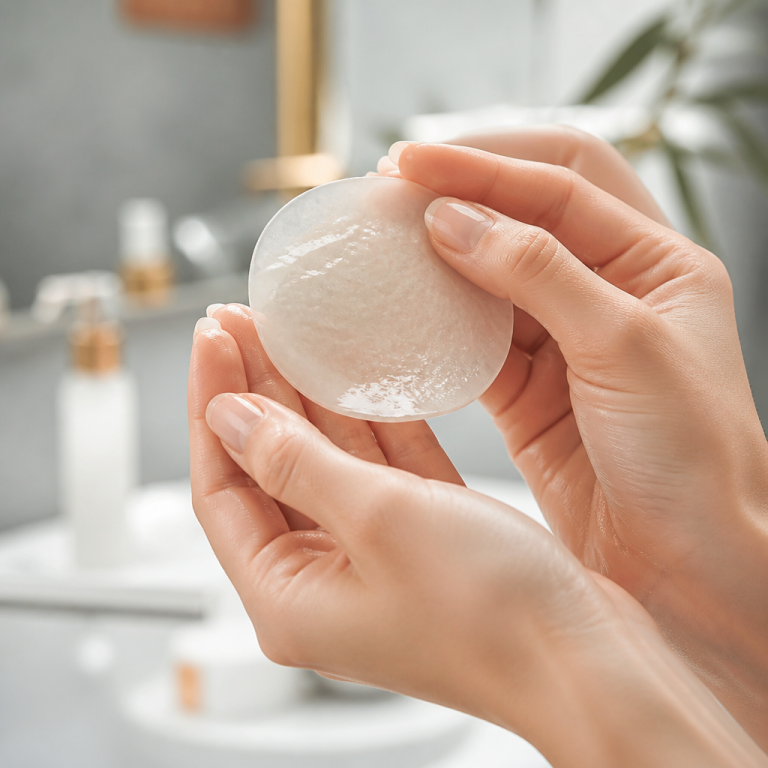
Snail mucin, also known as snail secretion filtrate, is the excretion that snails produce to protect and repair their own delicate bodies. Ethically harvested, this substance is not simple slime; it’s a complex mix full of beneficial compounds. It contains powerhouse ingredients like allantoin for soothing, glycolic acid for gentle exfoliation, hyaluronic acid for intense hydration, zinc to fight breakouts, and copper peptides to aid in skin repair.
The way this filtrate works is fascinating. First, it acts as a powerful humectant, pulling moisture from the air and locking it into your skin for an instantly plumper, more hydrated feel. Second, its components are believed to stimulate your skin’s natural production of collagen, the protein responsible for keeping skin firm and bouncy, which can help reduce the appearance of fine lines. Finally, it acts as an antioxidant, helping to defend your skin against environmental damage from pollution and UV rays that can lead to premature aging.
Snail Mucin Benefits for Skin
What does snail mucin do for skin?
This popular K-beauty ingredient, with its rich blend of skin-loving compounds, offers a suite of benefits. One of its primary functions is to hydrate the skin deeply. Regular use can significantly boost skin hydration by strengthening the skin’s natural barrier. This barrier is crucial because it prevents moisture from escaping (a process called transepidermal water loss) and protects the skin from external irritants, leading to a more comfortable and hydrated complexion.
Beyond moisture, snail mucin is a fantastic ally in the fight against aging. The glycolic acid and peptides it contains are thought to encourage collagen production, which is essential for maintaining skin firmness and elasticity. By boosting collagen, it can help diminish the appearance of fine lines and wrinkles, giving the skin a smoother, more youthful bounce. The allantoin and growth factors present are also known for promoting wound healing and tissue regeneration, which can be very helpful for calming minor irritations.
Dr. Joshua Zeichner, a well-known dermatologist, points out that it contains proven ingredients like hyaluronic acid and glycolic acid, which hydrate and encourage skin cell turnover, acknowledging its benefits while suggesting more research could highlight its unique advantages.
Snail mucin benefits
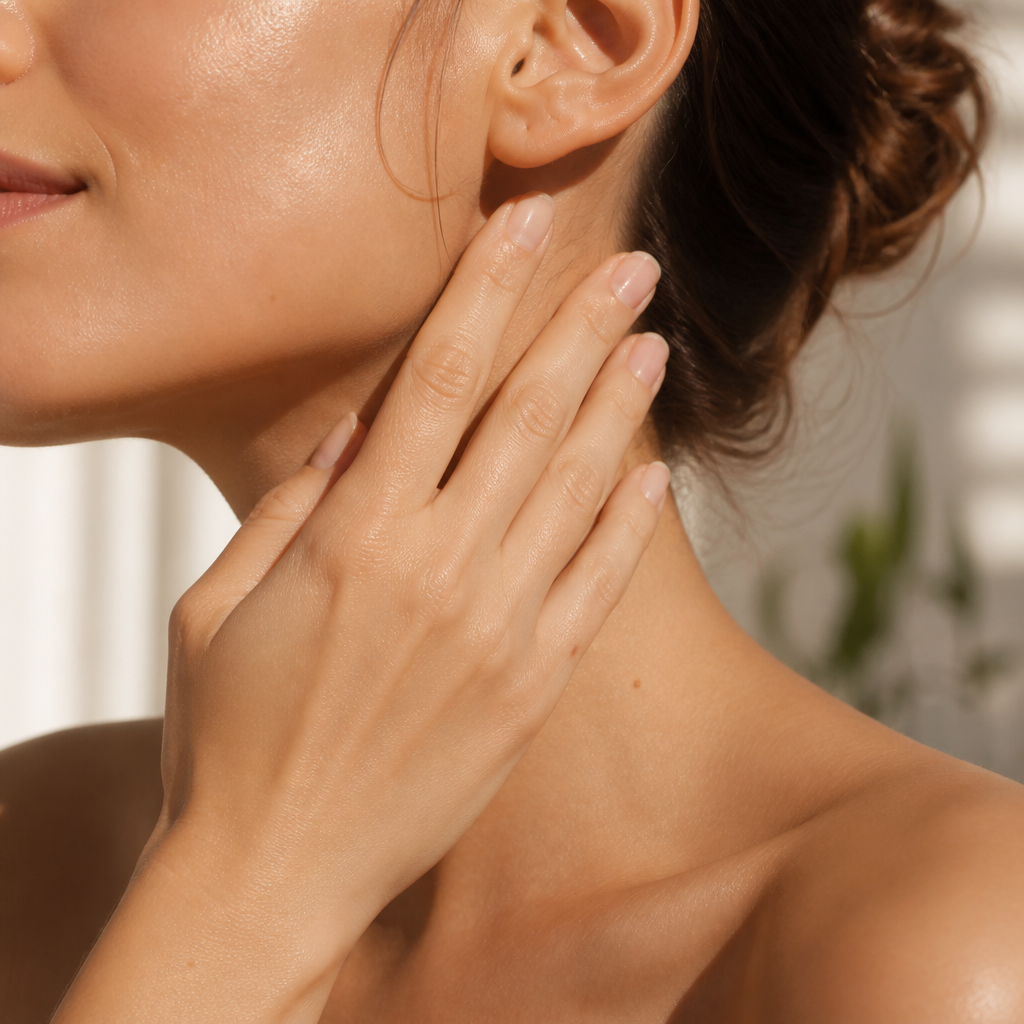
Snail mucin offers a full spectrum of benefits, making it a star ingredient for various skin concerns. Its ability to deliver deep hydration makes skin look plump and feel soft, reducing dry, flaky patches. For those concerned with signs of aging, the peptides and growth factors encourage skin renewal, which can improve elasticity and make fine lines less noticeable.
The glycolic acid also acts as a gentle exfoliator, helping to slough off dead skin cells to reveal brighter, more radiant skin underneath. This process, combined with the reparative properties of allantoin, can also help fade scars and hyperpigmentation over time. Another significant benefit is how it strengthens the skin barrier, making it more resilient against environmental stressors. This strengthened barrier locks in moisture and keeps irritants out, leading to less sensitive skin.
Dr. Hadley King, another respected dermatologist, sums it up as a “multitasking ingredient” suitable for most skin types, highlighting its ability to help with hydration, fine lines, and overall texture.
What does snail mucin do for acne?
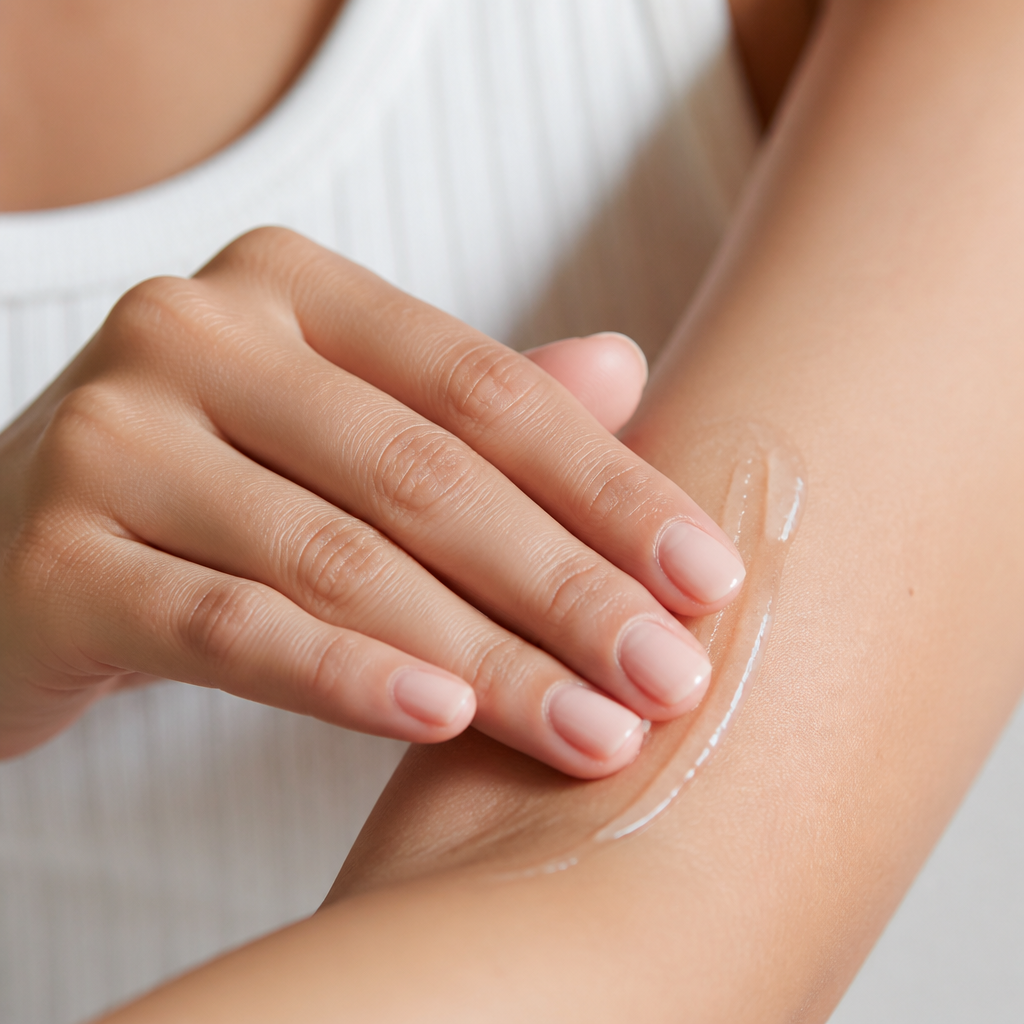
If you struggle with acne, snail mucin might be the secret weapon your routine is missing. It addresses breakouts in several ways. The zinc naturally found in it has antibacterial properties that can help combat acne-causing bacteria. At the same time, allantoin acts as an anti-inflammatory agent, helping to calm the redness and irritation associated with pimples.
The glycolic acid provides gentle exfoliation, which helps unclog pores by clearing away dead skin cells and excess oil, preventing new blemishes from forming. The zinc and copper peptides within the filtrate also play a role in balancing oil production, which is key for acne-prone skin. It is fantastic for healing what acne leaves behind, as it can speed up the fading of post-inflammatory hyperpigmentation (the dark spots left after a pimple heals). Because the filtrate generally has a low comedogenic rating (0 to 1), it’s highly unlikely to clog pores, making it an excellent choice for anyone struggling with breakouts.
How to Use Snail Mucin
How to use snail mucin
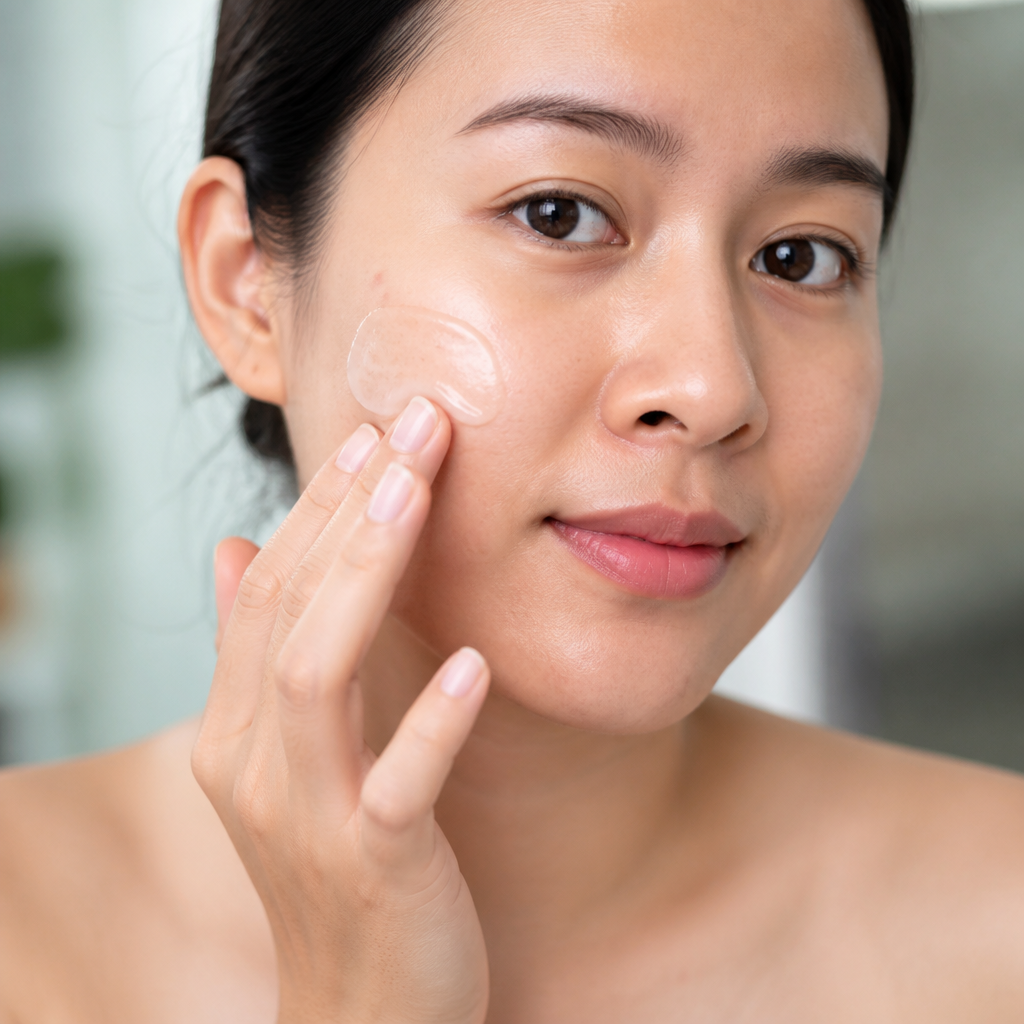
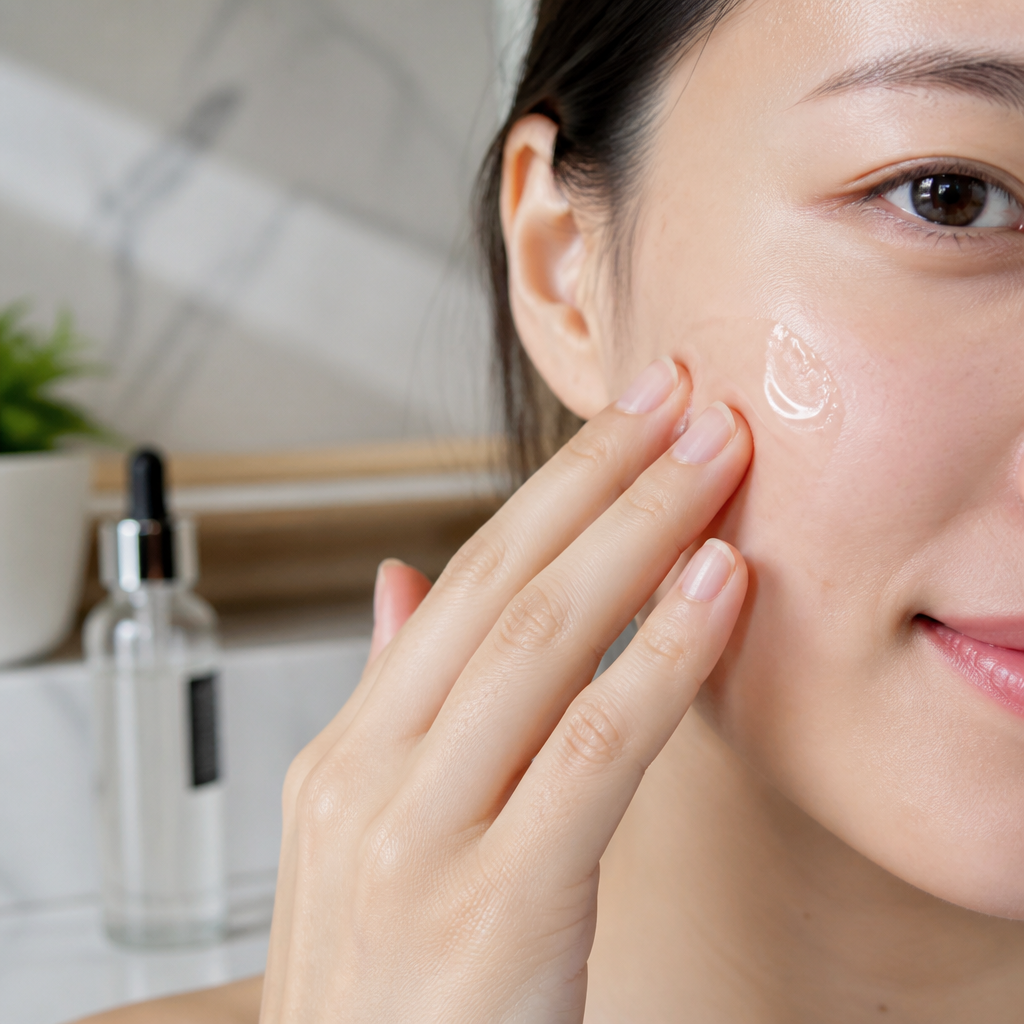
Adding this beneficial ingredient to your skincare routine is simple. Knowing the correct application order can help you get the most out of it. The best way to incorporate snail mucin is to apply it after cleansing and toning but before using any thicker moisturizers or oils.
- Cleanse and Tone: Start with a clean and toned face to ensure the product can penetrate effectively.
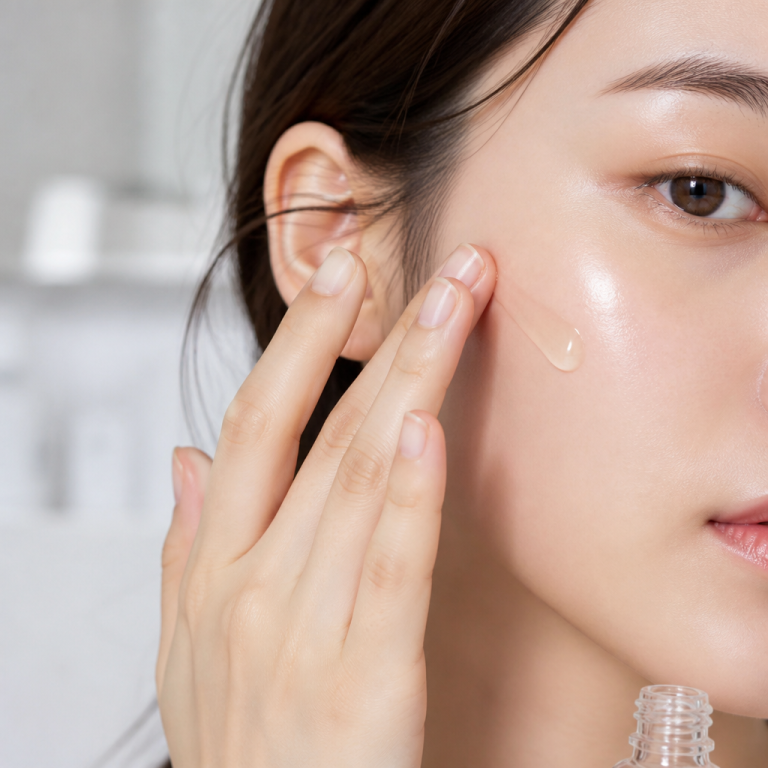
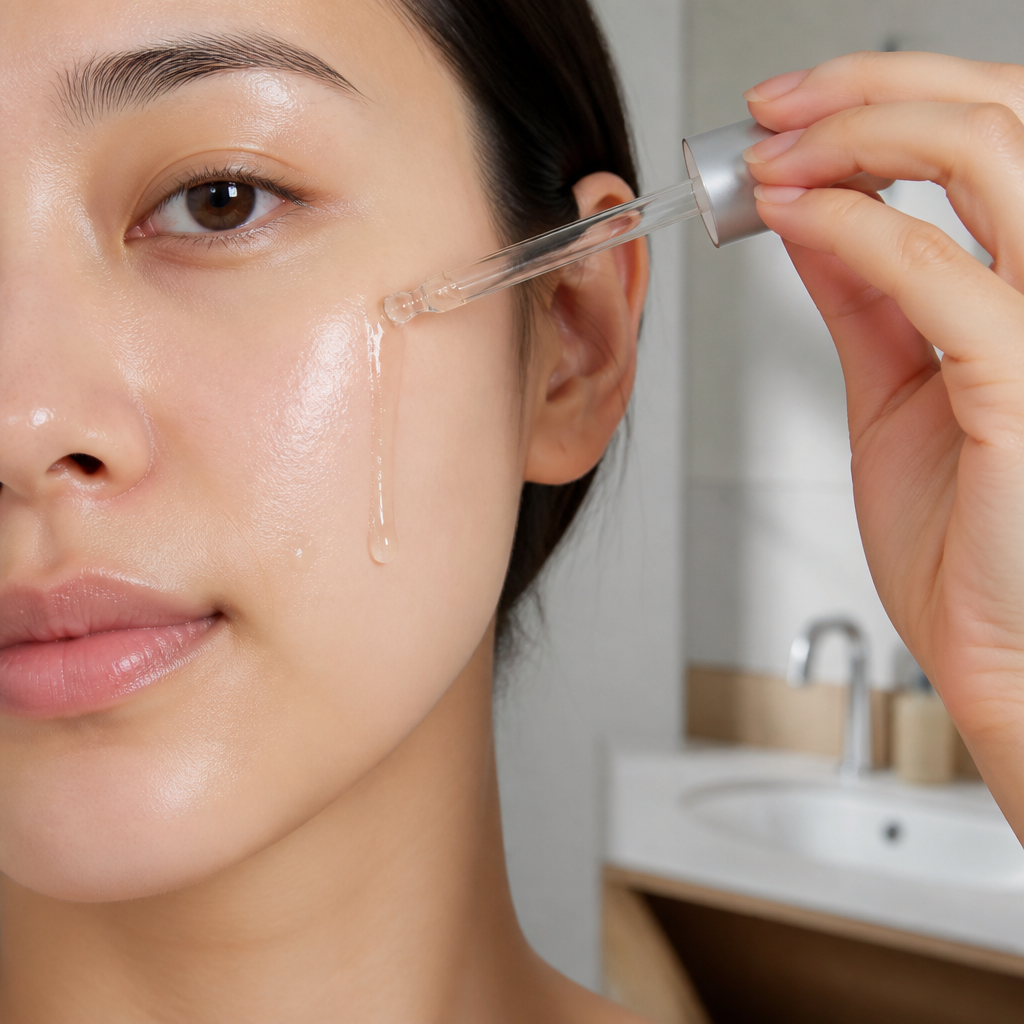
- Apply to Damp Skin: While your skin is still slightly damp, take 2-3 pumps of the snail mucin essence or serum.
- Gently Pat: Pat the product gently onto your face and neck until it’s fully absorbed. This method is more effective than rubbing.
- Follow Up: Wait for it to sink in (about 30-60 seconds) before applying thicker products like moisturizers, face oils, or your daily sunscreen.
Most people find snail mucin gentle enough for twice-daily use, both morning and night. Consistency is key; you’ll typically start seeing noticeable results after 4-8 weeks of regular use. Store your products in a cool, dark place away from direct sunlight to maintain their efficacy.
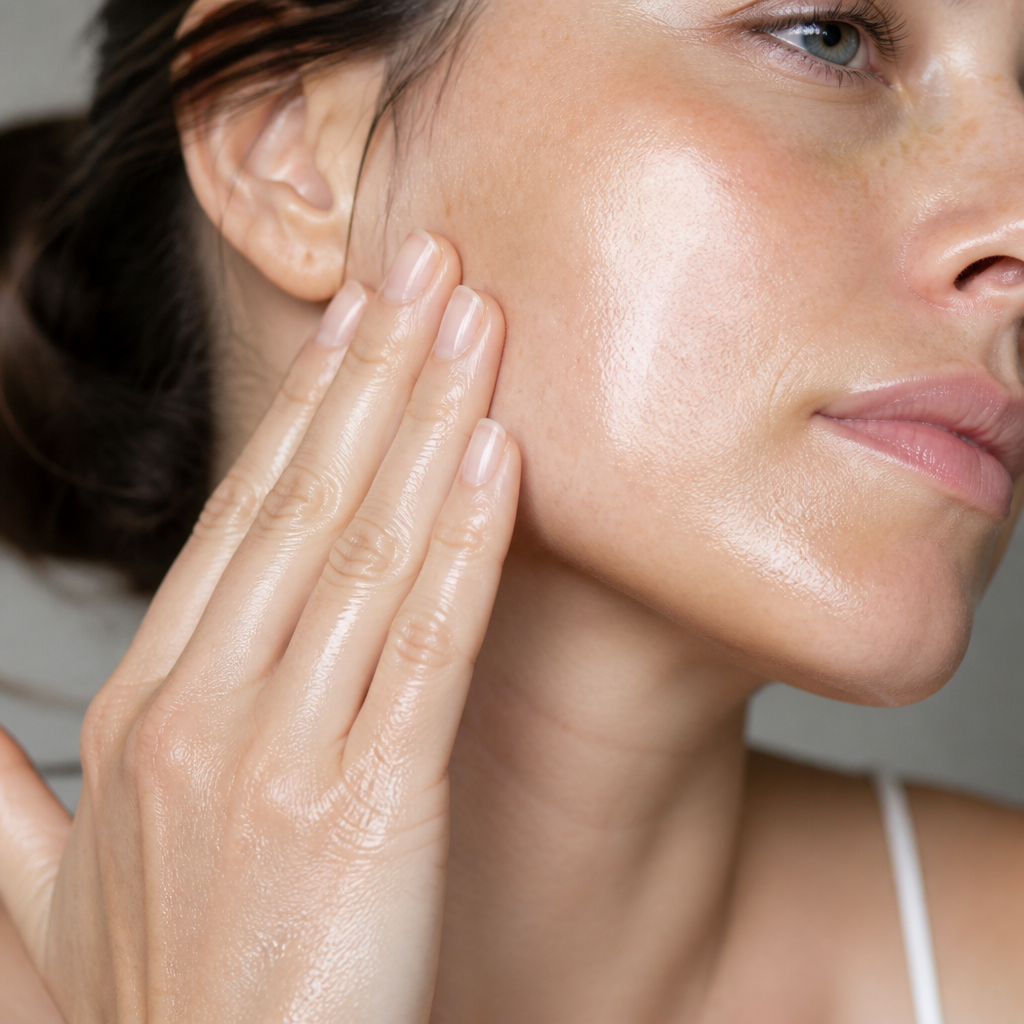
What does snail mucin do in a skincare routine?
Snail mucin serves as a vital hydrating and repairing step, perfectly bridging the gap between watery toners and heavier creams. This strategic placement ensures its active ingredients can deliver their benefits before your skin is sealed with more occlusive products.
In a morning routine, it creates a wonderfully smooth and hydrated base, making it perfect for layering under sunscreen and makeup. Its antioxidant properties also provide an extra layer of defense against environmental stressors. In the evening, it works to enhance your skin’s natural overnight repair process. By boosting hydration and providing reparative compounds, it can help other nighttime treatments work more effectively, aiding in skin restoration while you sleep.
It is also a team player, working synergistically with many other ingredients. Paired with hyaluronic acid, it deepens hydration; with niacinamide, it brightens; and with ceramides, it further strengthens the skin barrier. _If you’re introducing it with strong actives like retinol or acids, always do a patch test first._ Apply it after pH-dependent products like Vitamin C serums have fully absorbed to ensure your skin reaps the maximum benefits from every step.
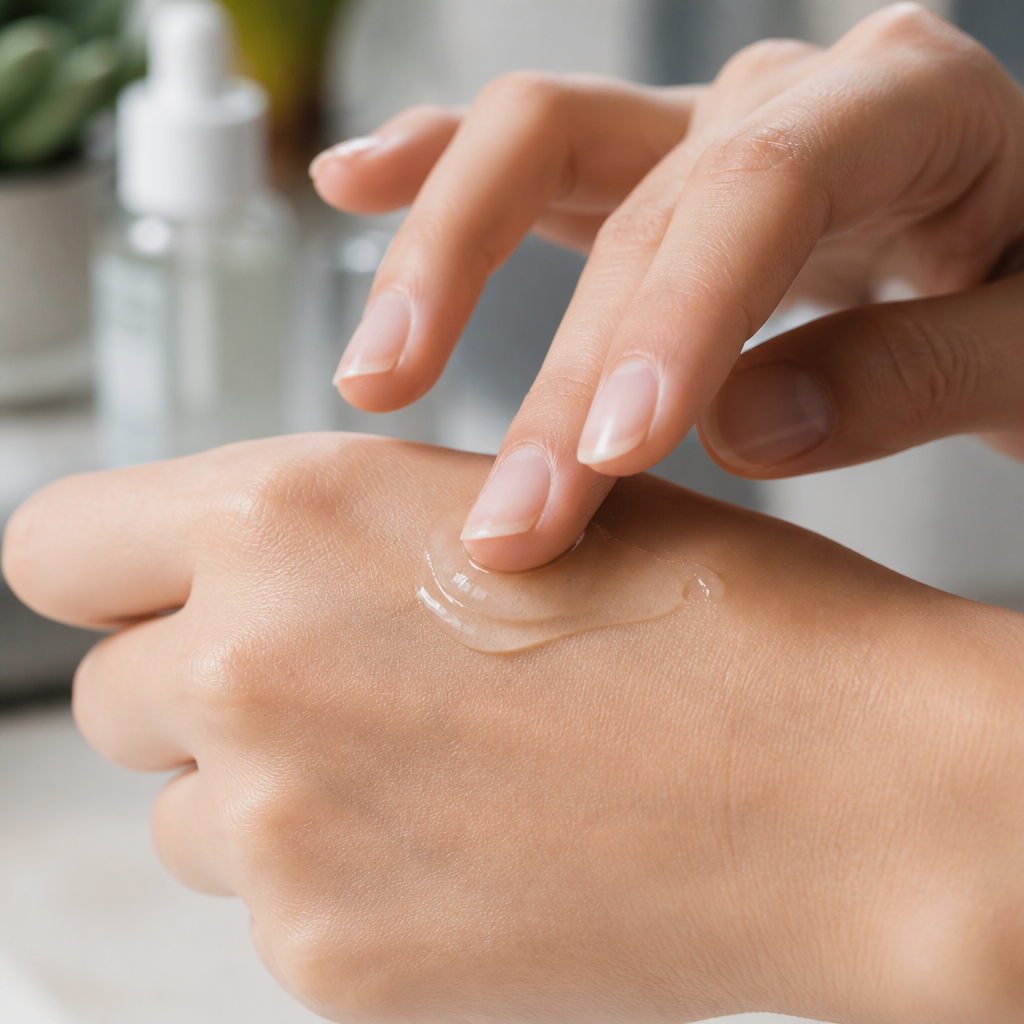
Snail Mucin Results and Safety
Snail mucin before and after results
While everyone’s skin responds differently, you can generally expect to see improvements over a consistent period. While initial hydration benefits can appear in 1-2 weeks, more significant results for texture and fine lines typically take 8-12 weeks. Many users report a substantial improvement in moisture levels and overall plumpness, with fewer dry patches and skin that feels noticeably softer.
The timeline for seeing specific results can vary. Below is a general guide to what you might expect.
| Expected Result | Typical Timeline |
|---|---|
| Increased Hydration & Plumpness | 1-2 Weeks |
| Improved Skin Texture | 4-6 Weeks |
| Reduced Fine Lines & Wrinkles | 8-12 Weeks |
| Significant Anti-Aging Benefits | 12-16 Weeks |
Clinical studies have supported these timelines, with research indicating impressive reductions in wrinkle depth and improvements in skin elasticity after 12 weeks of daily use. For acne scars, studies have shown a visible reduction in their appearance, resulting in flatter and less discolored marks over a similar period.
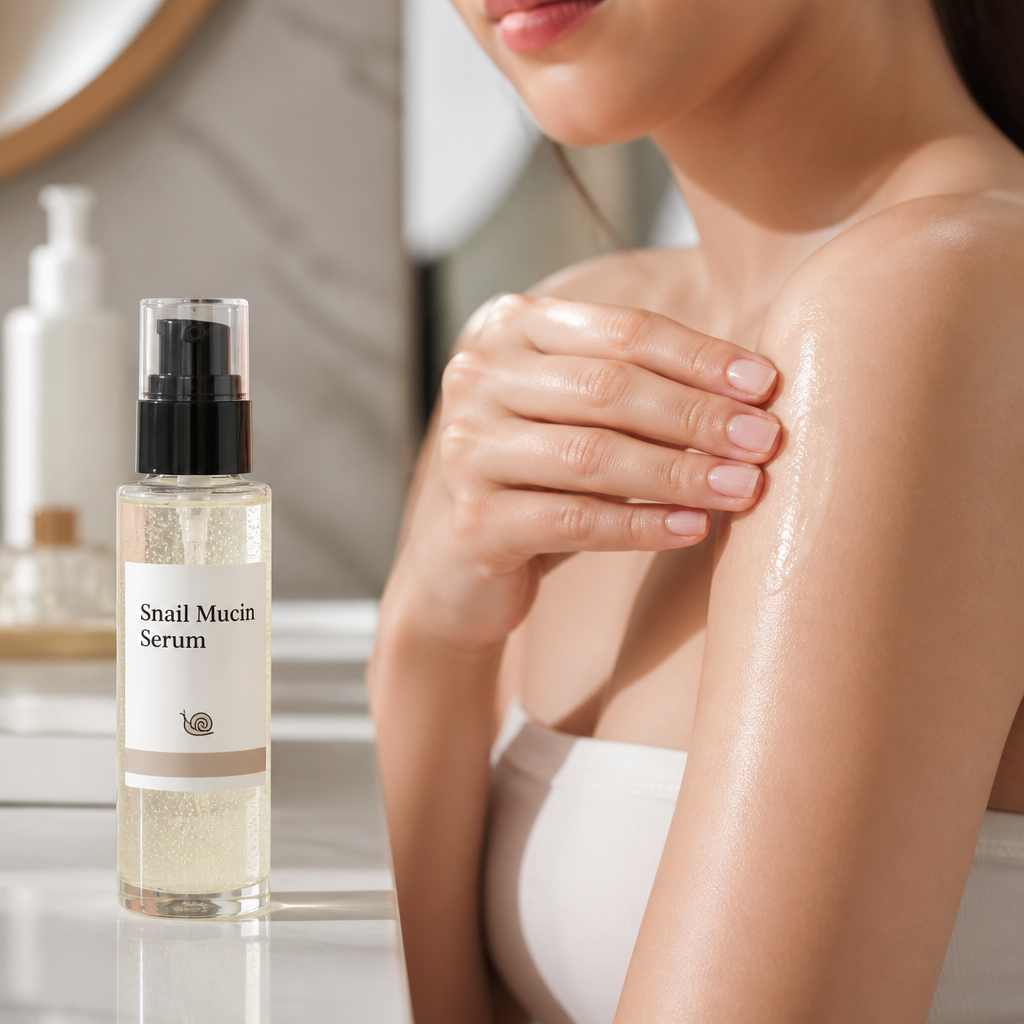
Snail mucin side effects
The good news is that snail mucin is generally very well-tolerated, with negative reactions being quite rare. However, as with any skincare ingredient, there is a small possibility of an allergic reaction, which could manifest as redness, itching, or hives. _People with known allergies to shellfish, mollusks, or dust mites may have a higher risk of reaction._
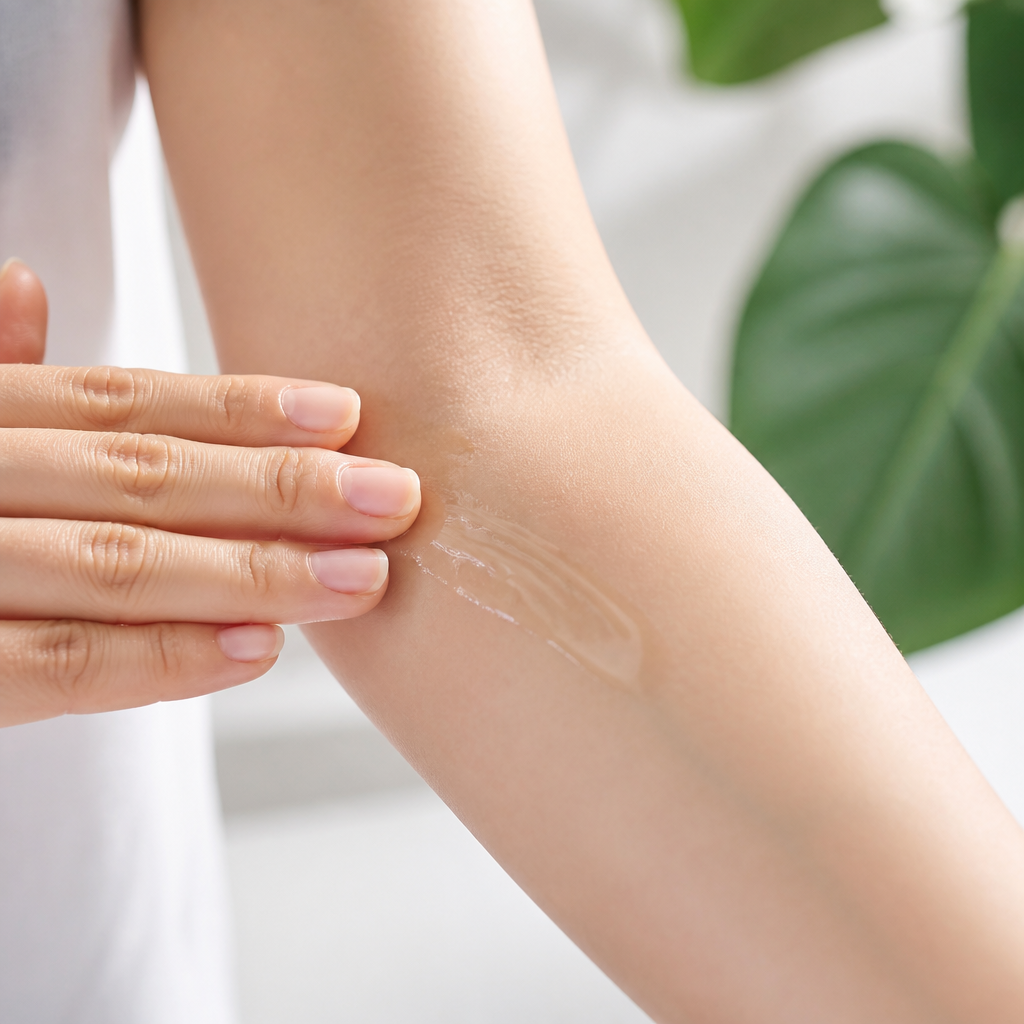
To stay safe, performing a patch test is always recommended. Simply apply a small amount of the product to a discreet area, like your inner forearm, and wait 24-48 hours to check for any irritation before applying it to your face. Snail mucin is generally considered safe, but performing a patch test is crucial to rule out potential allergic reactions, especially if you have sensitive skin. Some users may experience a temporary “purging” phase of increased breakouts during the first few weeks, which usually subsides as the skin adjusts. To avoid contamination, always purchase products from reputable brands with good manufacturing practices.
In summary, snail mucin has earned its place as a superstar ingredient. It offers deep hydration, anti-aging support, and healing properties suitable for many skin types, including those with acne. Discover how this ingredient can transform your routine, but remember that consistency and listening to your skin are the keys to unlocking its full potential for a healthier, more radiant complexion.
FAQ
Q1: What exactly is snail mucin and what are its main components?
A1: Snail mucin, or snail secretion filtrate, is a special goo that snails secrete naturally. It’s packed with beneficial ingredients like allantoin (for soothing), glycolic acid (a gentle exfoliator), hyaluronic acid (for hydration), zinc (good for breakouts), and copper peptides (for skin repair).
Q2: How does snail mucin help with skin hydration and anti-aging?
A2: Snail mucin helps hydrate your skin by acting like a magnet for water, drawing moisture in and strengthening your skin’s natural barrier to prevent water from escaping. For anti-aging, the glycolic acid and peptides in it can encourage your skin to produce more collagen, which can reduce the look of fine lines and wrinkles and make your skin feel more elastic and firm.
Q3: Can snail mucin be beneficial for acne-prone skin?
A3: Yes, it can! Snail mucin contains zinc, which has antibacterial properties to fight acne-causing bacteria, and allantoin, which helps reduce inflammation. Glycolic acid gently unclogs pores. Plus, it has a low comedogenic rating, meaning it’s unlikely to block your pores, making it suitable for acne-prone skin.
Q4: What is the recommended way to incorporate snail mucin into a skincare routine?
A4: You should typically apply snail mucin after cleansing and toning, but before any heavier creams or oils, following the “thinnest to thickest” rule. I usually use 2-3 drops of an essence or serum, gently patting it onto slightly damp skin until absorbed, both morning and night.
Q5: Are there any potential side effects or precautions to consider when using snail mucin?
A5: Snail mucin is generally very safe for most skin types. However, rare allergic reactions (like redness, itching, or hives) can occur, especially if you have allergies to mollusks or dust mites. It’s always a good idea to do a patch test first. Some people might also experience a temporary “purging” phase of breakouts in the first few weeks as their skin adjusts.

Hello! I’m Chloe Evans, a beauty enthusiast passionate about all things K-Beauty. Welcome to my blog, where I share honest reviews, essential skincare tips, and the latest Korean beauty trends. My goal is to help you build a simple yet effective routine for radiant, healthy skin. Join me on this journey to unlock your natural glow!