glass skin vs oily skin: 7 Key Differences for a Glow
I remember the frustration of looking in the mirror during high school, seeing my face shine like a disco ball by lunchtime. For years, I simply thought “shiny skin” meant “oily skin,” and I used every harsh product to try and ‘fix’ it. It wasn’t until I started diving deep into skincare that I learned about “glass skin,” a Korean beauty term describing a healthy, almost translucent radiance. This was a game-changer, helping me understand that not all shine is the same. Discover the real differences between glass skin and oily skin—this article will walk you through these distinctions, from how they look and feel to the personalized care routines that will help your skin thrive.
Key Differences Between Glass Skin and Oily Skin
Figuring out the difference between glass skin and oily skin goes beyond a quick glance; it’s about understanding what’s happening beneath the surface. While both can look bright and reflective, the type of brightness—whether it’s a well-managed glow or just too much oil—is what truly sets them apart.

glass skin vs oily skin differences
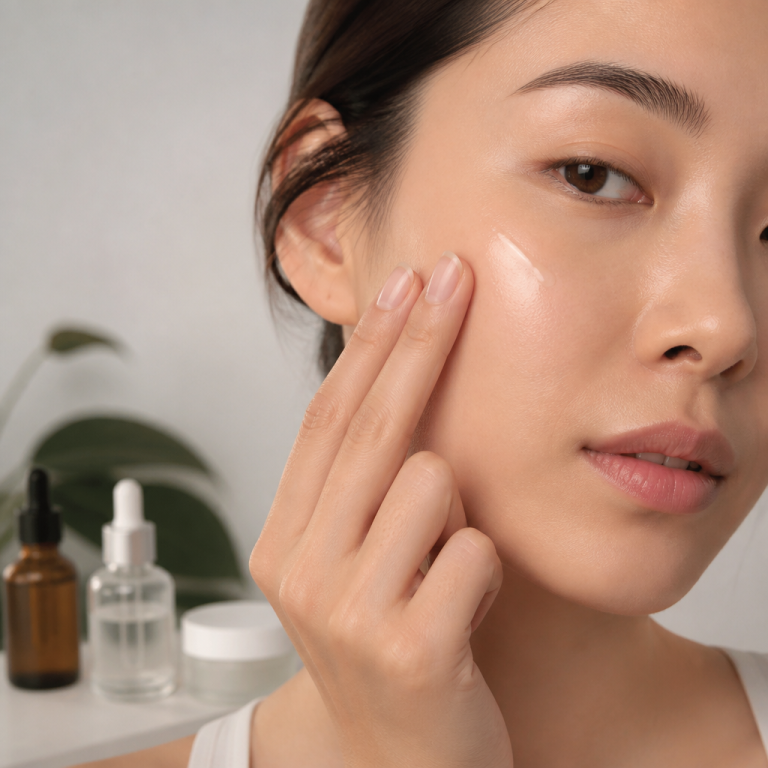
Glass skin is a K-beauty term for skin that looks incredibly luminous, poreless, and dewy, a look achieved through intense hydration and a careful layering of skincare. Oily skin is a natural skin type where sebaceous glands produce too much sebum (your skin’s natural oil), leading to a constant shine and a higher chance of breakouts. The core difference: glass skin is a beautiful look you work to achieve with specific products and steps, while oily skin is how your skin naturally behaves, often due to genetics or hormones. The glow from glass skin is a controlled, even radiance from hydration, while the shine from oily skin comes from excess oil sitting on the surface.
This table highlights the fundamental distinctions:
| Feature | Glass Skin (Achieved State) | Oily Skin (Skin Type) |
|---|---|---|
| Source of Shine | Deep, water-based hydration | Excess sebum (oil) production |
| Appearance | Even, luminous, translucent glow | Patchy, greasy shine, often in T-zone |
| Pore Size | Appears poreless or minimized | Visibly enlarged |
| Texture | Smooth, plump, bouncy | Slick, greasy, may feel heavy |
| Longevity | Glow is stable and long-lasting | Shine increases throughout the day |
Glass skin is about skin health first—it’s the result of a well-hydrated, balanced complexion, not just topical products creating shine. The goal is luminosity from within, not oil on the surface.
glass skin vs oily skin appearance
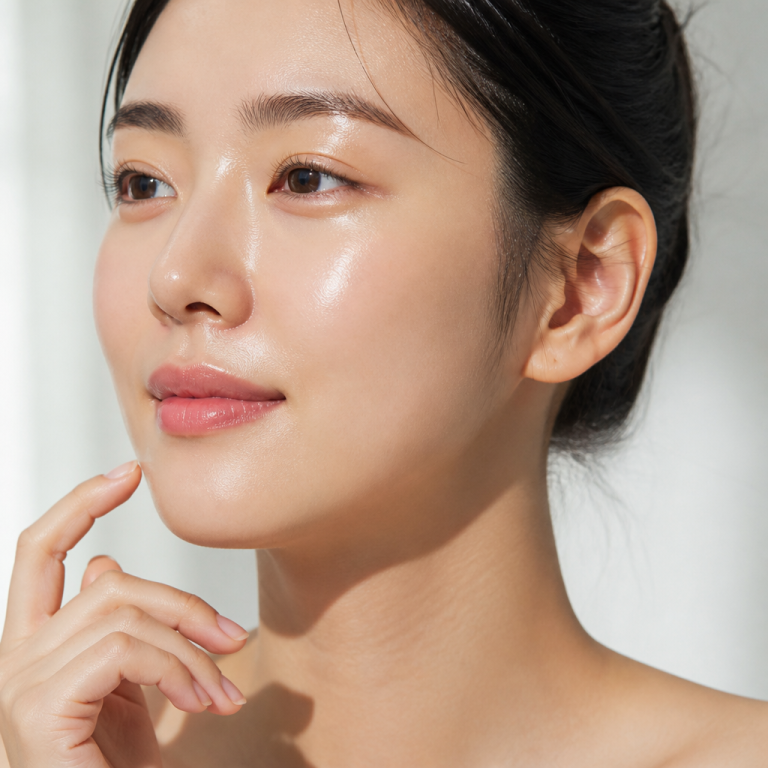
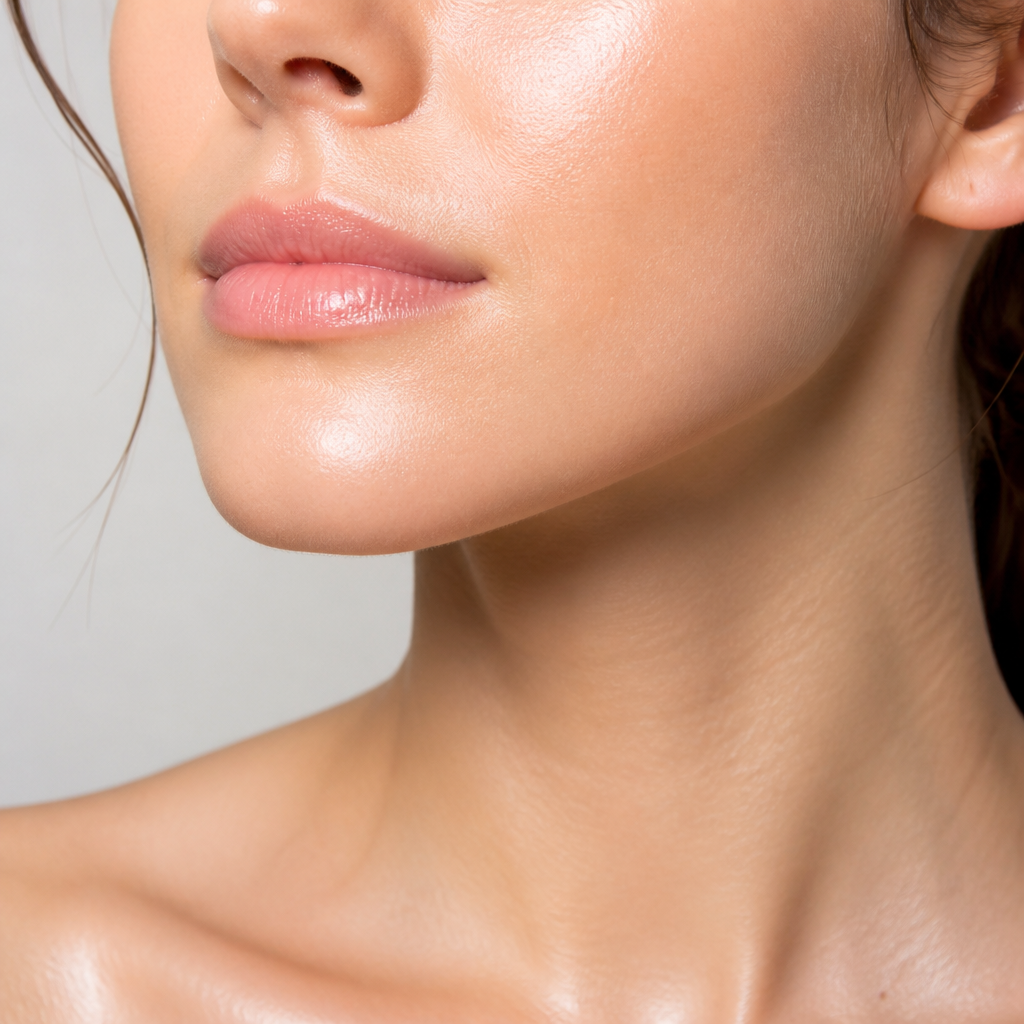
The visual differences between glass skin and oily skin are quite striking. Glass skin is known for its even, mirror-like reflection, showing very little texture and looking incredibly smooth and refined. This evenness is a key indicator of well-hydrated skin with a strong barrier. Oily skin, on the other hand, typically displays a patchy shine with visible texture and larger pores, especially in the T-zone.
A prominent feature of glass skin is its almost see-through quality, where light seems to reflect evenly from within. Oily skin reflects light in a less organized manner, bouncing off an oily film on the surface. Glass skin provides a perfect canvas for makeup, allowing products to blend seamlessly, while excess sebum on oily skin can cause makeup to slide off or separate within hours.
glass skin vs oily skin texture
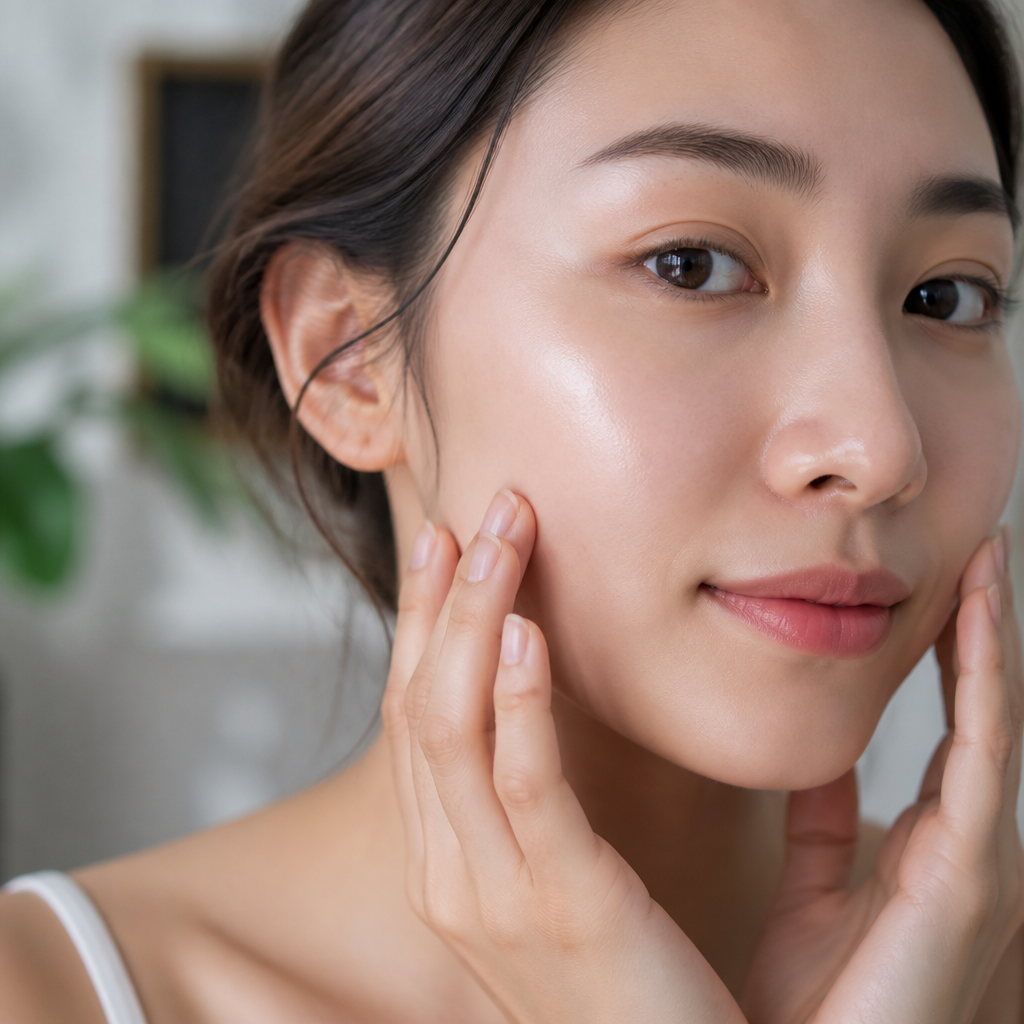
The way glass skin and oily skin feel to the touch reveals clear differences. Glass skin typically feels smooth, plump, and bouncy due to extensive hydration. This texture signifies a well-hydrated and resilient skin barrier. In sharp contrast, oily skin often feels slick and greasy, and it might even leave a residue on your fingers.
Glass skin’s texture is primarily a result of water-based hydration, which plumps skin cells and makes the surface smoother. Oily skin’s texture originates from a film of oil that can make it feel heavy. Interestingly, despite the oiliness, oily skin can still have a compromised barrier, leading to dehydration underneath the oily surface. This is why many individuals with oily skin experience tightness despite the shine.

how to tell if you have glass skin or oily skin
Determining your skin’s condition involves a combination of observation and simple tests. One of the easiest methods is the blotting paper test. Wash your face, wait 2-3 hours without applying any products, and then press blotting paper onto different areas. _Be sure to wait at least 2-3 hours after cleansing for an accurate reading._ If you have oily skin, the paper will likely reveal noticeable, almost translucent oil marks, especially from your T-zone, confirming excess sebum. If you have glass skin, the paper will show very little to no oil.
Another method is the bare-faced observation test. After washing your face, wait 30 minutes. If your skin feels comfortable and balanced, it’s closer to a well-hydrated state. If you notice visible shine appearing within that time, it’s a strong indicator of oily skin. Finally, examine your pore size. Glass skin is characterized by nearly invisible pores, while oily skin typically displays visibly enlarged pores, especially in the T-zone.
What’s the Right Skincare for Glass Skin vs. Oily Skin?
Creating an effective skincare routine hinges on understanding your skin’s specific needs. The approaches to achieving glass skin and managing oily skin are quite different, focusing on distinct priorities and products.
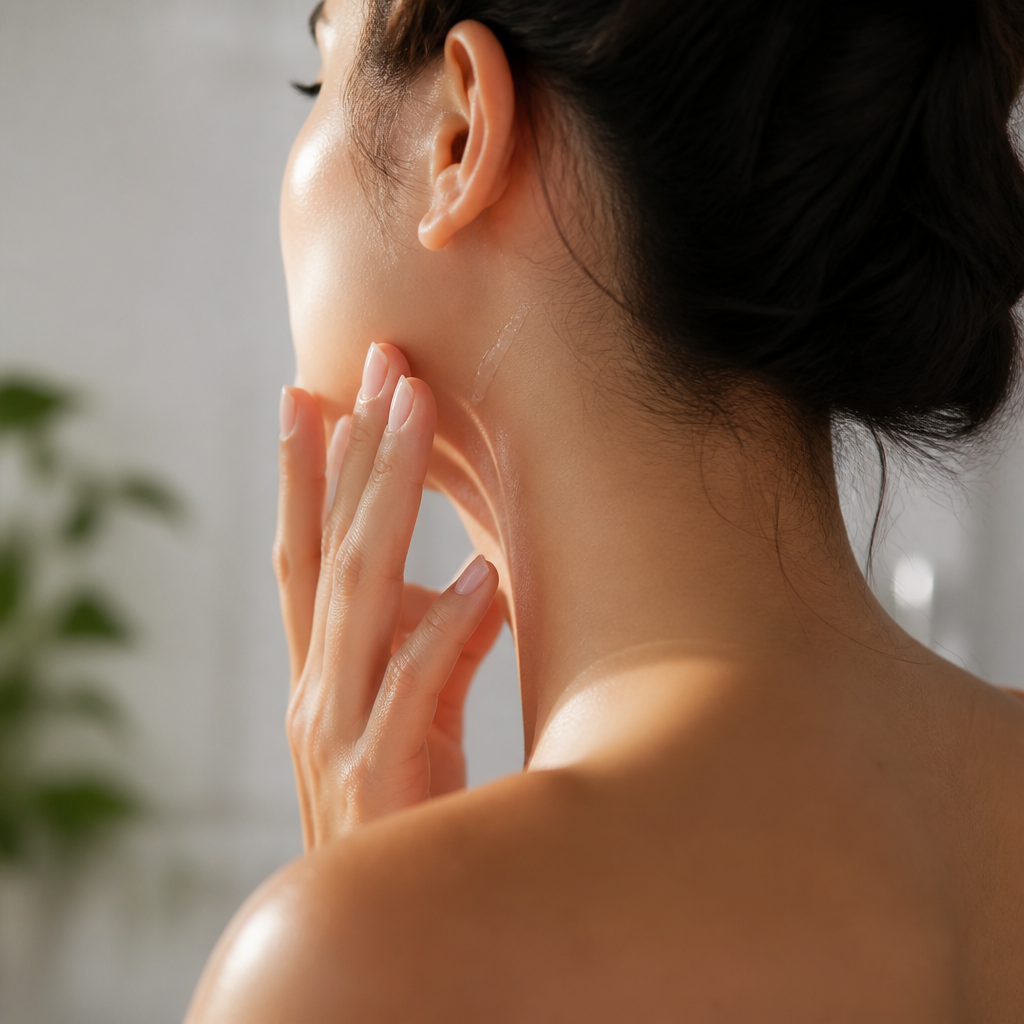
glass skin vs oily skin care routine
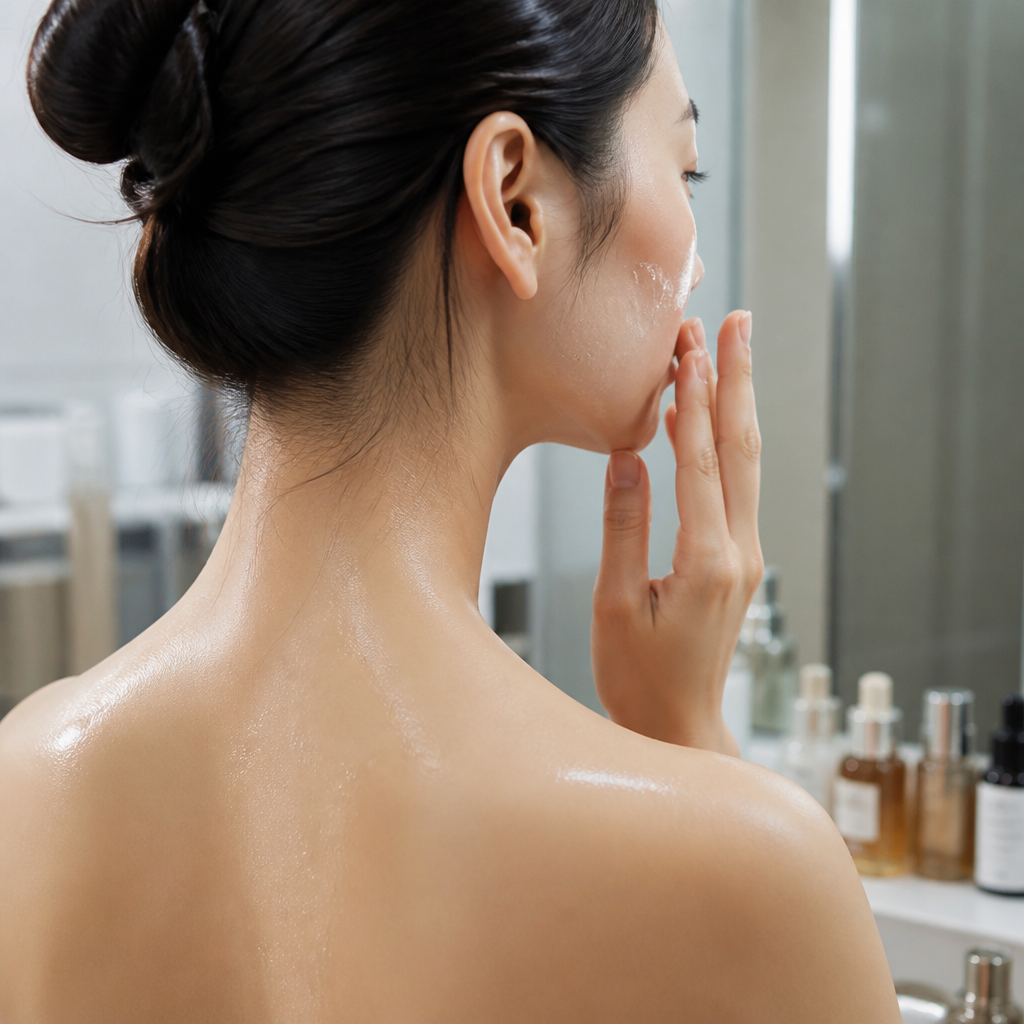
The fundamental structure of these skincare routines differs significantly. A glass skin routine often concentrates on layering multiple hydrating products, while an oily skin routine primarily focuses on oil control and lightweight hydration. The glass skin routine typically involves 7-10 steps to saturate the skin with moisture, including double cleansing, essences, serums, and occlusive moisturizers. The oily skin routine is more streamlined, with 5-7 steps focused on managing excess oil with ingredients like salicylic acid and using lightweight, gel-based lotions.
A key difference is the use of essences and hydrating toners. A glass skin routine prioritizes layering these to build deep moisture. Conversely, an oily skin routine emphasizes chemical exfoliants like AHAs and BHAs and shine-reducing toners to control oil and prevent clogged pores. It’s important not to over-layer products, as this can sometimes compromise the skin barrier and cause sensitivity.
best products for glass skin vs oily skin
Choosing the right products is paramount.
- For Glass Skin: Products include hydrating essences, hyaluronic acid serums, rich moisturizers, and luminizing primers. Key ingredients are hyaluronic acid, glycerin, ceramides, niacinamide, and snail mucin, which work together to plump, hydrate, and refine the skin. Textures are often watery, gel-cream hybrids, or facial oils used as a final step.
- For Oily Skin: The focus shifts to oil-free cleansers, BHA exfoliants, mattifying moisturizers, and oil-controlling primers. Essential ingredients include salicylic acid, niacinamide, zinc PCA, and retinoids to regulate oil and refine pores. Products are typically gel cleansers, lightweight serums, and oil-free moisturizers that absorb quickly without a greasy feel.
Even SPF selection differs. A glass skin routine often incorporates dewy, hydrating sunscreens to enhance radiance, while oily skin benefits from mattifying, oil-free sunscreens that offer protection without adding shine.
achieving glass skin with oily skin
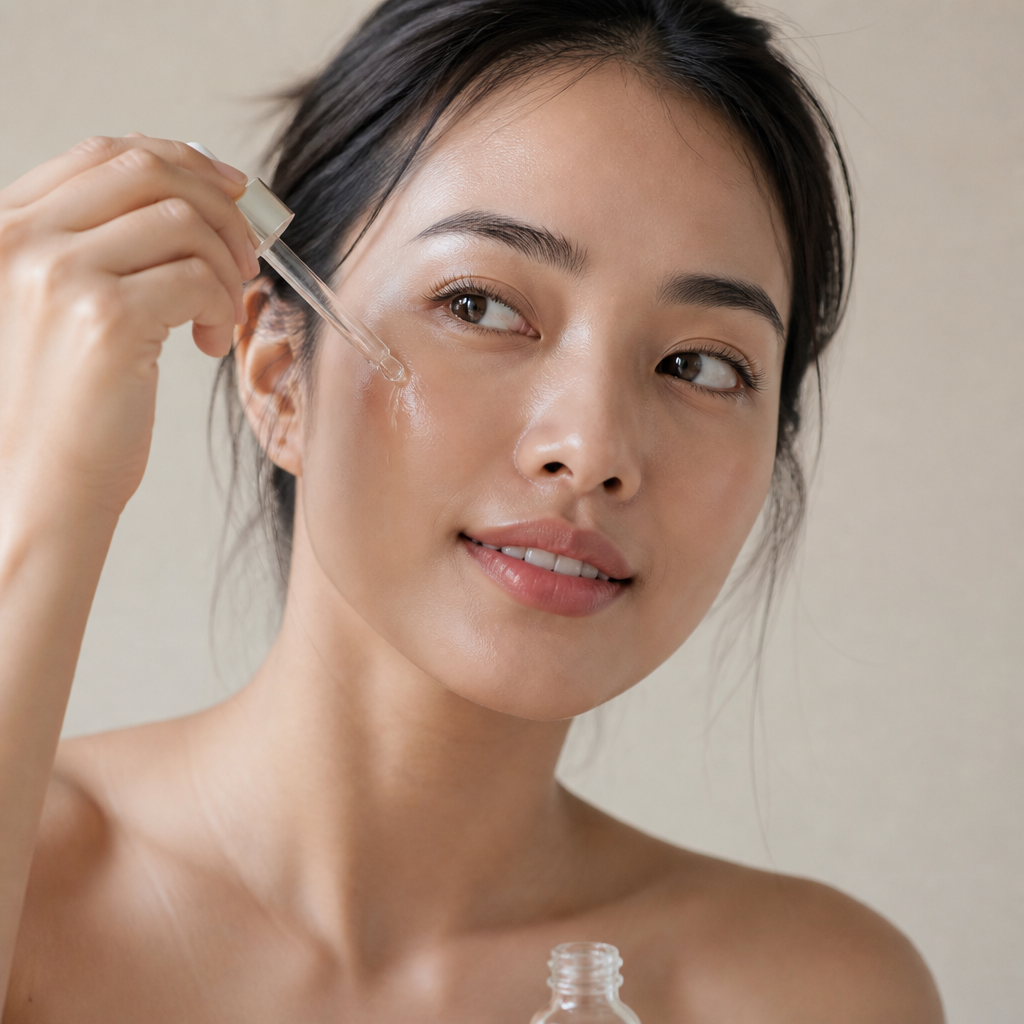
Achieving a luminous complexion is attainable for those with an oily skin type; it just requires a strategic plan that balances deep hydration with effective oil management. The primary strategy involves using lightweight, water-based hydrating products that supply your skin with essential moisture without introducing any additional oil. This is complemented by the smart use of oil-regulating ingredients to manage excess shine.
Here is a step-by-step method for oily skin to achieve glass skin:
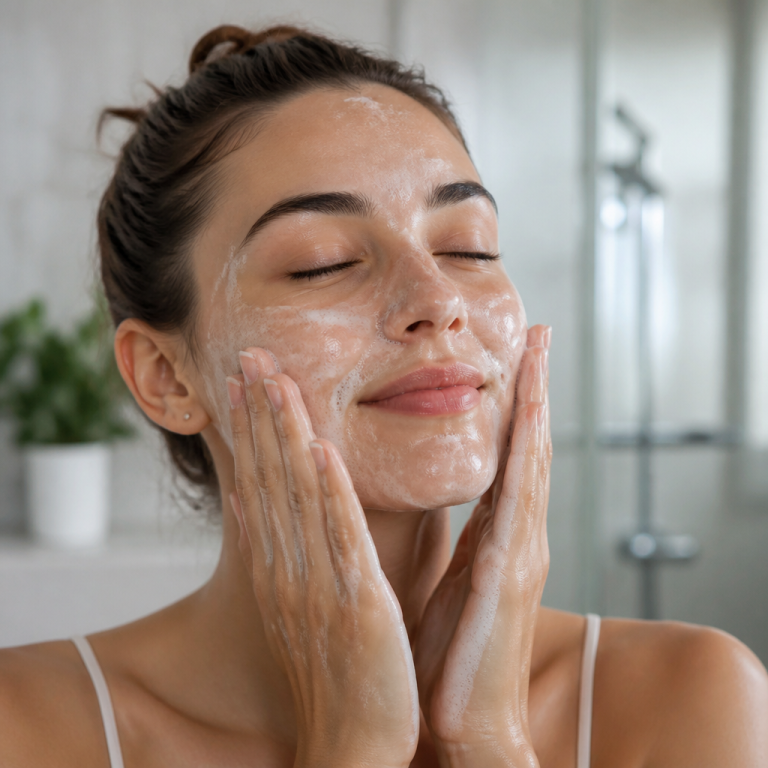
- Double Cleanse: Start with a lightweight oil cleanser to dissolve makeup and excess oil, followed by a gentle, water-based cleanser.
- Exfoliate Gently: Incorporate a BHA toner 2-3 times a week to keep pores clear and minimize their appearance. _Over-stripping the skin can trigger more oil production as a compensatory response._
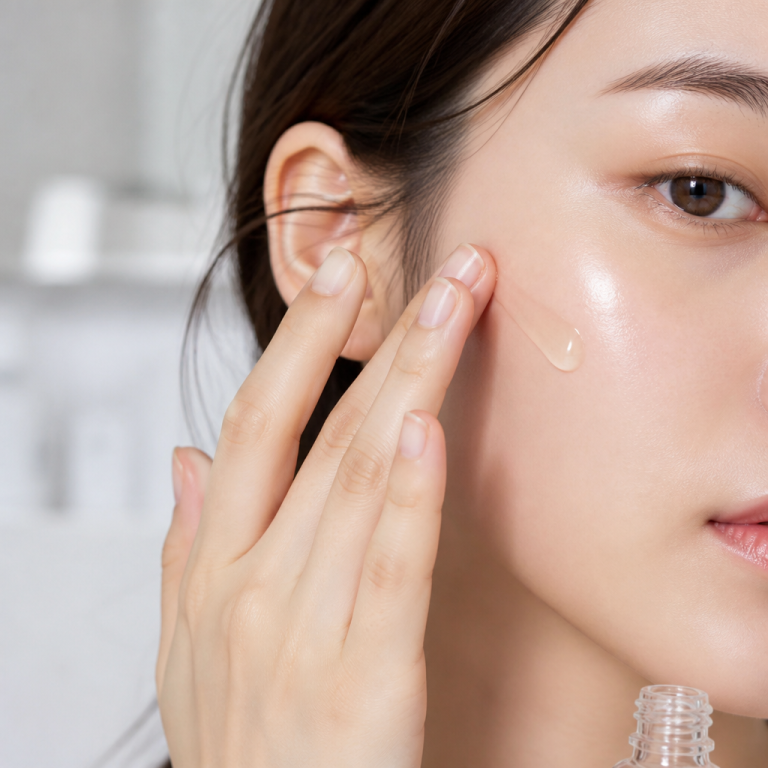
- Layer Lightweight Hydration: Apply 3-5 thin layers of a hydrating toner to build moisture deep within the skin.
- Use Targeted Serums: Apply oil-free serums rich in niacinamide and hyaluronic acid for both hydration and oil control.
- Seal with a Gel Moisturizer: Finish with a gel-based moisturizer to lock in moisture without feeling heavy or greasy.
A common mistake to avoid is over-cleansing or using harsh, stripping products, which can trigger more oil production. Oily skin still needs hydration—the key is choosing the right kind.
Oily skin can absolutely achieve glass skin—it’s about retraining your skin. Use lightweight hydrators to satisfy your skin’s moisture needs so it stops overproducing oil. Combine this with actives like niacinamide and retinoids to refine pores and regulate sebum. The result is controlled luminosity, not uncontrolled shine.

Hello! I’m Chloe Evans, a beauty enthusiast passionate about all things K-Beauty. Welcome to my blog, where I share honest reviews, essential skincare tips, and the latest Korean beauty trends. My goal is to help you build a simple yet effective routine for radiant, healthy skin. Join me on this journey to unlock your natural glow!