korean skincare vs american: 2 Paths to Healthier Skin
Navigating the world of skincare can feel like a maze, especially with the vast differences in cultural approaches. K-beauty's meticulous, layered philosophy presents a fascinating contrast to the direct, problem-solving methods common in American brands. It's remarkable how two cultures have developed such unique paths to achieving healthy, glowing skin. This article explores these two systems, drawing from established research and expert insights, to help you discover your skin’s perfect match.
What is the Core Philosophy and Approach?
The fundamental beliefs and methods behind skincare practices significantly shape the products and routines that emerge from different regions. Korean and American skincare, while both striving for healthy skin, often diverge in their underlying philosophies and how they approach skin health.
Korean Skincare vs. American Philosophy
Korean skincare, or K-beauty, is built on a philosophy that strongly emphasizes prevention, hydration, and achieving a luminous, dewy complexion often called "glass skin." This approach views skincare as a long-term investment and a delightful form of self-care, focusing on maintaining the skin's health before problems arise. K-beauty routines are typically multi-step, focused on nurturing the skin's natural protective barrier. This holistic perspective is deeply rooted in Korean cultural values that prioritize preventative care and the belief that healthy skin requires consistent, gentle nurturing.
Korean skincare is about maintaining skin health before problems arise, while Western skincare often waits until there's an issue to address.
— Dr. Charlotte Cho, licensed esthetician and Korean skincare authority
This proactive stance builds skin resilience and vitality over time, rather than just reacting to existing concerns. The global acceptance of this philosophy is evident in market trends, with the K-beauty market valued at $10.2 billion in 2022 and projected to reach $21.08 billion by 2030.
In contrast, American skincare has traditionally prioritized treating existing skin problems with powerful "active" ingredients and efficiency. The prevailing philosophy tends to be more reactive, aiming for quick results and problem-solving. American routines are typically more streamlined, emphasizing potent ingredients designed to target specific issues like acne or wrinkles. While preventative care is gaining traction, the historical emphasis has been on corrective measures that deliver visible changes in a shorter timeframe. While both philosophies ultimately seek to improve skin health, their pathways differ significantly, with K-beauty championing a gentle, layered, preventative strategy and American skincare often favoring a more targeted, potent, and corrective approach.
Korean Skincare vs. American Skincare Routines
The daily skincare routines in Korea and America present a stark contrast in complexity and methodology. Korean skincare routines are renowned for their extensive, multi-step nature, designed to layer various products for maximum benefit and hydration. The layering technique is crucial, with products applied from the thinnest to the thickest consistency to ensure optimal absorption of each ingredient. This "maximalism" approach allows for a highly customized routine, where each step addresses a specific skin need. A 2021 dermatological study found that multi-step hydration-focused routines showed a 34% improvement in skin barrier function over eight weeks, compared to an 18% improvement with more minimal, active-focused routines.
Conversely, American skincare routines generally adopt a more minimalist approach, often averaging 3-5 steps. The "skinimalism" trend promotes minimal steps using multifunctional products. American routines prioritize powerful active ingredients, aiming to address specific concerns efficiently with fewer products. The American emphasis on efficiency and potent, concentrated formulas means fewer steps are often deemed sufficient to deliver desired results.
| Feature | Korean Skincare Routine | American Skincare Routine |
|---|---|---|
| Philosophy | Maximalism, Layering, Prevention | Minimalism, Efficiency, Correction |
| Average Steps | 10-12 | 3-5 |
| Core Focus | Hydration and Barrier Support | Targeted Treatment |
| Key Steps | Double cleanse, essence, serum, sheet mask | Cleanse, treat, moisturize, protect |
What are the Key Differences in Ingredients and Formulations?
The choice and concentration of ingredients are pivotal in defining the character and efficacy of skincare products. Korean and American skincare traditions have developed distinct preferences and approaches to ingredient selection and formulation, reflecting their underlying philosophies.
Korean Skincare vs. American Ingredients
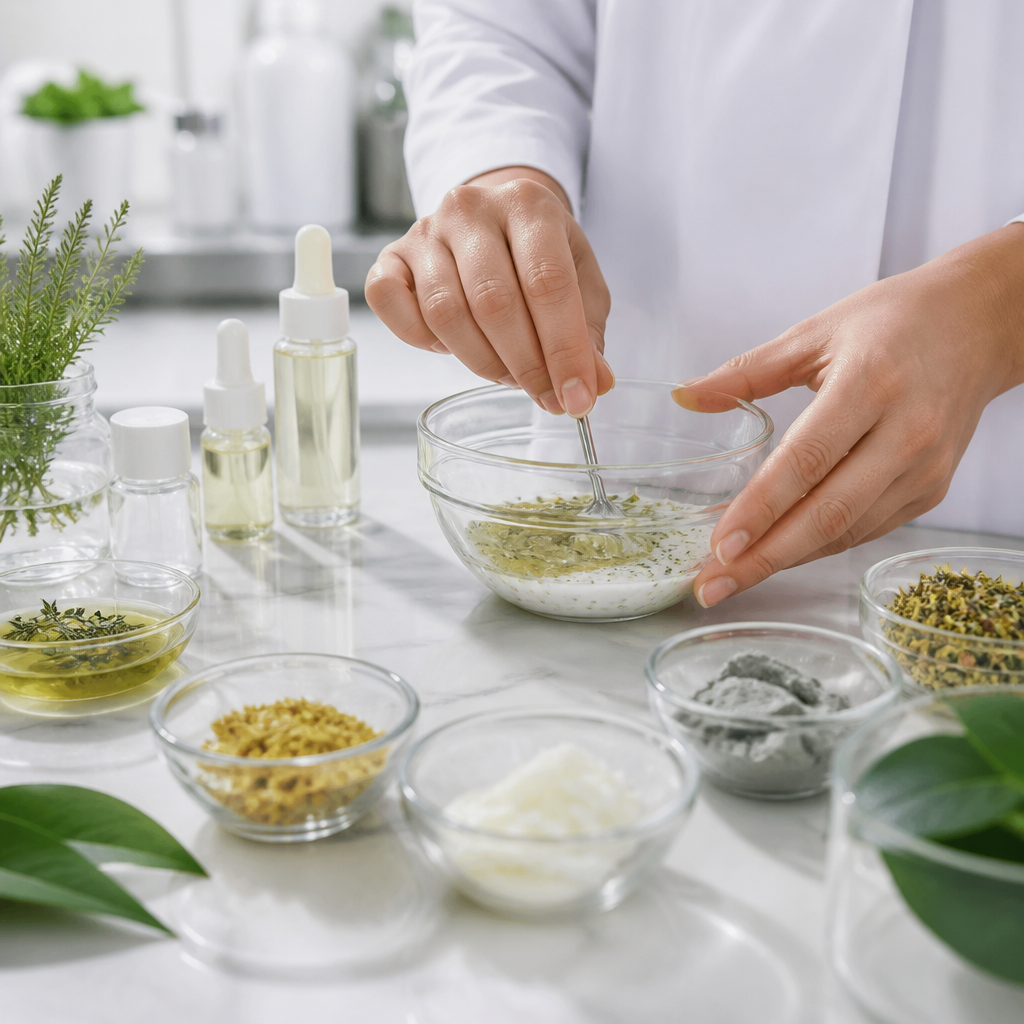
Korean skincare formulations often prioritize natural, gentle ingredients known for their soothing, hydrating, and reparative properties. Common Korean ingredients include snail mucin, centella asiatica (cica), ginseng, rice water, and various fermented extracts. Snail mucin, for example, is highly valued for its ability to promote hydration and repair, as evidenced by a 2022 study in the International Journal of Cosmetic Science. Propolis and fermented ingredients are also used for their antibacterial and nutrient-rich profiles. Korean products tend to feature a greater number of ingredients per formulation, focusing on synergistic blends—meaning ingredients work together to achieve cumulative, gentle effects.
In contrast, American skincare typically emphasizes clinically-proven active ingredients at higher, treatment-level concentrations. Staples in American formulations include retinoids, vitamin C, alpha hydroxy acids (AHAs), beta hydroxy acids (BHAs), and peptides. American products often highlight a single "hero" active ingredient, focusing on its specific efficacy in addressing a particular concern. The regulatory context also plays a role; Korea's Ministry of Food and Drug Safety (MFDS) has stricter pre-market approval requirements for "functional cosmetics" that make whitening or anti-wrinkle claims compared to the FDA in the US.

Korean Skincare vs. American Anti-Aging Approaches
The strategies employed for anti-aging in Korean and American skincare reflect their broader philosophical differences. Korean anti-aging strategies are largely preventative, emphasizing the maintenance of youthful skin through consistent hydration, rigorous sun protection, and antioxidants, often starting in your 20s. The core belief is that by preventing damage and supporting skin health early on, the visible signs of aging can be significantly delayed. The goal is to preserve the skin's natural resilience and barrier function, allowing it to age gracefully.
Conversely, American anti-aging typically emphasizes the correction of existing signs of aging using potent active ingredients and procedures, with interventions commonly starting in your 30s or 40s. The "gold standards" include prescription retinoids like tretinoin, high-concentration vitamin C serums, and in-office procedures like Botox and laser treatments. A 2023 clinical trial compared these approaches, finding that the preventative method improved skin texture and fine lines, while the retinoid approach showed a more significant reduction in established wrinkles. This suggests that _while prevention is beneficial, retinoids may offer more pronounced corrective effects on established wrinkles._
Product Comparisons
Beyond philosophical differences, the actual products available in Korean and American markets showcase distinct characteristics in terms of innovation, formulation, and consumer experience. These differences extend to specific product categories like moisturizers and sunscreens.
Korean Skincare vs. American Products
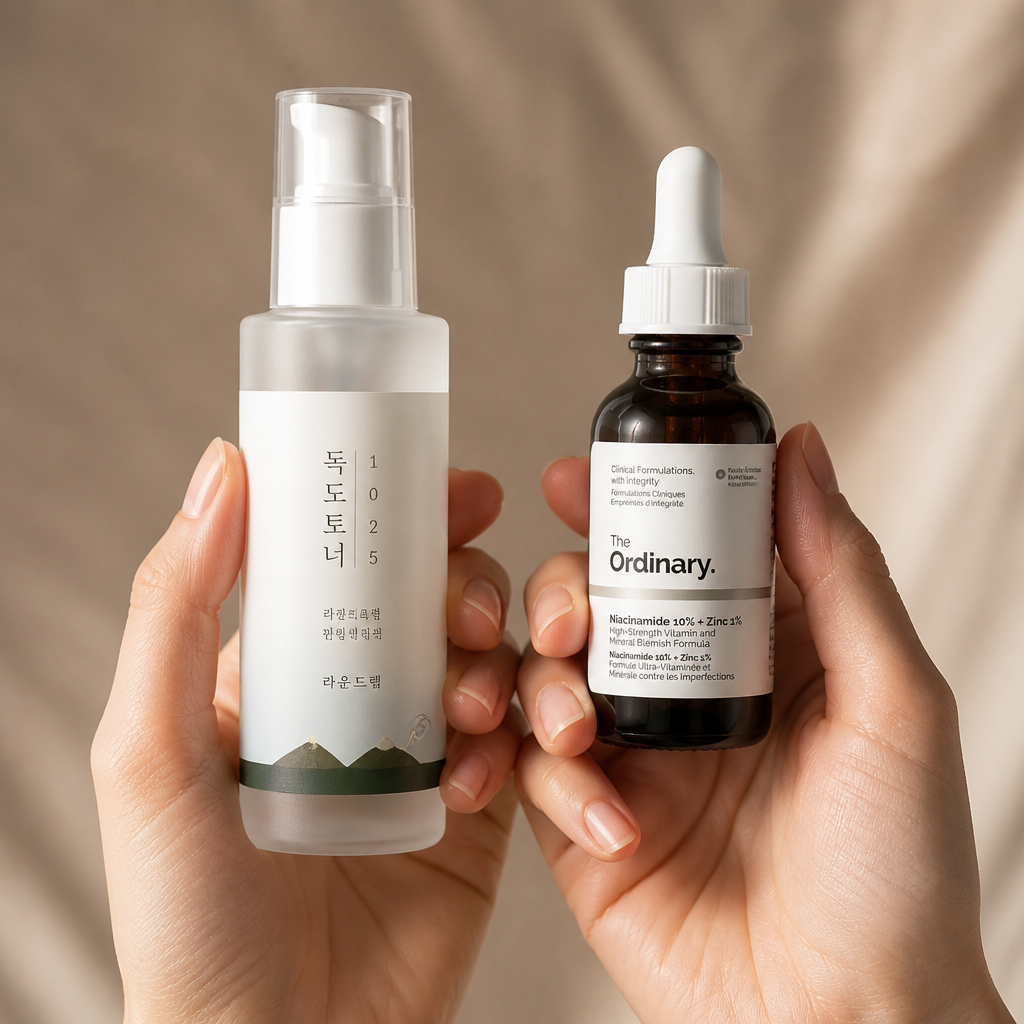
Korean skincare products are widely recognized for their innovative formats, gentle formulations, aesthetically pleasing packaging, and often more accessible pricing. K-beauty brands frequently introduce novel product categories that have since gained international popularity. These unique formats include:
- Essences: Watery hydrating steps applied between toner and serum.
- Ampoules: Highly concentrated serums for targeted concerns.
- Sheet Masks: Single-use masks for intensive treatment.
- Sleeping Masks: Thick overnight treatments for deep hydration.
- Cushion Compacts: Foundation with SPF in a convenient format.
- Cleansing Balms: Effective oil-based cleansers for makeup removal.
The emphasis is often on creating a delightful and effective user experience. Korean functional cosmetics, which make claims like whitening or anti-wrinkle, must undergo efficacy testing and receive approval from the Ministry of Food and Drug Safety (MFDS).
In contrast, American skincare products tend to focus on clinical efficacy, often featuring dermatologist-tested claims and more straightforward packaging. American skincare strengths lie in its robust offering of prescription-strength options and a strong presence of dermatologist-developed brands.
Korean brands excel at innovation and making skincare enjoyable, which increases compliance, while American brands lead in clinical-grade formulations—the ideal routine often combines both approaches.
— Caroline Hirons, skincare expert
Korean Skincare vs. American Moisturizers
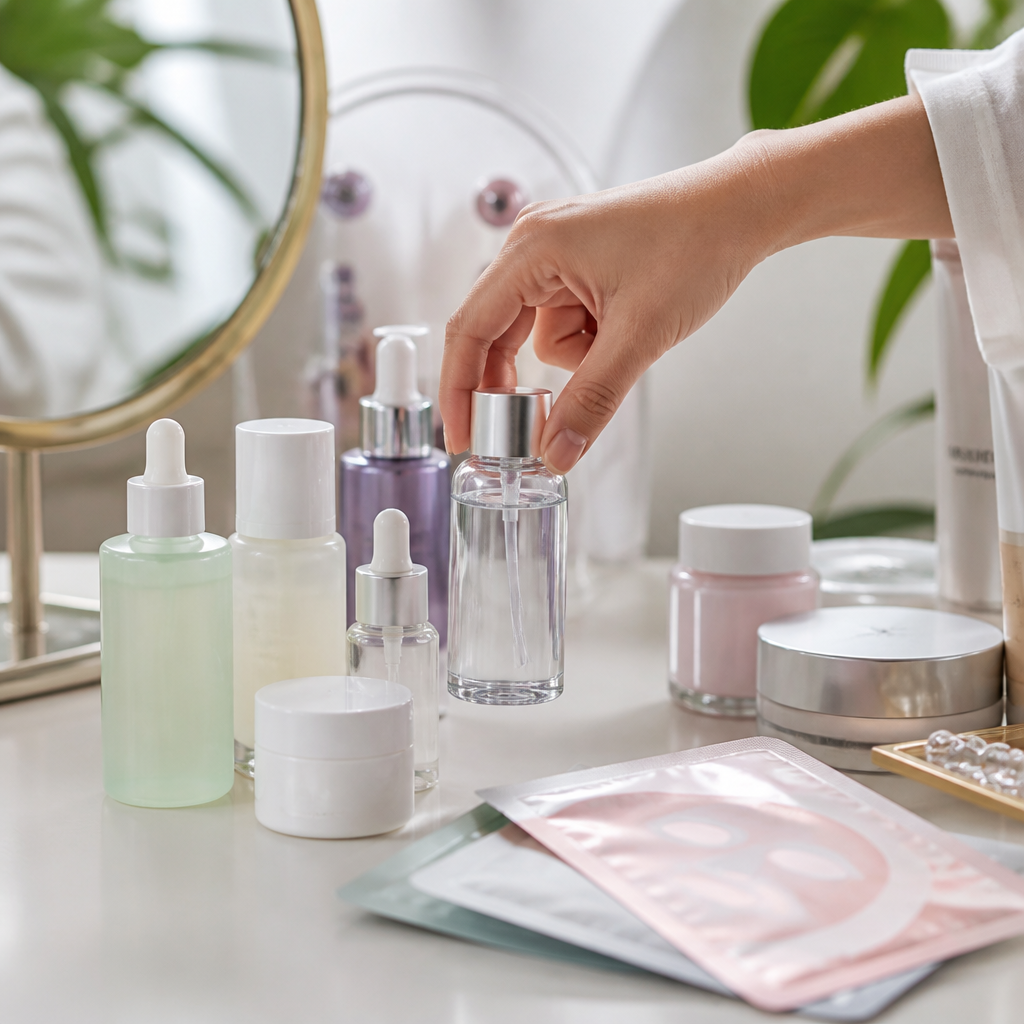
Korean moisturizers often prioritize lightweight, gel-based, or water-cream textures, designed to provide hydration without feeling heavy. They commonly feature humectants like hyaluronic acid and glycerin to draw moisture into the skin, aiming for a dewy, plump finish. These formulations are designed to be layered effectively within a multi-step routine. Best-selling examples include the Laneige Water Sleeping Mask and Belif The True Cream Aqua Bomb.
American moisturizers, on the other hand, frequently feature richer, cream-based formulations that incorporate occlusives like petrolatum and emollients to focus on barrier repair, often aiming for a matte or satin finish. American moisturizers are typically tailored to specific skin concerns, such as day creams with SPF or night creams infused with retinol. Key ingredients often include ceramides, niacinamide, and peptides. Top American moisturizers include CeraVe Moisturizing Cream and Neutrogena Hydro Boost.

Korean Skincare vs. American Sunscreen
The differences between Korean and American sunscreens are particularly pronounced, largely due to regulatory landscapes. Korean sunscreens are highly regarded for their use of advanced chemical UV filters that offer broad-spectrum and photostable protection. These filters are incorporated into cosmetically elegant formulations that absorb quickly, leave no white cast, and provide superior UVA protection (indicated by a PA++++ rating). Notably, _the FDA has not approved any new sunscreen filters since 1999_, despite significant innovations in Europe and Asia.
This limitation can result in American formulations that may feel heavier on the skin or offer less cosmetically elegant textures. The FDA regulates sunscreens as over-the-counter drugs, requiring SPF testing but without a standardized UVA rating system like Korea's. *A 2023 study in Photochemistry and Photobiology compared UVA protection, finding that Korean PA++++ sunscreens provided an average UVA-PF (protection factor) of 16-20, while American broad-spectrum SPF 50 sunscreens ranged from 8-14, suggesting superior UVA defense in Korean products.* The discovery of a lightweight Korean sunscreen can be a game-changer for daily SPF use, making it feel less like a chore and more like a refreshing step in a routine.
In conclusion, both Korean and American skincare traditions offer valuable approaches to skin health. Korean skincare champions a preventative, hydration-focused routine, while American skincare prioritizes a corrective, efficient approach with potent actives. The ideal skincare journey isn't about choosing one over the other, but rather picking the best elements from both worlds to tailor a routine that truly suits your unique skin needs, lifestyle, and preferences.
FAQ
Q1: What is the main philosophical difference between Korean and American skincare?
A1: Korean skincare primarily emphasizes prevention, hydration, and achieving a dewy "glass skin" complexion through multi-step routines that focus on long-term skin barrier health. American skincare traditionally prioritizes the treatment of existing problems with active ingredients, focusing on efficiency and quick results.
Q2: How do Korean and American skincare routines typically differ in terms of steps?
A2: Korean skincare routines are known for their extensive nature, often involving 10-12 steps including double cleansing, essences, serums, and sheet masks, with products layered from thinnest to thickest. American routines are generally more streamlined, averaging 3-5 steps that focus on cleansing, treating, moisturizing, and protecting, often following a "skinimalism" trend (minimal skincare steps with multifunctional products).
Q3: What types of ingredients are commonly found in Korean versus American skincare products?
A3: Korean skincare often features natural and gentle ingredients like snail mucin, centella asiatica (cica), ginseng, and fermented extracts, focusing on synergistic blends. American skincare typically emphasizes clinically-proven active ingredients at higher concentrations, such as retinoids (Vitamin A derivatives), vitamin C, AHAs/BHAs (exfoliants), and peptides, often highlighting a single "hero" active.
Q4: What are the key differences in anti-aging approaches between Korean and American skincare?
A4: Korean anti-aging focuses on prevention, starting in your 20s, through rigorous sun protection, intensive hydration, and antioxidants to maintain youthful skin. American anti-aging tends to emphasize correction of existing signs, typically starting in your 30s-40s, using potent actives like retinoids and chemical peels, and often incorporating in-office procedures like Botox or fillers.
Q5: Why are Korean sunscreens often preferred for their texture compared to American sunscreens?
A5: Korean sunscreens utilize advanced chemical UV filters (like Tinosorb S and M, Uvinul A Plus) that are not yet FDA-approved in the US, allowing for lightweight, cosmetically elegant formulations that absorb quickly and leave no white cast. American sunscreens are limited to a smaller set of FDA-approved filters, which can sometimes result in heavier textures or a visible white cast, though they are still highly effective at protection.

Hello! I’m Chloe Evans, a beauty enthusiast passionate about all things K-Beauty. Welcome to my blog, where I share honest reviews, essential skincare tips, and the latest Korean beauty trends. My goal is to help you build a simple yet effective routine for radiant, healthy skin. Join me on this journey to unlock your natural glow!