why is korean skincare so good: 10 Steps to Radiant Skin
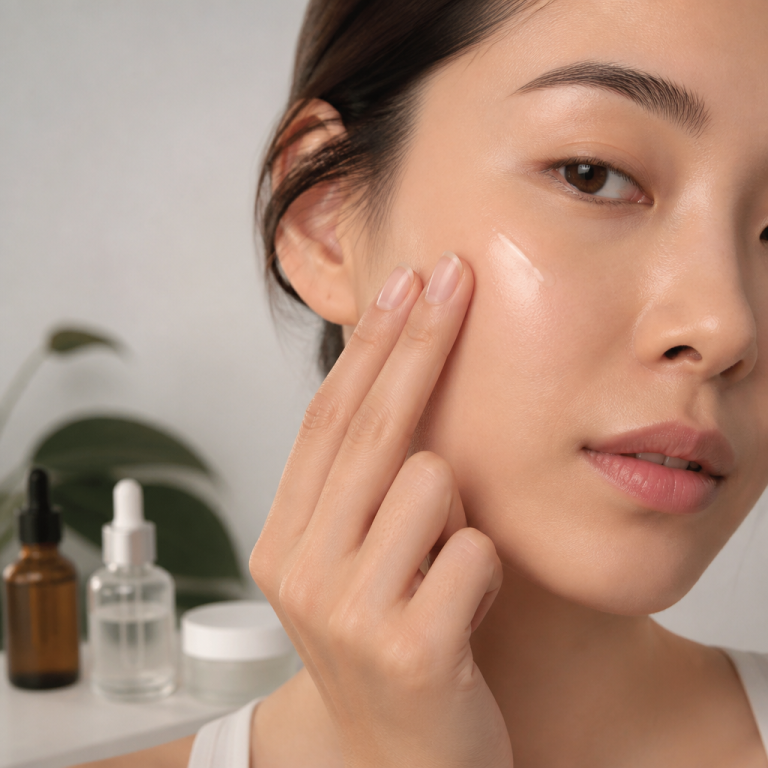
Not too long ago, my skin felt perpetually dull, uneven, and just… lackluster. I’d tried all sorts of quick fixes and harsh scrubs, but nothing truly worked. Then, my friend Min-ji introduced me to Korean skincare. I thought her 10-step routine was a bit much at first, but seeing her radiant, "glass skin" made me curious. What started as a skeptical dip into a double cleanse slowly transformed my complexion. It wasn't just about products; it was a whole new philosophy of nurturing and respect. Discover why Korean skincare isn't just a trend but a deeply effective approach rooted in cultural wisdom, innovative ingredients, and a commitment to genuine skin health.
The Foundation of Korean Skincare: Philosophy and Cultural Roots
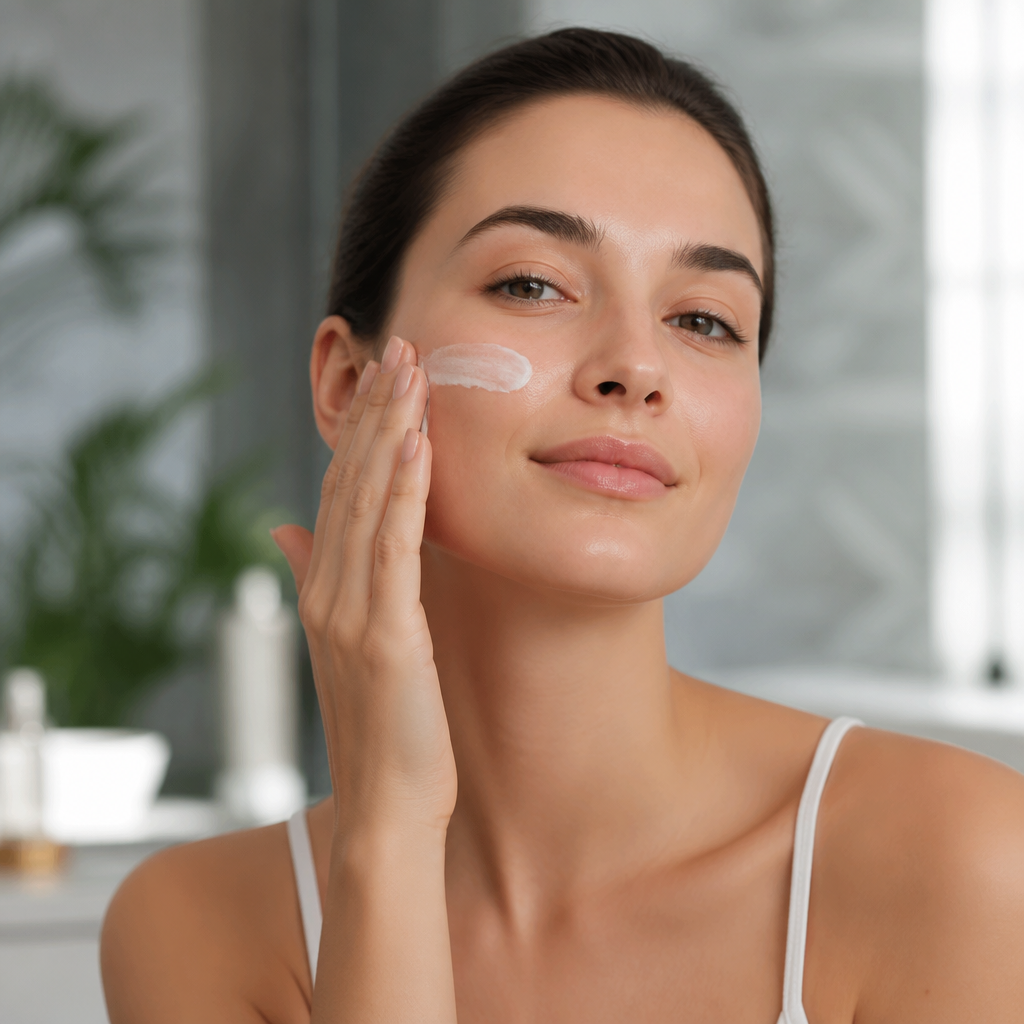
Korean skincare goes beyond a mere routine; it's a philosophy deeply embedded in the culture that emphasizes a holistic and preventative approach to skin health. This perspective treats skincare as a long-term investment rather than a quick fix, prioritizing consistent daily care and gentle, layered treatments to maintain the skin's optimal condition.
Korean skincare philosophy and culture
The core of Korean skincare philosophy centers on prevention over correction. This means focusing on maintaining skin health and addressing potential issues before they become significant concerns. It's viewed as a long-term investment, requiring consistent daily care and the application of gentle, layered treatments. This proactive approach genuinely shifts your mindset from reacting to problems to actively caring for your skin daily.
Culturally, the concept of "chok-chok" is central. This term describes skin that is dewy, plump, and naturally radiant. These practices trace back centuries, with roots in the Joseon Dynasty where natural ingredients like rice water, ginseng, and green tea were staples. A key indicator of this cultural priority is the "skin first, makeup second" mantra prevalent in Korea. Underlying this approach is the principle of "Jeong-seong," which translates to sincerity or devotion. This concept views skincare not merely as a superficial act but as a profound act of self-care and respect for one's body.
Korean skincare is rooted in the belief that healthy skin is beautiful skin. It's not about covering up flaws but nurturing your skin to its best condition.
— Dr. Charlotte Cho, licensed esthetician and founder of Soko Glam
What Makes Korean Skincare Different from Western Skincare?
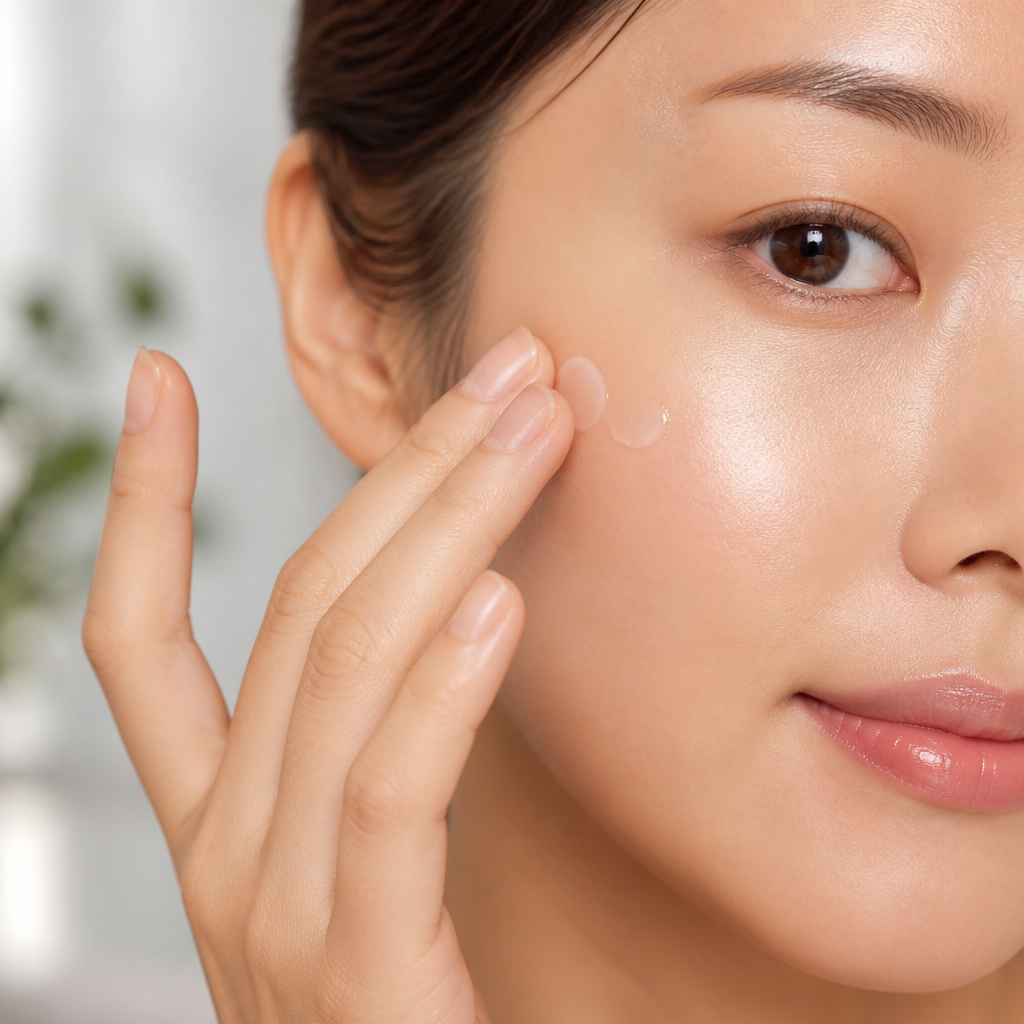
Korean skincare distinguishes itself from Western approaches through its preventative focus, multi-step layering philosophy, and a strong emphasis on hydration. These differences shape both the products and the routines themselves.
| Feature | Korean Skincare | Western Skincare |
|---|---|---|
| Philosophy | Prevention-focused, long-term health | Correction-focused, quick results |
| Routine Steps | 7-10 steps, layering for hydration | 3-5 steps, often single, potent products |
| Product Texture | Lightweight, layerable (essences, serums) | Richer, all-in-one formulations |
| Key Ingredients | Natural, fermented (snail mucin, ginseng) | Synthetic actives, prescription-strength |
| Innovation Cycle | Rapid (3-6 months) | Slower (12-18 months) |
_While Western skincare often seeks more potent, singular solutions, this can sometimes lead to irritation for sensitive skin types._ This difference in approach highlights the Korean preference for gentle, consistent care.
Why Is Korean Skincare So Good for Your Skin?
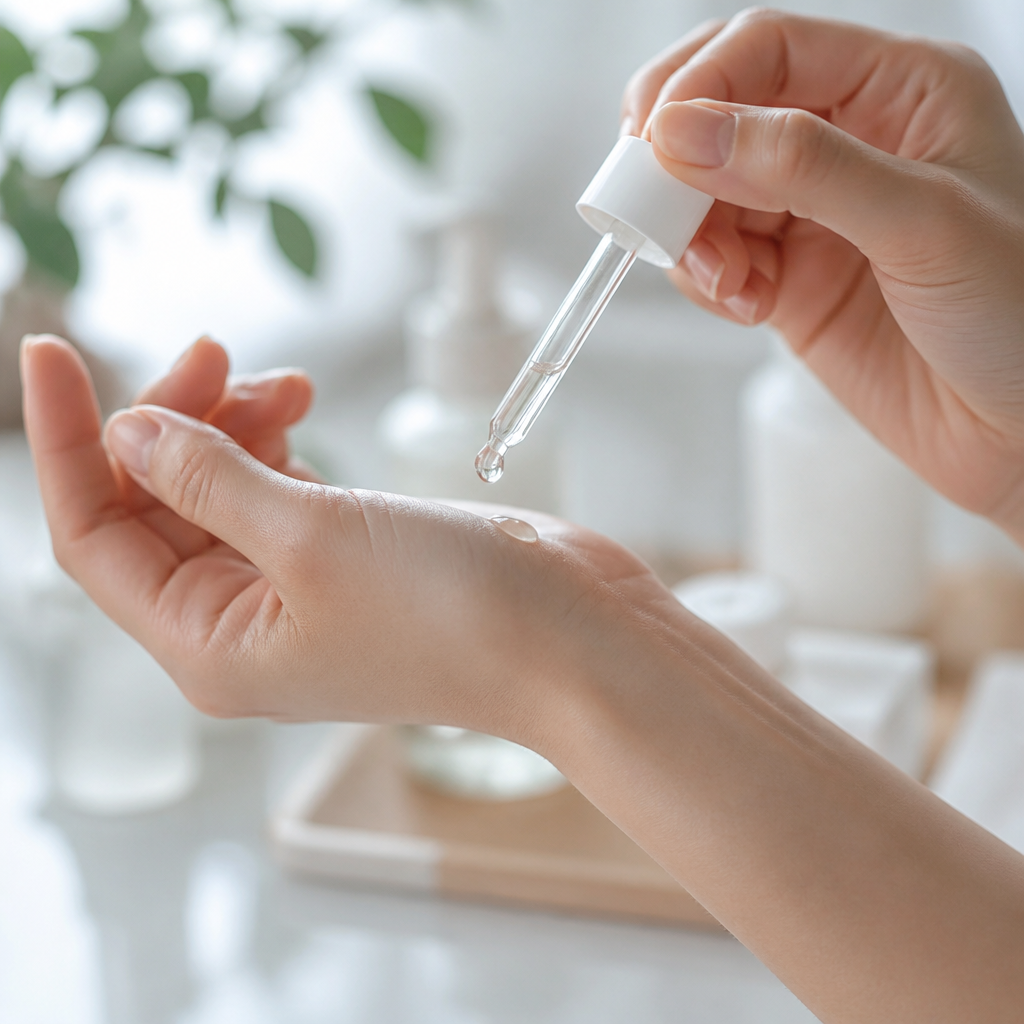
The effectiveness of Korean skincare largely stems from its comprehensive approach, which prioritizes strengthening the skin barrier, maintaining optimal hydration, and utilizing gentle formulations.
A key mechanism behind its success is the layering technique. This method involves applying multiple thin layers of products, allowing the skin to absorb a diverse array of beneficial ingredients in optimal concentrations. Hydration is a cornerstone. Korean products are typically formulated with multiple humectants—ingredients like hyaluronic acid and glycerin that attract and hold moisture. Furthermore, many Korean cleansers are pH-balanced (typically 5.0-6.0) to avoid stripping the skin's protective acid mantle.
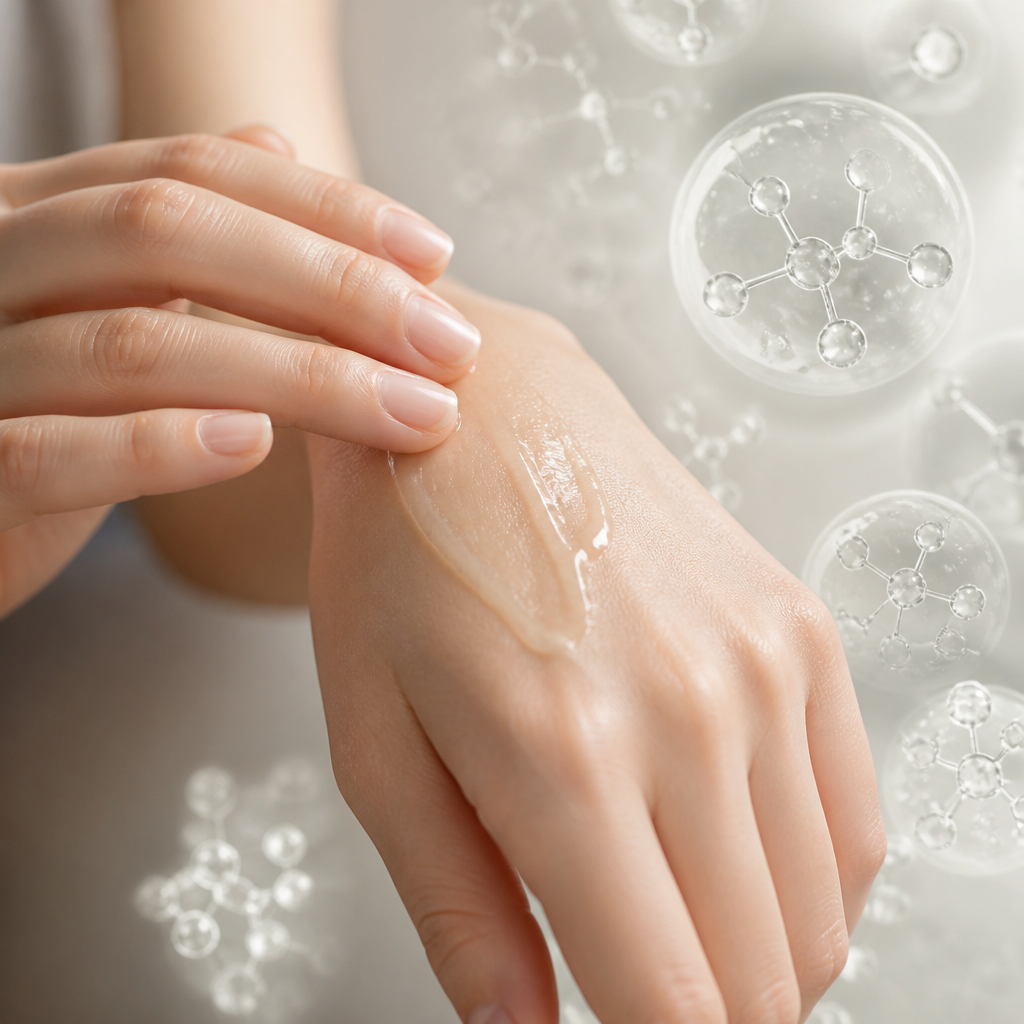
Korean skincare also leverages ingredient synergy, particularly through fermentation. Fermented compounds have smaller molecular structures, which significantly improves their penetration and bioavailability, allowing the skin to absorb them up to 70% more effectively. The combination of these elements—barrier strengthening, intense hydration, pH-balanced formulas, and bioavailable ingredients—contributes to its reputation for promoting healthy, resilient, and radiant skin.
What Goes Into Korean Skincare: Ingredients and Expert Backing
The efficacy of Korean skincare is largely attributed to its innovative and thoughtfully selected ingredients. These formulations often combine traditional botanicals with cutting-edge scientific advancements, prioritizing hydration, barrier repair, and gentle yet effective results. Extensive safety testing is also a hallmark of Korean beauty products.
Best korean skincare ingredients and their benefits
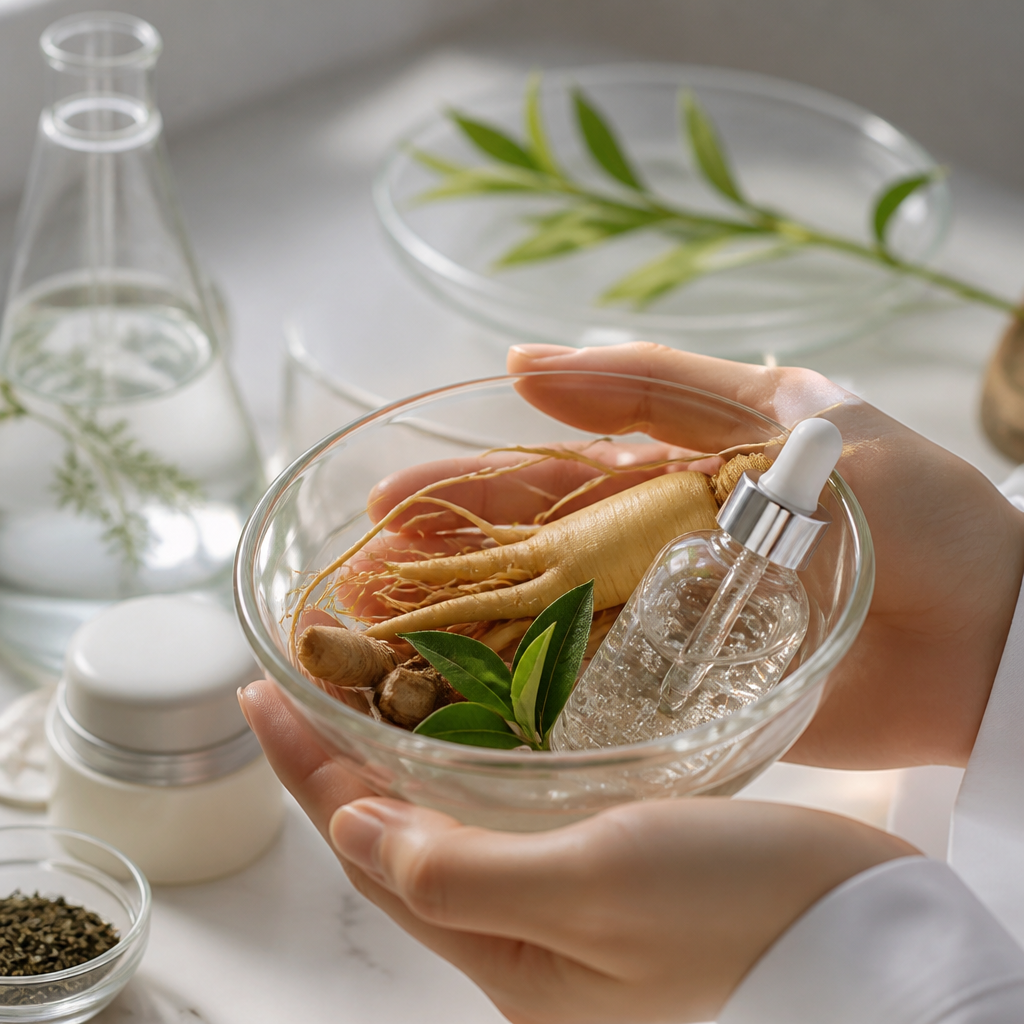
Korean skincare is renowned for its diverse and effective ingredient list. These ingredients work synergistically to promote healthy, radiant skin.
- Snail Mucin: Contains glycoproteins and hyaluronic acid, aiding in hydration, improving skin texture, and reducing acne scars.
- Centella Asiatica (Cica): Known for potent anti-inflammatory and soothing properties, making it ideal for sensitive or irritated skin.
- Galactomyces Ferment Filtrate: A yeast ferment that helps improve skin brightness and reduce hyperpigmentation.
- Ginseng: Possesses strong antioxidant properties that improve skin elasticity and reduce visible signs of aging.
- Propolis: A bee-collected substance with powerful antimicrobial and anti-inflammatory benefits, excellent for calming irritated and acne-prone skin.
- Niacinamide (Vitamin B3): A versatile ingredient that reduces hyperpigmentation, improves barrier function, and decreases sebum production.
- Hyaluronic Acid: A humectant that can hold up to 1000 times its weight in water, providing intense skin hydration.
- Green Tea: An antioxidant-rich ingredient that helps protect the skin from UV-induced damage and controls sebum.
- Birch Sap: Rich in amino acids and minerals, known for its hydrating and anti-inflammatory effects.
- Rice Extract: Contains antioxidants that help brighten skin tone and reduce hyperpigmentation.
- Beta-Glucan: A polysaccharide with powerful hydrating and soothing properties that strengthen the skin barrier.
Korean skincare products recommended by dermatologists
Dermatologist-recommended Korean skincare products are those that stand out for their clinically-proven ingredients, appropriate formulations for diverse skin types, and safety profiles validated through rigorous testing. _It's always wise to patch-test a new product, especially if you have sensitive skin._
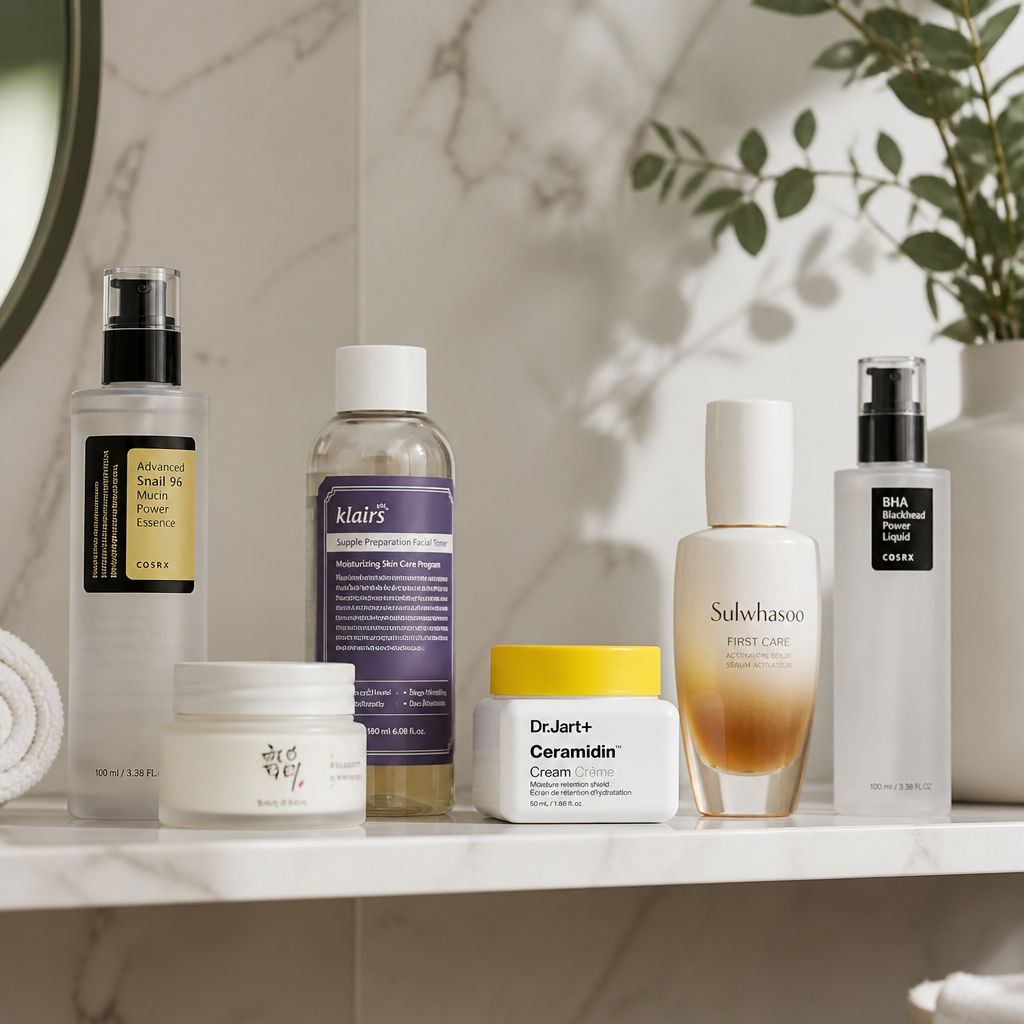
Products like the COSRX Advanced Snail 96 Mucin Power Essence are praised for skin barrier repair, while the Beauty of Joseon Dynasty Cream with ginseng and niacinamide is suggested for anti-aging. For sensitive skin, the Klairs Supple Preparation Facial Toner is a gentle, soothing option. Dr. Dhaval Bhanusali, a board-certified dermatologist, frequently recommends brands such as COSRX, Sulwhasoo, and Dr. Jart+ to his patients. He notes, "They combine traditional ingredients with modern science. The formulations are elegant, effective, and generally well-tolerated across skin types." Other top picks include the Dr. Jart+ Ceramidin Cream for compromised barriers, the Sulwhasoo First Care Activating Serum for mature skin, and the COSRX BHA Blackhead Power Liquid for a gentle approach to managing breakouts.
How to Practice Korean Skincare: Routine and Beginner Guidance
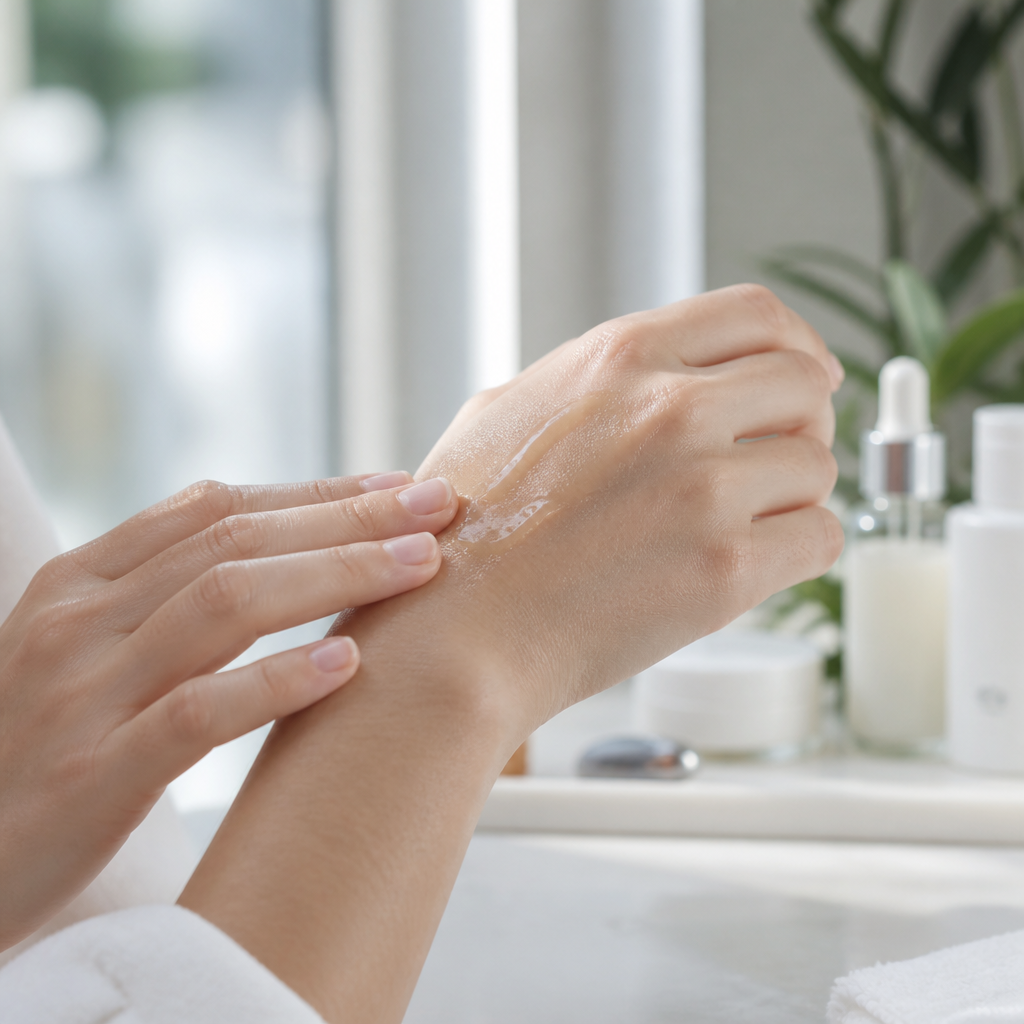
Practicing Korean skincare involves a systematic, multi-step approach designed to layer products from the thinnest to the thickest consistency. This routine focuses on thorough cleansing, intensive hydration, and comprehensive protection, creating an optimal environment for skin health. While it may seem extensive, each step serves a specific purpose.
Korean skincare routine steps explained
The Korean skincare routine is a systematic approach designed to layer products effectively. While a complete routine can take 15-20 minutes, not all steps are mandatory daily.
- Oil-Based Cleanser: The first step of the double cleanse removes makeup, sunscreen, and oil-based impurities.
- Water-Based Cleanser: This completes the double cleanse by removing sweat, dirt, and any remaining residue.
- Exfoliator: Used 1-3 times a week, this step removes dead skin cells with chemical (AHAs/BHAs) or physical exfoliants.
- Toner: Balances the skin's pH and provides the first layer of hydration.
- Essence: A lightweight, concentrated formula that promotes cell turnover and boosts hydration.
- Serum/Ampoule: Highly concentrated treatments that target specific concerns like brightening or anti-aging.
- Sheet Mask: Used 2-3 times a week, these provide intensive hydration and active ingredients.
- Eye Cream: A specialized formula for the delicate skin around the eyes to target dark circles and fine lines.
- Moisturizer: Seals in all previous layers of hydration and provides a protective barrier.
- Sun Protection (AM only): The non-negotiable final step in the morning is a broad-spectrum SPF 30+ sunscreen to prevent sun damage.
The Korean routine isn't about using 10 products—it's about understanding what your skin needs and layering appropriately. The step-by-step approach allows you to customize based on your skin's daily condition.
— Dr. Alicia Yoon, board-certified dermatologist and founder of Peach & Lily
How to start a korean skincare routine for beginners
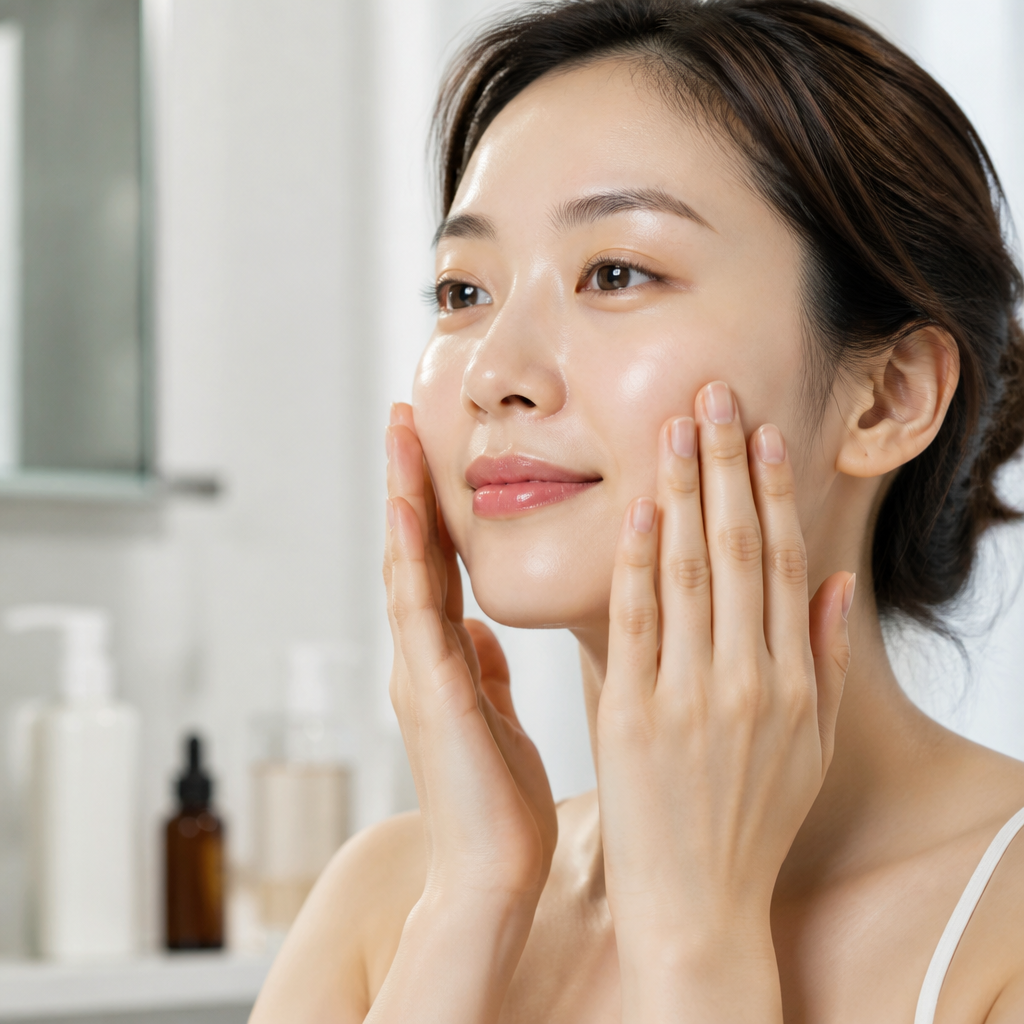
Starting a Korean skincare routine involves a gradual introduction of products and careful monitoring of the skin's response. This measured approach helps prevent irritation and allows for effective adaptation.
For those new to this routine, it is advisable to begin with a Beginner Core Routine consisting of four essential steps: an oil cleanser (evening), a water cleanser, a moisturizer, and a broad-spectrum sunscreen (morning). Here are some key tips:
- Introduction Timeline: Add only one new product every 1-2 weeks. Building a full routine can take 2-3 months.
- Skin Type Assessment: Identify if your skin is oily, dry, combination, or sensitive to choose compatible products.
- Patch Testing: Always apply a new product to a small, inconspicuous area for 24-48 hours to check for reactions before using it on your face.
- Product Order: Apply products from the thinnest to thickest consistency.
- Patience is Key: _Avoid starting too many products simultaneously or expecting immediate results, as this can lead to irritation._ Visible changes typically appear after 4-8 weeks of consistent use.
By following these guidelines, beginners can successfully embark on their Korean skincare journey, building a routine that nurtures their skin effectively.
FAQ
Q1: What is the core philosophy behind Korean skincare?
A1: The core philosophy of Korean skincare centers on prevention rather than correction, viewing skin health as a long-term investment. It emphasizes consistent daily care, gentle layered treatments, and nurturing the skin to its best condition, rather than just covering up flaws.
Q2: How does Korean skincare differ from Western skincare in terms of routine length and product focus?
A2: Korean skincare routines typically involve 7-10 steps, focusing on gentle hydration and barrier protection with lightweight, layerable products. Western routines usually have 3-5 steps, often using stronger active ingredients and richer, all-in-one formulations to target specific concerns.
Q3: Can you name some popular Korean skincare ingredients and their main benefits?
A3: Popular Korean skincare ingredients include Snail Mucin (for hydration, texture, and reducing acne scars), Centella Asiatica (for soothing and wound-healing), Ginseng (for anti-aging and elasticity), Niacinamide (for hyperpigmentation and barrier function), and Hyaluronic Acid (for intense hydration).
Q4: What are the essential steps for a beginner starting a Korean skincare routine?
A4: Beginners should start with a core routine of four essential steps: an oil cleanser (for evening), a water cleanser, a moisturizer, and a broad-spectrum sunscreen (for morning). Products should be introduced gradually, one new item every 1-2 weeks, to allow the skin to adjust.
Q5: How long does it typically take to see results from a Korean skincare routine?
A5: While individual results may vary, clinical improvements from a consistent Korean skincare routine are typically visible after 4-8 weeks of use. Initial changes often include improved barrier repair and hydration, followed by enhancements in skin texture and tone.

Hello! I’m Chloe Evans, a beauty enthusiast passionate about all things K-Beauty. Welcome to my blog, where I share honest reviews, essential skincare tips, and the latest Korean beauty trends. My goal is to help you build a simple yet effective routine for radiant, healthy skin. Join me on this journey to unlock your natural glow!