mochi skin vs glass skin: 7 Key Differences Revealed
The terms “mochi skin” and “glass skin” have emerged from the innovative world of East Asian beauty, promising a new level of radiant complexion. These ideals represent more than just clear skin; they signify distinct philosophies of skincare. While both looks are aspirational, they are also within reach with the right knowledge and routine. Discover the key differences between these coveted looks and learn exactly how to achieve them.
Understanding Mochi Skin and Glass Skin
The quest for impeccable skin has popularized various beauty standards, with mochi skin and glass skin standing out as prominent East Asian trends. Both signify healthy, well-cared-for skin, but their defining features and underlying approaches differ. The Japanese ideal focuses on a soft, supple, and resilient texture, while the Korean trend emphasizes an exceptionally smooth, clear, and reflective surface. The former evokes a sense of comfort and natural beauty, while the latter is about achieving striking visual perfection.
Mochi Skin Texture Explained
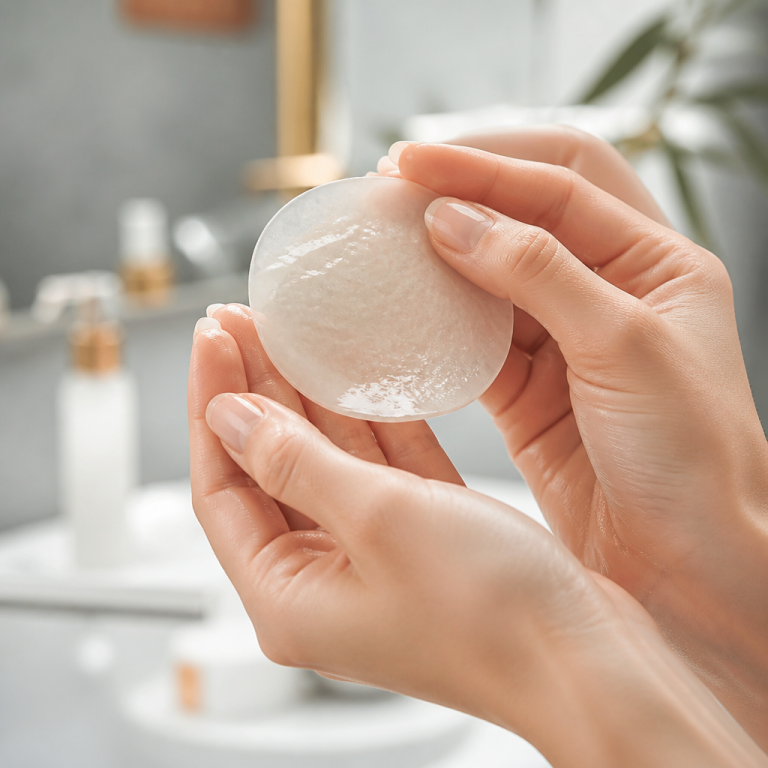
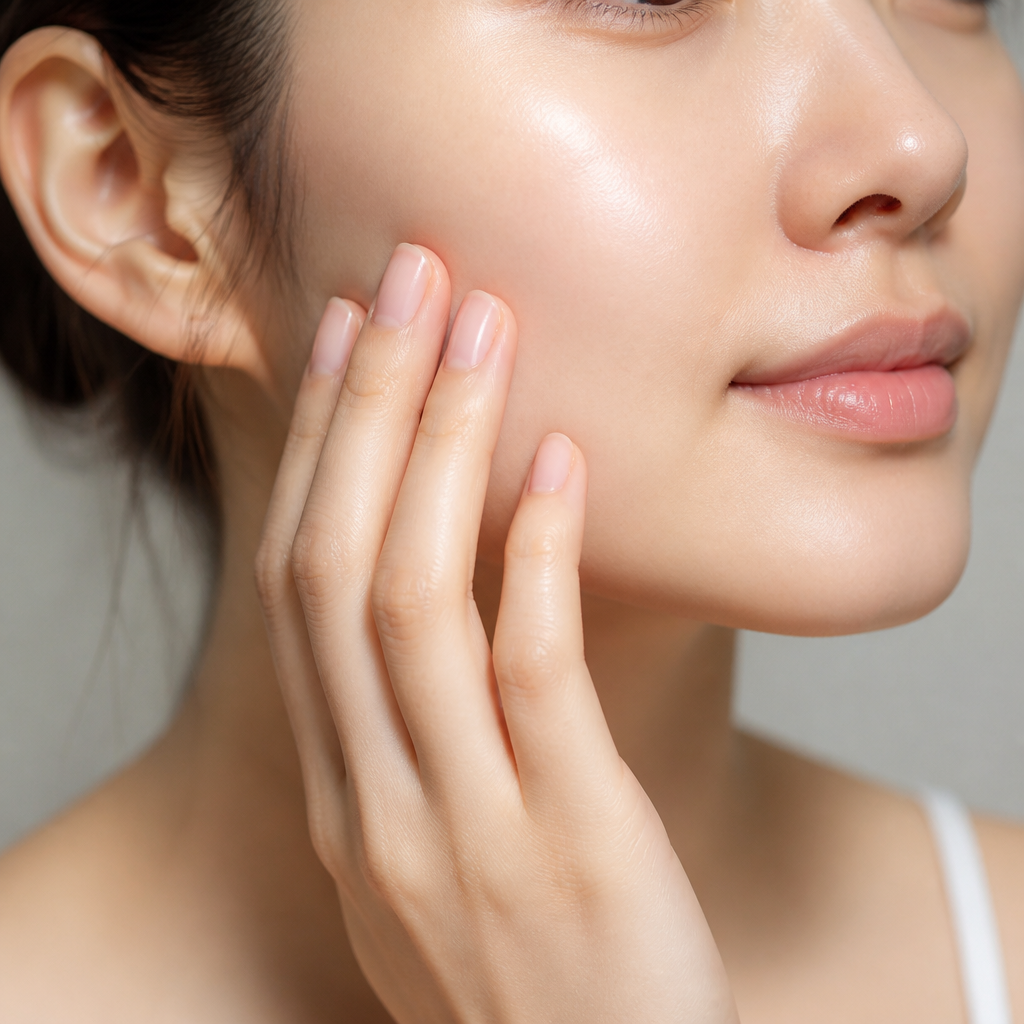
Mochi skin describes a texture that’s soft, plump, and bouncy, much like the delicate Japanese mochi rice cakes. This ideal is characterized by its elasticity—the skin springs back when gently pressed—and a subtly luminous, soft-matte finish. It prioritizes a healthy, cushioned feel over high shine. This unique bouncy texture results from optimal hydration deep within the dermis and strong collagen-elastin networks. Hyaluronic acid is crucial for this plumping effect, while a robust skin barrier, reinforced by ceramides and fatty acids, prevents water loss to preserve that soft, supple feel.
Visually, it has a “lit-from-within” glow rather than an overt surface shine. Maintaining this youthful bounce is closely linked to collagen density, which provides firmness and structure. As licensed esthetician Charlotte Cho explains, when the moisture barrier is intact and hydration levels are optimal, the bouncy texture naturally follows. While younger skin naturally exhibits more of these qualities, this texture can be maintained or restored through consistent skincare. The texture is also easier to maintain in environments with moderate humidity (40-60%), as extremes can disrupt the skin’s water balance.
Glass Skin Benefits and Drawbacks
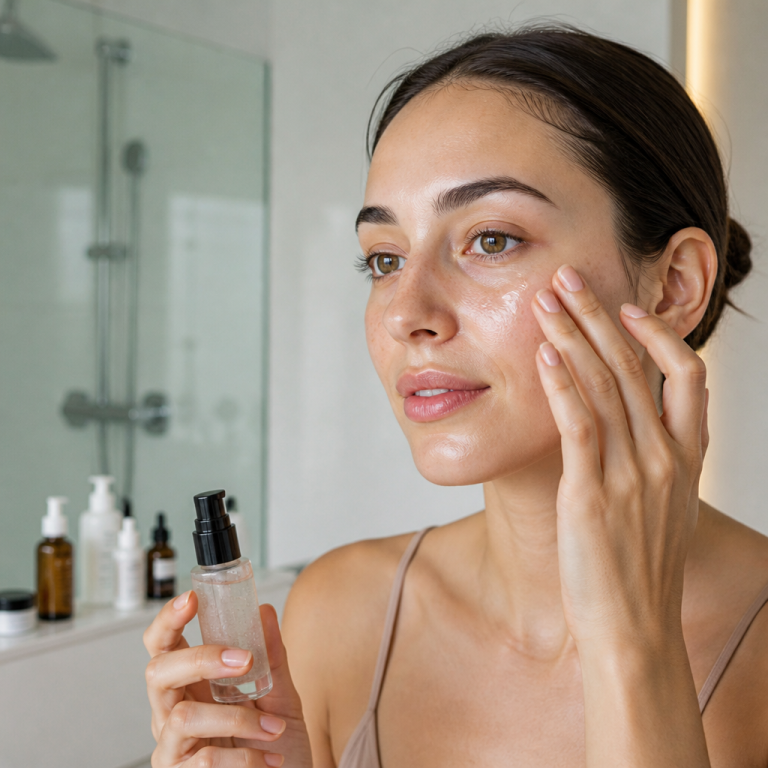
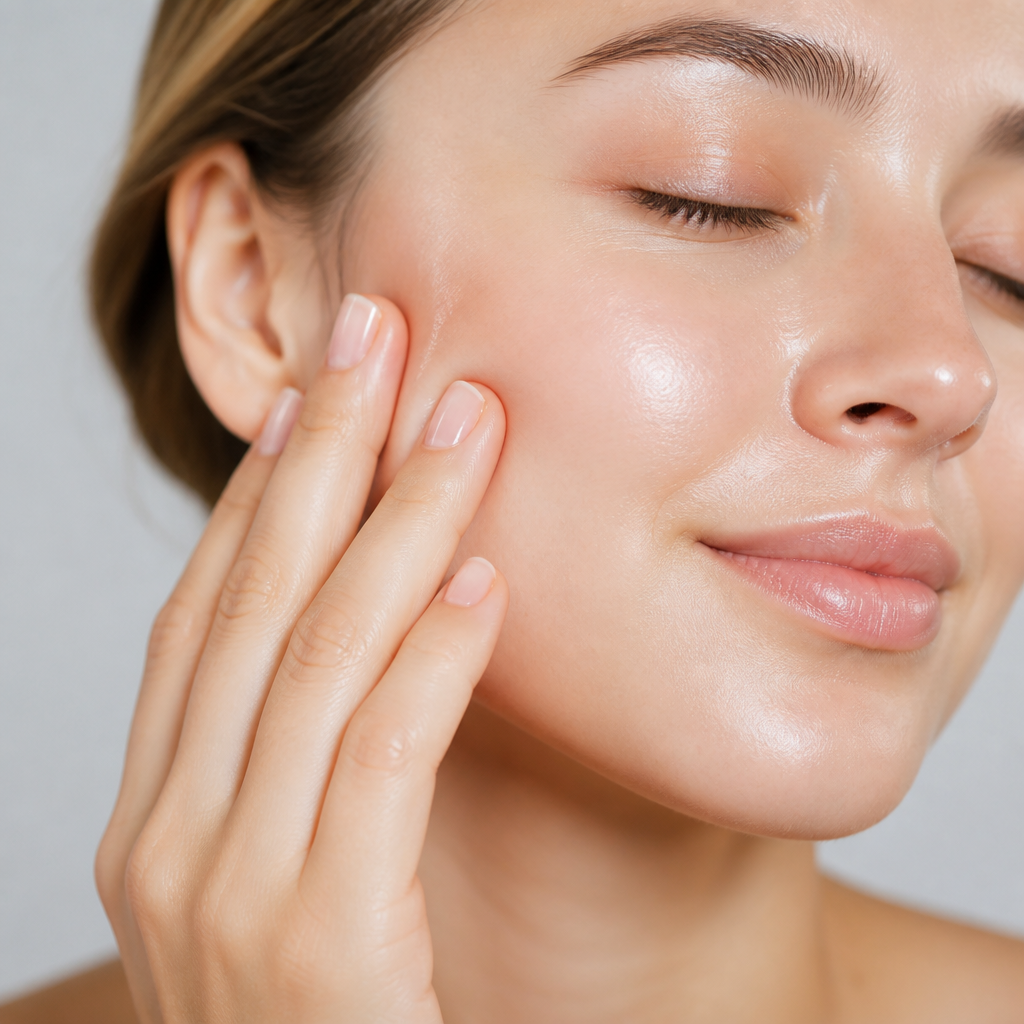
Glass skin, a prominent Korean beauty trend, refers to skin so smooth, clear, and luminous it resembles a pane of glass. This aesthetic is defined by a dewy, highly reflective finish with minimal visible pores or texture. Achieving this look involves a meticulous skincare routine designed for maximum clarity and radiance.
A primary benefit is a flawless, airbrushed look that can reduce the need for heavy makeup. The intensive hydration central to the routine also improves overall skin health, strengthening the moisture barrier. However, the pursuit of this look has drawbacks. The high-shine finish can accentuate oiliness, particularly for those with combination or oily skin. Achieving and maintaining it typically demands significant time and money. A common pitfall is over-exfoliation; _over-exfoliation can damage the skin barrier, leading to increased sensitivity, redness, and moisture loss._ Board-certified dermatologist Dr. Hadley King cautions that over-layering products may clog pores and cause breakouts. Additionally, the trend may contribute to unrealistic beauty standards, as the “glass-like” skin seen in media is often enhanced by lighting and editing.
Mochi Skin vs. Glass Skin Differences
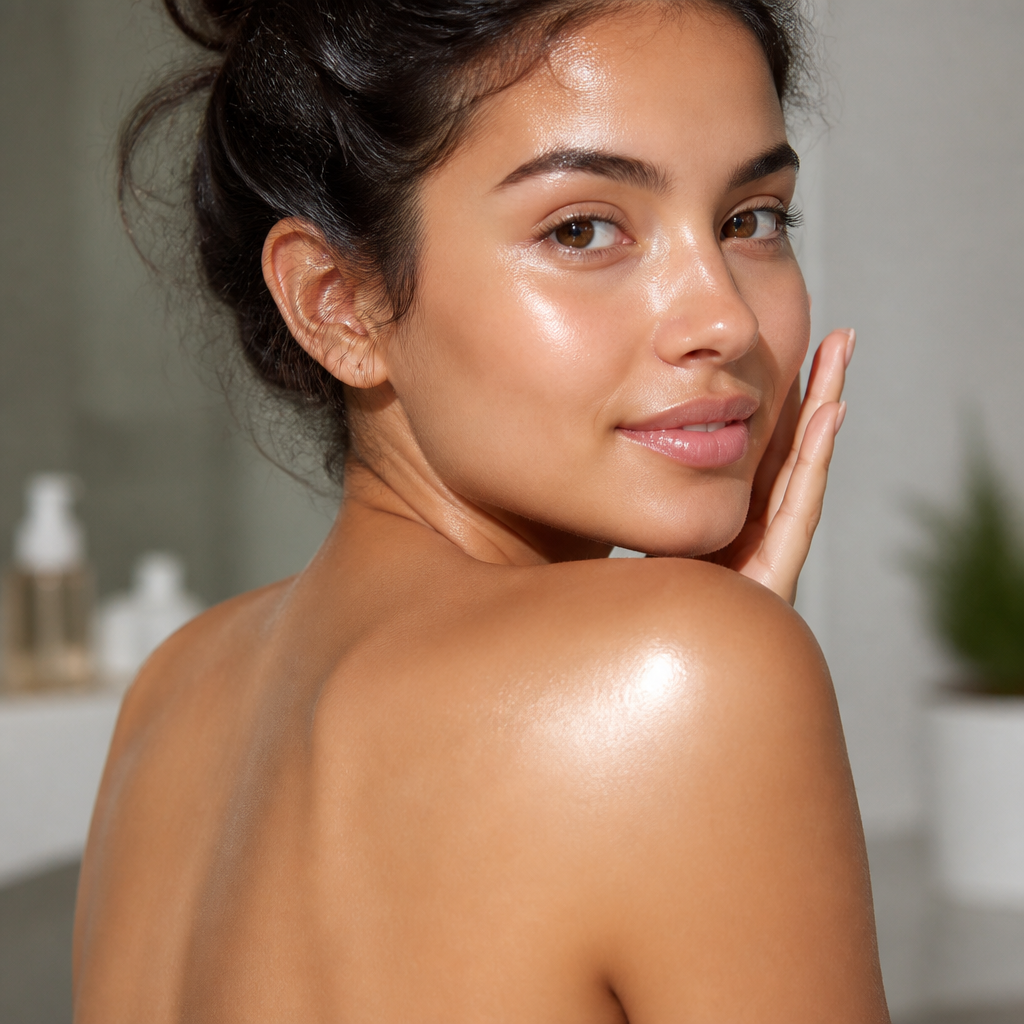
While both ideals are highly sought-after, they diverge significantly in their core characteristics, aesthetic goals, and methods of achievement. The primary differences lie in texture, finish, hydration philosophy, and product focus.
| Feature | Mochi Skin | Glass Skin |
|---|---|---|
| Finish | Soft-matte, satin, “lit-from-within” glow | High-gloss, dewy, mirror-like |
| Texture | Plump, bouncy, cushioned, resilient | Smooth, clear, poreless, reflective |
| Hydration Focus | Deep dermal hydration and moisture retention | Surface hydration and light reflection |
| Key Products | Plumping serums, barrier-repair creams | Lightweight essences, brightening serums, facial oils |
| Exfoliation | Gentle, 1-2 times weekly (Enzymes, PHAs) | More intensive, 2-3 times weekly (AHAs, BHAs) |
| Best for | Dry, normal, sensitive skin; mature skin | Normal, oily, combination skin |
The Japanese ideal is generally more forgiving and suitable for a wider range of skin types, focusing on gentle hydration and barrier repair. The Korean trend, with its emphasis on shine and exfoliation, is often most suitable for normal to oily skin types that don’t have active acne. The longevity of the effect also varies; the texture of the former tends to remain consistent, while the dewy finish of the latter may require touch-ups after 4-6 hours.
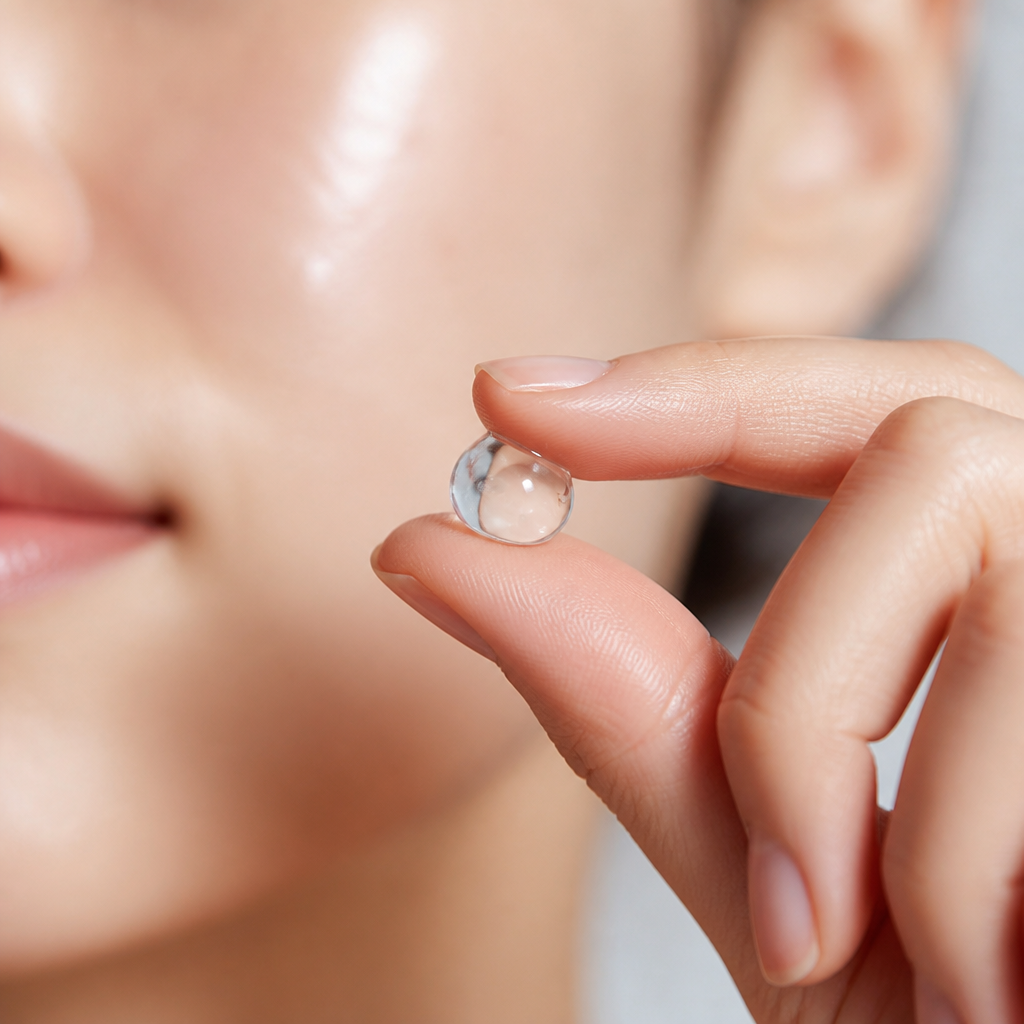
Mochi Skin vs. Glass Skin in Korean Beauty
Both Mochi Skin and Glass Skin have significantly influenced global beauty standards, but their origins and evolution are deeply embedded within East Asian, particularly Korean, beauty culture. These trends reflect different aesthetic values and have shaped product development and consumer preferences within the dynamic K-beauty landscape.
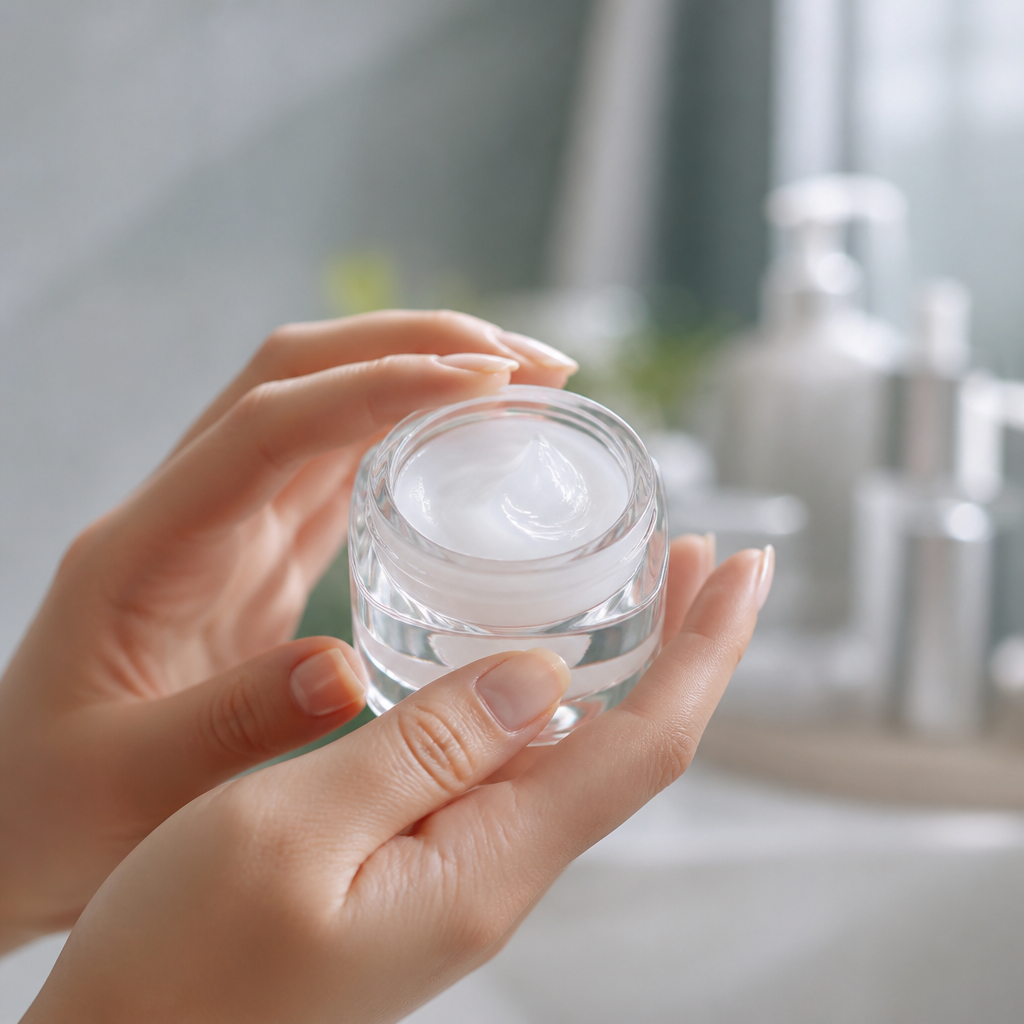
Mochi Skin vs. Glass Skin Korean Beauty Trends
The “glass” look first emerged as a viral K-beauty trend around 2017, rapidly gaining traction through celebrities and social media. The “mochi” look gained more prominence slightly later, around 2019-2020, positioned as a more natural and achievable alternative. This shift reflected a growing desire for foundational skin health and a softer radiance.
In Korean beauty, specific terms describe these ideals. “Mul-gwang,” which translates to “water-glow,” is the term used to describe the highly luminous and dewy effect of glass skin. For the bouncier texture, the term “chok-chok” is more appropriate, conveying a sense of dewy plumpness. The emergence of these trends has had a tangible market impact. The glass skin trend was a major driver behind a notable 34% increase in essence and serum sales in South Korea between 2017 and 2019, according to Mintel market research. Social media continues to amplify these trends, with the #glassskin hashtag garnering over 1.6 million posts, showcasing its broad viral reach.
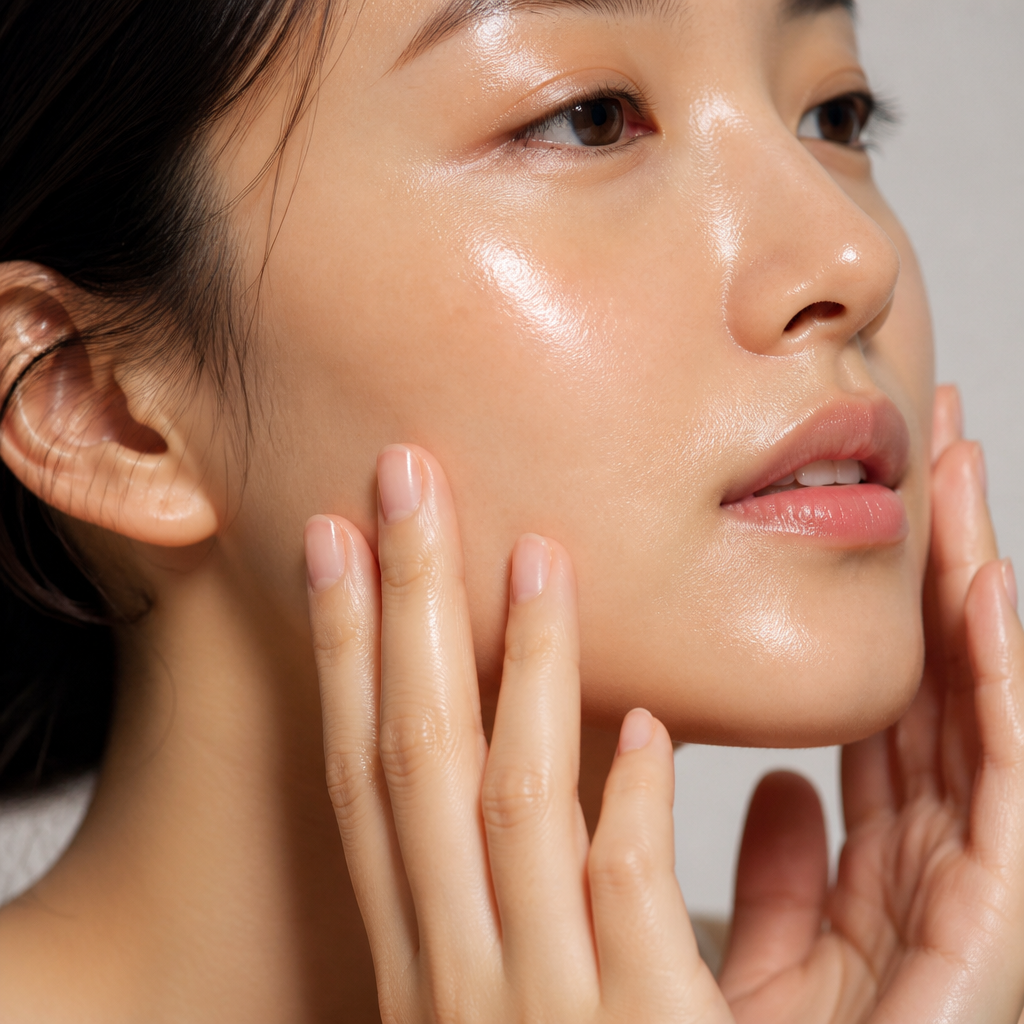
Mochi Skin vs. Glass Skin: Which is Better?
When considering which look is “better,” there isn’t a universally superior option. _The ideal choice largely depends on an individual’s specific skin type, lifestyle, and aesthetic preferences._
For individuals with oily or acne-prone skin, the soft-matte finish of the Japanese ideal is generally more suitable. Conversely, those with dry skin may benefit more from the intensive layering of hydrating products in the Korean routine. Lifestyle factors also play a role. The bouncier, less shiny look is often more practical for active lifestyles or hot climates. In terms of commitment, the mochi-inspired routine is more streamlined (15-20 minutes), while the glass-focused one is more intensive (30-60 minutes). For mature skin, the former is often more flattering as its emphasis on plumpness can soften the appearance of fine lines without the high shine that might highlight texture.
Dr. Dennis Gross, a board-certified dermatologist, states that “there’s no objectively ‘better’ option—the choice should be based on individual skin type, lifestyle, and aesthetic preference, with skin health as the priority for both.”
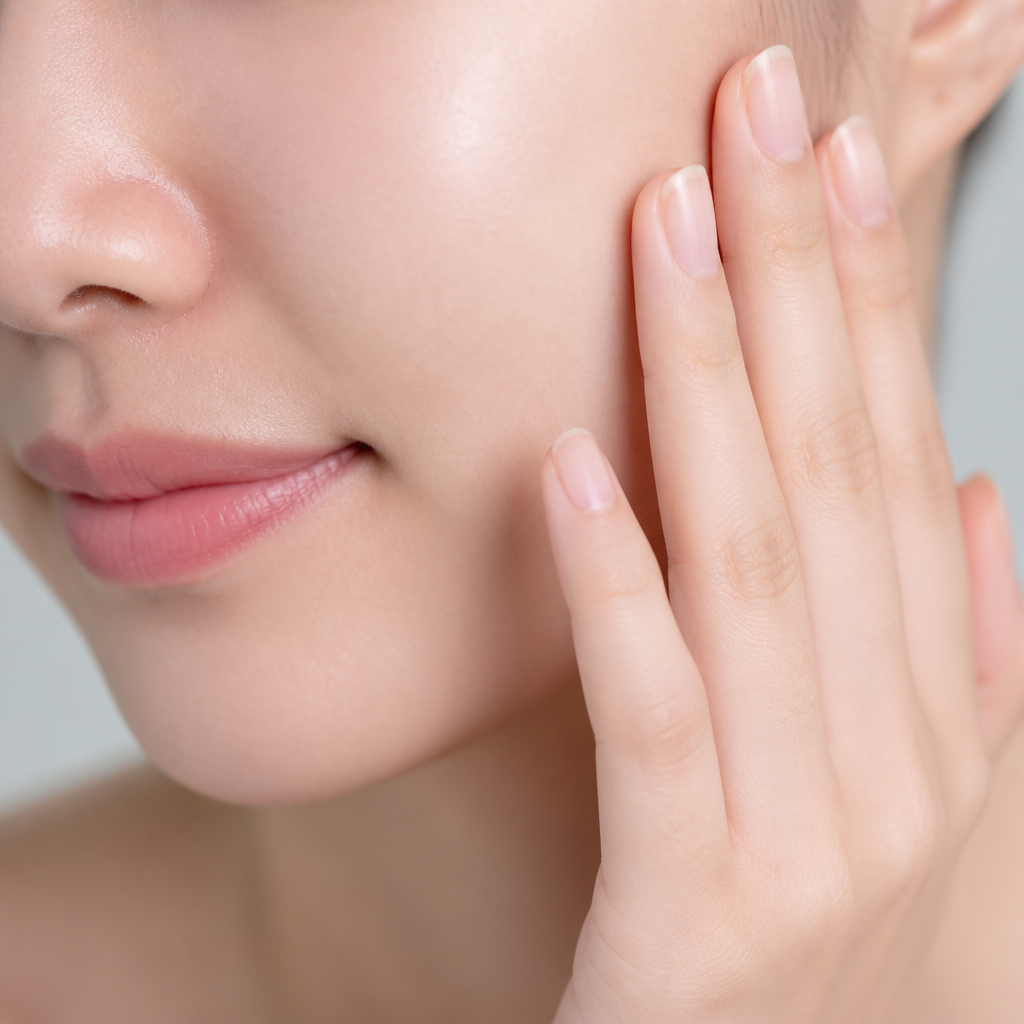
How to Achieve Mochi Skin vs. Glass Skin Look
Achieving either look involves dedicated skincare routines that differ in their steps and product choices. Both require consistency and a focus on overall skin health, but their pathways to radiance are distinct.
Mochi Skin vs. Glass Skin Routine
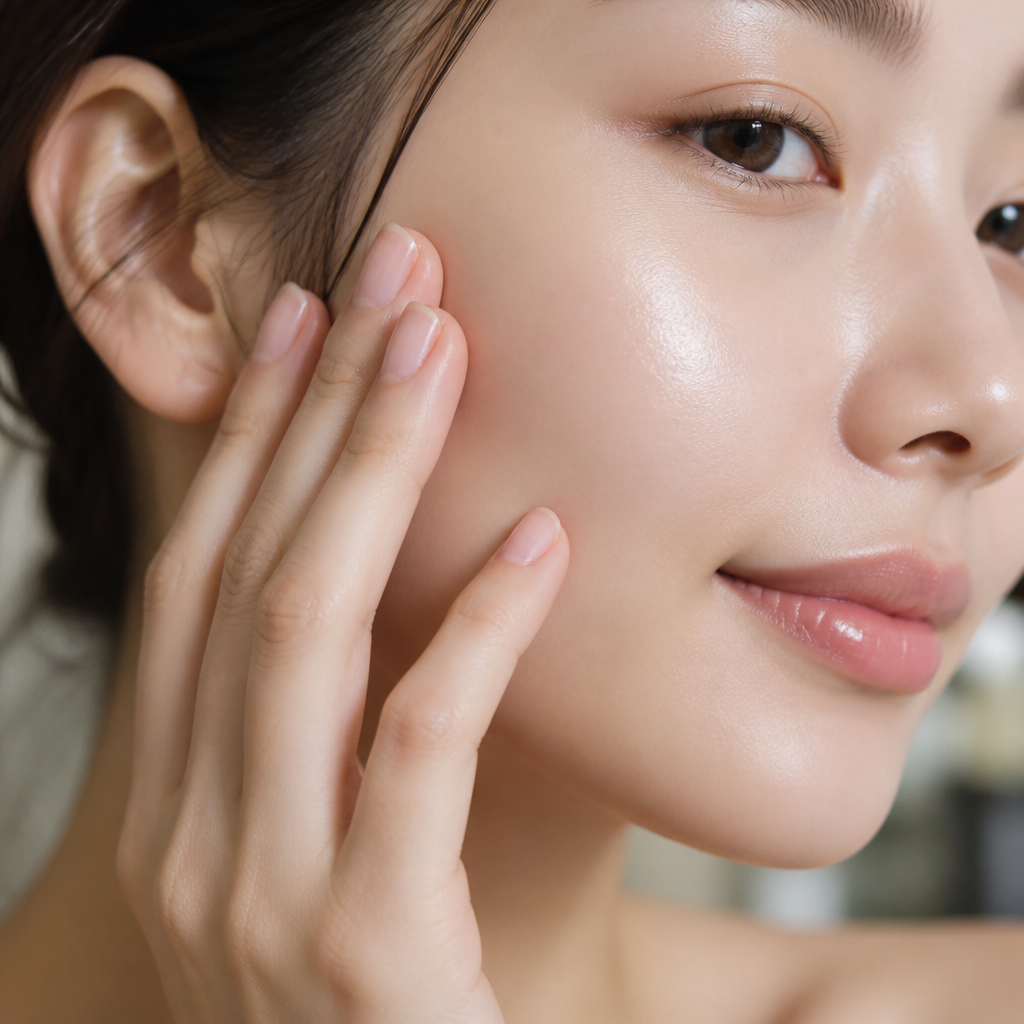
The foundational steps of cleansing and toning are present in both routines, but their execution diverges. For exfoliation, the routine for a bouncy texture incorporates gentle enzymes (1-2 times weekly), while the routine for a reflective surface employs more intensive chemical exfoliants like AHAs or BHAs (2-3 times weekly).
For serums, mochi-inspired routines emphasize plumping formulations with peptides and multiple molecular weights of hyaluronic acid. Glass skin routines focus on brightening serums containing niacinamide and vitamin C to enhance luminosity. The choice of moisturizer also reflects the desired finish. Mochi skin routines favor rich, bouncy gel-creams or balm-type moisturizers that create a cushioning effect on the skin. Routines for a reflective finish prefer lightweight lotions that hydrate without diminishing shine and almost always include a facial oil as a final step to create that signature dewy look.
Jude Chao, a cosmetic chemist, explains the core difference: “glass skin builds thin, watery layers for light reflection, while mochi skin uses fewer, richer layers for structural support.”
How to Achieve Mochi Skin vs. Glass Skin Look
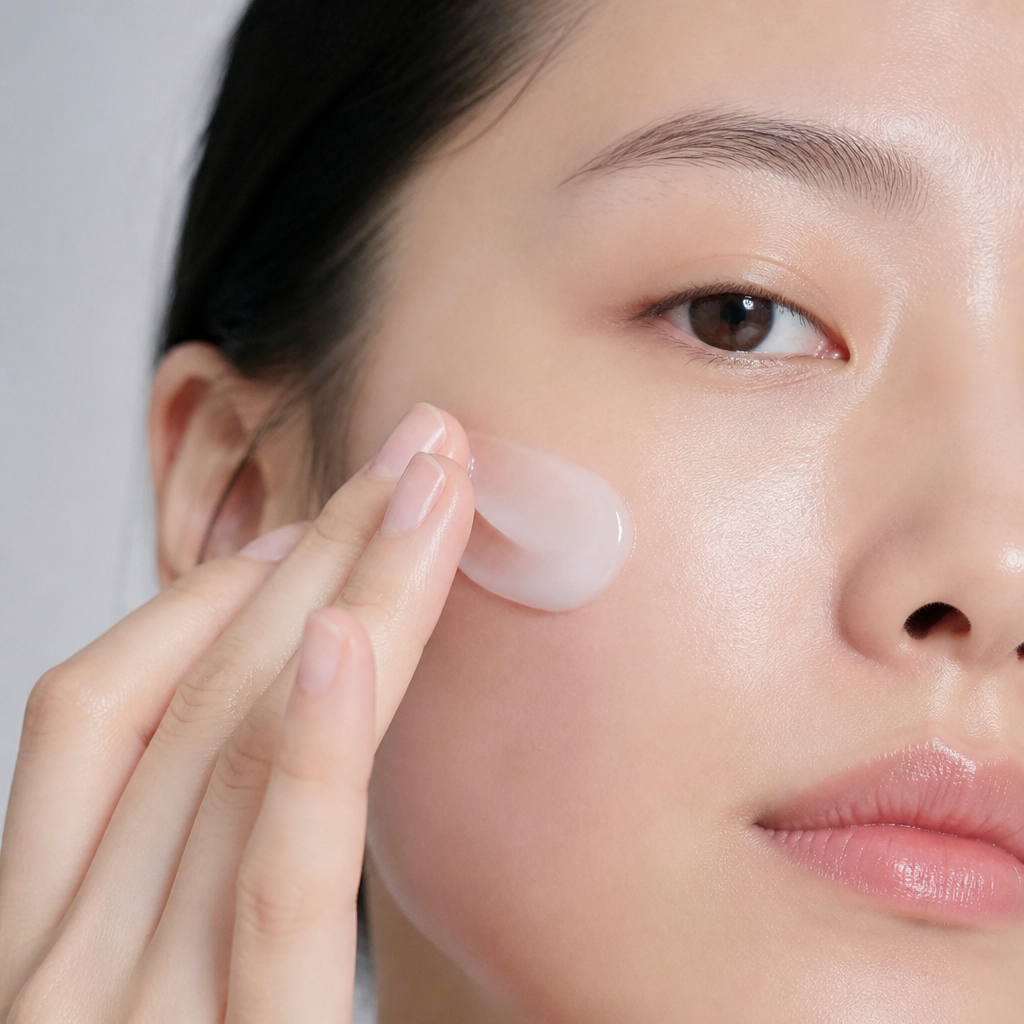
Achieving either look requires a strategic and consistent approach, combining internal wellness with targeted external skincare steps. _Warning: Regardless of which look you pursue, consistency is more important than quick fixes._
To achieve the Mochi Skin look:
Start with Hydration from Within by drinking plenty of water and incorporating collagen-supporting foods. Use a Gentle, pH-balanced Cleanser that doesn’t strip the skin. Follow with a Hydrating Toner rich in humectants like hyaluronic acid. Next, layer a Plumping Serum with multiple molecular weights of hyaluronic acid to ensure hydration penetrates different skin depths. Lock it all in with a Barrier-Repair Moisturizer formulated with ceramides and fatty acids to strengthen the skin’s protective barrier. Incorporating a gentle facial massage can also stimulate circulation.
To achieve the Glass Skin look:
- Thorough Double Cleansing: Begin with an oil cleanser to dissolve impurities, followed by a water-based cleanser to ensure a completely clean canvas.
- Regular Exfoliation: Exfoliate 2-3 times weekly with chemical exfoliants like AHAs or BHAs to remove dead skin cells and refine texture.
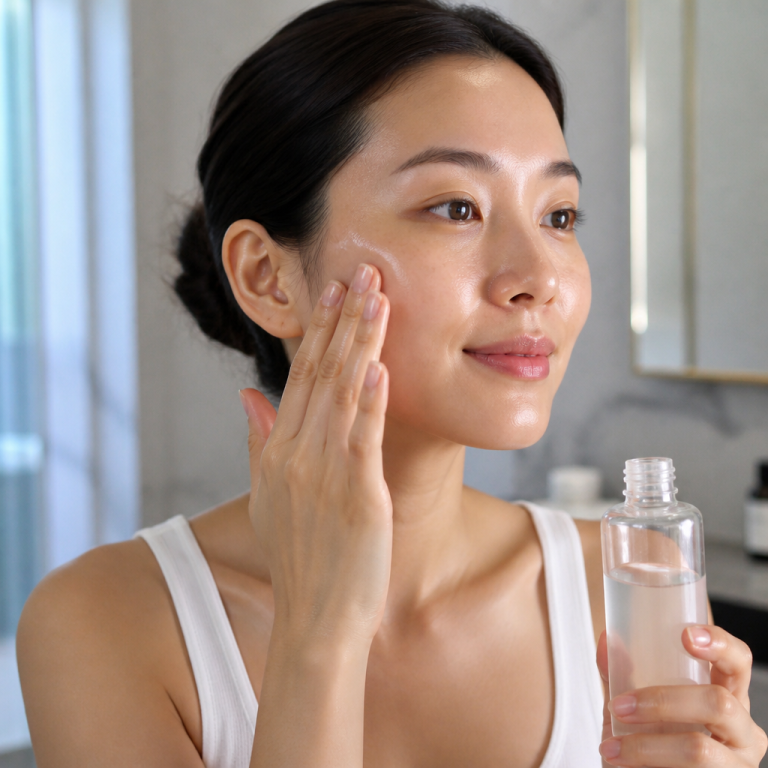
- 7-Skin Method: Pat on 3-7 layers of a watery toner, allowing each to absorb fully, to maximize hydration and create a plump, dewy base.
- Brightening Essence: Follow with a brightening essence, ideally containing fermented ingredients or niacinamide, to enhance luminosity.
- Lightweight Serum: Apply a fast-absorbing serum with light-reflecting ingredients or potent hydrators to boost radiance.
- Facial Oil Seal: Seal in the layers with a thin application of a facial oil, such as squalane or rosehip oil, to create the signature dewy finish.
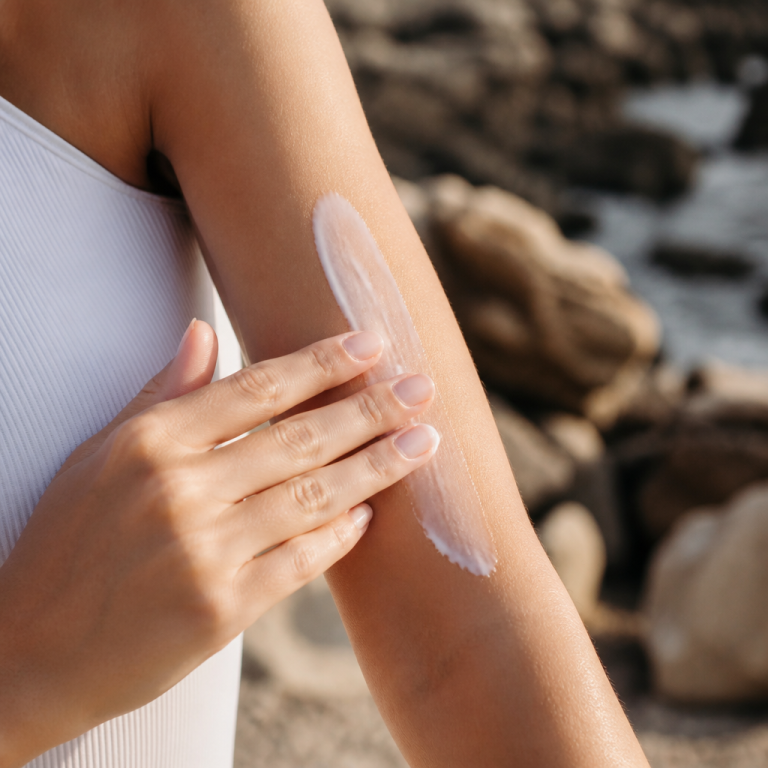
- Dewy SPF: During the day, use a dewy-finish or illuminating sunscreen to protect skin while maintaining the glass-like appearance.
FAQ
Q1: What is the main difference between mochi skin and glass skin?
A1: The primary distinction lies in their finish and texture. Mochi skin emphasizes a soft, plump, and bouncy texture with a soft-matte finish. Glass skin, conversely, prioritizes an exceptionally smooth, clear, and highly reflective surface with a dewy, mirror-like finish.
Q2: Which skin type is more suitable for mochi skin, and which for glass skin?
A2: Mochi skin is generally more suitable for dry, normal, and sensitive skin types due to its focus on deep hydration and barrier repair. Glass skin is often best suited for normal, oily, or combination skin types without active acne.
Q3: Do both mochi skin and glass skin routines require extensive time and product use?
A3: Glass skin typically requires a more intensive daily routine (30-60 minutes, 8-12 products). Mochi skin can be achieved with a more streamlined routine (15-20 minutes, 4-6 core products).
Q4: Can I achieve mochi skin or glass skin if I have mature skin?
A4: Yes, but mochi skin may be more flattering. Its emphasis on plumpness and elasticity can help reduce the appearance of fine lines without adding the excessive shine of glass skin, which might emphasize texture.
Q5: What are some key ingredients to look for in products for each trend?
A5: For mochi skin, look for multiple molecular weights of hyaluronic acid, ceramides, and peptides. For glass skin, focus on niacinamide, vitamin C, fermented ingredients, and light-reflecting particles.

Hello! I’m Chloe Evans, a beauty enthusiast passionate about all things K-Beauty. Welcome to my blog, where I share honest reviews, essential skincare tips, and the latest Korean beauty trends. My goal is to help you build a simple yet effective routine for radiant, healthy skin. Join me on this journey to unlock your natural glow!