How to Use Snail Mucin: 5 Simple Steps for Glowing Skin
Snail secretion filtrate, as it's formally known, is packed with beneficial ingredients. It contains glycoproteins, allantoin for soothing, glycolic acid for gentle exfoliation, hyaluronic acid for intense hydration, and antimicrobial peptides to combat bacteria. Together, these components work to repair skin, provide deep hydration, and boost overall skin health. Its gentle yet effective nature makes it a great addition to nearly any skincare routine, benefiting various skin types and concerns. Understanding how to use this popular K-beauty ingredient properly can truly unlock its potential, from improving moisture levels to helping fade acne scars.
How Do You Incorporate Snail Mucin into Your Skincare Routine?
Adding snail mucin to your daily skincare is straightforward once you understand where it fits and how to apply it best. This guide will walk you through the proper usage, including its place in your routine, how often to apply it, and the right amounts for different product types.
How to Use Snail Mucin in Your Skincare Routine
Snail secretion filtrate is a natural substance rich in compounds that promote skin repair and deliver significant hydration. Knowing when and how to apply it is key to achieving the best results.
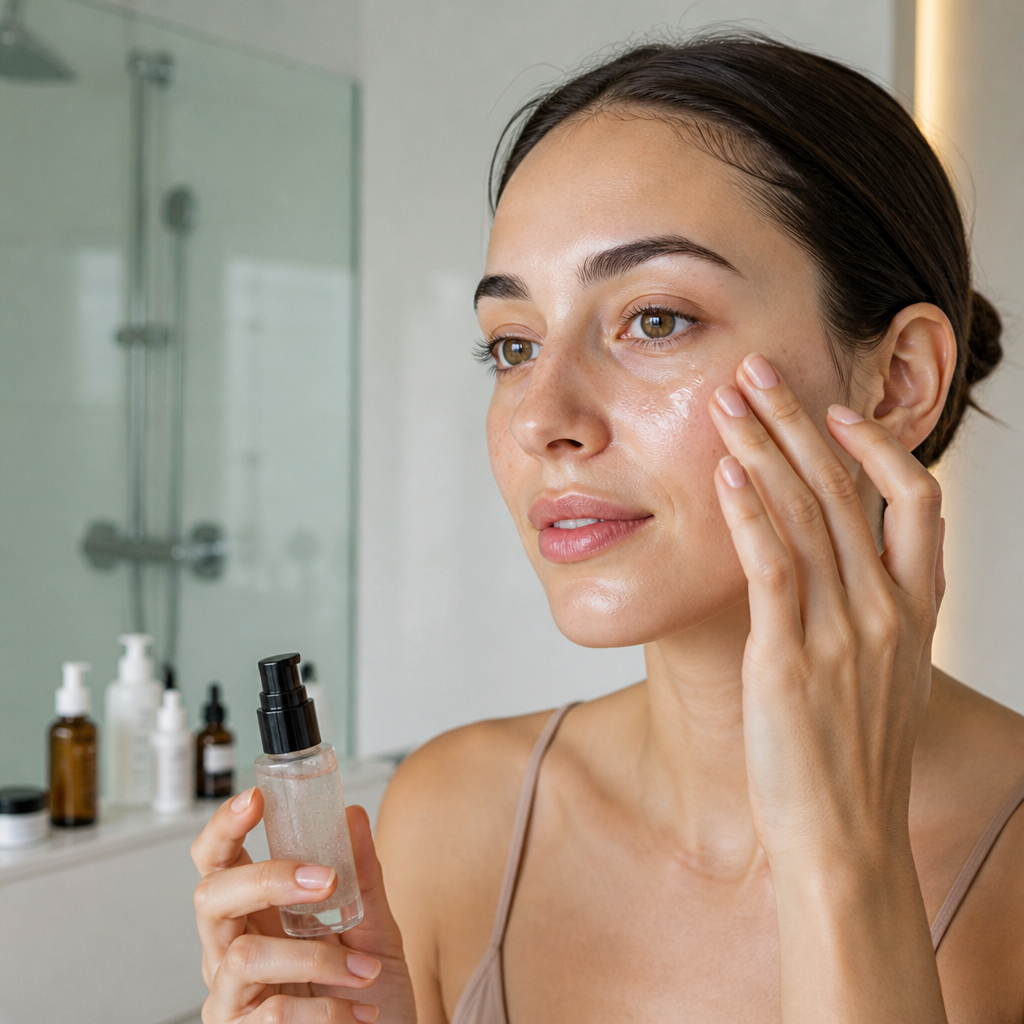
Following the "thinnest to thickest" consistency rule, you should apply this ingredient after watery toners and before oil-based products. This layering method ensures that lighter, active ingredients penetrate your skin effectively before thicker layers are applied. Discover the simple steps for application:
- Cleanse and Tone: Start with a clean and toned face.
- Apply to Damp Skin: For better absorption, apply the product to slightly damp skin.
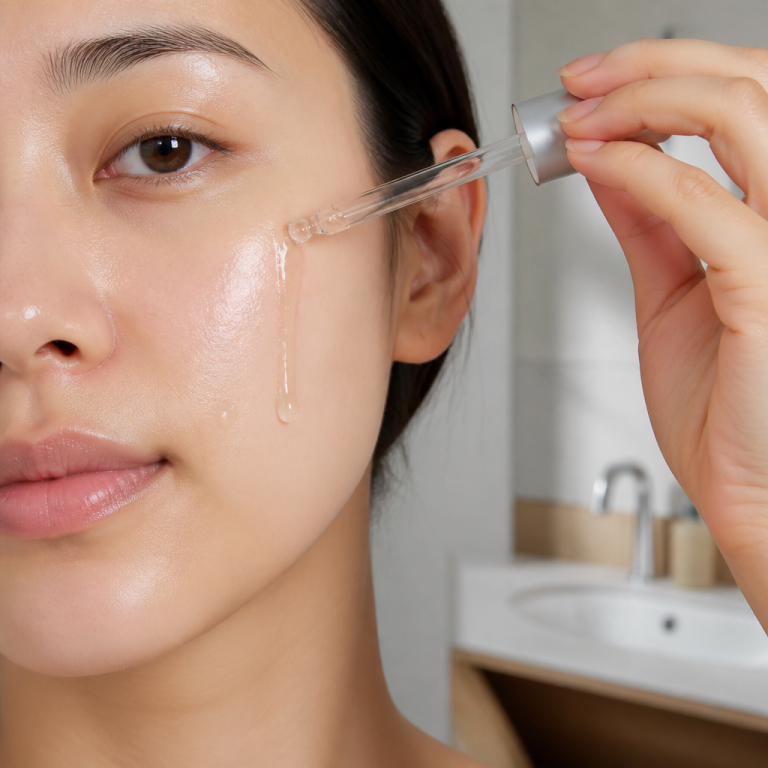
- Dispense the Right Amount: Use 2-3 drops for a serum or a pea-sized amount for an essence.
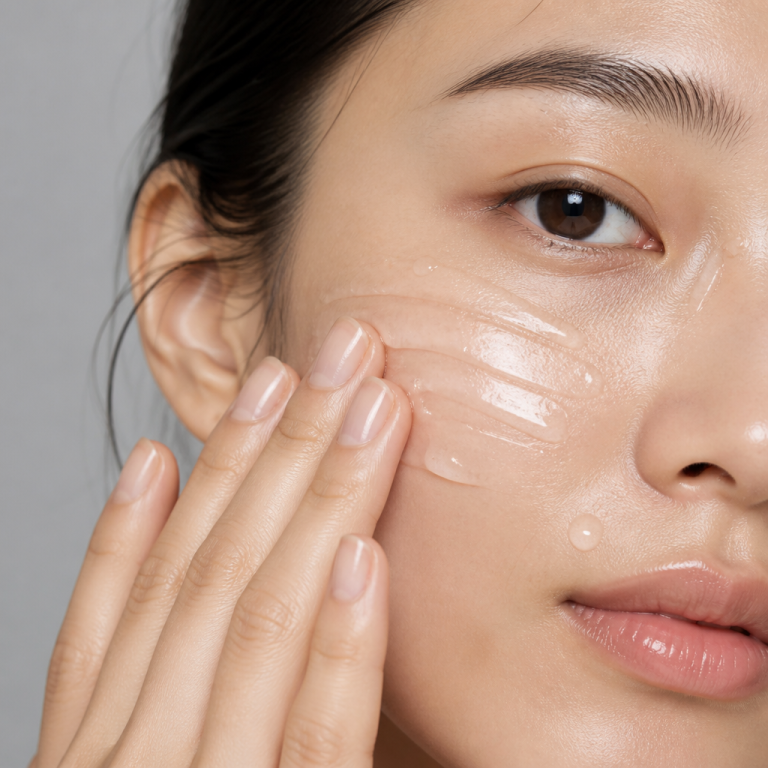
- Gently Pat In: Gently pat the product into your skin until it is fully absorbed. Avoid rubbing, as patting is more effective.
- Wait and Layer: Allow it to absorb for 30-60 seconds before applying your next product, like a moisturizer.
Generally, apply the product after cleansing and toning, but before richer creams or oils. This ensures its active ingredients penetrate the skin effectively. It is generally suitable for all skin types—oily, dry, combination, or sensitive—as it's lightweight, non-comedogenic, and has a pH that matches your skin's natural level.

How Often to Use Snail Mucin
Determining the right frequency helps you get the best results while keeping your skin balanced. Because the filtrate is so gentle, it is often recommended for regular use.
Many people find using it twice a day—morning and evening—to be ideal for seeing consistent results. Its mild formula is gentle enough for daily use without causing the irritation that can occur with stronger active ingredients. Dermatological studies suggest that consistent use for at least 8-12 weeks is typically necessary to see significant improvements in fine lines and hyperpigmentation. _If you're new to the ingredient, start by using it once a day to gauge your skin's reaction._
How Much Snail Mucin to Use
Using the right amount ensures it covers your skin effectively without waste or a sticky feeling. The ideal quantity can vary depending on the product type and its concentration.
For serums, which are usually more concentrated, 2-4 drops are typically enough for your entire face and neck. If you're using an essence, 1-2 pumps or a nickel-sized amount is commonly recommended. For creams, a pea-to-dime-sized amount is appropriate. Use just enough to create a thin, even layer; using too much can lead to pilling under makeup.
How to Use Snail Mucin Serum vs. Cream
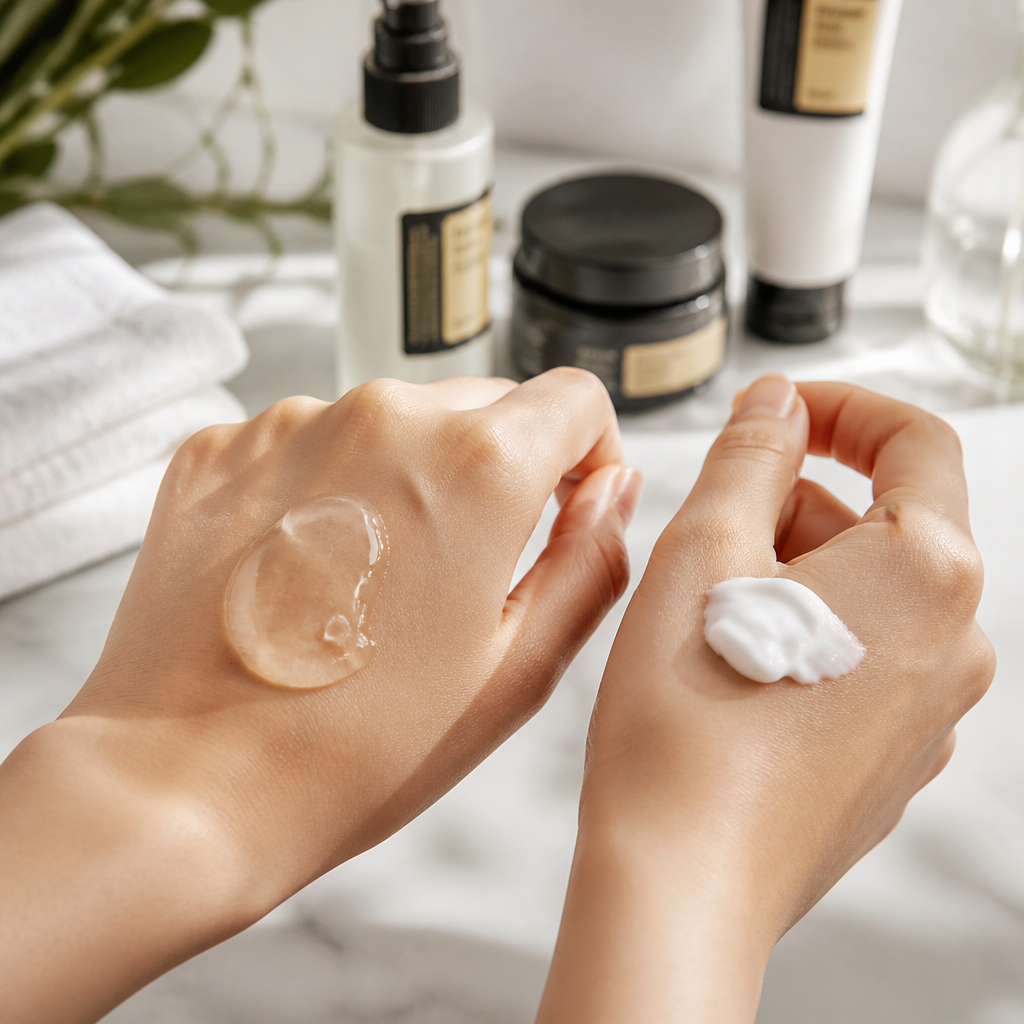
Products containing snail secretion filtrate come in various forms, with serums and creams being two of the most popular. They differ in texture, concentration, and function, which influences how you should use them. A serum is best for delivering concentrated active ingredients deep into the skin, while a cream primarily provides surface moisture and creates a protective barrier.
| Feature | Snail Mucin Serum | Snail Mucin Cream |
|---|---|---|
| Texture | Lightweight, gel-like | Thicker, richer |
| Position | Apply after toning, before cream | Apply as a final moisturizing step |
| Function | Targets specific concerns (e.g., fine lines) | Provides surface hydration and locks in moisture |
| Best For | Oily/combination skin, or for layering | Dry/mature skin, or for winter use |
Oily or combination skin types might find a serum sufficient, while dry or mature skin may benefit from using both for maximum hydration.
How to Use Snail Mucin with Other Ingredients and Concerns
This ingredient's gentle and adaptable nature makes it compatible with many other skincare actives. Its ability to hydrate and soothe can enhance the effectiveness of other products while potentially reducing their side effects.
How to Use Snail Mucin with Other Ingredients
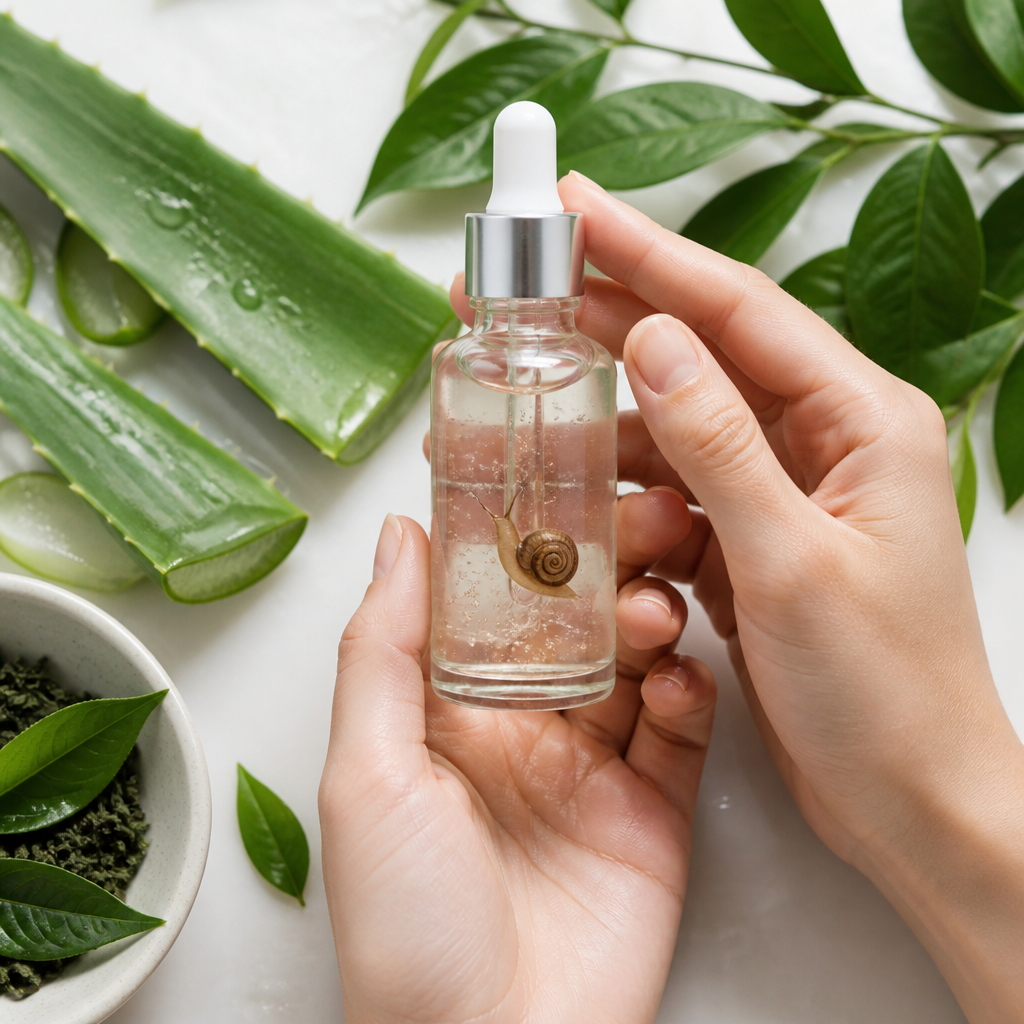
Snail mucin is known for its compatibility with many common skincare ingredients, making it a versatile addition to almost any routine. Its gentle nature allows it to be layered with various actives without causing adverse reactions.
Dr. Anjali Mahto, a consultant dermatologist, highlights this synergy, stating that "snail mucin's anti-inflammatory properties make it an ideal partner for potentially irritating actives like retinoids and acids, as it helps maintain skin barrier function while allowing these ingredients to work effectively."
Here are some popular pairings:
- Hyaluronic Acid: Apply hyaluronic acid first on damp skin, followed by the filtrate for a powerful hydrating duo.
- Vitamin C: Apply your vitamin C serum first, wait 1-2 minutes, then apply the soothing second layer.
- Retinol: Snail mucin is an excellent companion for retinol, which can be irritating and drying on its own. Applying retinol first, then waiting 20-30 minutes before applying a calming product, can help buffer irritation.
- AHA/BHA: Apply chemical exfoliants first, wait 10-15 minutes, then follow up to restore hydration and calm potential irritation.
_When using potent actives like Vitamin C or retinol, always apply them first and allow them to absorb before layering other products._
Can You Use Snail Mucin for Acne Scars?
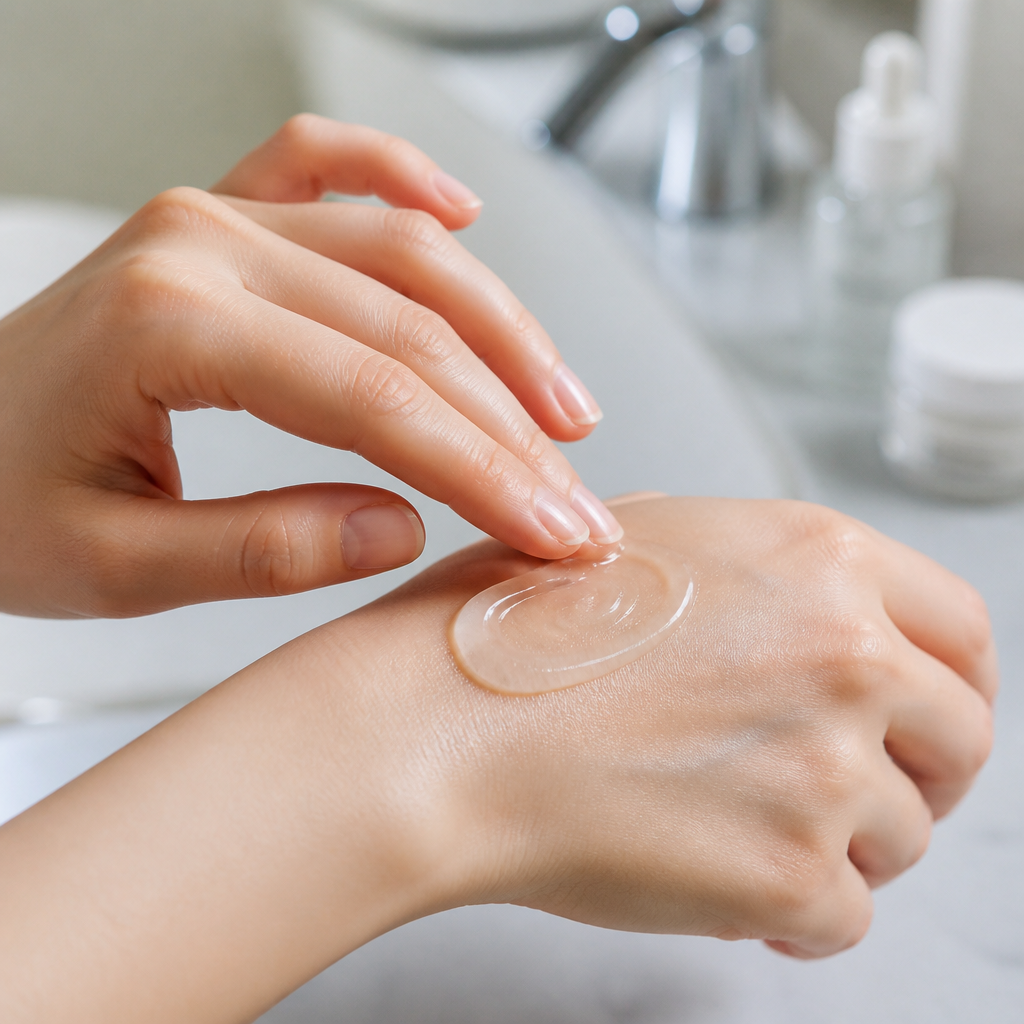
The ingredient has gained attention for its potential in addressing acne scars, particularly post-inflammatory hyperpigmentation (PIH) and certain textural irregularities. Its unique ingredient blend helps promote cell regeneration and aids in the gradual fading of dark spots left after acne.
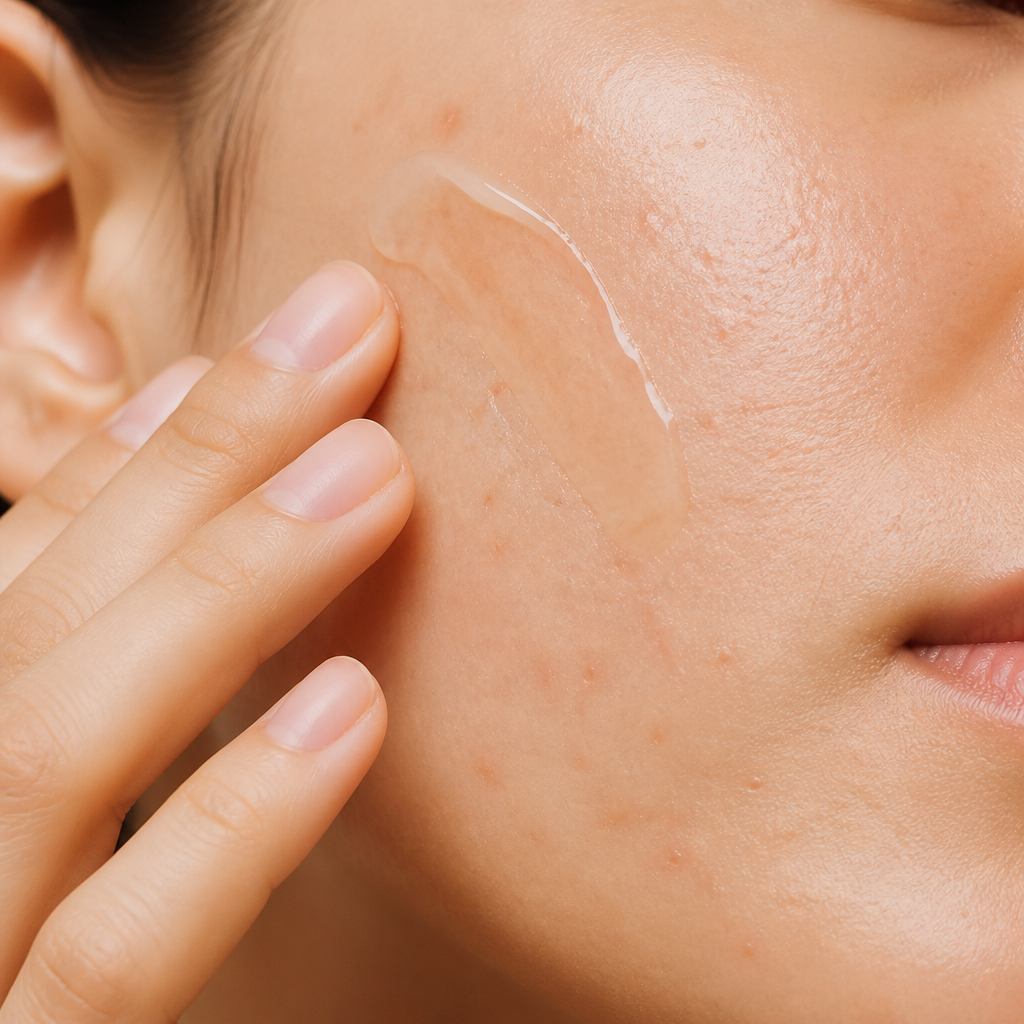
By supporting the skin's natural healing processes, it can improve the appearance of lingering marks. For targeting scars, apply a serum directly to the affected areas twice daily after cleansing. People often start noticing results after 8-12 weeks of consistent application, with studies showing a visible reduction in scar visibility and improvement in skin texture.
Dr. Dendy Engelman, a dermatologist, offers an expert perspective: "While snail mucin can help fade post-inflammatory hyperpigmentation and improve skin texture, it works best for superficial scarring and should be combined with professional treatments like microneedling or laser for deeper atrophic scars."
It is most effective for red marks (PIE) and dark spots (PIH) and shows moderate improvement for shallow atrophic scars. Importantly, its antimicrobial and anti-inflammatory properties make it safe to use on active acne, potentially preventing new scarring.

Hello! I’m Chloe Evans, a beauty enthusiast passionate about all things K-Beauty. Welcome to my blog, where I share honest reviews, essential skincare tips, and the latest Korean beauty trends. My goal is to help you build a simple yet effective routine for radiant, healthy skin. Join me on this journey to unlock your natural glow!