Is Double Cleansing Necessary? Truth, Benefits, and Risks
I first heard about double cleansing around 2016. My friend Sarah, who was deeply into K-beauty, swore by it, claiming it transformed her skin. Initially skeptical, I thought it was just another trend. However, my curiosity and a persistent concern about my congested T-zone eventually pushed me to try it. This two-step cleansing method, brought to Western skincare through the Korean beauty (K-beauty) movement, has actually been a staple in East Asian routines for decades.
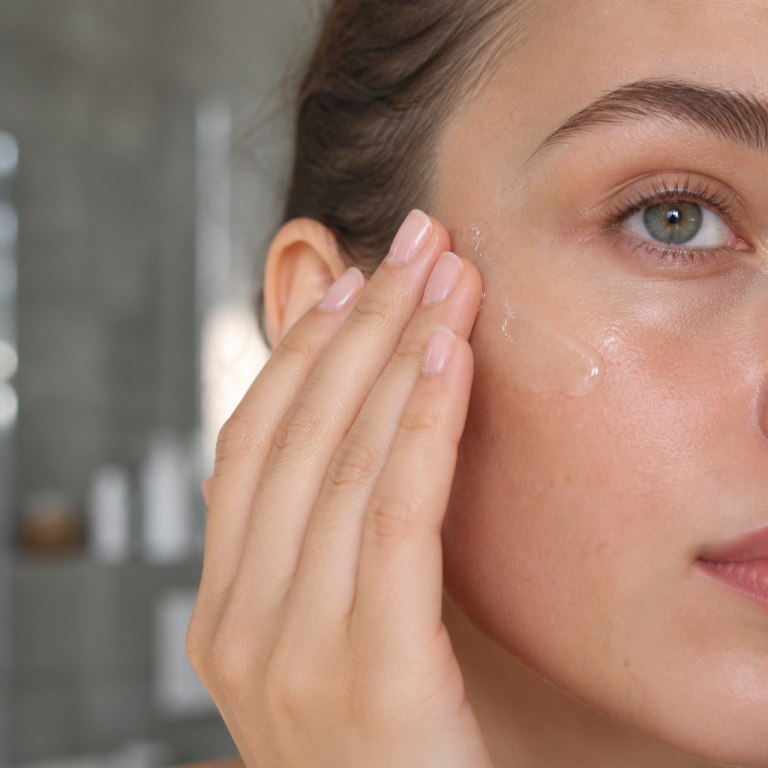
At its core, double cleansing starts with an oil-based cleanser. This type of cleanser is designed to break down and remove oil-soluble impurities, such as makeup, sunscreen, and the natural oils your skin produces, called sebum. Following this first step, a water-based cleanser is used to tackle water-soluble impurities like sweat, dirt, and any remnants from the initial cleanse. The primary aim? To thoroughly clean your skin, creating a fresh canvas for your other skincare products.
The question of whether double cleansing is truly necessary often arises, especially with the wide array of cleansing options available. Proponents highlight its remarkable ability to remove stubborn products. For instance, a 2019 study in the Journal of Cosmetic Dermatology provided scientific backing, showing that a single cleanse removed only about 72% of sunscreen residue. Double cleansing, however, significantly improved this, eliminating approximately 98% of both sunscreen and makeup. For me, this data makes a strong case, particularly for anyone who regularly wears heavy or long-lasting makeup.
Leading dermatologists also point to its advantages. Dr. Joshua Zeichner, Director of Cosmetic and Clinical Research in Dermatology at Mount Sinai Hospital, explains that double cleansing can be especially beneficial for individuals who wear a lot of makeup or water-resistant sunscreen. He notes that oil-based cleansers excel at dissolving these products without stripping the skin's natural moisture, a common concern with some harsher single cleansers. This gentle yet effective cleaning method is crucial for maintaining healthy skin.
While the American Academy of Dermatology (AAD) recommends thoroughly removing makeup and sunscreen before bed to prevent clogged pores and other skin issues, they don't specify double cleansing as the sole or universally required method. This suggests that while it offers clear benefits in certain situations, it might not be suitable for everyone. Ultimately, deciding if double cleansing is necessary depends on your unique skin needs, lifestyle, and the types of products you use. Understanding its pros and cons, and how they apply to different skin types and scenarios, can help you make an informed choice about whether to incorporate this two-step approach into your routine. From my perspective, it's about paying close attention to your skin's signals.
Double Cleansing Benefits and Drawbacks
Double cleansing provides several benefits, largely due to its ability to clean the skin more thoroughly than a single wash. This method is particularly effective at removing persistent impurities that can accumulate on your skin throughout the day. Key advantages include its superior performance in removing makeup, especially waterproof or long-wearing formulas, and mineral sunscreens, which are designed to adhere firmly to the skin. Beyond cosmetics, it excels at dissolving excess sebum and environmental pollutants.
This deep cleansing action helps prevent pores from becoming clogged, potentially leading to fewer acne breakouts. A 2021 study in the International Journal of Cosmetic Science highlighted another significant benefit: residual makeup and sunscreen can reduce the absorption of active skincare ingredients, like retinol and vitamin C, by up to 40%. By ensuring your skin is truly clean, double cleansing can enhance how well your serums, treatments, and moisturizers are absorbed and how effectively they work. I've personally noticed my skin seems to "drink up" my night serum after a good double cleanse.
However, alongside its advantages, double cleansing also carries potential downsides to consider. One primary concern is the risk of over-cleansing, which can disrupt your skin's delicate natural balance. Your skin's natural pH, typically around 4.5-5.5, can be thrown off by aggressive or frequent cleansing, possibly resulting in increased sensitivity and irritation. Over-cleansing can also compromise your skin's natural lipid barrier, its protective shield essential for retaining moisture and defending against external irritants. Damage to this barrier can lead to increased trans-epidermal water loss (TEWL), resulting in dryness, flaking, and a tight sensation.
Dr. Hadley King, a board-certified dermatologist, explains that stripping the skin's natural lipid barrier can paradoxically cause your skin to produce more oil as it attempts to compensate for lost moisture, creating a frustrating cycle for those with oily or combination skin.
Another practical consideration is the added time and expense associated with a two-step routine. Double cleansing typically adds an extra 5-10 minutes to your daily skincare regimen, which might be a deterrent for busy individuals. Furthermore, purchasing two separate cleansers can increase monthly skincare costs, potentially ranging from $20-$60, depending on the brands chosen. While the benefits of a thorough cleanse—with an estimated 95% effectiveness in impurity removal and a 30-40% improvement in product absorption—are substantial, the additional time and financial investment are factors to weigh against your personal needs and preferences.
Some experts also offer a counterpoint, suggesting that double cleansing might not be necessary for everyone.
Dr. Anjali Mahto, a consultant dermatologist, argues that for many people, a single high-quality cleanser can be perfectly sufficient. She suggests that while the double cleansing trend is effective for some, it could be an unnecessary marketing push, particularly for those who wear minimal makeup or have sensitive skin conditions like rosacea or eczema.
For these individuals, the risk of irritation and damaging the skin barrier might outweigh the perceived benefits, making a simpler, gentler cleansing approach more suitable. _Therefore, it's important to determine your individual skin type, lifestyle, and product usage to decide if it's the right choice for you._
Is Double Cleansing Necessary for Every Situation
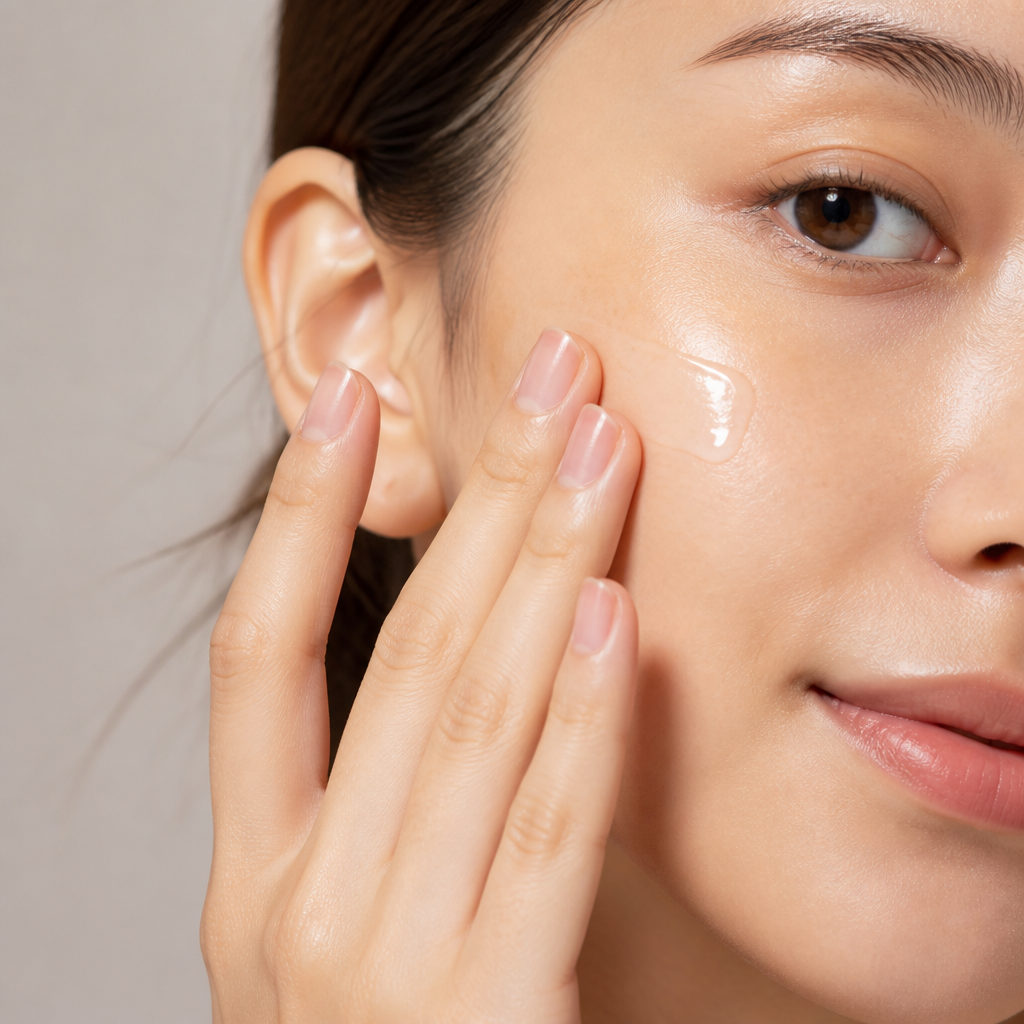
The need for double cleansing isn't a rigid rule; rather, it's a practice that adapts significantly based on your individual skin type, daily activities, and the products you use. While it can be highly beneficial for some, it might be excessive or even detrimental for others. Understanding how different skin types react to this two-step method, and when it's most appropriate, is key to effectively integrating it into your skincare routine.
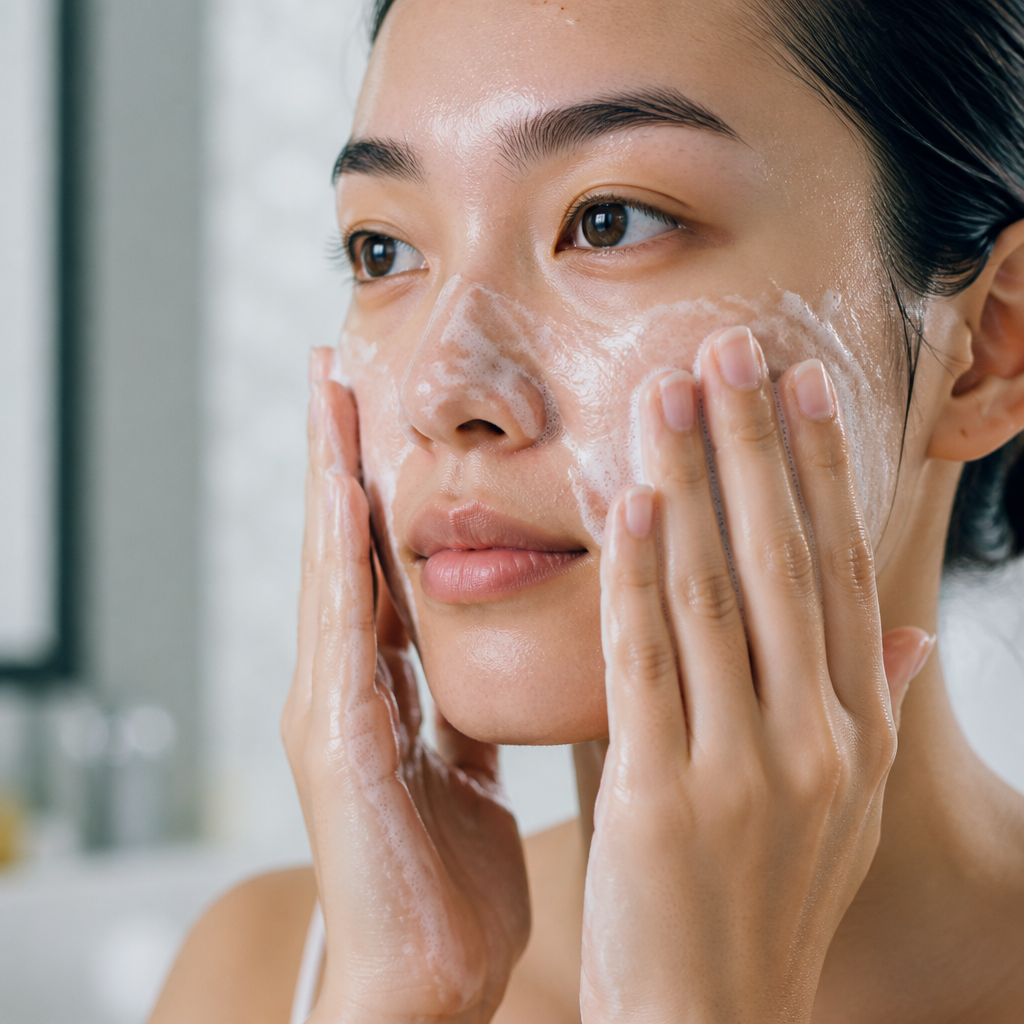
Is Double Cleansing Necessary for All Skin Types
The suitability of double cleansing truly depends on your skin type. Oily and combination skin generally see the most benefits, while dry and sensitive skin types should approach it cautiously or modify it significantly. Oily skin, known for producing a substantial amount of sebum, can greatly benefit from double cleansing. Oil-based cleansers are especially effective at dissolving this excess sebum, along with other oil-soluble impurities like makeup and sunscreen, without prompting the skin to produce more oil, which can sometimes occur with harsh, stripping cleansers. This helps keep pores clear and can reduce the likelihood of breakouts.
For individuals with combination skin, where the T-zone might be oily but cheeks are normal or dry, double cleansing can be helpful when used strategically. You can concentrate the oil cleanser on areas with heavy makeup or oilier spots, and be gentler on drier zones, allowing for a personalized approach. A 2020 study published in Dermatologic Therapy supports its benefits for acne-prone skin, finding that individuals with oily, acne-prone skin who double cleansed showed a 43% reduction in comedones (blackheads and whiteheads) over an 8-week period, compared to only an 18% reduction with single cleansing.
Normal skin types, which typically have balanced oil production, might not need to double cleanse daily. For these individuals, incorporating the method on days when they wear heavy makeup or water-resistant sunscreen is often sufficient, rather than making it a daily habit. However, for sensitive skin types, a much more careful approach is necessary. Dr. Dendy Engelman, a board-certified dermatologic surgeon, advises that sensitive skin, often characterized by a compromised skin barrier and lower levels of ceramides (essential fats for skin health), is more prone to irritation and inflammation from repeated cleansing. She recommends that these individuals either avoid traditional double cleansing altogether or opt for extremely gentle, non-stripping products if they choose to try it, always prioritizing their skin barrier's health.
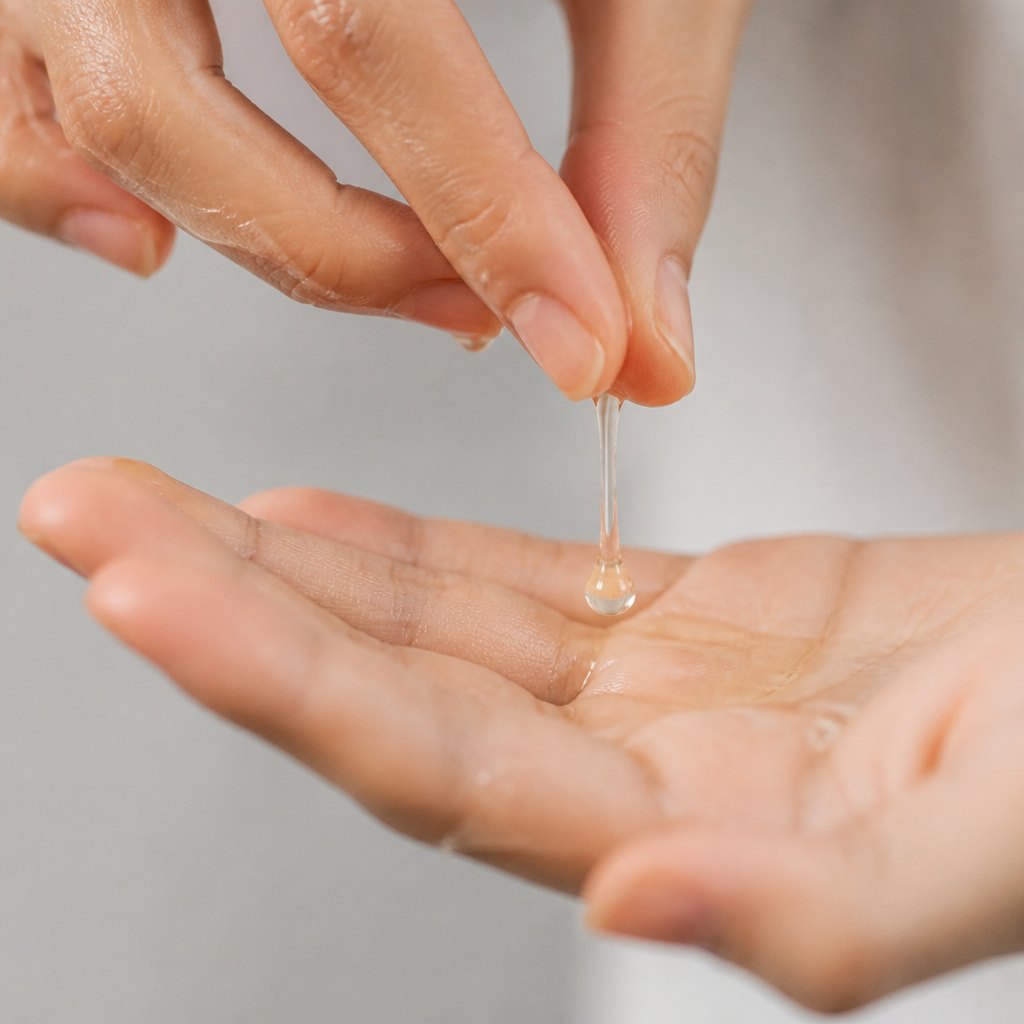
Is Double Cleansing Necessary for Dry Skin
For individuals with dry skin, double cleansing is generally not considered necessary and can often worsen existing issues like dryness, flaking, and irritation. Dry skin types naturally produce less sebum, meaning they have fewer natural oils to dissolve compared to oily or combination skin. The repeated cleansing steps, even with gentle products, can strip away essential natural oils vital for maintaining the skin's protective barrier and moisture levels. This can lead to increased trans-epidermal water loss (TEWL) and a feeling of tightness or discomfort.
Dr. Shari Marchbein, a board-certified dermatologist, advises that people with dry skin should largely avoid double cleansing _unless they're wearing heavy, waterproof makeup that absolutely requires more intensive removal_. Even in such cases, she recommends using exceptionally hydrating, non-stripping formulations for both steps and limiting the practice strictly to evenings, never in the morning. Morning cleansing for dry skin should be minimal, perhaps just a splash of water or a very gentle, creamy cleanser, to preserve the skin's natural moisture barrier that regenerates overnight.
Research published in Clinical, Cosmetic and Investigational Dermatology in 2022 showed that dry skin individuals who double cleansed daily experienced a significant 35% increase in TEWL and a 28% decrease in skin hydration levels after just four weeks. These findings strongly highlight how double cleansing can potentially harm the skin barrier and exacerbate dryness for this skin type. Instead of traditional double cleansing, dry skin types have several effective alternatives that provide thorough cleansing without stripping the skin. Micellar water, followed by a creamy, hydrating cleanser, can be an excellent option. Another suitable choice is a single oil-to-milk cleanser.
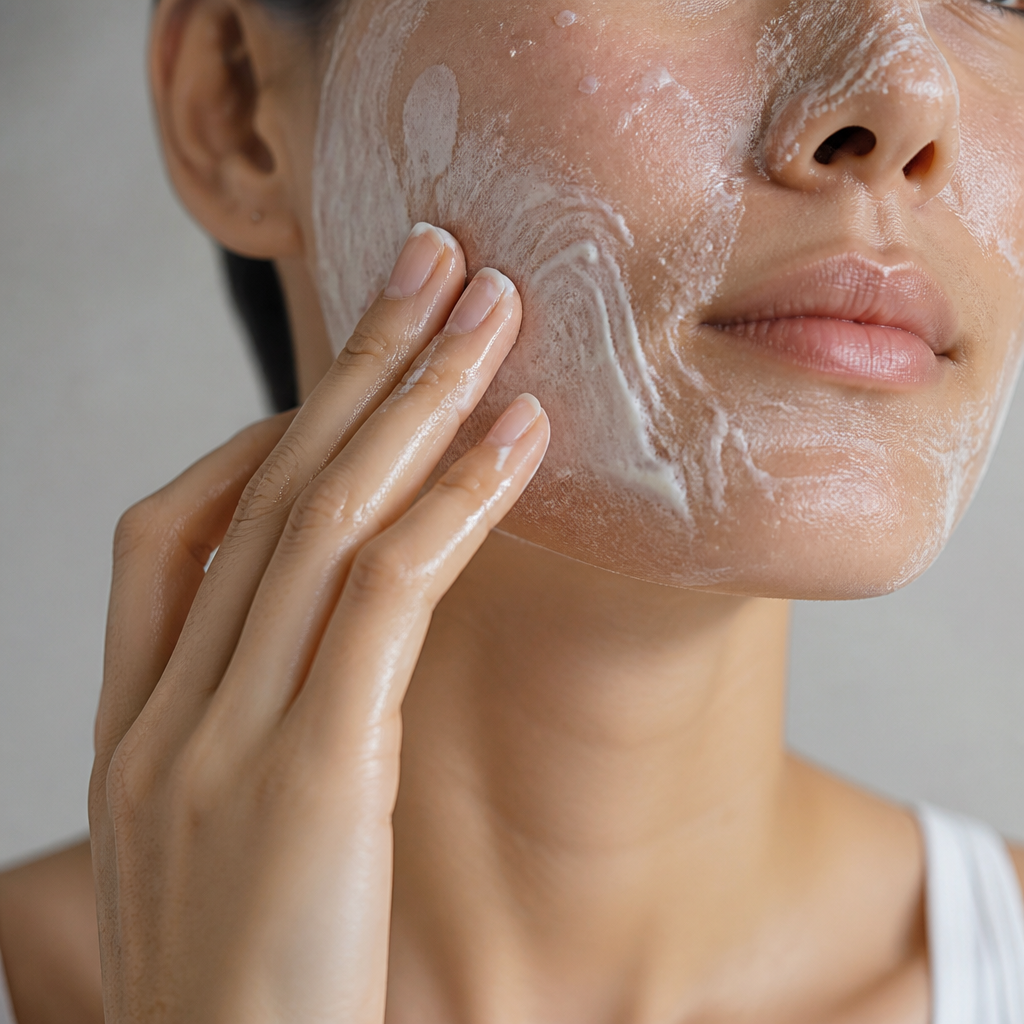
Is Double Cleansing Necessary Every Day
The question of whether double cleansing is necessary every day warrants a nuanced answer, as daily application isn't a universal requirement. How often you do it should be tailored to individual factors, including the amount and type of makeup and sunscreen you wear, your skin type, and exposure to environmental pollutants.
Dr. Marisa Garshick, a board-certified dermatologist, suggests that double cleansing is most appropriately reserved for evenings, especially on days when you've worn makeup, applied water-resistant sunscreen, or been exposed to significant environmental pollution. She notes that it's typically unnecessary in the morning. For individuals who wear minimal or no makeup, use lightweight sunscreens that are easily removed, or have dry or sensitive skin, daily double cleansing might be excessive. A 2021 dermatological study involving individuals with normal skin who wore minimal makeup found that daily double cleansing did not lead to a significant improvement in skin clarity compared to single cleansing, but it did result in a 15% increase in skin sensitivity markers.
Conversely, those who regularly wear heavy makeup or apply waterproof sunscreen may find benefits from daily evening double cleansing. The optimal frequency depends on your lifestyle.
| User Type | Recommended Double Cleansing Frequency |
|---|---|
| Heavy Daily Makeup User | 7 times per week (evenings) |
| Waterproof Sunscreen User | 5-7 times per week (evenings) |
| Light Makeup/Sunscreen User | 2-4 times per week (as needed) |
| Minimal Product User | 1-2 times per week (or as needed) |
Ultimately, listening to your skin and observing its response is crucial in determining the optimal frequency for your routine.

Is Double Cleansing Necessary in the Morning
For most people, double cleansing in the morning is generally not necessary and can even be counterproductive to your skin's health. During the overnight hours, your skin primarily accumulates a mix of natural sebum, dead skin cells, and any leftover skincare products. These impurities can be effectively removed with a single gentle cleanser, micellar water, or even just a splash of lukewarm water.
Dr. Michelle Henry, a board-certified dermatologist, explains that morning double cleansing is excessive for the majority of people. She points out that the skin's protective barrier naturally rebuilds and strengthens overnight. Aggressive morning cleansing can strip away these newly restored natural oils and disrupt your skin's delicate pH balance, potentially leading to increased sensitivity and a weakened barrier throughout the day.
There are a few exceptions where morning double cleansing might be considered. People with extremely oily skin who wake up with significant sebum buildup or those who apply heavy overnight treatments might consider a gentle first step. Research in the Journal of Investigative Dermatology suggests that the skin's natural lipid barrier is generally stronger in the morning, implying that aggressive cleansing could disrupt this protective function. Therefore, most dermatologists recommend a minimalist morning cleansing routine.
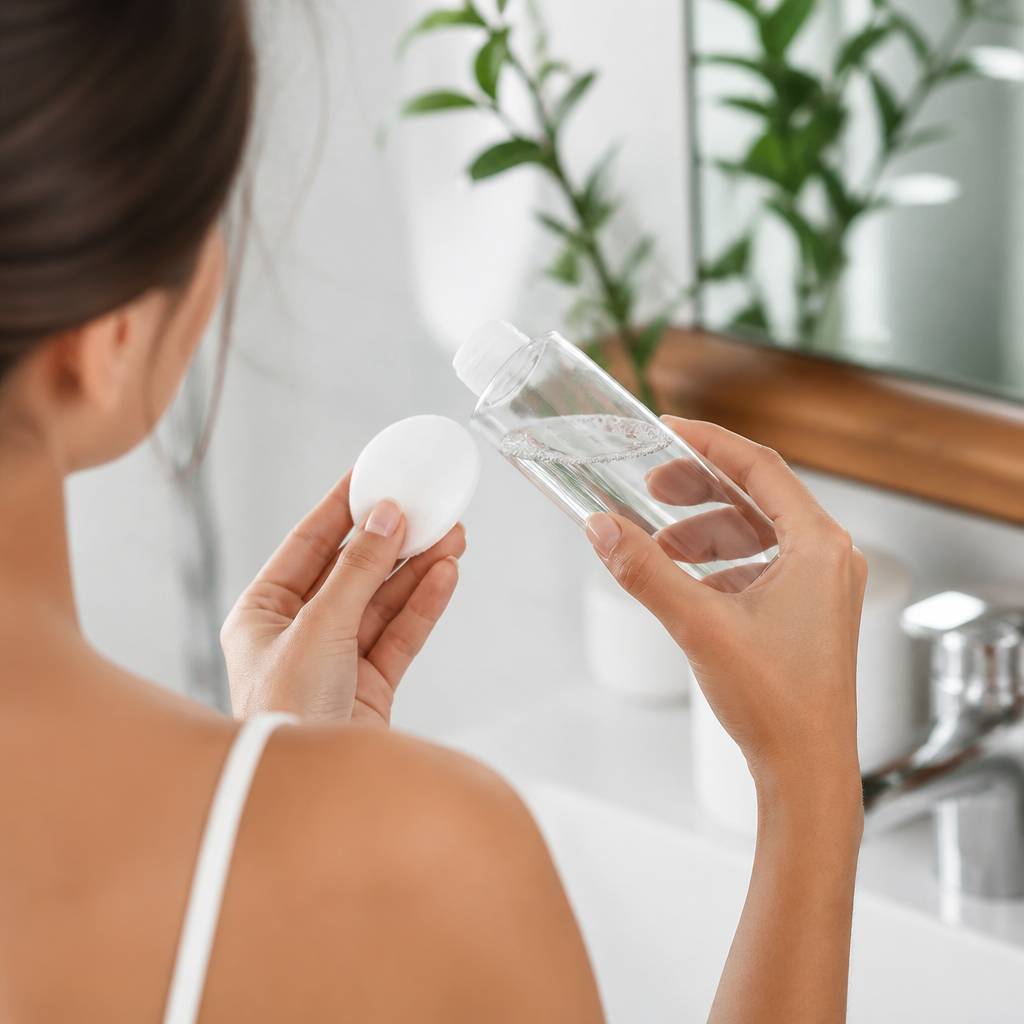
Is Double Cleansing Necessary with Sunscreen
Double cleansing is particularly beneficial and often highly recommended for effectively removing sunscreen, especially waterproof, water-resistant, and mineral (physical) sunscreens. These products are specifically formulated to create a protective barrier on the skin that resists sweat, water, and rubbing, making them much harder to remove with just one standard cleanse.
The effectiveness of double cleansing in this situation is well-supported by scientific evidence. A 2019 study published in the Journal of the American Academy of Dermatology showed a significant difference in sunscreen removal: a single cleansing method removed only about 68% of mineral sunscreen with an SPF 50+ rating. In contrast, an oil-based cleansing step followed by a water-based cleanser achieved a remarkable 97% removal of sunscreen residue.
For chemical sunscreens with lightweight, non-water-resistant formulas, a single thorough cleanse might suffice. However, for daily users of water-resistant or high-SPF sunscreens, double cleansing offers a crucial advantage. Dr. Adeline Kikam, a board-certified dermatologist, strongly emphasizes the importance of completely removing sunscreen. She explains that incomplete removal can lead to clogged pores and a reduction in the efficacy of your nighttime skincare products. The FDA's definition of water-resistant sunscreen—maintaining SPF protection for 40-80 minutes while swimming or sweating—underscores that these products are designed to resist removal, making a thorough cleansing method essential.
How to Double Cleanse Properly
Unlock the full potential of your skincare routine by discovering exactly how to double cleanse properly. The technique involves a specific order and application method for each cleanser to ensure you achieve the best results without stripping your skin.
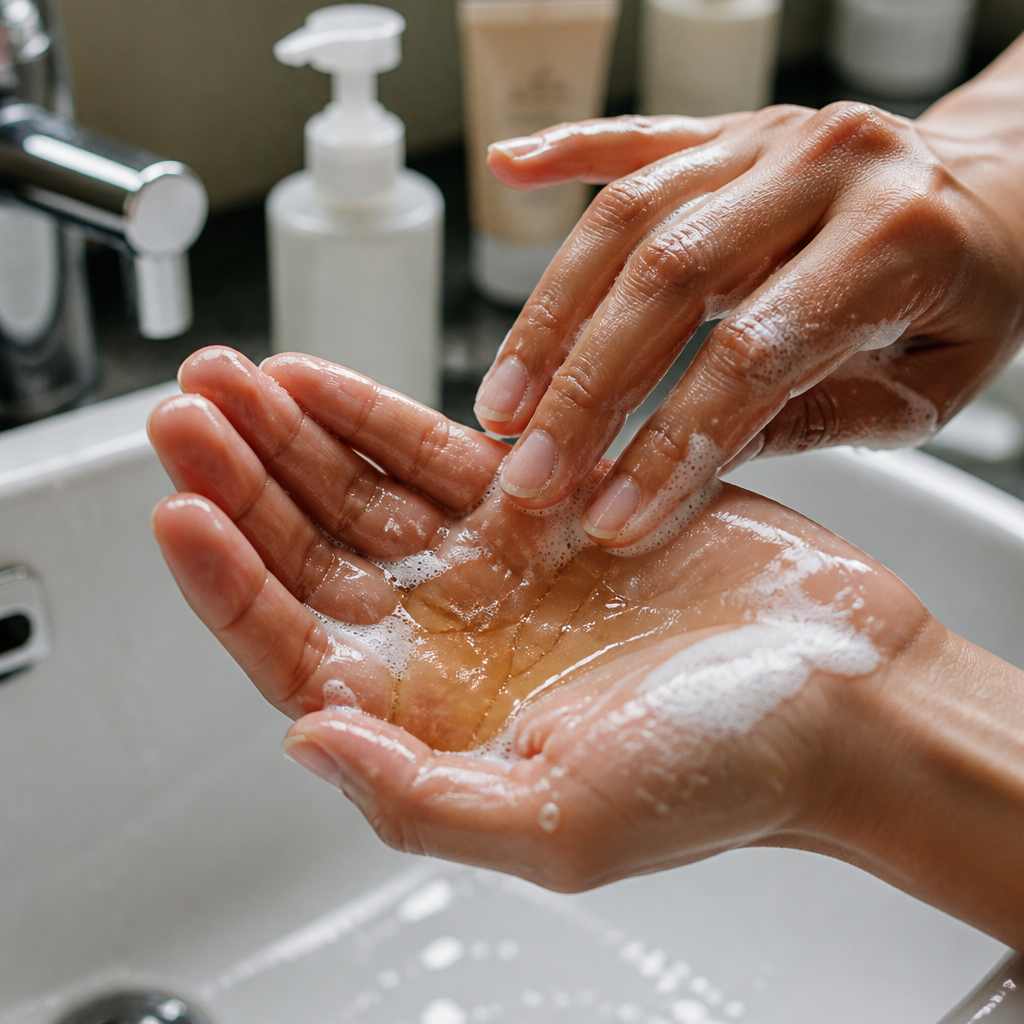
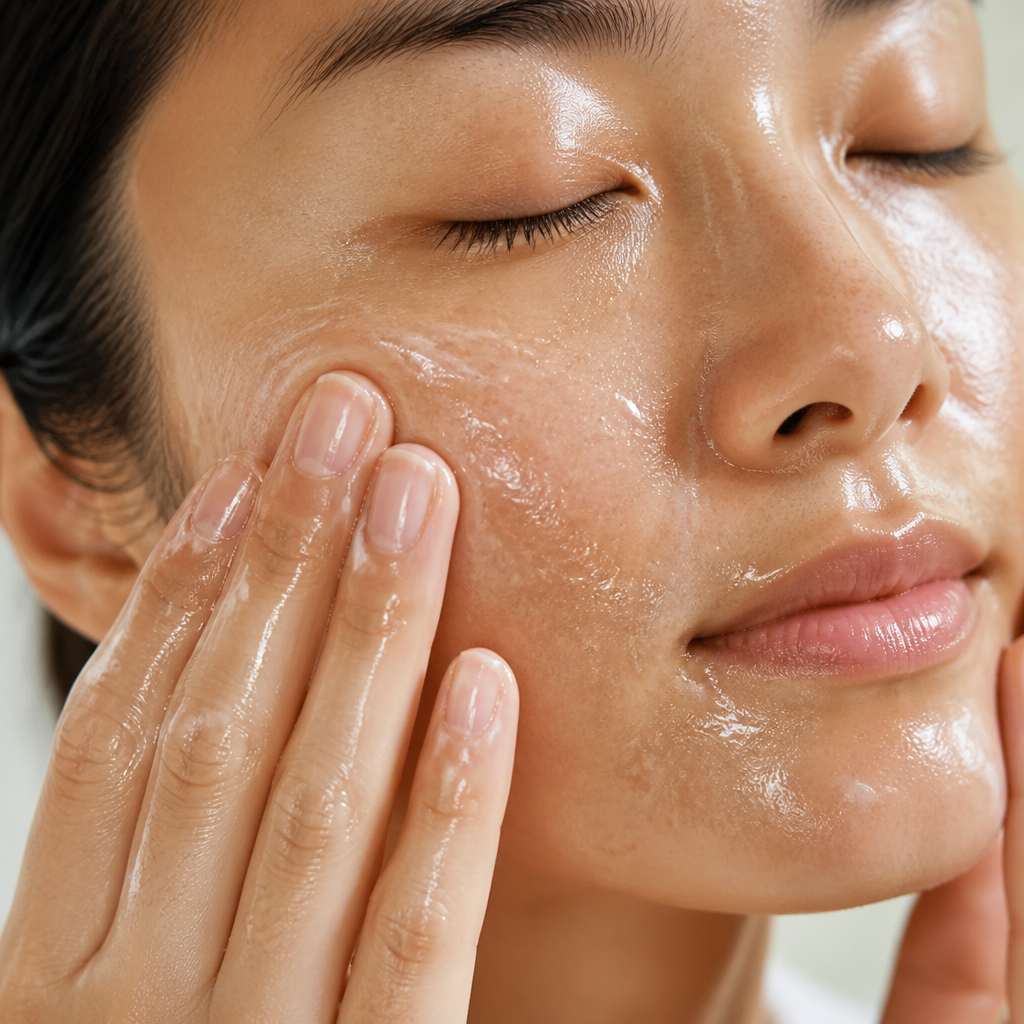
The first step uses an oil-based cleanser, which you apply to dry skin. This is key because oil dissolves oil, allowing the cleanser to effectively break down and lift oil-soluble impurities like makeup, sunscreen, and excess sebum. After applying, massage the cleanser into your skin for 60-90 seconds. Following this, add a small amount of water to your face to emulsify the oil cleanser, turning it into a milky texture that can then be thoroughly rinsed away. The second step involves a water-based cleanser, which you apply to damp skin to target water-soluble impurities like sweat and dirt.
To perform the process effectively, follow these steps:
- Start with completely dry hands and a dry face.
- Dispense an appropriate amount of oil cleanser—usually 2-3 pumps or a quarter-sized amount—into your palms.
- Gently massage the oil cleanser onto your dry face using upward, circular motions for 60-90 seconds. Pay special attention to areas where makeup or sunscreen tends to accumulate.
- Add a small amount of lukewarm water to your face and continue massaging. The oil cleanser will emulsify into a milky, white liquid.
- Rinse your face thoroughly with lukewarm water until all traces of the oil cleanser are gone.
- Next, apply your water-based cleanser to damp skin.
- Massage it into your face for 30-60 seconds, ensuring it lathers gently.
- Rinse your face completely with lukewarm water.
- Finally, gently pat your face dry with a clean, soft towel.
The temperature of the water used throughout the process is more important than many people realize. Lukewarm water, ideally between 98-105°F (37-40°C), is considered best. Water that is too hot can strip your skin of its natural oils, while cold water doesn't effectively emulsify cleansers. Dr. Loretta Ciraldo, a board-certified dermatologist, emphasizes that the massage technique is crucial, advising gentle, upward circular motions rather than harsh scrubbing. Avoiding common mistakes is key to a successful routine. These include using hot water, rushing the oil cleanser step, not emulsifying properly, and using harsh motions. _Always rinse thoroughly, as leftover residue can lead to breakouts or a dull complexion._
Double Cleansing Routine for Beginners
For individuals new to double cleansing, a gradual introduction is often the most effective. Instead of immediately adopting daily double cleansing, beginners should start by incorporating it into their evening routine just 2-3 times per week. This allows your skin to get used to the new method and helps you identify any potential sensitivities. When choosing products, it's often recommended to start with gentle, pre-formulated cleansing oils or balms paired with mild, fragrance-free water-based cleansers.
A structured starter routine can help guide beginners. For weeks 1-2, double cleanse approximately twice a week. If no irritation occurs, during weeks 3-4, the frequency can be increased to 3-4 times per week. From week 5 onwards, the routine can be adjusted to personal need. Charlotte Cho, a licensed esthetician, often recommends cleansing balms over oils for beginners as they offer a more user-friendly, less messy solid-to-oil texture.
Recognizing the signs of correct practice is essential. When done correctly, your skin should feel clean but not tight or "squeaky." There should be no residue, and you should not experience an increase in breakouts or irritation. Conversely, signs you need to adjust or stop include persistent tightness, increased redness, new breakouts, flaking, or a stinging sensation. These indicate the method or products might be too harsh for your skin. For those on a budget, many affordable drugstore options for cleansing balms ($8-$15), oils ($10-$20), and gentle cleansers ($6-$12) are available.
In conclusion, double cleansing is a skincare technique that offers significant benefits, particularly for individuals who regularly wear makeup, high-SPF sunscreens, or are exposed to environmental pollutants. However, it is not a one-size-fits-all solution. The necessity and frequency should be carefully considered based on individual skin type and lifestyle. By understanding the proper technique, selecting appropriate products, and listening to your skin's unique responses, you can determine if and how double cleansing can best support your skin health goals.
FAQ
Q1: What is double cleansing and where did it originate?
A1: Double cleansing is a two-step facial cleansing method that first gained popularity in Korea and Japan. It involves using an oil-based cleanser to remove oil-soluble impurities like makeup and sunscreen, followed by a water-based cleanser to wash away water-soluble impurities such as sweat and dirt.
Q2: Is double cleansing effective for removing sunscreen?
A2: Yes, double cleansing is particularly effective for removing sunscreen, especially waterproof, water-resistant, or mineral sunscreens. A 2019 study found that double cleansing removed 97% of sunscreen residue, compared to about 68% with single cleansing, making it highly beneficial for ensuring thorough removal.
Q3: Should all skin types double cleanse daily?
A3: No, daily double cleansing is not necessary for all skin types. While oily and combination skin types may benefit most, dry and sensitive skin types should approach with caution as daily use can exacerbate dryness or irritation. The frequency should be adjusted based on individual needs.
Q4: Is it necessary to double cleanse in the morning?
A4: Generally, double cleansing is not necessary in the morning. Overnight, the skin accumulates impurities that can be removed with a single gentle cleanser or just water. Morning double cleansing can be excessive and may strip the skin's protective barrier.
Q5: What are some common mistakes to avoid when double cleansing?
A5: Common mistakes include using hot water, rushing the oil cleanser step (it needs 60-90 seconds), not emulsifying the oil cleanser properly with water before rinsing, using harsh scrubbing motions, and not rinsing thoroughly, which can leave residue.

Hello! I’m Chloe Evans, a beauty enthusiast passionate about all things K-Beauty. Welcome to my blog, where I share honest reviews, essential skincare tips, and the latest Korean beauty trends. My goal is to help you build a simple yet effective routine for radiant, healthy skin. Join me on this journey to unlock your natural glow!