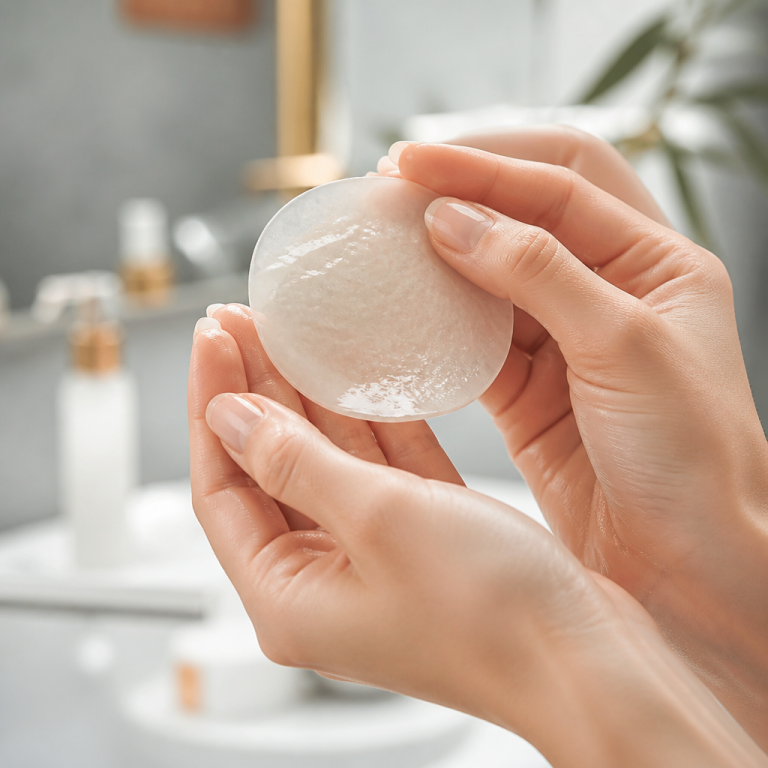
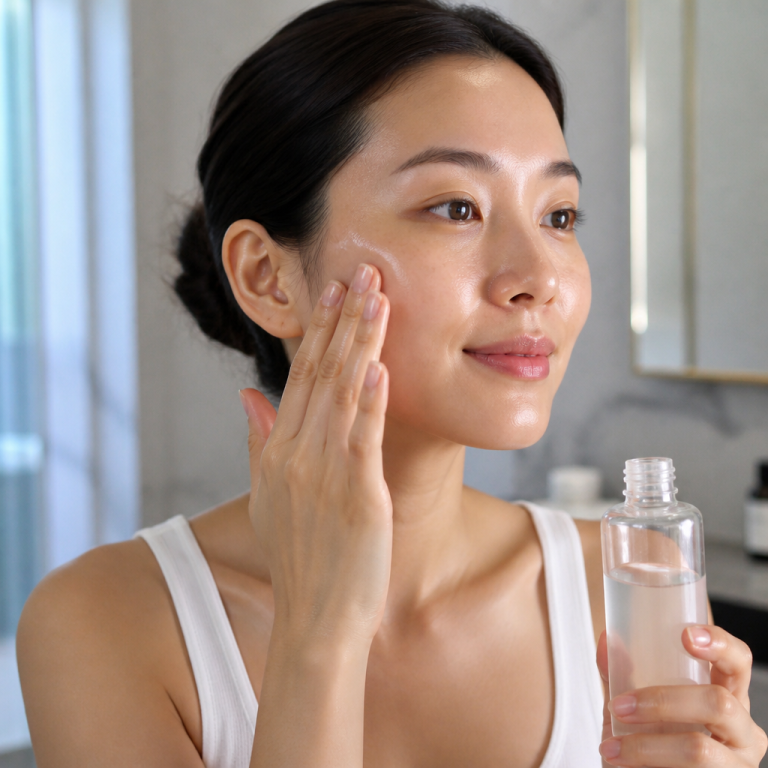
how to layer korean skincare: 10 Steps for Glowing Skin
I still vividly remember when Korean skincare truly clicked for me. It wasn’t just another passing trend; it felt like a revelation that hit me during my semester abroad in Seoul, South Korea, around late 2018. Everywhere I looked, from the busy streets of Myeongdong to the quiet cafes in Gangnam, people seemed to possess this incredible, dewy, almost translucent skin. I was completely fascinated and, admittedly, a little envious! That’s when I dove headfirst into understanding “layering”—the art of applying different products in a specific, thoughtful order, much like building a protective, nourishing shield for your skin. Since then, adopting this multi-step regimen has completely transformed my own skin, shifting it from dull and dehydrated to healthy and glowing. Unlock the secrets to this practice that has reshaped how countless others, including myself, approach our daily beauty routines.
This approach, originating in South Korea, involves carefully applying various products one after another, typically moving from the lightest (like watery toners) to the heaviest (like thick moisturizers). The primary aim is to help each product soak into your skin as much as possible and perform optimally, ensuring your skin receives a full spectrum of benefits. A standard Korean skincare routine can include anywhere from 7 to 10 steps, covering everything from cleansing to toning, treating, and moisturizing. These steps are designed to work together seamlessly for the healthiest possible skin (1, 2). Personally, witnessing the visible improvements in my skin over time, such as increased hydration and a brighter complexion, truly cemented my belief in this method.
The global fascination with Korean skincare surged in the 2010s, capturing widespread attention with its innovative products and meticulous methods. This immense popularity has made a significant impact on the beauty industry. In 2022, the South Korean makeup and skincare market was valued at approximately $13.1 billion, underscoring its influence and consumer demand. Experts project continued growth, potentially reaching an impressive $18.32 billion by 2030, with an annual growth rate of about 4.4% (3). This steady expansion reflects not just market success but also the deep trust and interest people have in Korean skincare practices. From my observations, this trust stems from the tangible results people experience.
Beyond compelling narratives and market data, scientific studies support the efficacy of this layered approach. A 2019 study published in Cosmetic Dermatology offered strong evidence that applying multiple skincare products in layers can significantly enhance skin hydration. The research found this method could boost skin water content by up to 40% compared to using a single product. The key, according to the study, lies in applying products in the correct sequence, which allows each formula to penetrate effectively and deliver its intended benefits (4). This scientific backing validates the core concept of Korean skincare: a thoughtful layering strategy yields superior results.
Leading skincare experts also endorse this methodology. Dr. Charlotte Cho, a licensed esthetician, the founder of the well-known Korean beauty retailer Soko Glam, and the author of “The Little Book of Skin Care,” provides valuable insight into the philosophy behind layering. Dr. Cho explains:
“The Korean skincare philosophy is about treating your skin with multiple thin layers of hydration and treatment rather than one thick layer. This allows each product to be absorbed properly and work synergistically” (5).
Her statement emphasizes that light, successive layers are more beneficial than a single heavy application because they allow for better absorption, and the ingredients can work together, enhancing the overall effect. This holistic perspective, combining scientific understanding with expert experience, forms the foundation of effective Korean skincare layering. The careful application of each product, allowing it to fully absorb before the next, is what truly contributes to glowing, healthy skin. This step-by-step process isn’t merely about using more products; it’s about using them intelligently to create a balanced and effective routine. I personally find this approach—less product per layer, but more targeted steps—to be brilliant.
Korean Skincare Layering: The Basics
How Do You Layer Korean Skincare Products in Order?
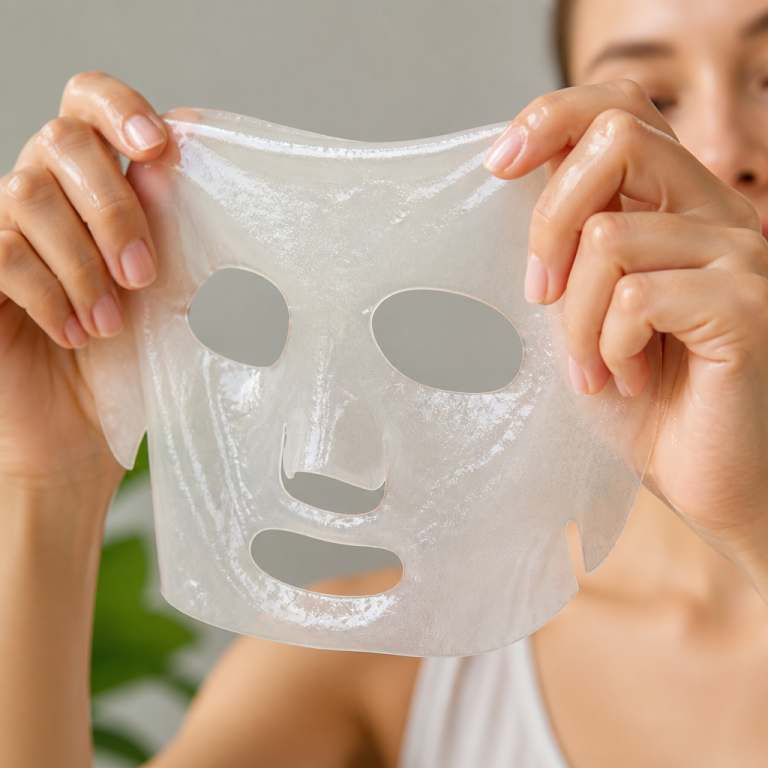
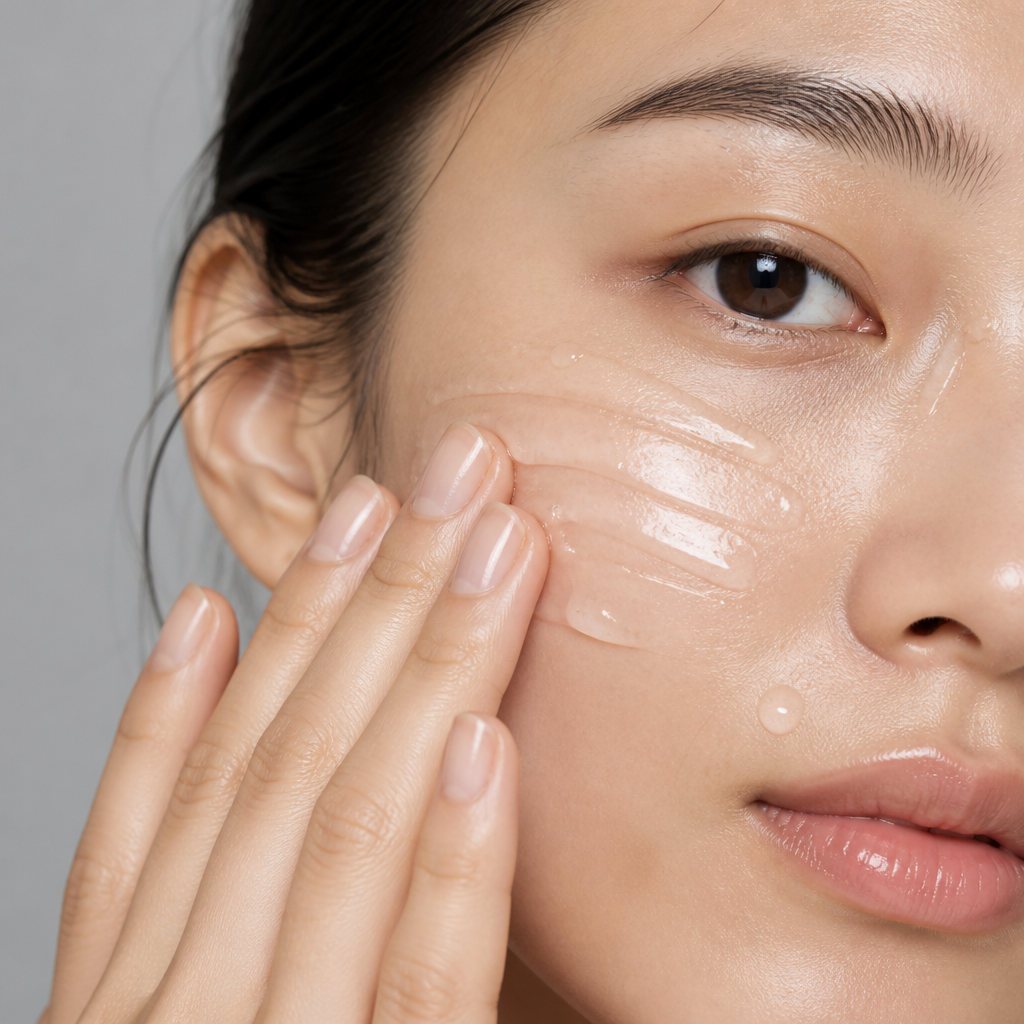
Understanding the correct sequence for applying Korean skincare products is vital for achieving desired results. The standard Korean skincare layering order is carefully designed around the principle of applying products from the lightest (thinnest) to the heaviest (thickest) consistency. This sequence facilitates optimal absorption and effectiveness. This structured approach typically begins with an oil cleanser, followed by a water-based cleanser, an exfoliator (used 2-3 times weekly), toner, essence, serum or ampoule, a sheet mask (also 2-3 times weekly), eye cream, moisturizer, and finally, sunscreen for your morning routine (1, 6). Each step prepares the skin for the next, creating an ideal environment for ingredient penetration.
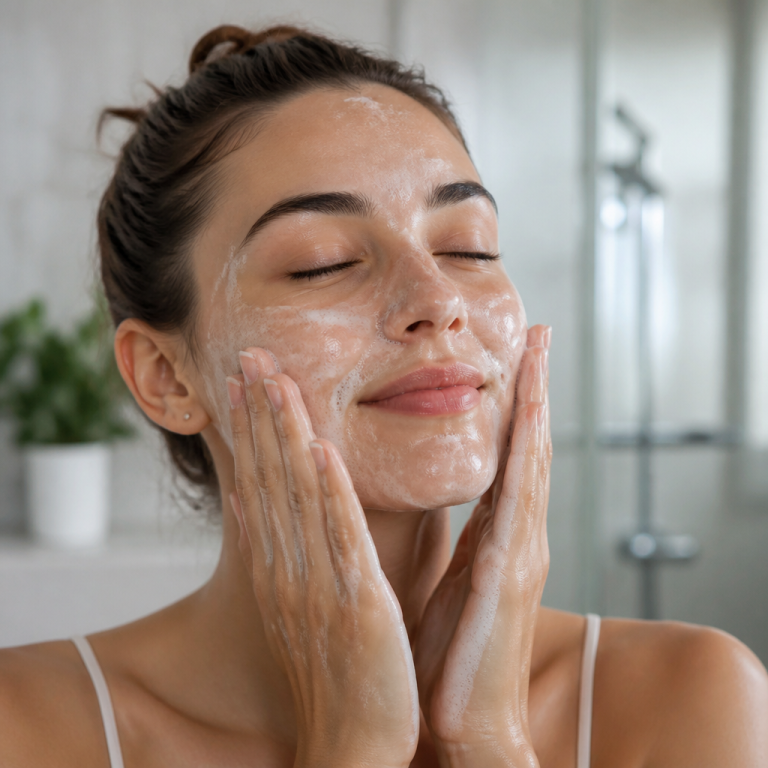
A cornerstone of the Korean routine is the “double cleanse” method, which initiates the entire process. This technique is specifically designed to address the two main types of impurities that accumulate on the skin throughout the day. The first step, an oil-based cleanser, effectively dissolves oil-soluble impurities—substances that mix with oil, such as makeup, sunscreen, and excess natural skin oils (sebum). Subsequently, a water-based cleanser targets water-soluble impurities like sweat, dirt, and environmental pollutants. This two-part approach ensures thorough cleansing without stripping the skin’s natural moisture, leaving it clean, balanced, and receptive to subsequent products (7). In my experience, a proper double cleanse makes a significant difference; my skin feels genuinely refreshed, not tight.
The scientific rationale behind this layering order is well-supported. Research published in the International Journal of Cosmetic Science in 2020 demonstrated that applying products in order of increasing viscosity (thickness) significantly enhances skin absorption. The study found this method could boost ingredient penetration by 25-30%. This occurs because lighter molecules, found in products like toners and essences, can more easily penetrate the skin before heavier, more occlusive (barrier-forming) ingredients, such as those in moisturizers, create a barrier. Applying heavier products first can impede the absorption of lighter, more active ingredients, diminishing their effectiveness (8). This highlights the importance of product consistency and molecular weight in the layering process.
Beyond the application order, the waiting time between steps also plays a crucial role in maximizing product performance. It’s generally recommended to allow each product sufficient time to absorb fully before applying the next layer. For instance, waiting 30-60 seconds after applying toner and about 1 minute after an essence is advisable. When using potent active serums, such as those containing vitamin C or retinol (a powerful vitamin A derivative used for anti-aging and acne), waiting a bit longer, perhaps 5-10 minutes, is often recommended. This extended period allows these potent ingredients to absorb completely and begin working without being diluted or compromised by subsequent layers, ensuring they deliver their full benefits to the skin (9, 10). I’ve found that patience during this stage really pays off, especially with my retinol serum; waiting that extra time definitely helps prevent irritation.
Dr. Sung Jae Jung, a dermatologist and the founder of the Dr. Jart+ skincare brand, offers an expert perspective on the science behind the layering order. He explains, “The order is based on pH levels and molecular size. Toners rebalance skin pH after cleansing, essences deliver concentrated hydration with small molecules, serums target specific concerns, and moisturizers seal everything in” (11). This insight clarifies that each product type is positioned within the routine to fulfill its function at the optimal time. Toners restore the skin’s natural pH balance (its acidity level), which cleansing can disrupt, creating a clean slate. Essences, with their smaller molecules, are designed for deep hydration. Serums then provide targeted treatments, and finally, moisturizers act as a protective barrier, locking in beneficial ingredients and preventing moisture loss. This comprehensive understanding of pH, molecule size, and function is what makes the Korean layering system so effective.
Korean Skincare Layering Routine Steps
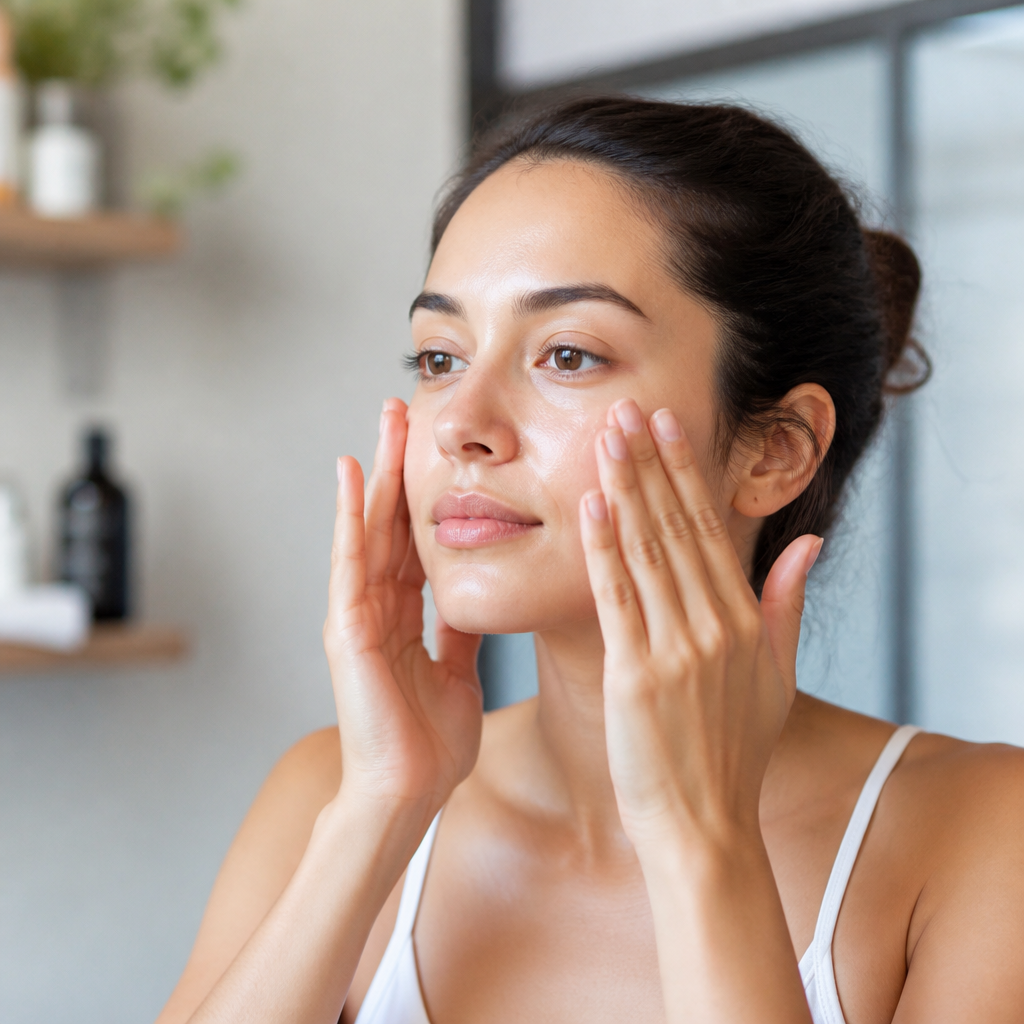
The comprehensive Korean skincare routine is renowned for its thoroughness, typically encompassing 10 distinct steps applied in a precise sequence to enhance overall skin health. Each step acts as a building block, contributing to the skin’s health and appearance. Here is a breakdown of the typical 10-step routine:
| Step | Product/Action | Primary Function |
|---|---|---|
| 1 | Oil-Based Cleanser | Dissolves makeup, sunscreen, and sebum. |
| 2 | Water-Based Cleanser | Removes sweat, dirt, and water-based impurities. |
| 3 | Exfoliator | Removes dead skin cells (use 2-3 times/week). |
| 4 | Toner | Balances skin pH and provides initial hydration. |
| 5 | Essence | Delivers concentrated hydration deep into the skin. |
| 6 | Serum/Treatment | Targets specific skin concerns (e.g., aging, acne). |
| 7 | Sheet Mask | Provides an intensive boost of hydration/treatment. |
| 8 | Eye Cream | Moisturizes and protects the delicate eye area. |
| 9 | Moisturizer | Seals in all previous layers and hydrates the skin barrier. |
| 10 | Sunscreen (AM) / Sleeping Mask (PM) | Protects from UV rays or provides overnight nourishment. |
Each of these steps holds a unique and vital role within the routine, all working in concert to establish a balanced and effective skincare plan. Toning plays a key role in restoring the skin’s pH balance after cleansing. Essences are formulated to deliver deep moisture, often containing fermented ingredients. Serums and treatments are highly concentrated formulas designed to address specific issues. Moisturizers are essential for locking in all the hydration and beneficial ingredients, forming a protective barrier. Lastly, sunscreen is indispensable for protecting the skin from harmful UV damage during the day, while a sleeping mask can provide intense nourishment overnight (13).
While the 10-step routine is widely recognized, it’s important to understand that the Korean skincare philosophy emphasizes adaptability based on individual skin needs and current condition. The routine isn’t a rigid set of rules but rather a flexible framework. For beginners, starting with a simpler routine focusing on 5 core steps—cleansing, toning, essence, moisturizing, and sunscreen—is often recommended. This allows the skin to gradually acclimate to new products without becoming overwhelmed. The full 10-step routine is typically reserved for evening routines or times when the skin requires extra care (14, 15).
The benefits of adhering to a structured, multi-step Korean skincare routine are backed by scientific evidence. A 2021 clinical study in the Journal of Dermatological Treatment found that over a 12-week period, participants experienced a 38% increase in skin hydration, a 28% reduction in transepidermal water loss (TEWL), and a 23% improvement in skin elasticity (16). These results highlight the profound positive impact that a consistent Korean skincare layering routine can have on overall skin health.
How Should Beginners Layer Korean Skincare?
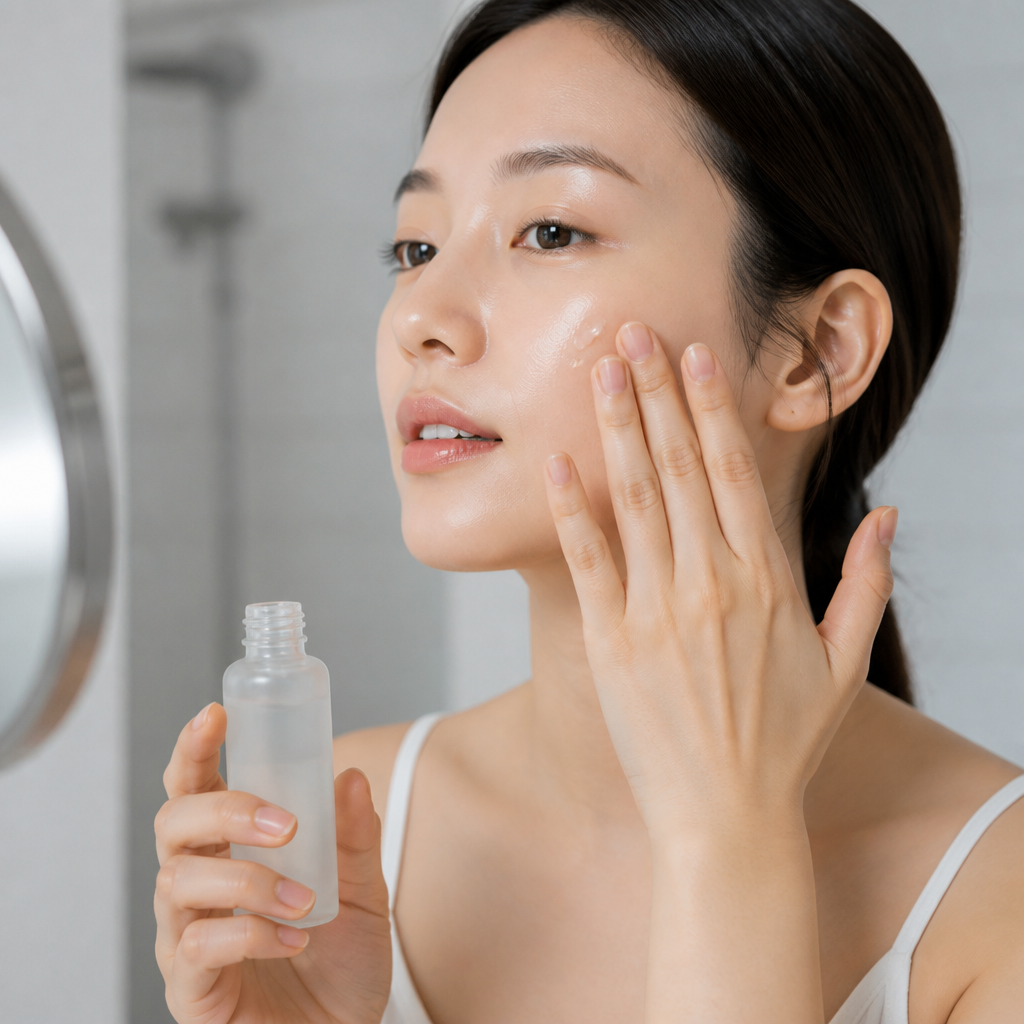
Embarking on a Korean skincare journey might seem daunting. For beginners, the most effective approach is to start with a simplified routine to avoid overwhelming the skin. It’s generally advisable to begin with a core 4-5 step routine focusing on essentials: a gentle cleanser, a hydrating toner, a lightweight moisturizer, and a broad-spectrum SPF 30+ sunscreen for morning protection. Once the skin has adapted to these basic products, a targeted serum can be introduced after carefully assessing the skin’s reaction (17, 18).
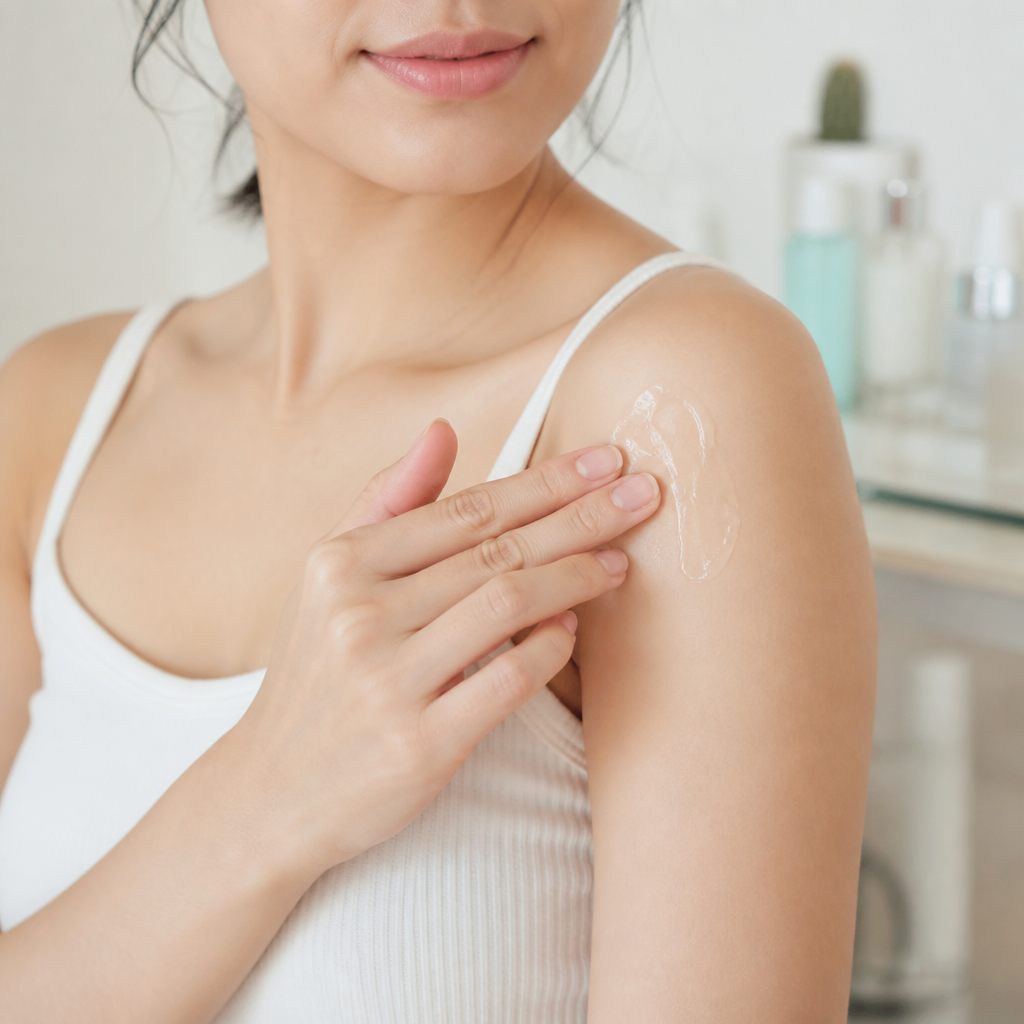
A critical rule for beginners is the “patch test.” This involves applying a small amount of a new product to an inconspicuous area of skin, such as behind the ear, and waiting 24-48 hours to check for any adverse reactions. Furthermore, when incorporating new products, introduce them one at a time, waiting 1-2 weeks between each new addition. This cautious method allows for accurate identification of any potential sensitivities or irritations caused by a specific product. _If you experience any redness or itching during a patch test, discontinue use of the product immediately._
Alicia Yoon, a licensed esthetician and founder of Peach & Lily, offers invaluable advice for new users. She strongly recommends that, “New users should focus on the three pillars first: cleanse, hydrate, protect. Master these basics for 4-6 weeks before adding actives like vitamin C or retinol. The biggest mistake beginners make is using too many products too quickly, which can damage the skin barrier and cause irritation” (20). Yoon’s expert opinion underscores the importance of establishing a healthy skin foundation before introducing potent active ingredients.
When selecting products for a beginner-friendly routine, prioritizing gentle formulas is paramount. For cleansers, choose gel or water-based options without harsh sulfates. Toners should be watery and alcohol-free. For moisturizers, lightweight gel or emulsion textures are excellent choices. Regarding sunscreen, chemical sunscreens often layer more smoothly into a multi-step routine. Prioritizing these gentle, hydrating, and easily layered textures ensures a smooth and positive start to Korean skincare (21).
Korean Skincare Layering by Skin Type
How to Layer Korean Skincare for Dry Skin
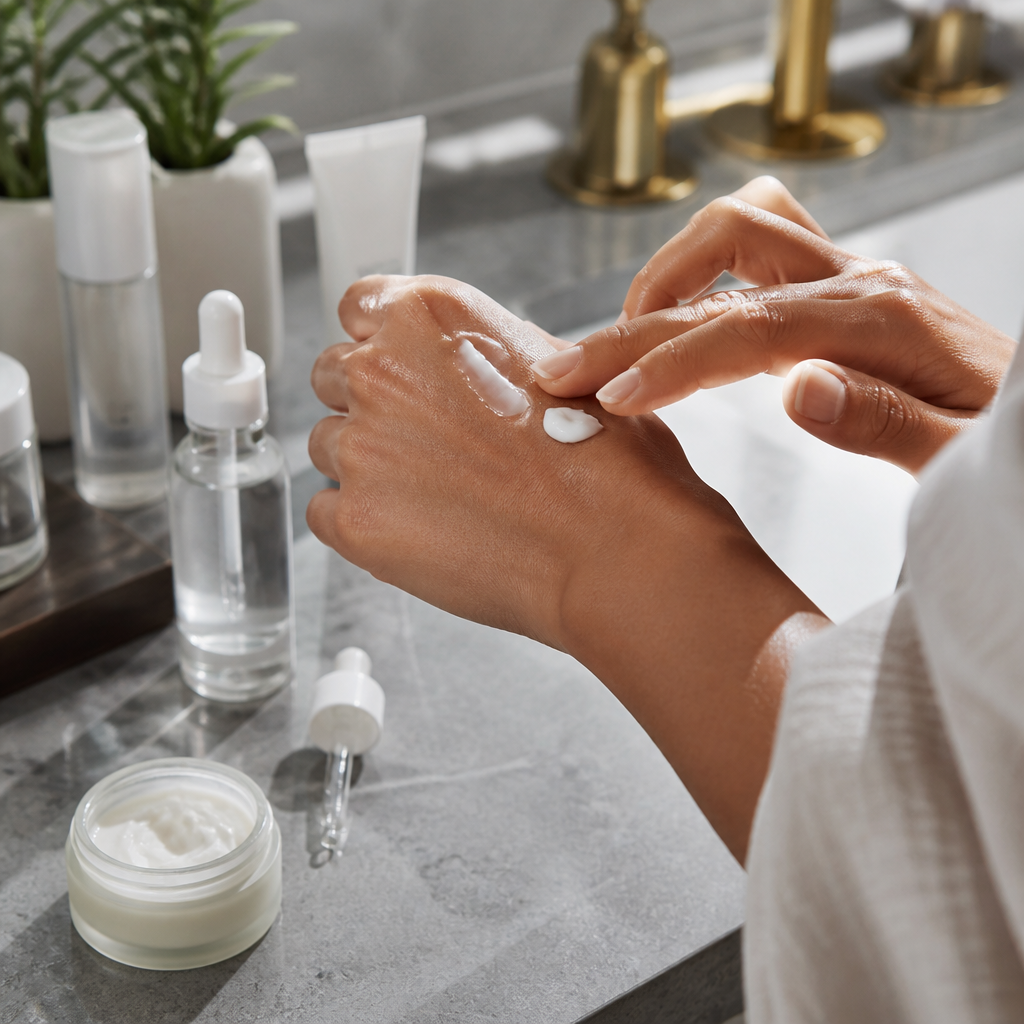
For individuals with dry skin, the Korean skincare layering method emphasizes intense hydration and the restoration of the skin’s moisture barrier. This involves applying layers of products rich in humectants (like hyaluronic acid and glycerin) and occlusives (ingredients that form a seal). Key ingredients include hyaluronic acid, glycerin, ceramides, and nourishing oils. The objective is to continuously replenish moisture and fortify the skin’s protective layer, alleviating dryness and discomfort (22, 23).
A recommended routine for dry skin is meticulously crafted to deliver maximum hydration. It begins with an oil-based cleanser and a mild cream cleanser. A hydrating toner is then applied, followed by a hydrating essence, a nourishing serum rich in ceramides or peptides, and a rich cream moisturizer. Finally, a facial oil can be applied to seal in all the moisture layers, offering an extra boost of nourishment (24, 25). The “7-skin method,” which involves applying a hydrating toner seven times in thin layers, is particularly beneficial for combating persistent dryness (26).
Scientific research substantiates the effectiveness of layering humectants and occlusives for dry skin. A 2022 study in the Journal of Clinical and Aesthetic Dermatology found that layering humectants beneath occlusive moisturizers significantly increased skin water content. Participants experienced a remarkable 52% increase in skin hydration after just 4 weeks compared to those who only used moisturizer (27).
When managing dry skin, it’s just as important to know what to avoid. Steer clear of products with high alcohol content and harsh exfoliants. Instead, opt for gentle enzyme or PHA (polyhydroxy acid) exfoliants at most once weekly. _Over-exfoliating can compromise an already fragile skin barrier, so use acids sparingly and with caution._ Mattifying formulas are also unsuitable for dry skin. The focus should be on cream or oil-based textures, and incorporating sleeping masks can provide an intensive overnight hydration boost (28, 29).
How to Layer Korean Skincare for Oily Skin
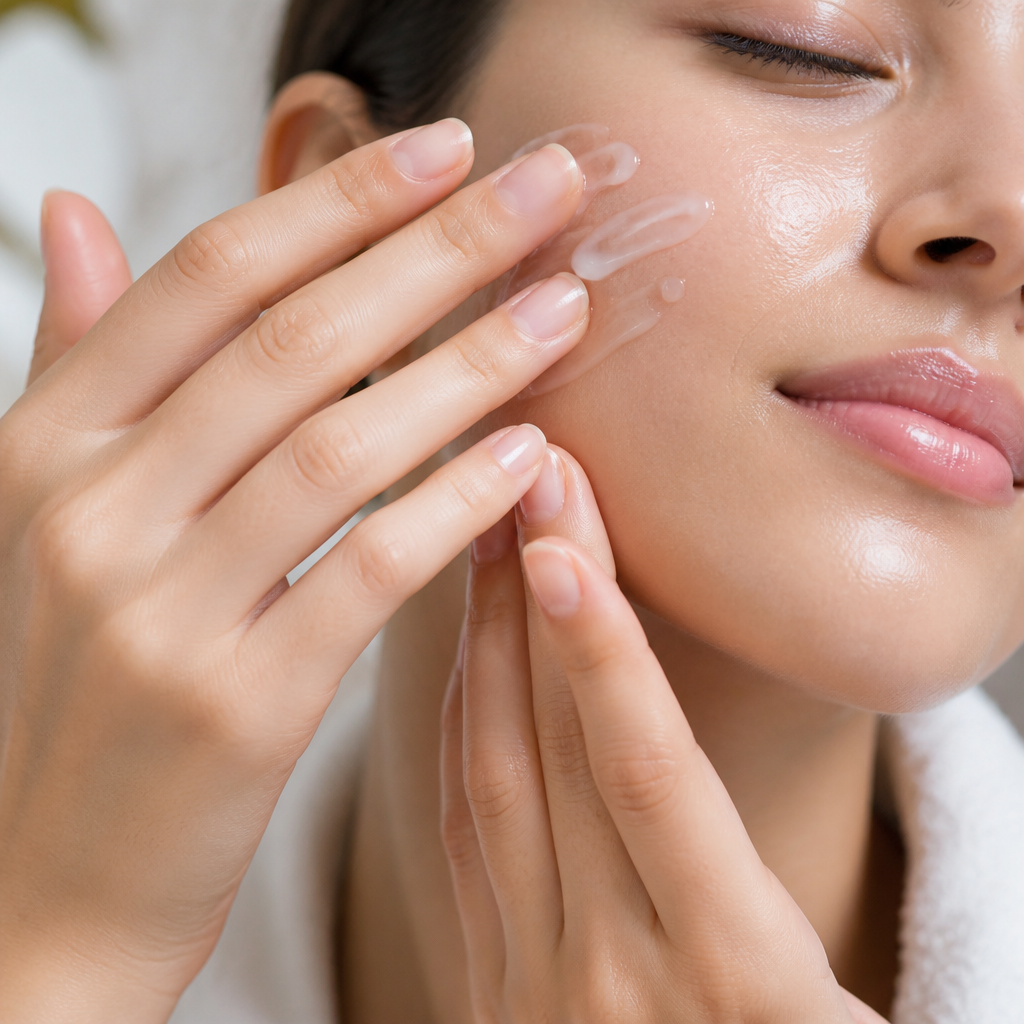
For individuals with oily skin, Korean skincare layering prioritizes lightweight, water-based hydration to balance oil production without clogging pores. This involves using gel textures, specific exfoliants like BHAs (beta-hydroxy acids), and oil-free products. This balance is crucial because stripping the skin of moisture can cause it to produce even more oil to compensate. The goal is to hydrate sufficiently to signal the skin that it doesn’t need to overproduce oil, while simultaneously keeping pores clear and minimizing shine (30, 31).
A suggested routine for oily skin begins with an oil-based cleanser (as oil dissolves oil), followed by a foaming water-based cleanser. A BHA exfoliant is used 2-3 times a week to clear pores. A balancing toner with niacinamide helps regulate oil production, followed by a lightweight watery essence. A gel moisturizer delivers hydration in a non-greasy manner, and a lightweight gel sunscreen provides crucial UV protection (32, 33).
Scientific evidence supports that adequate hydration is key to managing oily skin. A 2020 study in the International Journal of Dermatology indicated that using lightweight hydrating layers can reduce sebum (skin oil) production. Participants showed a significant 31% decrease in sebum secretion after 8 weeks, suggesting that when oily skin receives proper hydration, it is less prone to overcompensating (34).
Dr. Hwang Eui Park, a board-certified dermatologist, explains, “Oily skin often results from dehydration—the skin overproduces oil to compensate for lack of moisture. The Korean approach uses multiple light hydrating layers instead of heavy creams, which normalizes sebum production. Key ingredients are niacinamide to regulate oil, hyaluronic acid for hydration, and salicylic acid to keep pores clear” (35).
When curating a routine for oily skin, opt for gel and water-based textures. Heavy oils and rich butters should generally be avoided. Incorporating clay masks 1-2 times a week can help absorb excess oil. Always choose products labeled “oil-free” and “non-comedogenic” to minimize the risk of clogged pores and maintain a clear, balanced complexion (36, 37).
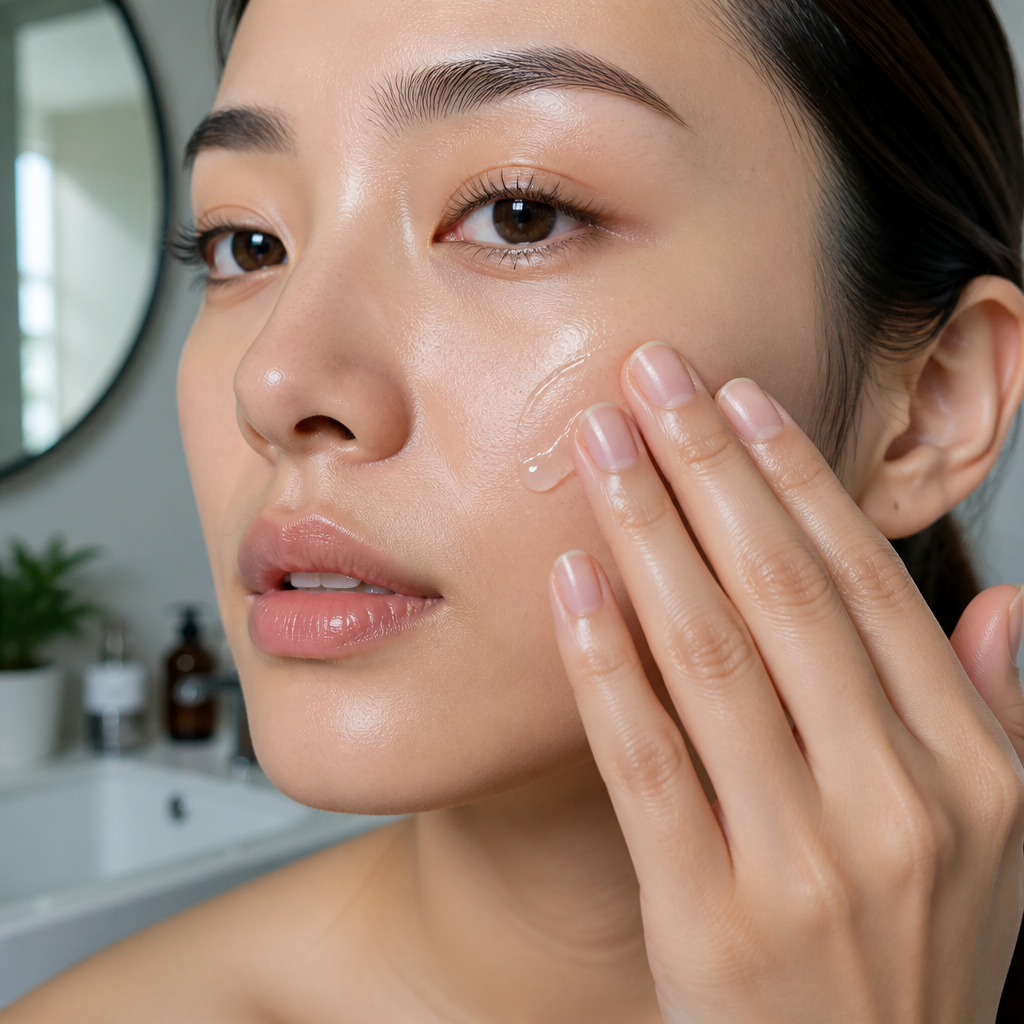
Korean Skincare Layering Best Practices
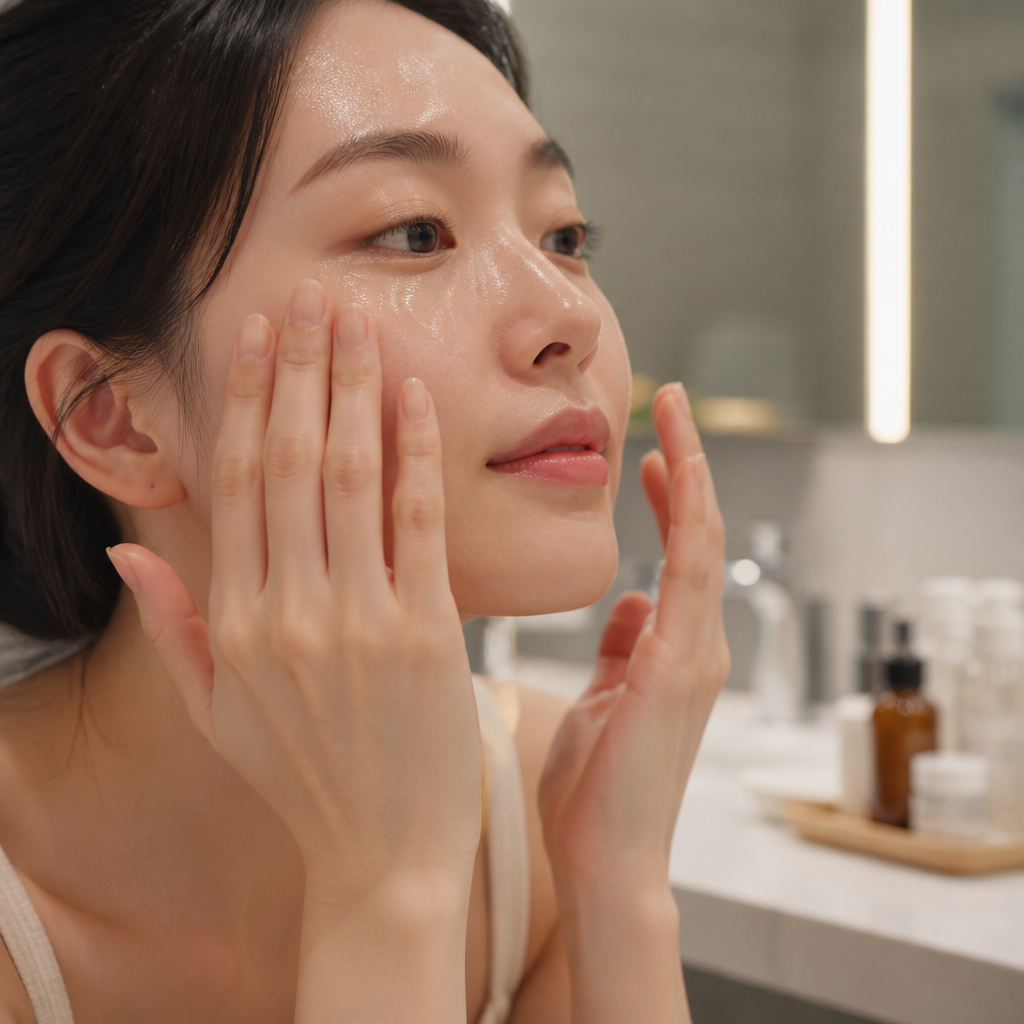
Korean Skincare Layering Tips and Tricks
Mastering Korean skincare layering involves more than just product order; it includes specific techniques. One fundamental technique is the “patting” method. Instead of rubbing products vigorously into the skin, gently pat products in with your fingertips. This method aids blood circulation and enhances product absorption without stressing delicate skin (38, 39). Temperature can also play a role; storing hydrating products like sheet masks in the refrigerator can help tighten pores and reduce inflammation, while warming facial oils between your palms enhances their absorption (40).
For those incorporating active ingredients, the “sandwich method” is a valuable technique to minimize irritation. This involves applying a hydrating toner, then the active serum (like retinol), and finally another layer of toner or light moisturizer. This “sandwiching” effect helps buffer the active ingredient, reducing the likelihood of irritation, especially for sensitive skin (41). Customizing your routine according to the season is another smart practice. Use lighter, watery layers in the humid summer and richer, heavier layers during the dry winter to meet your skin’s changing needs (42).
Experts also suggest advanced techniques. “Skin fasting” involves occasionally pausing your routine for 24-48 hours to help reset your skin (43). The “slugging” method entails applying an occlusive balm, like petroleum jelly, as the final step in your evening routine to trap moisture and enhance the absorption of other products. It is particularly beneficial for very dry skin or a compromised skin barrier (43). Combining products can also enhance results; for instance, adding a drop of facial oil to your foundation can create a dewy finish, while mixing a vitamin C serum with your moisturizer can help reduce potential irritation (44).
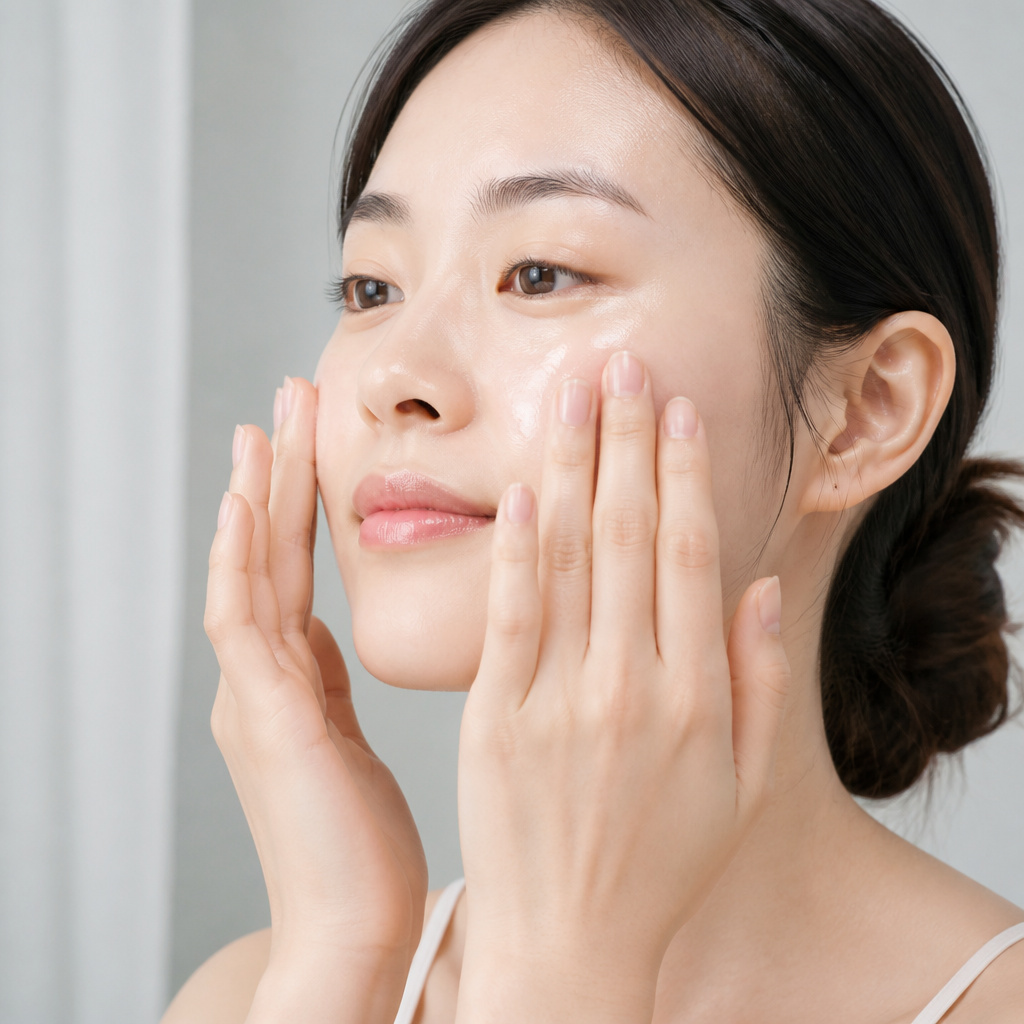
Korean Skincare Layering Mistakes to Avoid
While Korean skincare layering offers numerous benefits, certain mistakes can diminish its effectiveness. To get the most out of your routine, it’s crucial to avoid these common pitfalls:
- Over-Exfoliation: Using chemical exfoliants like AHAs or BHAs daily, or combining several strong acids, can severely damage the skin barrier. This leads to redness, sensitivity, and dryness. Limit exfoliation to 2-3 times a week (46, 47).
- Skipping Sunscreen: Applying a broad-spectrum SPF 30+ sunscreen daily, as the final step in your morning routine, is absolutely essential for protecting your skin. UV damage is a primary contributor to visible signs of aging, and many active ingredients increase sun sensitivity (48, 49).
- Applying Products in the Wrong Order: A 2021 study showed that applying an active ingredient before an occlusive moisturizer could decrease its penetration by up to 67%. Following the thinnest-to-thickest rule is critical for effectiveness (50).
- Using Too Many Actives at Once: Combining potent actives like retinol with AHA/BHA exfoliants in the same routine can be overly harsh. A more strategic approach is to use them on separate days or at different times (e.g., vitamin C in the morning, retinol at night) to prevent irritation (51, 52).
Dr. Audrey Kunin, a board-certified dermatologist, issues a strong caution regarding common mistakes:
“The biggest mistake I see with Korean skincare enthusiasts is using all 10 steps daily regardless of skin needs. This can lead to ‘product overload’—clogged pores, milia, and perioral dermatitis. Your skin doesn’t need everything every day. Listen to your skin and adjust accordingly. Also, never skip patch testing new products.” (53)
Applying products to dry skin is another mistake that impairs efficacy. The “damp skin method” suggests applying hydrating layers within 60 seconds of cleansing, while the skin is still moist, to enhance absorption (54). Failing to adapt your routine to changing needs and overlooking potential negative ingredient interactions are also common oversights. _Always consult a dermatologist before combining potent active ingredients, especially if you have sensitive skin._
FAQ
Q1: What is the core principle behind Korean skincare layering?
A1: The core principle of Korean skincare layering is to apply products in a specific order, typically from the thinnest to the thickest consistency. This method maximizes the absorption and effectiveness of each product, allowing ingredients to penetrate deeply and work synergistically (meaning they work well together) to improve skin health and hydration (1, 5).
Q2: Why is the “double cleanse” method important in Korean skincare?
A2: The “double cleanse” method is crucial because it thoroughly removes both oil-based impurities (like makeup, sunscreen, and sebum, or skin oil) with an oil cleanser, and water-based impurities (such as sweat and dirt) with a water-based cleanser. This ensures a comprehensive cleanse without stripping the skin, preparing it optimally for subsequent treatment steps (7).
Q3: How does Korean skincare layering benefit dry skin?
A3: For dry skin, Korean skincare layering focuses on intense hydration by using multiple layers of humectants (ingredients that draw moisture into the skin, like hyaluronic acid) and occlusives (ingredients that seal moisture in). This approach helps to restore the skin’s moisture barrier, significantly increasing hydration and reducing transepidermal water loss (TEWL, or water escaping from the skin) (22, 27).
Q4: What are some common mistakes beginners should avoid when starting a Korean skincare routine?
A4: Beginners should avoid over-exfoliation, which can damage the skin barrier, and skipping sunscreen, which cancels out other skincare efforts. It’s also important not to use too many active ingredients simultaneously and to always patch test (test a small amount on your skin) new products to prevent irritation and product overload (46, 48, 53).
Q5: Can the Korean skincare routine be customized, or must all 10 steps be followed daily?
A5: The Korean skincare routine is highly customizable. While a 10-step routine exists, it’s not mandatory to follow all steps daily. Beginners can start with 4-5 core steps, and individuals should adjust their routine based on their skin type, concerns, and seasonal changes. The full 10-step routine is often reserved for evening or special occasions (14, 53, 55).

Hello! I’m Chloe Evans, a beauty enthusiast passionate about all things K-Beauty. Welcome to my blog, where I share honest reviews, essential skincare tips, and the latest Korean beauty trends. My goal is to help you build a simple yet effective routine for radiant, healthy skin. Join me on this journey to unlock your natural glow!