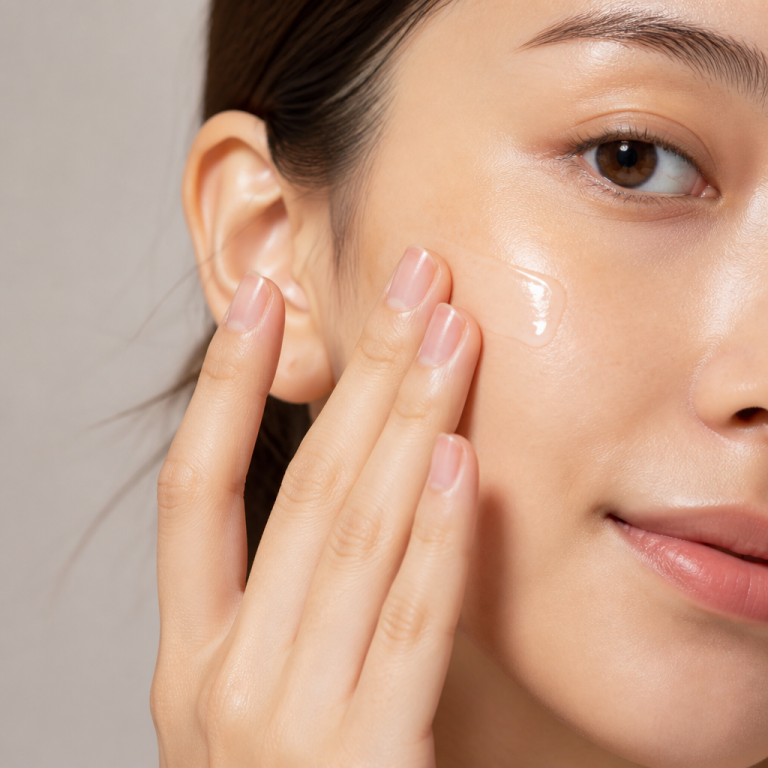
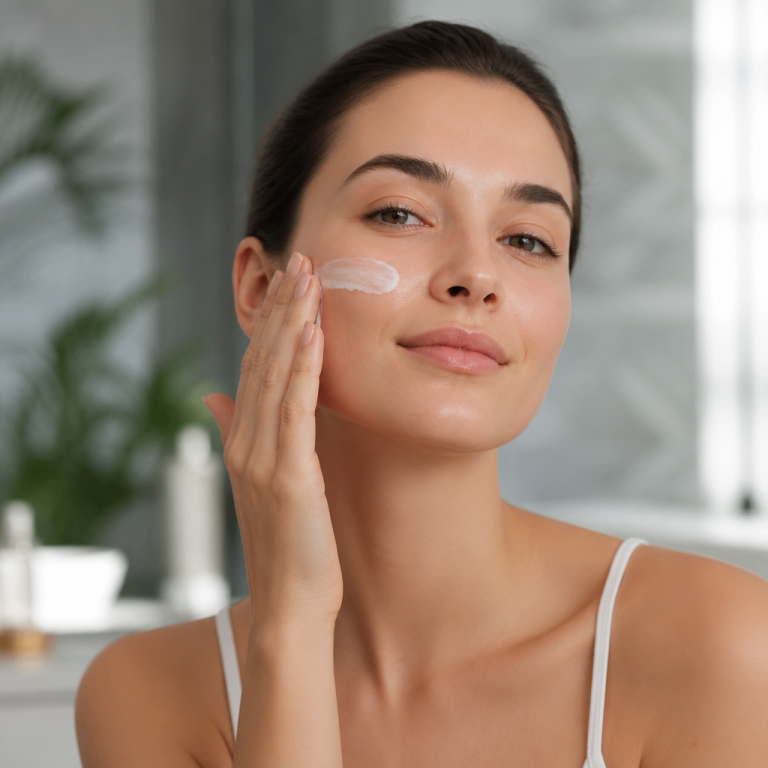
What Is Korean Glass Skin? The Radiant Secret Explained
I vividly remember the first time I truly understood "glass skin." It wasn't from a magazine or an ad, but during my trip to Seoul, South Korea, back in 2018. Walking through the vibrant streets of Myeongdong, past bustling cosmetic shops and street food vendors, I saw a young woman whose skin literally seemed to glow from within – so smooth, so clear, it looked like polished glass. I was mesmerized, thinking, "How is that even possible?" This wasn't just dewy or shiny; it was a profound, almost ethereal translucence that made her complexion look incredibly healthy and vibrant. That moment cemented for me why this beauty ideal has captivated the world. The pursuit of radiant, healthy skin has long been a cornerstone of Korean beauty philosophy, leading to numerous innovative trends. "Glass skin" has emerged as a particularly captivating ideal, capturing global attention with its promise of a complexion so smooth, luminous, and translucent that it appears almost reflective. This trend, deeply rooted in a holistic approach to skincare and lifestyle, emphasizes intensive hydration and a meticulously layered routine to achieve its distinctive clarity and glow.
Understanding the Korean Glass Skin Look
What is the Korean Glass Skin Look?
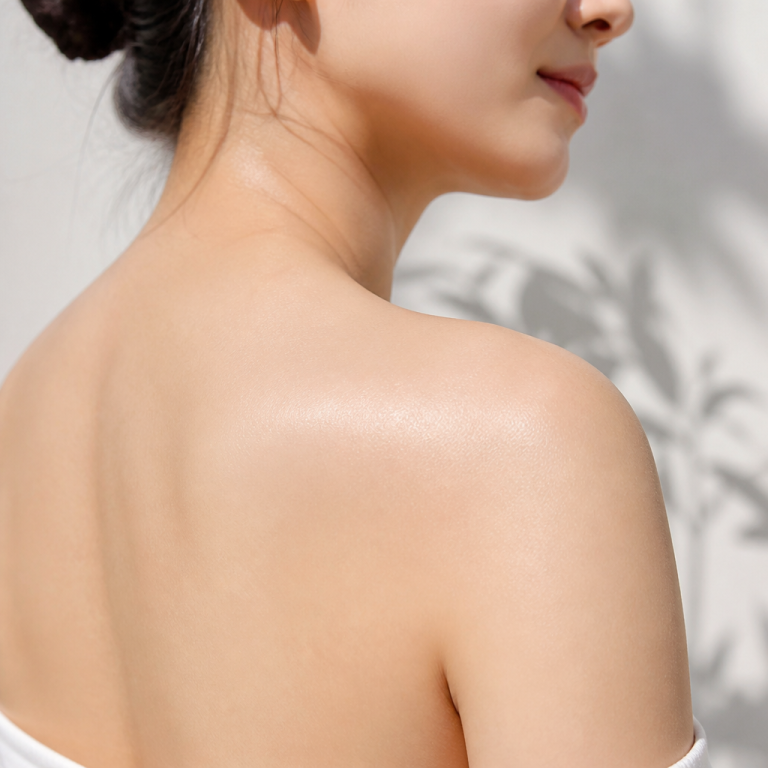
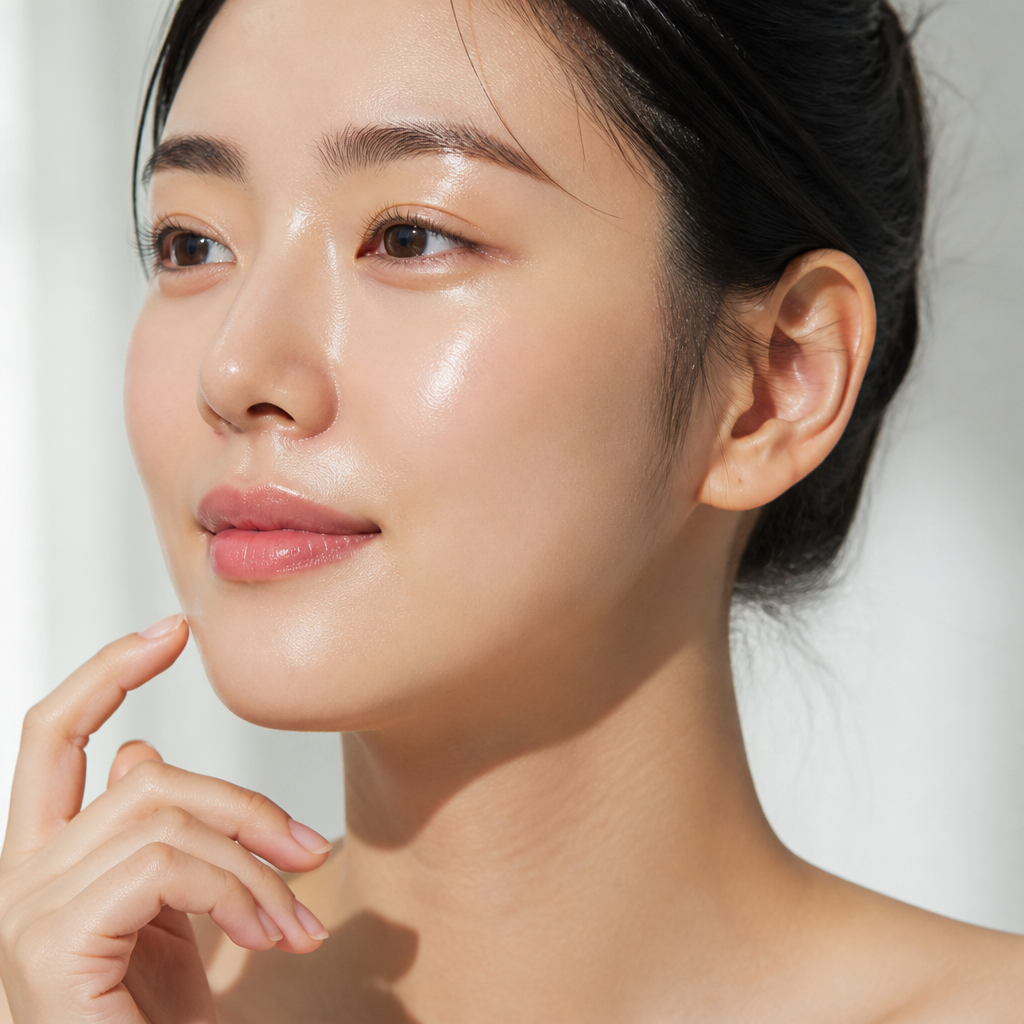
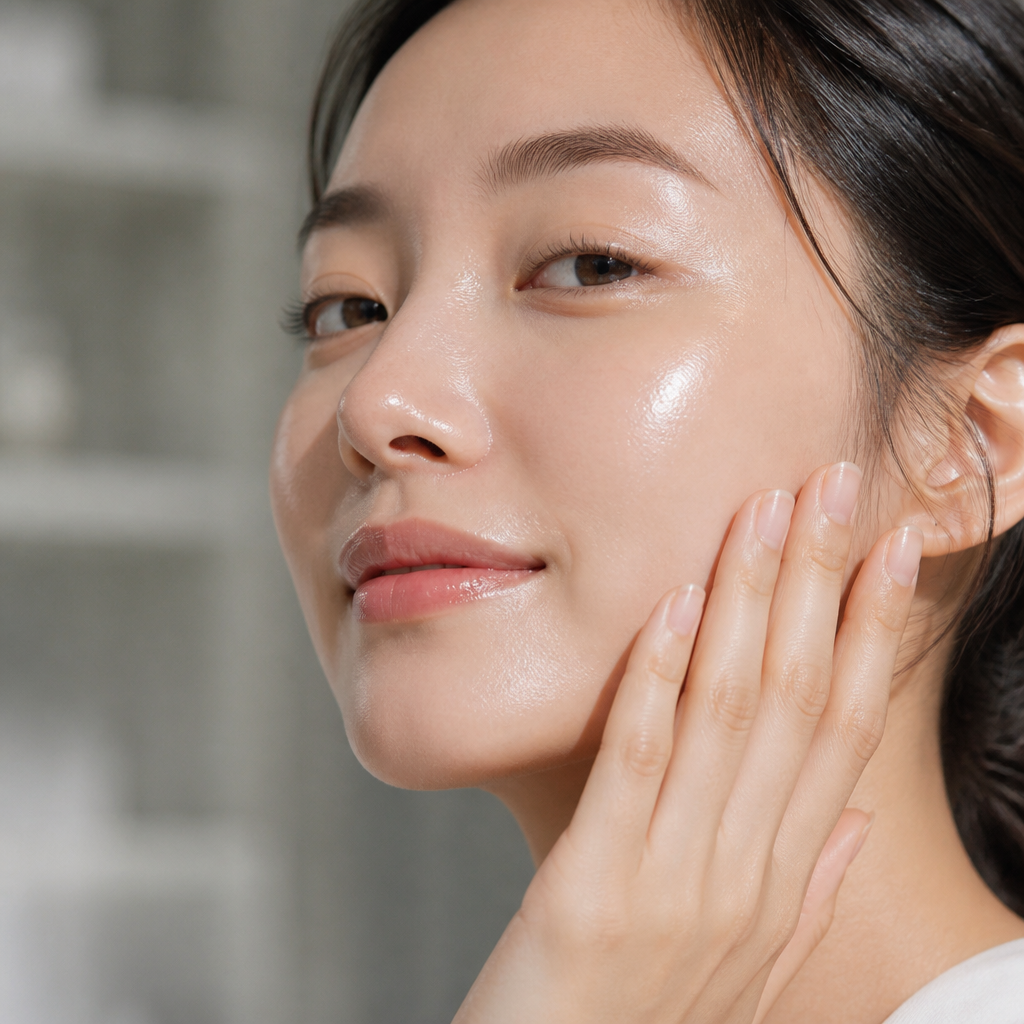
Glass skin, a term that gained widespread popularity in South Korea around 2017, quickly became a global beauty phenomenon, largely thanks to K-beauty influencers and Korean celebrities showcasing their remarkably dewy, poreless complexions (3, 4). At its core, glass skin is a Korean beauty trend defined by exceptionally smooth, luminous, and translucent skin that mirrors the clarity and reflectiveness of glass. This state is achieved through intensive hydration and carefully layered skincare routines (1, 2). It's more than just a fleeting trend; it represents a commitment to optimal skin health, something I've personally come to appreciate as a long-term goal.
The key characteristics of glass skin are distinct and multifaceted, encompassing four primary qualities that work in harmony to create its signature appearance.
- Extreme Hydration: This manifests as a plump, moisture-rich look, indicating deep saturation of the skin's layers (2, 5).
- Translucency: The skin appears even-toned with minimal visible pores, allowing its natural clarity to shine through (2, 5).
- Luminosity: This refers to a natural, healthy glow that emanates from within, rather than an excessive or oily shine (2, 5).
- Smoothness: This is paramount, characterized by a refined texture free of bumps, roughness, or unevenness (2, 5).
From a scientific perspective, the coveted appearance of glass skin stems from several physiological factors. It results from an optimized skin barrier function, which is the skin's outermost protective layer, working efficiently to retain moisture and defend against environmental aggressors (6). Furthermore, increased water content in the stratum corneum (the very top layer of your skin) plays a vital role in the skin's plumpness and smoothness (6). This enhanced hydration, combined with a smooth surface, leads to improved light reflection, giving the skin its characteristic luminous and clear appearance (6).
Culturally, glass skin embodies the Korean beauty ideal of "chok chok" skin, a term that describes a bouncy, hydrated, and supple texture (7, 8). This ideal stands in contrast to many Western beauty trends that often prioritize a matte finish or heavy makeup coverage (7, 8). Dr. Charlotte Cho, a Korean skincare expert and founder of Soko Glam, articulates this philosophy, stating, "Glass skin is the epitome of healthy skin. It's not about looking oily or shiny, but having skin so well-hydrated and cared for that it appears luminous and clear, like a piece of glass" (9).
It is also important to distinguish glass skin from other popular skincare trends. While "dewy skin" primarily focuses on achieving a moist, hydrated look, glass skin demands additional elements of poreless clarity and translucence (10, 11). Similarly, it differs from "honey skin," which emphasizes a warm, golden glow, often achieved through specific makeup or skincare products that impart a richer, warmer tone (10, 11).
What is the Korean Glass Skin Secret?
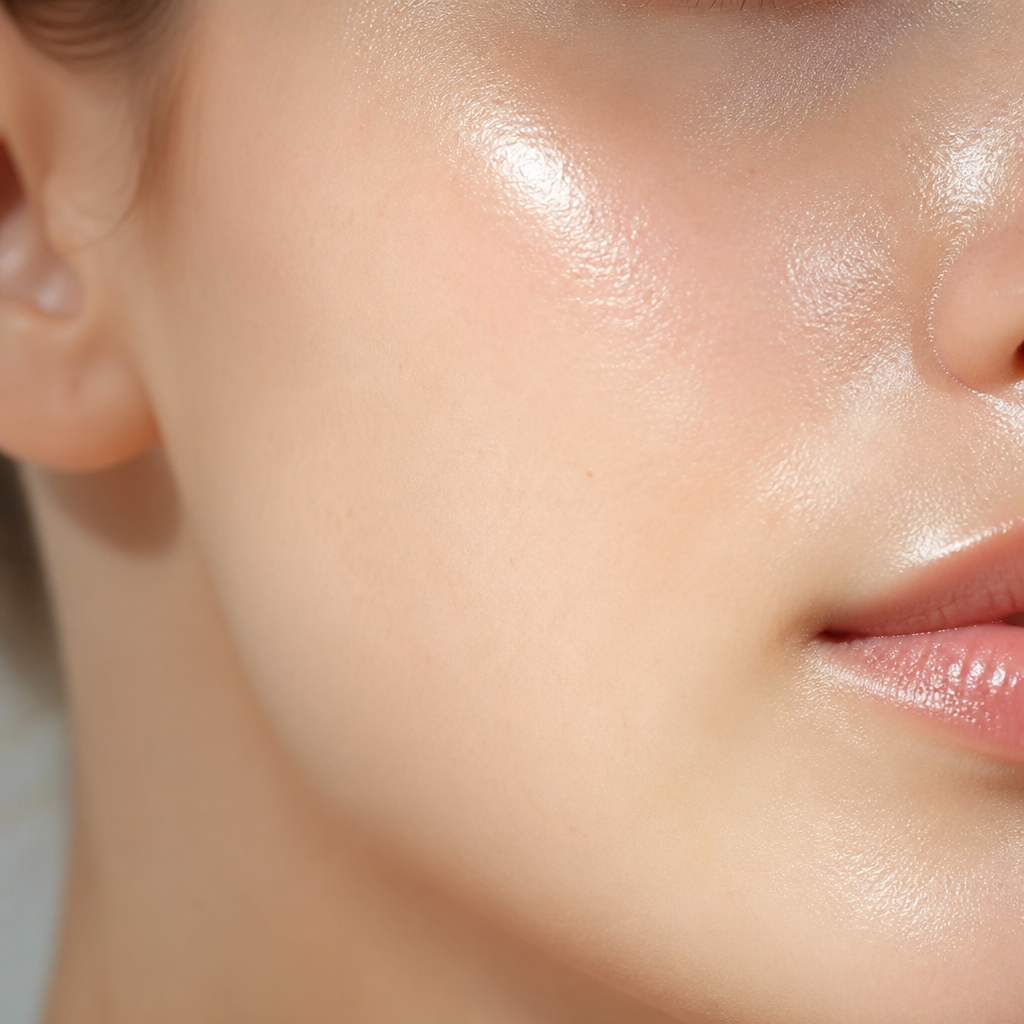
The true secret behind achieving Korean glass skin lies not in a single miracle product, but in a philosophy of consistent, multi-step hydration layering (12, 13). This approach systematically builds moisture levels in the skin by applying multiple lightweight hydrating products in succession, rather than relying on a single, heavy cream to do all the work (12, 13).
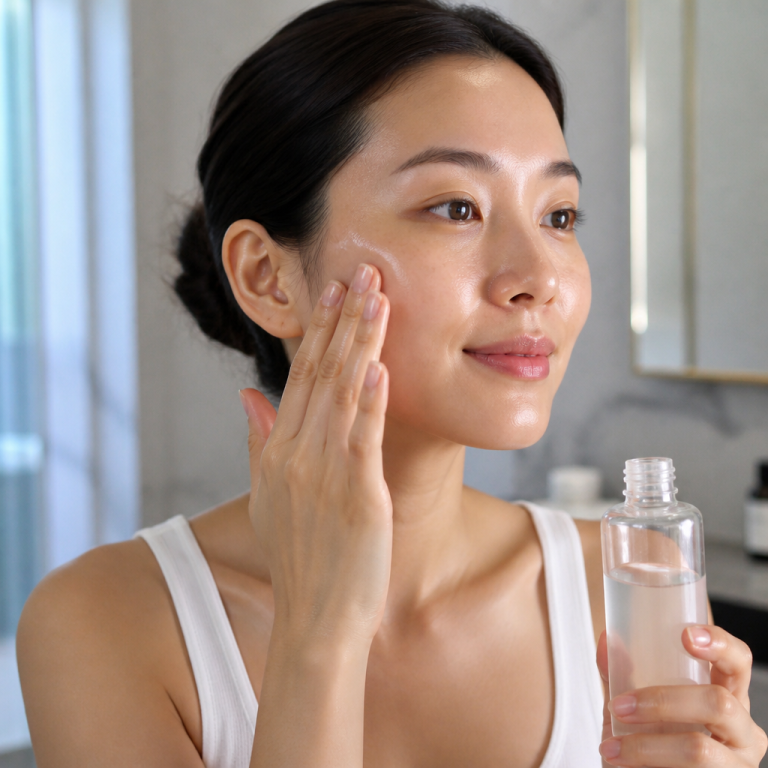
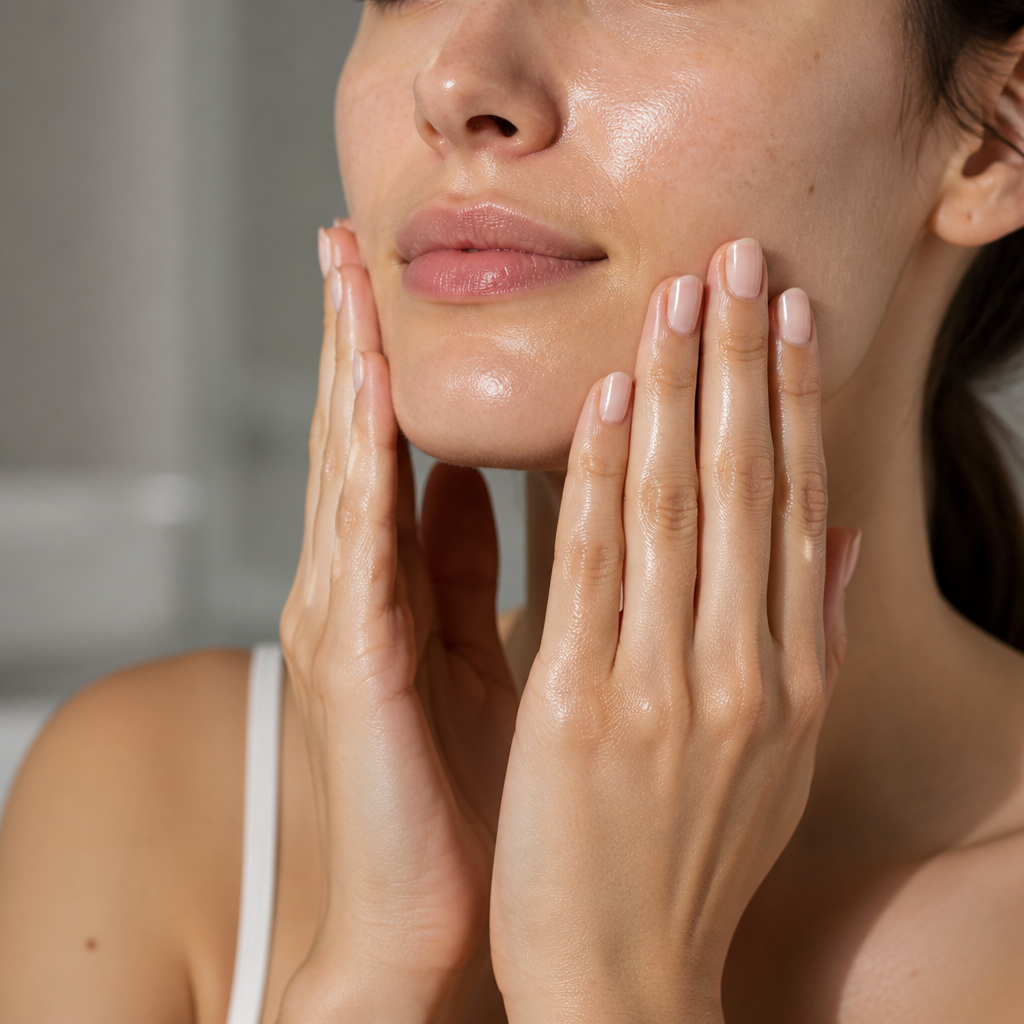
A cornerstone of this hydration technique is the "7-skin method" or its abbreviated version, the "3-skin method" (14, 15). This involves gently patting a hydrating toner or essence onto the skin multiple times in succession, allowing each layer to fully absorb before the next is applied (14, 15). The patting motion itself is significant, as it helps to stimulate microcirculation (tiny blood flow) and enhance product absorption without causing friction or disrupting the skin barrier (21).
The efficacy of the glass skin approach also heavily depends on a focus on specific, beneficial ingredients (17, 18). Hyaluronic acid is a star player, renowned for its ability to hold up to 1,000 times its weight in water, drawing moisture into the skin and keeping it hydrated (17). Niacinamide, a form of Vitamin B3, is another key ingredient that works to improve the skin barrier function, reduce inflammation, and visibly even out skin tone (17, 18). Fermented extracts are valued for their ability to enhance the absorption of other ingredients and provide beneficial probiotics that support a healthy skin microbiome (17, 18). Lastly, ceramides are crucial lipids (fats) that act as the "glue" that holds skin cells together, effectively sealing in moisture and strengthening the skin's protective barrier (17, 18).
Beyond topical applications, lifestyle factors play an indispensable supporting role in achieving and maintaining glass skin (19, 20). Adequate water intake, sufficient sleep, and minimizing sun exposure are non-negotiable steps. Furthermore, a low-sugar diet is recommended to prevent glycation, a process where sugar molecules bind to collagen and elastin, causing them to become stiff and leading to dullness and premature aging (20).
The application technique itself is a subtle yet significant aspect of the glass skin secret (21, 22). Products are typically applied using gentle patting motions rather than harsh rubbing. Additionally, products are always applied from the thinnest to the thickest consistency, ensuring that lighter, more penetrative formulas are absorbed first, followed by richer, more occlusive layers that seal in the benefits (22).
The overarching secret to Korean glass skin is consistency over intensity. The philosophy prioritizes a daily commitment to gentle, consistent routines over aggressive, infrequent treatments. This patient and diligent approach is what truly unlocks the luminous, clear, and smooth complexion characteristic of glass skin.
What is the Korean Glass Skin Diet?
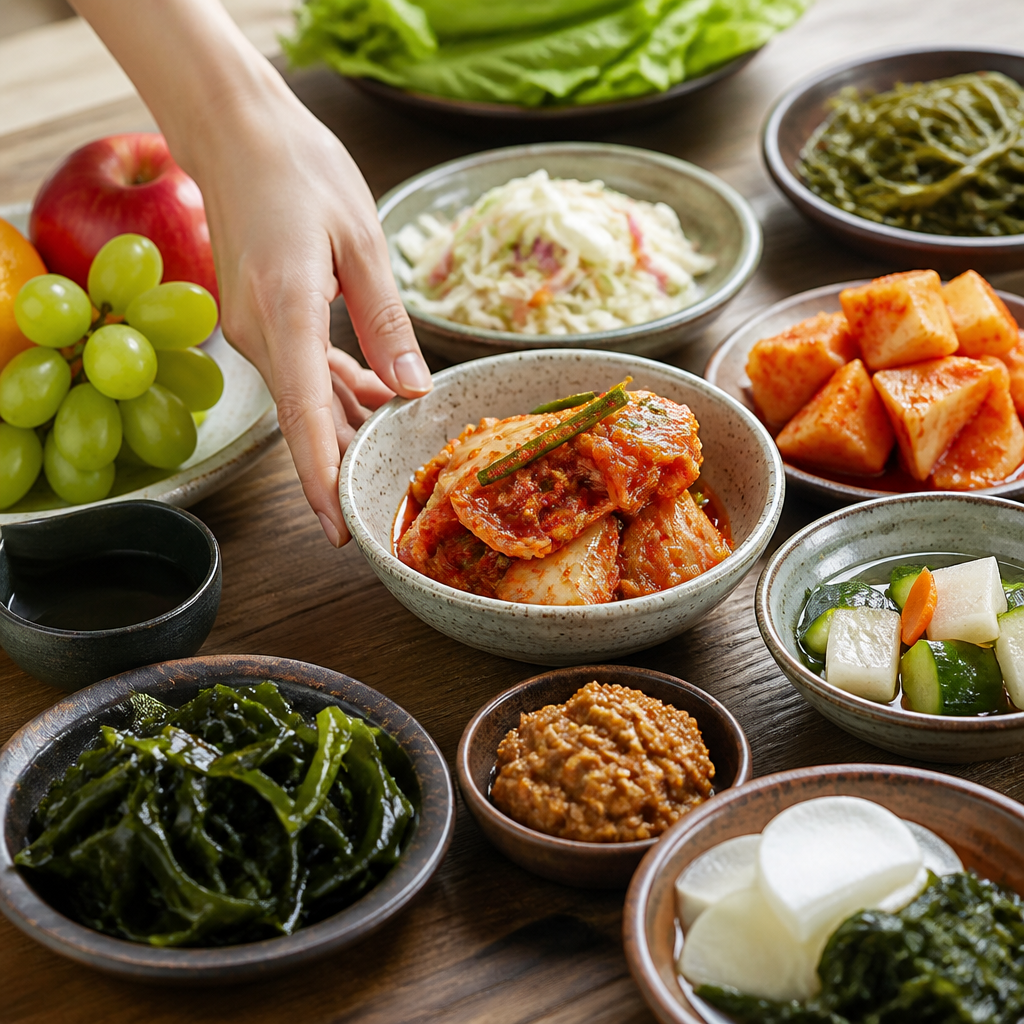
The pursuit of glass skin extends beyond topical treatments to embrace a holistic approach that includes nutrition. The Korean glass skin diet is founded on principles that support skin hydration, collagen production, and anti-inflammatory responses, deeply rooted in traditional Korean dietary practices of balance and fermentation (24, 25).
A cornerstone of this diet is the consumption of water-rich foods, which naturally contribute to internal hydration that reflects in the skin's appearance (26, 27). Fermented foods are another critical component, celebrated for their probiotic benefits that support a healthy gut microbiome (28, 29). Kimchi, a staple in Korean cuisine, along with doenjang (fermented soybean paste) and other fermented vegetables, introduce beneficial bacteria to the gut. Research suggests a strong link between a healthy gut and improved skin barrier function, as well as reduced inflammation (28, 29).
To support the skin's structural integrity, the diet emphasizes collagen-supporting foods like bone broth, sea vegetables, and foods high in vitamin C (31, 32). Conversely, certain foods are minimized or avoided. High-glycemic foods, including white rice, refined sugars, and processed carbohydrates, are restricted _because they promote glycation_ (33, 34). Glycation is a process where sugar molecules bind to collagen and elastin fibers, making them stiff and less flexible, which can lead to dullness and wrinkles (33, 34). Green tea is also a highly valued beverage, providing antioxidants that help protect skin cells from oxidative stress (35, 36).
The Korean approach to beauty nutrition is scientifically sound. The emphasis on fermented foods supports the gut microbiome, which we now know directly influences skin health through the gut-skin axis. Their traditional diet naturally provides the building blocks for healthy, hydrated skin.
— Dr. Whitney Bowe, board-certified dermatologist (38)
Korean Glass Skin Routine and Treatment
What is Korean Glass Skin Treatment?
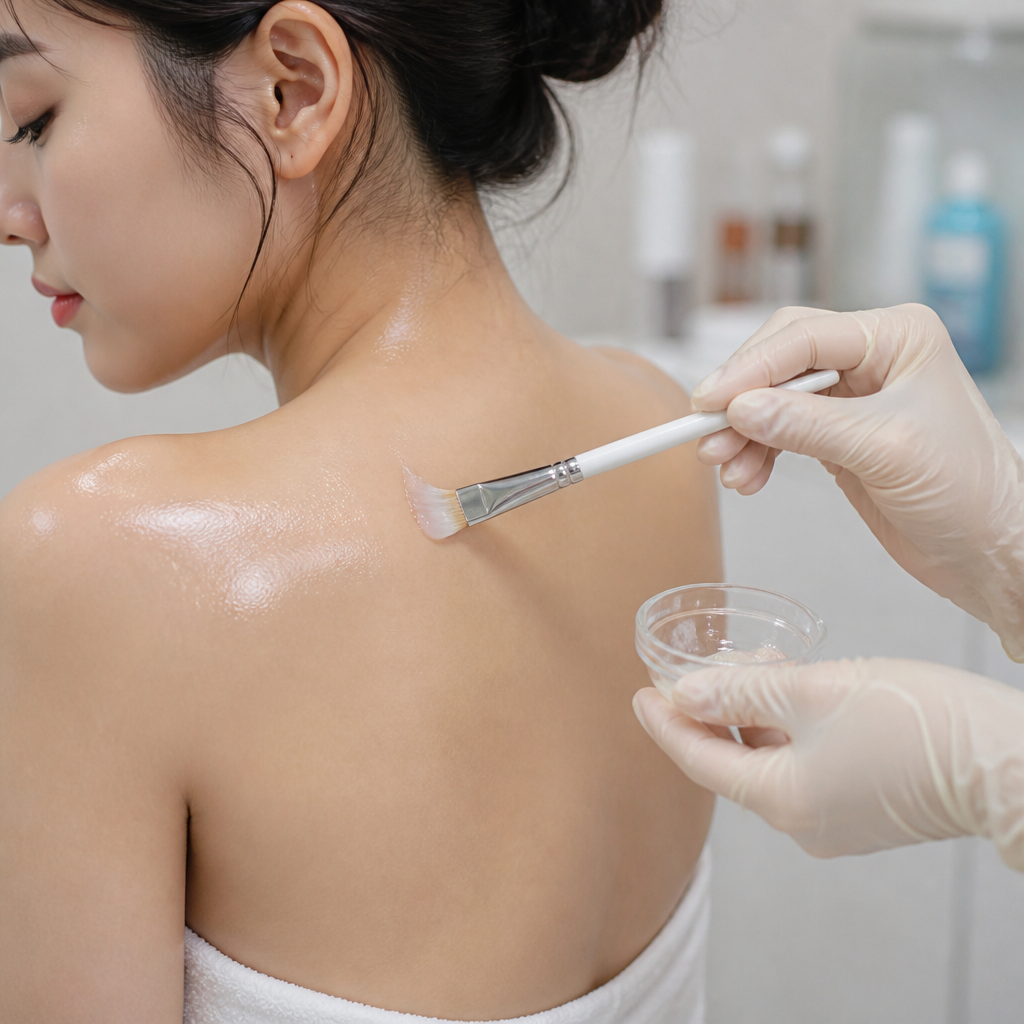
While the daily skincare routine is fundamental, professional treatments can offer an accelerated path or enhance results. Clinical glass skin treatments encompass a range of procedures designed to deeply cleanse, hydrate, refine texture, and stimulate collagen production (39, 40).
One popular treatment is the Hydrafacial, a multi-step procedure that cleanses, exfoliates, extracts impurities, and infuses the skin with hydrating serums (41). Microneedling is another effective treatment, creating controlled micro-channels in the skin to enhance serum absorption and boost collagen production (42).
A treatment originating in Korea, known as BB Glow, is a semi-permanent foundation procedure that aims to create immediate glass-like luminosity (44). However, it is important to note that BB Glow treatments can be controversial _due to safety concerns regarding the long-term effects of pigment deposition in the skin_ (45).
Laser treatments also play a role in refining skin texture. Non-ablative fractional lasers, such as Clear + Brilliant, stimulate new collagen production and improve skin texture, tone, and pore appearance (46). For exfoliation, chemical peels are utilized, with Korean clinics often favoring mild, frequent peels with lactic or mandelic acid over aggressive single treatments (48).
Most professional glass skin treatments typically require an initial course of 4-6 sessions, spaced 2-4 weeks apart, to achieve significant improvements (50). Costs can vary, with Hydrafacial sessions typically ranging from $150-300, while microneedling can cost between $300-600 per session (52, 53).
What is the Korean Glass Skin Routine?
The Korean glass skin routine is a meticulously structured, multi-step regimen designed to achieve profound hydration and a refined complexion. It typically consists of 8-10 steps performed twice daily.
- Double Cleanse: The foundation of the routine is double cleansing. First, an oil-based cleanser dissolves makeup, sunscreen, and sebum. Second, a water-based cleanser removes sweat and dirt, ensuring a thorough clean without stripping the skin's moisture barrier (56).
- Exfoliate (2-3 times/week): Gentle chemical exfoliants like AHAs, BHAs, or PHAs are used to remove dead skin cells, refine texture, and promote a luminous appearance (57, 58).
- Toner: A hydrating toner is patted onto the skin to restore its pH balance and prepare it for subsequent products. The "7-skin method" can be used here for intensive hydration (59, 60).
- Essence: Often considered the heart of the routine, an essence is a lightweight, concentrated formula that delivers a significant boost of hydration and active ingredients deep into the skin (61).
- Serum: Serums offer a more targeted approach to specific concerns like brightening, intense hydration, or barrier repair, delivering potent active ingredients (62).
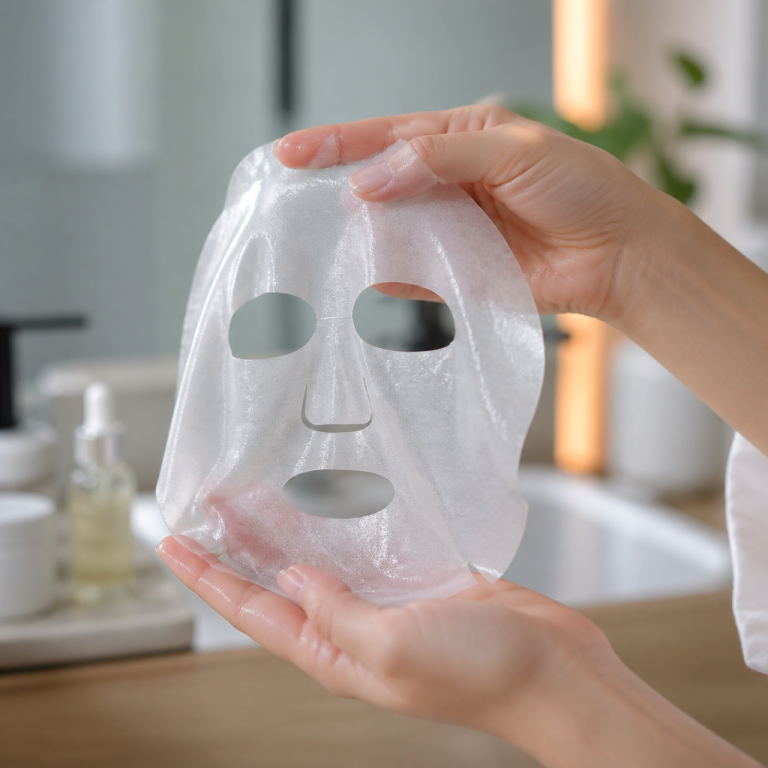
- Sheet Mask (2-3 times/week): This intensive treatment uses a serum-soaked mask to deeply infuse the skin with moisture and nutrients, providing an immediate plumping effect (63, 64).
- Eye Cream: A specialized cream is applied to the delicate skin around the eyes to target fine lines, dark circles, and puffiness.
- Moisturizer: The final moisturizer layer seals in all the previous layers of hydration, preventing moisture loss. This can be a light gel, a rich cream, or an overnight sleeping pack (65).
- Sunscreen (Morning): In the morning routine, broad-spectrum SPF 50+ PA++++ is a non-negotiable final step. It is vital for preventing UV damage that leads to premature aging and hyperpigmentation (66).
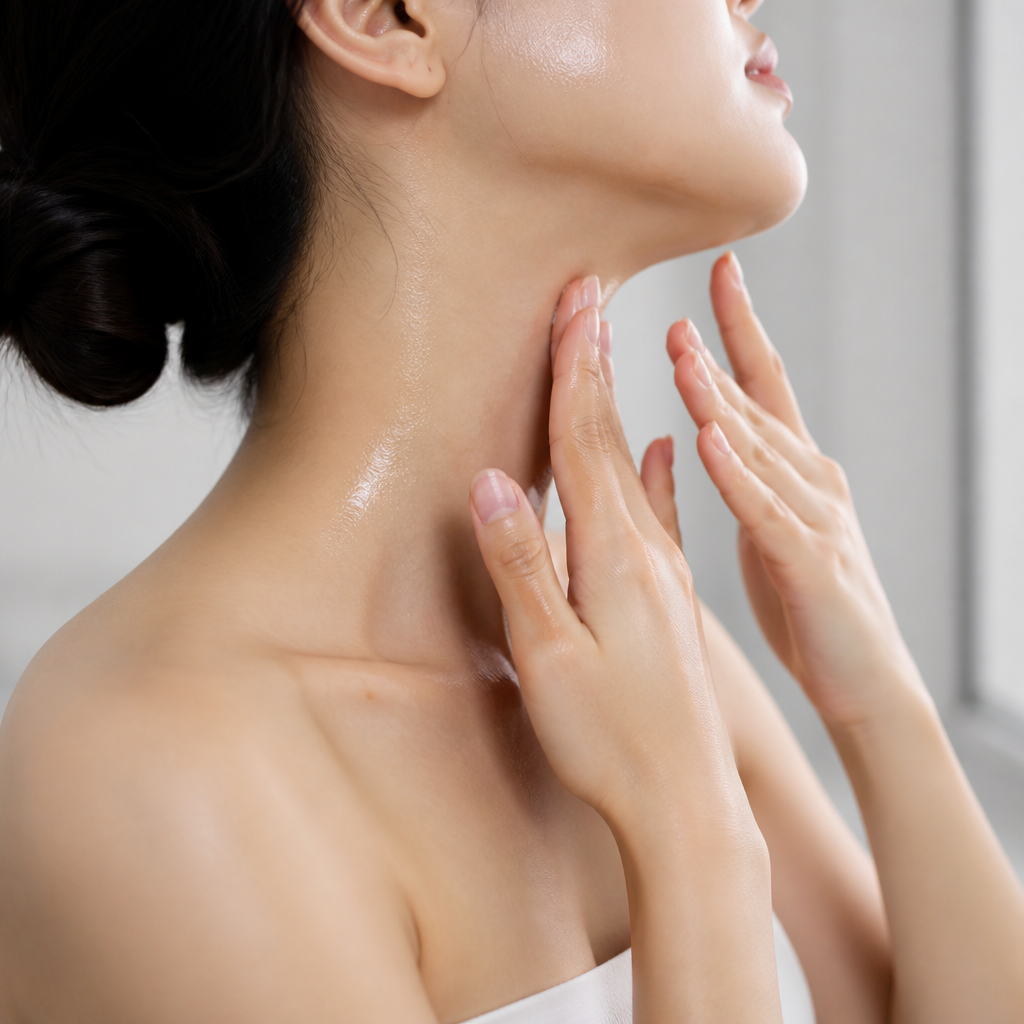
What products are used for Korean Glass Skin?
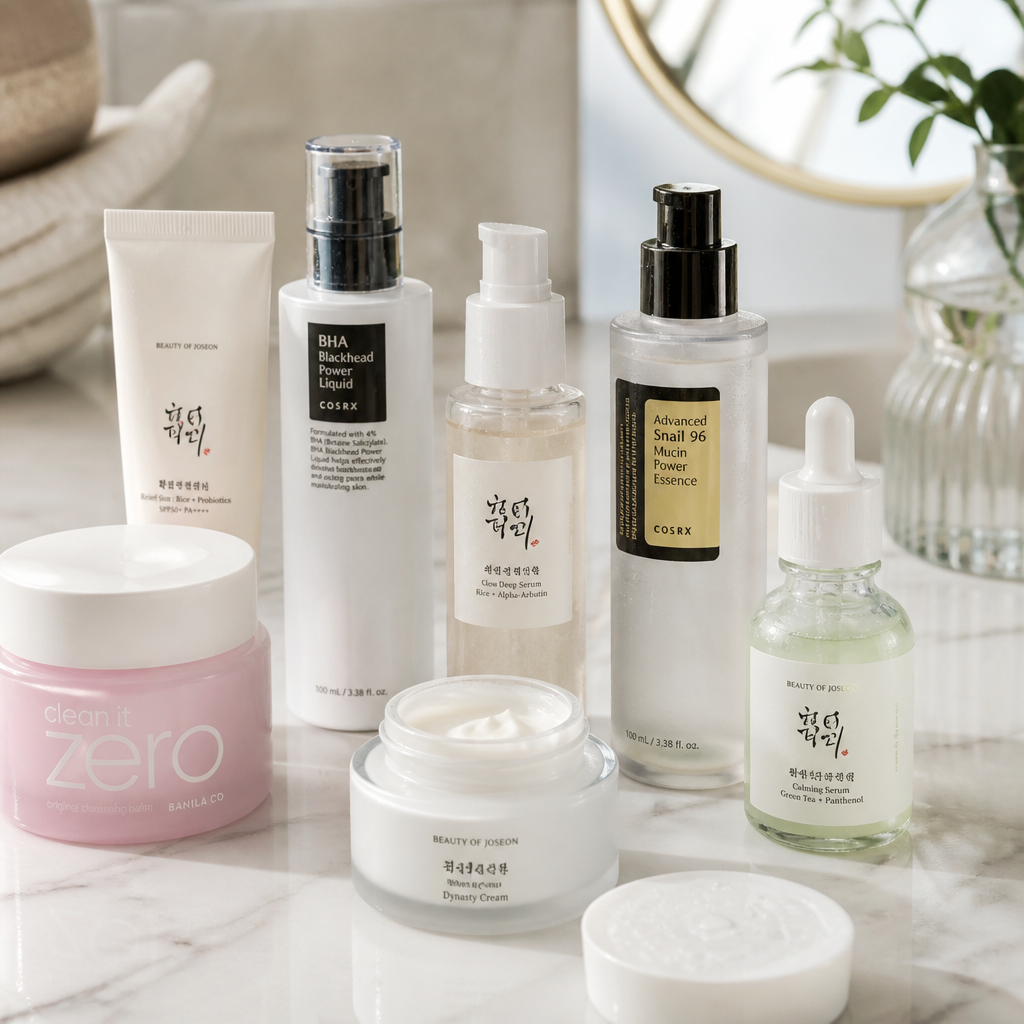
Achieving Korean glass skin relies on a carefully curated selection of products. While individual needs vary, certain product types are essential to the routine.
| Product Category | Popular Examples | Average Price (USD) |
|---|---|---|
| Oil Cleanser | Banila Co Clean It Zero, Heimish All Clean Balm | $15 – $24 |
| Water Cleanser | COSRX Low pH Good Morning Gel Cleanser | $11 – $14 |
| Exfoliant | COSRX BHA Blackhead Power Liquid | $17 – $25 |
| Toner | Klairs Supple Preparation Unscented Toner | $19 – $23 |
| Essence | COSRX Advanced Snail 96 Mucin Power Essence | $15 – $25 |
| Serum | The Ordinary Hyaluronic Acid 2% + B5 | $7 – $9 |
| Sheet Mask | Mediheal N.M.F Aquaring Ampoule Mask | $1.50 – $2.50 / sheet |
| Moisturizer | Belif The True Cream Aqua Bomb | $38 – $48 |
| Sunscreen | Beauty of Joseon Relief Sun SPF 50+ PA++++ | $15 – $18 |
…they're formulated with multiple molecular weights of hyaluronic acid for multi-layer hydration, include skin-identical ingredients like ceramides and cholesterol, and avoid common irritants. Korean brands excel at creating elegant textures that layer well without pilling or heaviness.
— Alicia Yoon, founder of Peach & Lily (89)
An effective glass skin routine can range significantly in cost. A routine using affordable brands like COSRX and Etude House might cost $100-150, while luxury options could exceed $500-800 (90).
Benefits and Best Products for Korean Glass Skin
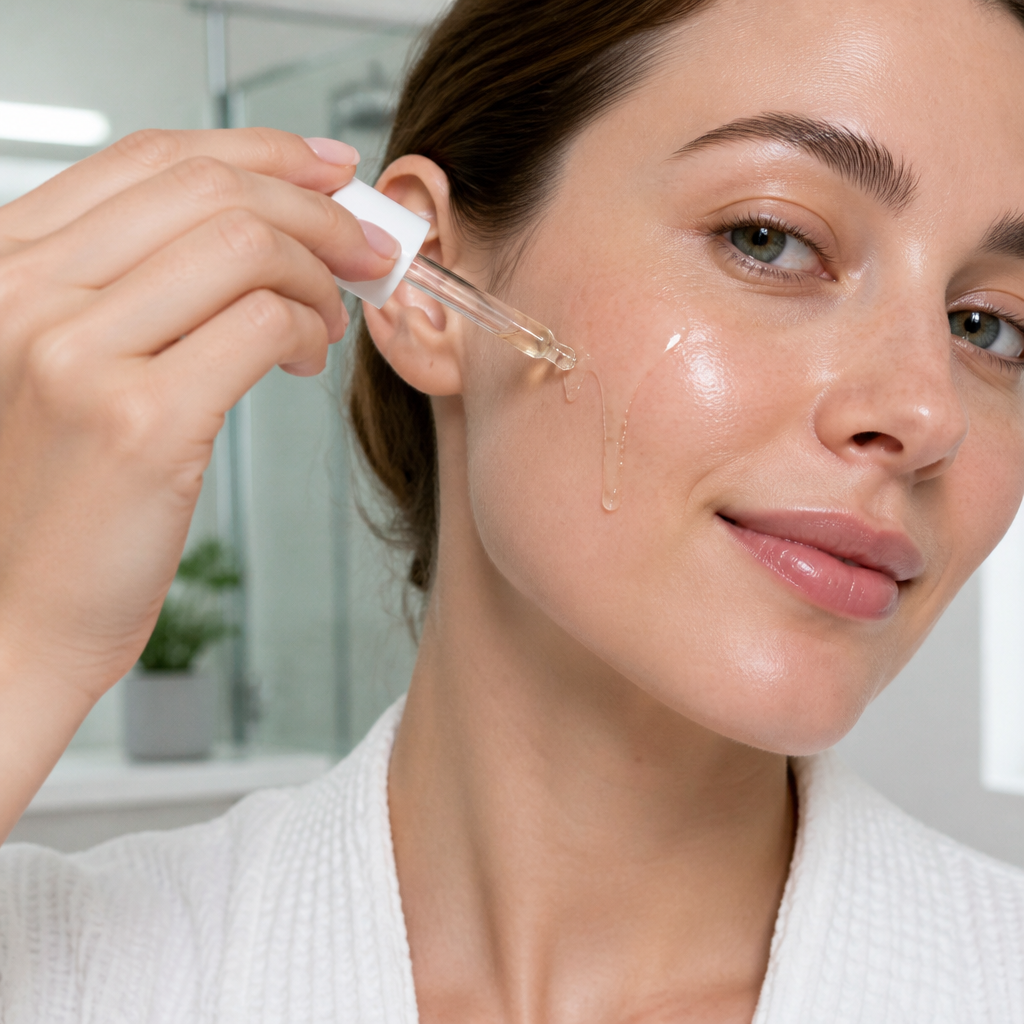
What are the benefits of Korean Glass Skin?
The pursuit of Korean glass skin offers a multitude of benefits that extend beyond mere aesthetics, encompassing significant improvements in overall skin health and resilience.
Aesthetically, glass skin provides a visibly youthful and luminous appearance (93, 94). The meticulous routine aims to reduce the appearance of pore size, leading to a smoother, more refined texture. This enhanced radiance and even skin tone often diminish the need for heavy makeup coverage, allowing natural beauty to shine through.
From a skin health perspective, the intensive hydration central to the routine strengthens the skin barrier function (95, 96). A robust skin barrier is essential for protecting the skin from environmental stressors and retaining moisture, leading to improved resilience. The anti-aging effects are also noteworthy, as properly hydrated skin inherently shows fewer fine lines and wrinkles due to a natural plumping effect (98, 99).
Furthermore, the long-term skin protection offered by the glass skin philosophy is a significant benefit. The routine's non-negotiable emphasis on daily broad-spectrum SPF and antioxidant-rich products provides cumulative protection against photoaging (102). The gentle, hydration-focused nature of the approach also helps to reduce chronic low-grade inflammation in the skin, promoting a healthier, more balanced state (104).
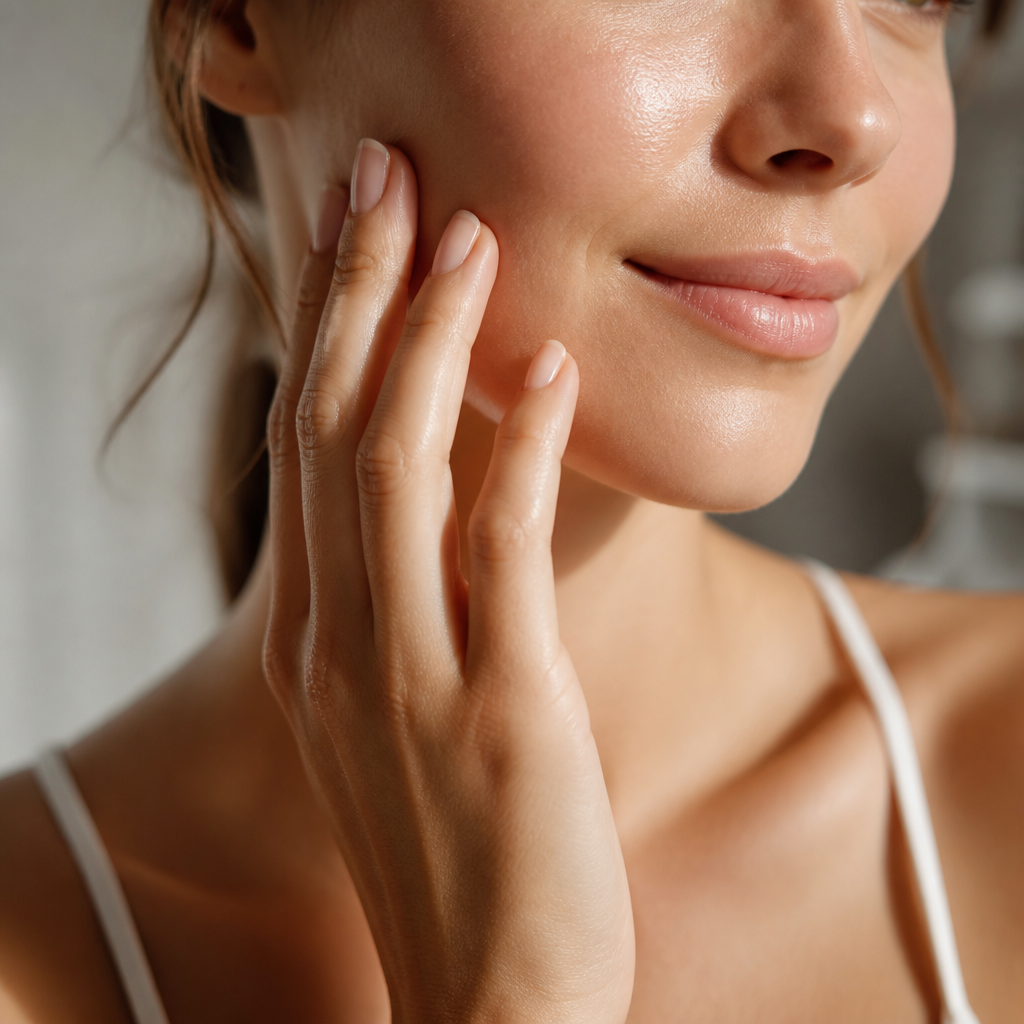
What is the best Korean skincare for glass skin?
Identifying the "best" Korean skincare often depends on individual skin type, concerns, and budget. However, certain routines are frequently recommended by experts for their consistent results.
For dry skin, the focus is on richer formulations:
- Cleanser: Banila Co Clean It Zero Nourishing
- Toner/Lotion: Hada Labo Gokujyun Premium Lotion
- Serum: Sulwhasoo First Care Activating Serum
- Cream: Etude House SoonJung 2x Barrier Intensive Cream
- Overnight Mask: Laneige Water Sleeping Mask
For oily or combination skin, lighter, non-comedogenic products are key:
- Cleanser: COSRX Low pH Good Morning Gel Cleanser
- Toner: Benton Aloe BHA Skin Toner
- Serum: Innisfree Green Tea Seed Serum
- Moisturizer: COSRX Oil-Free Ultra-Moisturizing Lotion
- Sunscreen: Etude House Sunprise Mild Airy Finish SPF 50+
For sensitive skin, gentle, soothing formulas are required:
- Cleanser: Klairs Gentle Black Deep Cleansing Oil
- Toner: Etude House SoonJung pH 5.5 Relief Toner
- Essence: Benton Snail Bee High Content Essence
- Serum: Dr. Jart+ Cicapair Tiger Grass Serum
- Sunscreen: Purito Centella Green Level Unscented Sun SPF 50+
What matters is finding formulas that layer well together, suit your skin type, and contain proven hydrating ingredients like hyaluronic acid, glycerin, and ceramides. Finally, seasonal adjustments are crucial; lighter gel textures are often preferred in summer, _while richer creams are more suitable for winter to combat dryness_ (127).
Achieving Korean glass skin is a journey that combines a deep understanding of skin physiology with a dedicated, multi-faceted approach. It's about nurturing the skin through consistent hydration, thoughtful product layering, a skin-supportive diet, and protective lifestyle choices. While the aesthetic outcome is highly desirable, the true essence of glass skin lies in fostering optimal skin health from within.
FAQ
Q1: What exactly defines "glass skin" and how is it different from "dewy skin"?
Glass skin is a Korean beauty trend characterized by exceptionally smooth, luminous, and translucent skin that resembles the clarity of glass. While "dewy skin" primarily focuses on a moist look, glass skin requires additional elements of poreless clarity and translucence, meaning the skin's texture is also highly refined and even-toned. It's about a deep, healthy glow from within, not just a surface shine.
Q2: What are the key ingredients commonly found in Korean skincare products aimed at achieving glass skin?
Key ingredients often include hyaluronic acid for deep hydration; niacinamide (Vitamin B3) to improve the skin barrier and even skin tone; fermented extracts for probiotic benefits; and ceramides to seal in moisture and strengthen the skin's protective barrier.
Q3: Is there a specific diet that supports the glass skin look?
Yes, the Korean glass skin diet emphasizes water-rich foods (like Korean pear), fermented foods (like kimchi), collagen-supporting foods (like bone broth), and omega-3 sources (like fatty fish). High-glycemic foods and refined sugars are typically minimized to prevent glycation, a process that can dull the skin.
Q4: What professional treatments are available to help achieve glass skin, and what is their typical cost?
Professional treatments may include Hydrafacials ($150-300), microneedling ($300-600), and laser treatments ($500-1500 per session). These treatments aim to deeply cleanse, hydrate, stimulate collagen, and refine skin texture.
Q5: How long does it typically take to see results from a Korean glass skin routine, and what is the most important factor for success?
Visible improvements may be noticed after a few weeks of consistent daily routine. The most important factor for success in achieving glass skin is consistency. The routine emphasizes daily commitment to gentle, layered hydration and protection rather than aggressive, infrequent interventions.

Hello! I’m Chloe Evans, a beauty enthusiast passionate about all things K-Beauty. Welcome to my blog, where I share honest reviews, essential skincare tips, and the latest Korean beauty trends. My goal is to help you build a simple yet effective routine for radiant, healthy skin. Join me on this journey to unlock your natural glow!