Is Korean Skincare Safe? 5 Truths You Need to Know
The buzz around ‘K-beauty’ is undeniable, but it often leads to a critical question: is Korean skincare safe? Many wonder if it’s just hype or if these products are genuinely effective and trustworthy. Discover the truth behind Korean skincare, where innovative products meet a strong emphasis on safety, guided by South Korea’s Ministry of Food and Drug Safety (MFDS). This rigorous oversight ensures products undergo strict checks before they ever reach the shelves, covering everything from ingredient analysis to microbial stability tests.
Korean Skincare Safety Standards and Regulations
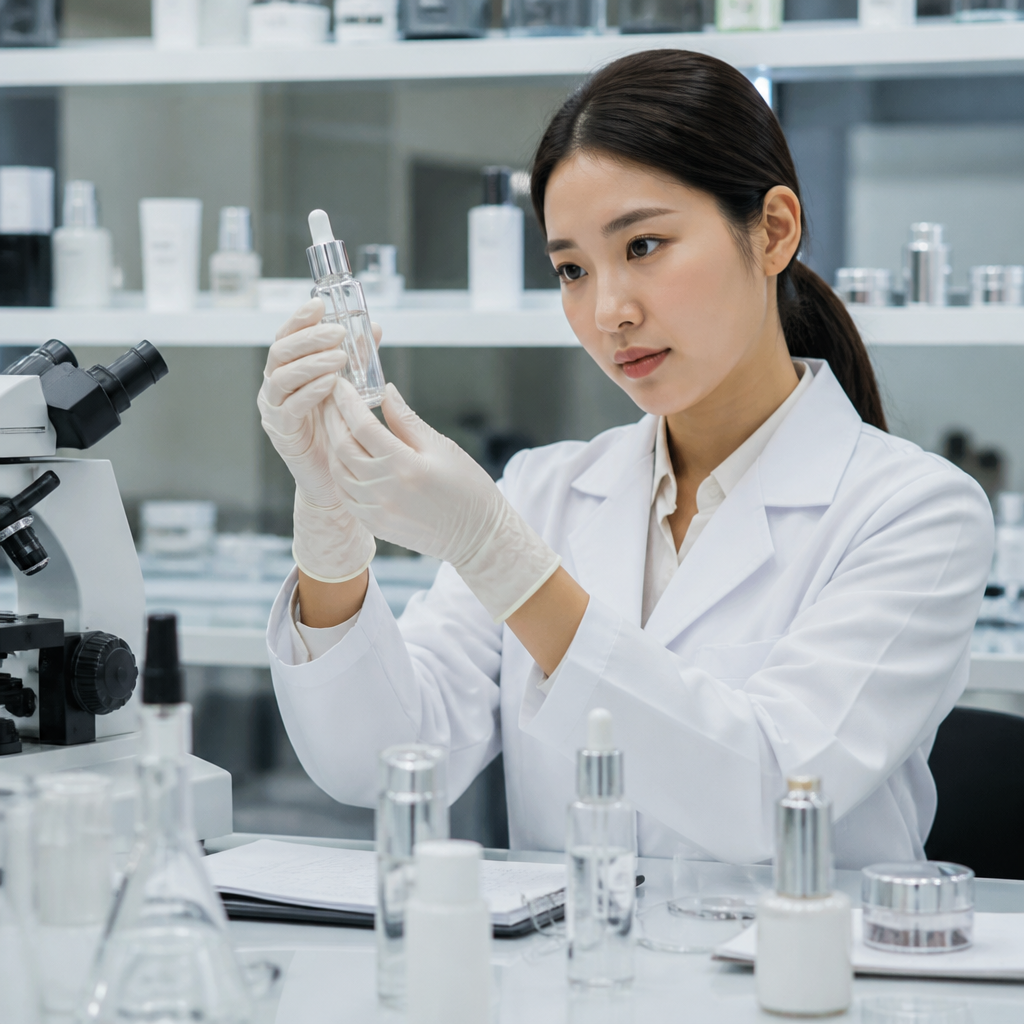
South Korea’s rulebook for cosmetics is incredibly strong and thorough. The safety and quality of Korean skincare products are meticulously overseen by the Ministry of Food and Drug Safety (MFDS) under the Cosmetics Act. This system ensures all cosmetic products meet stringent safety and quality objectives before they reach consumers. A key part of this system is the pre-market approval process. All cosmetics must be either reported or approved before they can be sold, requiring manufacturers to submit extensive safety data, including ingredient lists, formulas, and stability test results.
korean skincare safety standards and regulations
South Korea’s cosmetic regulations forbid over 1,300 ingredients from being used in makeup and skincare, a figure comparable to the European Union‘s ban. This is a stark contrast to the United States Food and Drug Administration (FDA), which has only banned 11 ingredients from cosmetics. Beyond restricting ingredients, Korean cosmetic manufacturers must adhere to Good Manufacturing Practice (GMP) standards, which are strict guidelines ensuring products are consistently produced and controlled according to top-tier quality standards.
The MFDS also keeps a vigilant eye on products after they’re sold through post-market surveillance, conducting random tests on items already on shelves for contaminants like heavy metals or banned ingredients. For Korean cosmetic products sold globally, they must meet not only Korean standards but also the specific regulations of the destination country. Many major Korean brands hold certifications from international bodies like the FDA in the US, Health Canada, and various EU regulatory bodies, further validating their safety on a global scale. This multi-level approach to regulation—from pre-market approval to post-market surveillance and international compliance—is designed to ensure Korean skincare products are safe for consumers.
Is Korean skincare safe compared to western brands?
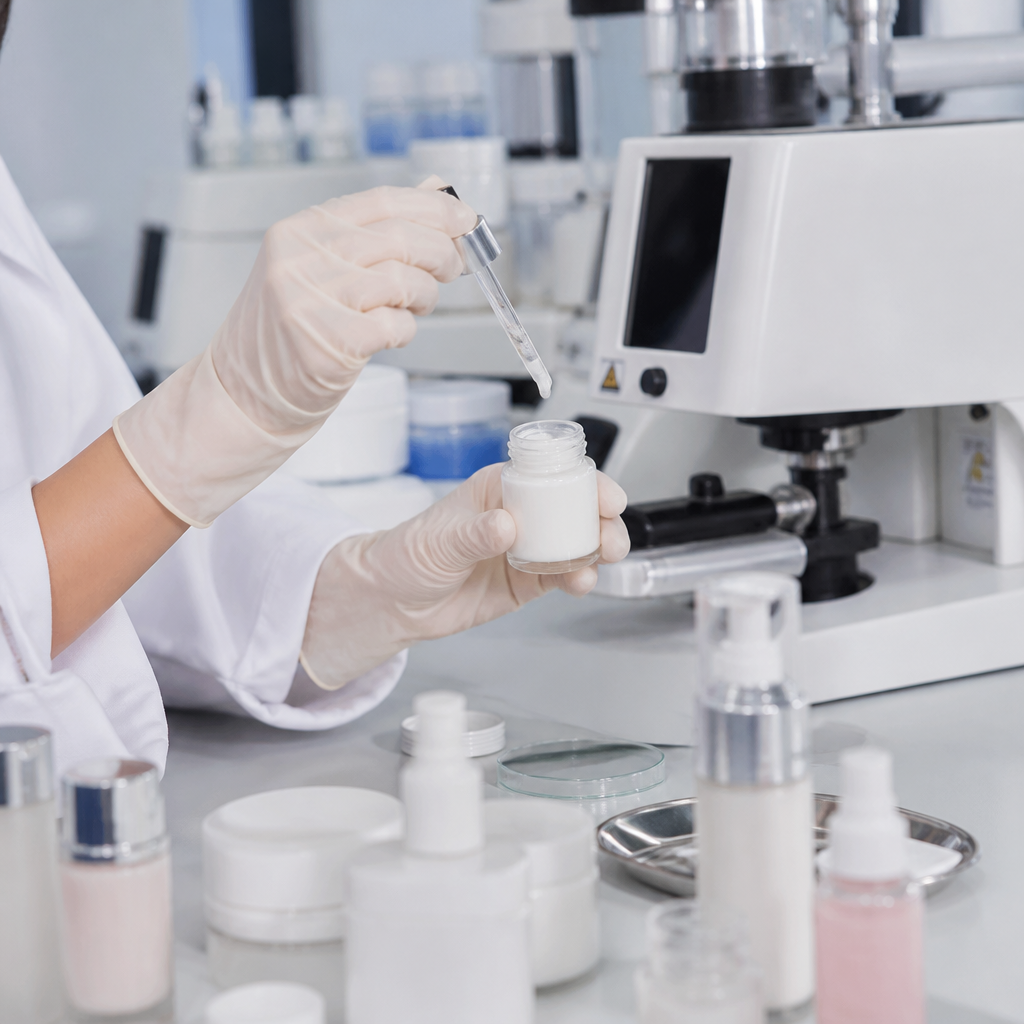
When comparing the safety of Korean skincare to Western brands, the different regulatory systems and formulation approaches are key. The most cited difference is the number of banned cosmetic ingredients. Ingredient transparency is another area where Korean and EU regulations often surpass those in the US. Both require a full ingredient list in descending order of concentration, while US regulations permit “trade secret” exceptions for fragrance and flavor components.
| Feature | South Korea (MFDS) | European Union (EU) | United States (FDA) |
|---|---|---|---|
| Banned Ingredients | Over 1,300 | Over 1,300 | 11 |
| Pre-Market Approval | Required for “functional” cosmetics | Safety assessment required | Generally not required (except for color additives) |
| Ingredient Labeling | Full INCI list required | Full INCI list required | Full list required, with “trade secret” exceptions |
| GMP Standards | Mandatory | Highly Recommended/Mandatory | Recommended (not mandatory) |
Despite these regulatory differences, formulation philosophy also plays a role. Korean skincare generally emphasizes gentler formulas with lower concentrations of active ingredients designed for layering and frequent use. Western products, in contrast, may feature higher concentrations of potent actives like retinoids and acids, often aiming for more immediate results.
Dr. Michelle Wong, a chemistry PhD and cosmetic science educator, offers a valuable perspective, stating that “Safety standards in Korea, EU, and reputable Western brands are all rigorous, though they differ in approach—the key factor is manufacturer compliance and quality control rather than country of origin.”
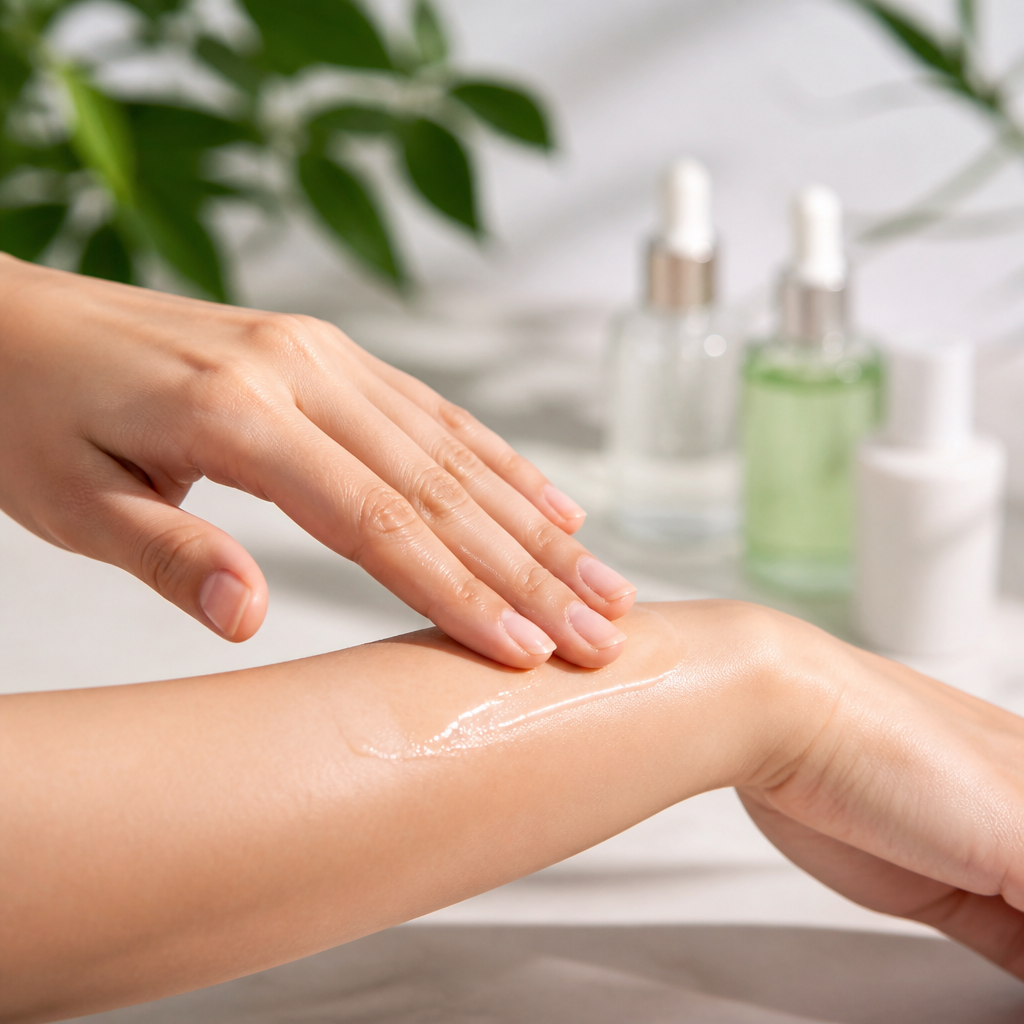
is korean skincare safe ingredients to know
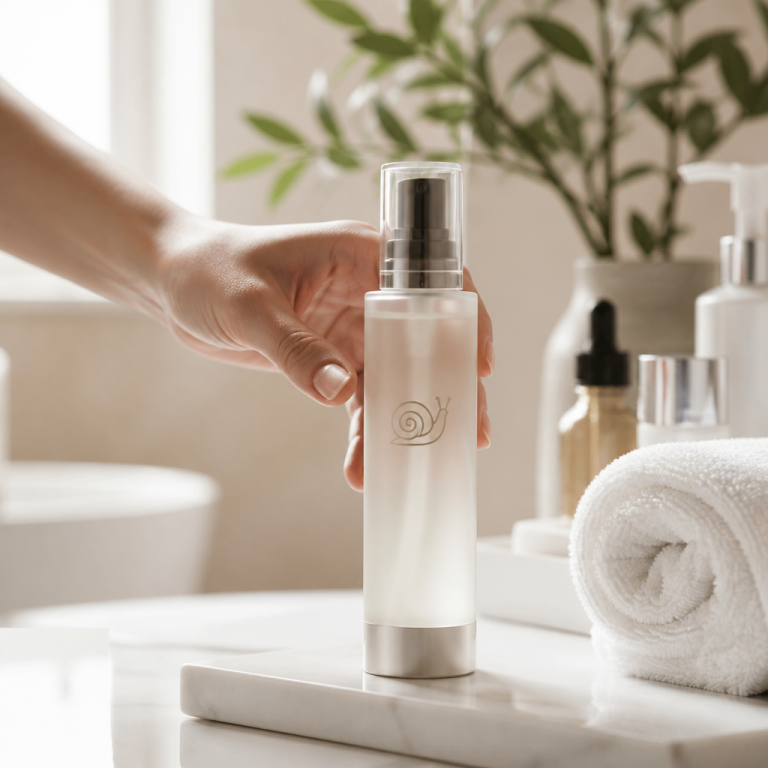
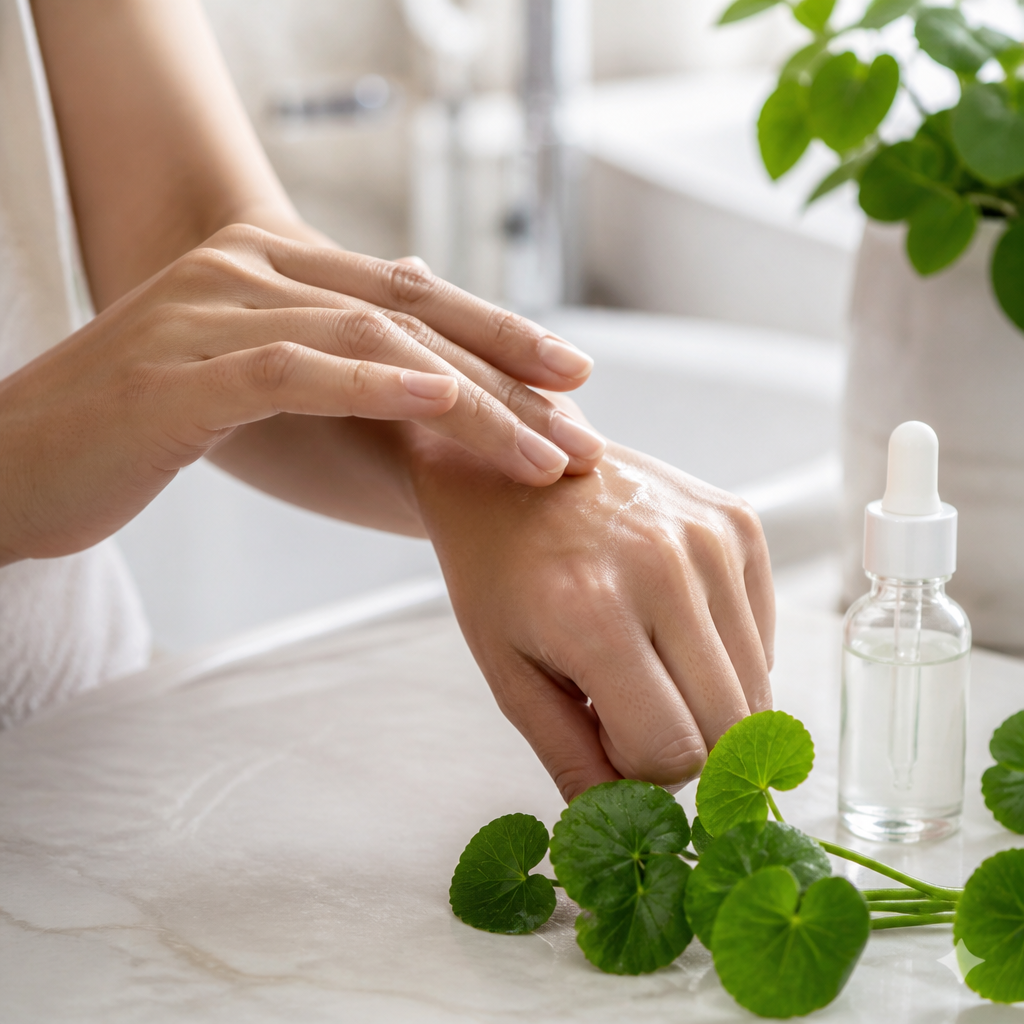
Understanding common ingredients in Korean skincare can help you make informed choices. Many popular ingredients are widely recognized for their benefits and proven safety profiles, having been approved by the MFDS. These include niacinamide, hyaluronic acid, centella asiatica, snail mucin, and various fermented extracts.
Niacinamide, for instance, is considered safe and offers benefits like strengthening the skin barrier and controlling oil. Centella asiatica is a calming plant ingredient known to reduce inflammation. Snail secretion filtrate (snail mucin) is rich in beneficial components, and safety studies have shown no significant adverse effects from its use. _However, individuals with shellfish allergies may want to exercise caution, though evidence of cross-reactions is limited._ Fermented ingredients like galactomyces and bifida are generally safe and non-irritating.
For brightening, Korean products often use arbutin (2-4%), which is considered a safer alternative to hydroquinone, an ingredient that is strictly regulated in Korea and banned in EU cosmetics. Korean sunscreens utilize a wide range of both chemical and physical filters, all approved by the MFDS and used within specific concentration limits.
Common Concerns About Korean Skincare Safety
While Korean skincare products are held to high safety standards, consumers may still have certain worries. Addressing these concerns can help you navigate the world of K-beauty more confidently.
common concerns about korean skincare safety
One of the most critical safety concerns is the prevalence of counterfeit Korean skincare products sold through unofficial channels. These fake items can contain harmful ingredients, incorrect formulas, or be contaminated with microbes. A 2022 investigation by the Korea Customs Service seized over 2.3 million counterfeit cosmetic items, highlighting the scale of the issue. To avoid this risk, always purchase products from authorized retailers or reputable online stores.
Another practical concern for non-Korean speakers is the language barrier. Products intended primarily for the domestic market may have ingredient lists and instructions only in Korean, making it difficult for international users to identify potential allergens. Individual sensitivity is also a key concern; some people may react to specific ingredients like snail mucin, propolis, or certain essential oils due to personal allergies rather than a product flaw.
Dr. Anjali Mahto, a consultant dermatologist, emphasizes this point, stating that “The main safety concerns with Korean skincare are not the products themselves but rather purchasing counterfeits, using products not suitable for one’s skin type, or layering incompatible active ingredients without proper knowledge.”
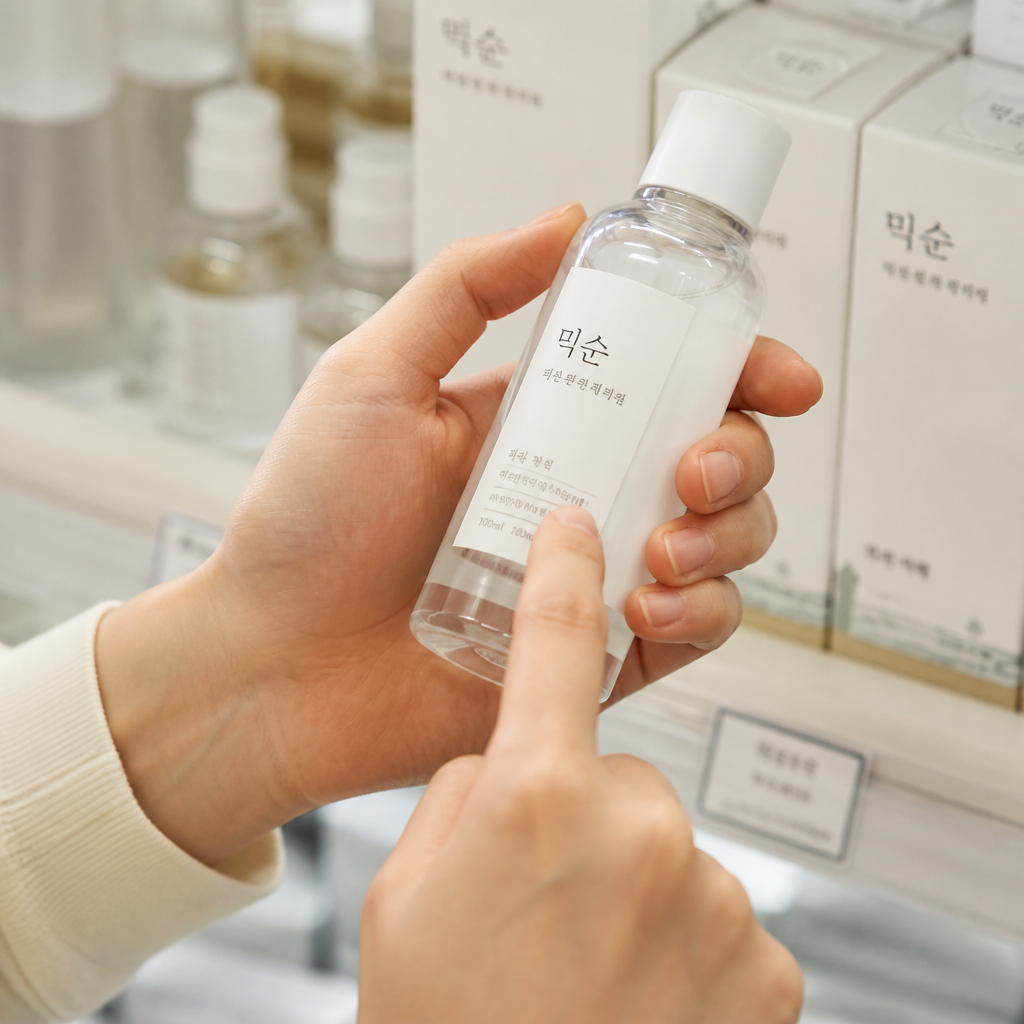
Is Korean skincare safe for daily use?
Yes, Korean skincare products designed for daily use—such as cleansers, toners, moisturizers, and sunscreens—are generally formulated to be safe for twice-daily application. The philosophy of Korean skincare centers on gentle, hydrating formulas that are ideal for frequent use. This includes pH-balanced cleansers and lightweight moisturizers that support the skin barrier without causing irritation or clogging pores.
While foundational products are safe for daily use, products containing potent active ingredients like AHAs, BHAs, or retinol should be introduced more gradually. It is crucial to introduce active ingredients gradually and observe how your skin responds. Starting with 2-3 times a week allows your skin to acclimate, reducing the risk of irritation. Sunscreen is a cornerstone of the Korean routine and is formulated for safe daily application to provide effective sun protection.
Is Korean skincare safe for sensitive skin?
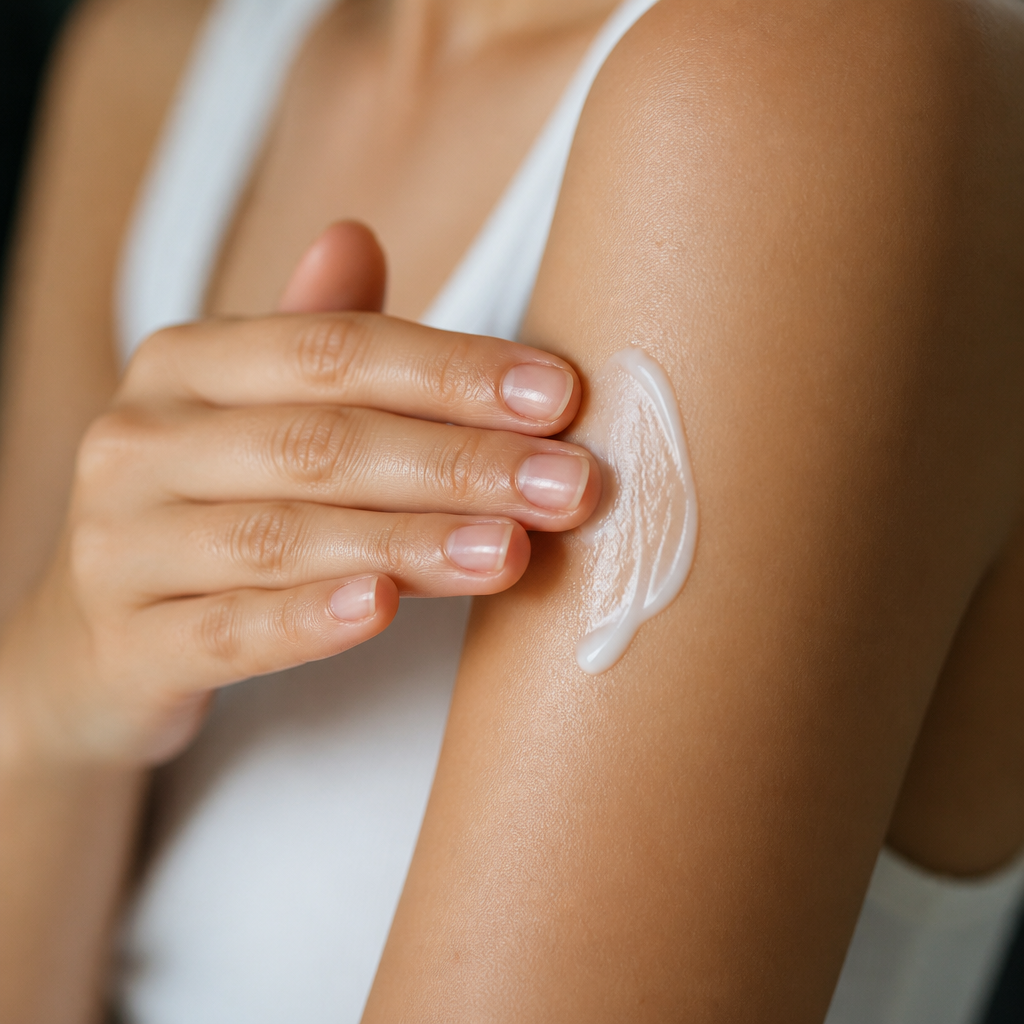
Many Korean skincare brands specifically cater to sensitive skin, offering products with minimal ingredients, no fragrance, and rigorous hypoallergenic testing. These formulas often feature calming and anti-inflammatory ingredients like centella asiatica, madecassoside, panthenol, and beta-glucan to soothe reactive skin and support its healing process.
Several Korean brands, such as Etude House Soon Jung and Purito, are well-regarded for their sensitive skin lines, which often feature simple ingredient lists and undergo clinical irritation testing. For those with sensitive skin, performing a patch test with any new product is a crucial step. Applying a small amount to a discreet area for 24-48 hours can help identify potential adverse reactions before applying it to your entire face. It is also wise to avoid common irritants like high concentrations of essential oils, alcohol denat, and artificial fragrance.
Korean Skincare Safety for Specific Groups
Is Korean skincare safe during pregnancy?
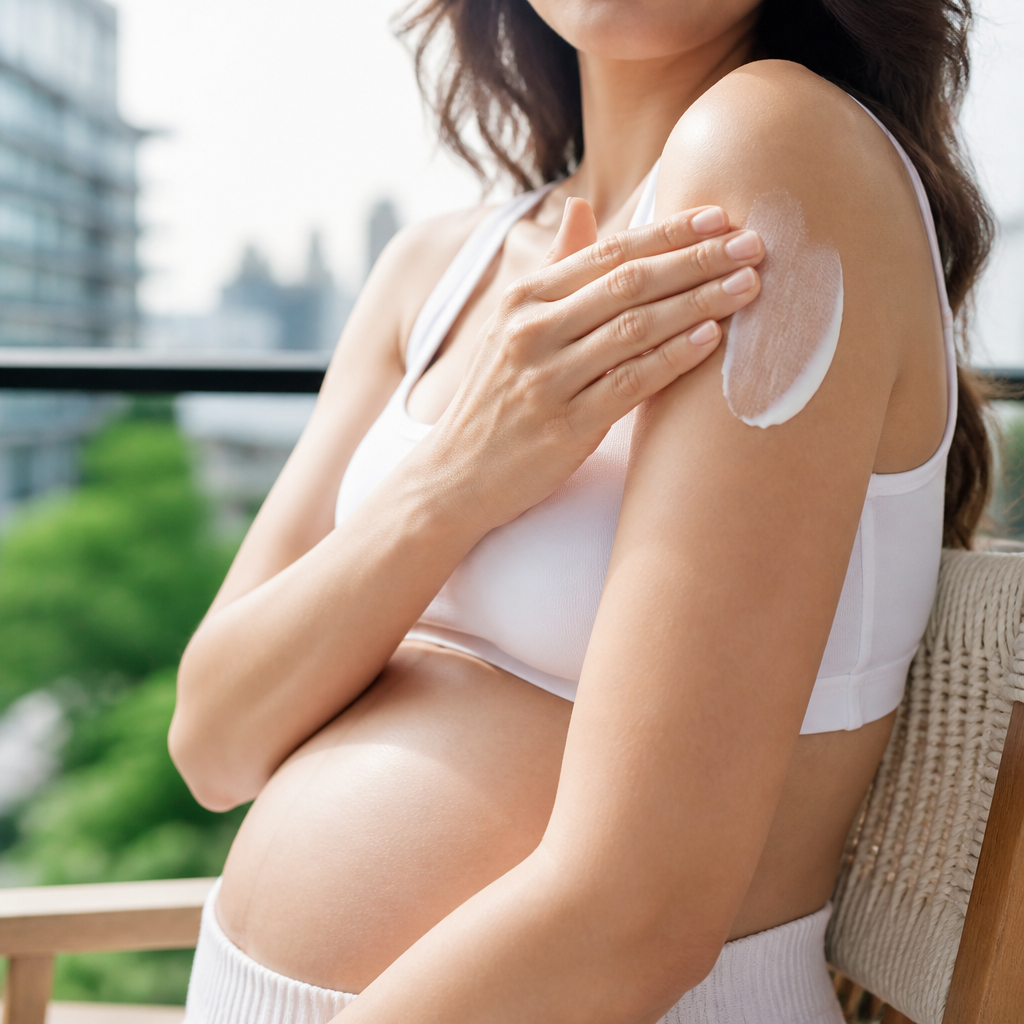
During pregnancy, it is wise to be more cautious with skincare choices. Generally, most basic Korean skincare products like gentle cleansers, hydrating moisturizers, and mineral sunscreens are considered safe for use during pregnancy.
However, it’s essential for pregnant individuals to be aware of and actively avoid specific ingredients known to be unsafe during this time. These include:
- Retinoids (retinol, retinyl palmitate)
- High-dose Salicylic Acid (above 2%)
- Hydroquinone
- Certain Essential Oils (rosemary, sage, juniper)
Many active ingredients found in Korean skincare, such as niacinamide, hyaluronic acid, vitamin C, and azelaic acid, are considered safe for pregnancy and can help address concerns like dryness or dark spots. Mineral sunscreens containing zinc oxide and titanium dioxide are often recommended as they are not absorbed into the body. It is always recommended that pregnant women consult their obstetrician or dermatologist before trying any new skincare products.
Is Korean skincare safe for kids?
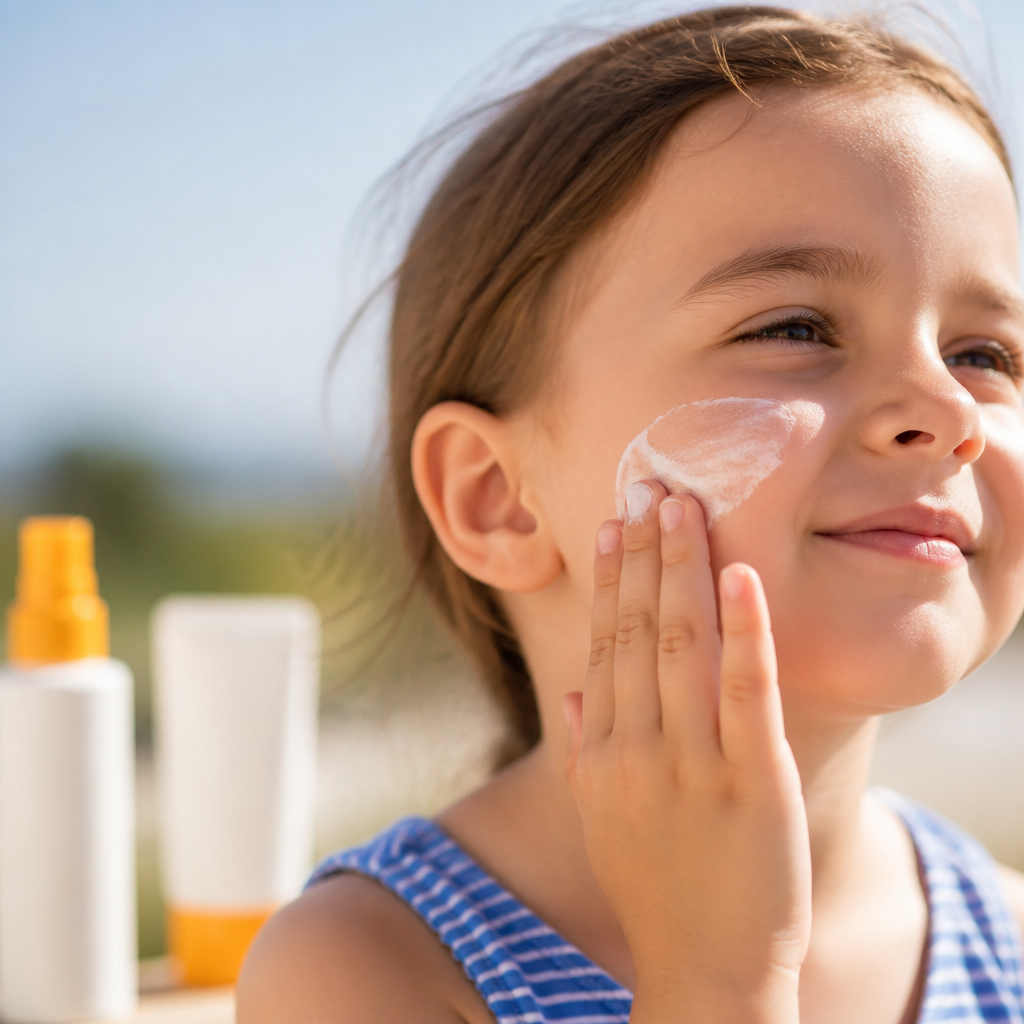
When considering Korean skincare for children (ages 3-12), age-appropriateness is the most important factor. Products specifically formulated and labeled for children’s use are generally safe. These formulas are simpler, with fewer ingredients, and avoid potent actives that are unnecessary and potentially irritating for young, developing skin.
Korean children’s skincare lines primarily focus on three basic needs: gentle cleansing, adequate moisturizing, and reliable sun protection. Korean mineral sunscreens with zinc oxide or titanium dioxide are considered a safe and effective choice for children over 6 months old, as recommended by the American Academy of Pediatrics (AAP). Simplicity is key; children do not need anti-aging products, essences, or multi-step routines. For teenagers (13+) experiencing acne, certain Korean products with low-concentration salicylic acid (0.5-2%) or niacinamide can be used safely under guidance.
FAQ
Q1: What makes Korean skincare products generally considered safe?
A1: Korean skincare products are considered generally safe due to the strict rules and safety standards enforced by South Korea’s Ministry of Food and Drug Safety (MFDS). These regulations include mandatory pre-market safety checks, stability testing, microbial contamination testing, and a ban on over 1,300 ingredients. This approach is similar to EU standards and significantly more comprehensive than US regulations.
Q2: Are there any specific ingredients in Korean skincare that pregnant women should avoid?
A2: Yes, pregnant women should avoid Korean skincare products containing retinoids (like retinol, retinyl palmitate), high-dose salicylic acid (typically above 2%), hydroquinone, and certain essential oils. Most basic cleansers, hydrating moisturizers, and mineral sunscreens are generally considered safe. However, it is always advisable to consult with an obstetrician or dermatologist before trying new products during pregnancy.
Q3: How do Korean skincare safety standards compare to those in Western countries like the US or EU?
A3: Korean skincare safety standards are often viewed as comparable to the EU and considerably more comprehensive than in the US. South Korea and the EU ban over 1,300 cosmetic ingredients, whereas the US FDA bans only 11. Korean “functional cosmetics” also require pre-market approval with clinical data, a step not typically mandated for most US cosmetics.
Q4: What are the main concerns consumers should be aware of regarding Korean skincare safety?
A4: The primary concern is the prevalence of counterfeit Korean skincare products sold through unofficial channels, which may contain harmful ingredients. Other issues include language barriers on products intended for the Korean market, individual sensitivities to specific ingredients, and the potential for irritation from improperly layering potent active ingredients. Performing a patch test with new products is always recommended.
Q5: Is Korean skincare suitable for sensitive skin?
A5: Yes, many Korean skincare brands specifically develop products for sensitive skin. These often feature minimal, fragrance-free ingredient lists and include soothing ingredients like centella asiatica and panthenol. However, individuals with sensitive skin should still conduct patch tests and avoid known personal irritants.

Hello! I’m Chloe Evans, a beauty enthusiast passionate about all things K-Beauty. Welcome to my blog, where I share honest reviews, essential skincare tips, and the latest Korean beauty trends. My goal is to help you build a simple yet effective routine for radiant, healthy skin. Join me on this journey to unlock your natural glow!