japanese vs korean skincare: 7 Key Differences Revealed
I still vividly remember walking into a beauty store in Seoul for the first time. I was overwhelmed but completely fascinated by the sheer volume of innovative products. That was in 2016, and it kickstarted my personal journey into the incredibly rich worlds of Japanese and Korean skincare. Both Japanese and Korean approaches have rightfully earned global adoration for their dedication to glowing, healthy skin, yet they operate on surprisingly different philosophies. One might woo you with its streamlined elegance, promising "mochi skin" with just a few refined steps, while the other tempts with a playground of cutting-edge ingredients and the promise of "glass skin" through a delightful, multi-layered ritual. Understanding these fascinating distinctions isn't just about choosing products; it's about finding a skincare philosophy that truly resonates with your skin's unique story. In this article, we'll dive deep into the nuanced differences, from their core philosophies and standout ingredients to their daily routines and iconic brands, helping you unlock which path might best lead you to your ultimate skin goals.
What Are the Core Differences in Philosophy & Ingredients?
Japanese vs. Korean Skincare Philosophy
The foundational philosophies of Japanese and Korean skincare represent distinct approaches to achieving healthy, radiant skin. Japanese skincare often embraces a "less is more" philosophy, prioritizing simplicity, prevention, and fostering long-term skin health through a curated selection of high-quality products. This contrasts with Korean skincare, which tends to follow a "more is more" approach, emphasizing the layering of multiple products, continuous innovation, and addressing specific skin concerns through extensive, multi-step routines. These differing philosophies guide everything from product formulation to daily application techniques.
At the heart of Japanese skincare is the concept of "mochihada," which translates to "mochi skin." This ideal describes a complexion that is soft, smooth, and bouncy, achieved primarily through gentle care and diligent sun protection. In contrast, Korean skincare often targets "chok-chok," referring to a dewy, luminous, and intensely hydrated appearance, also known as "glass skin." This look is typically achieved through intensive hydration and the strategic layering of numerous products designed to saturate the skin with moisture and active ingredients.
Dr. Alicia Yoon, a licensed esthetician and a recognized authority in Korean skincare, offers an expert perspective on these cultural differences.
She notes that Korean beauty culture actively encourages experimentation and customization, often leading to routines that can involve 10 or more steps. This allows individuals to tailor their regimen precisely to their evolving skin concerns. Conversely, Dr. Yoon explains that Japanese beauty emphasizes consistency and efficiency, typically favoring fewer, more multifunctional products that are used reliably day after day.
The application philosophy further illustrates these differences. The Japanese approach often incorporates "mottainai," a concept that advocates for avoiding waste by using minimal product amounts. Korean skincare, however, often encourages generous application and a technique known as "skin flooding," which involves saturating the skin with multiple hydrating layers to achieve maximum moisture penetration. Finally, Japanese skincare strongly prioritizes prevention as a lifelong wellness journey, while Korean skincare, while also valuing prevention, often places a greater emphasis on the targeted treatment of existing concerns.
Japanese vs. Korean Skincare Ingredients
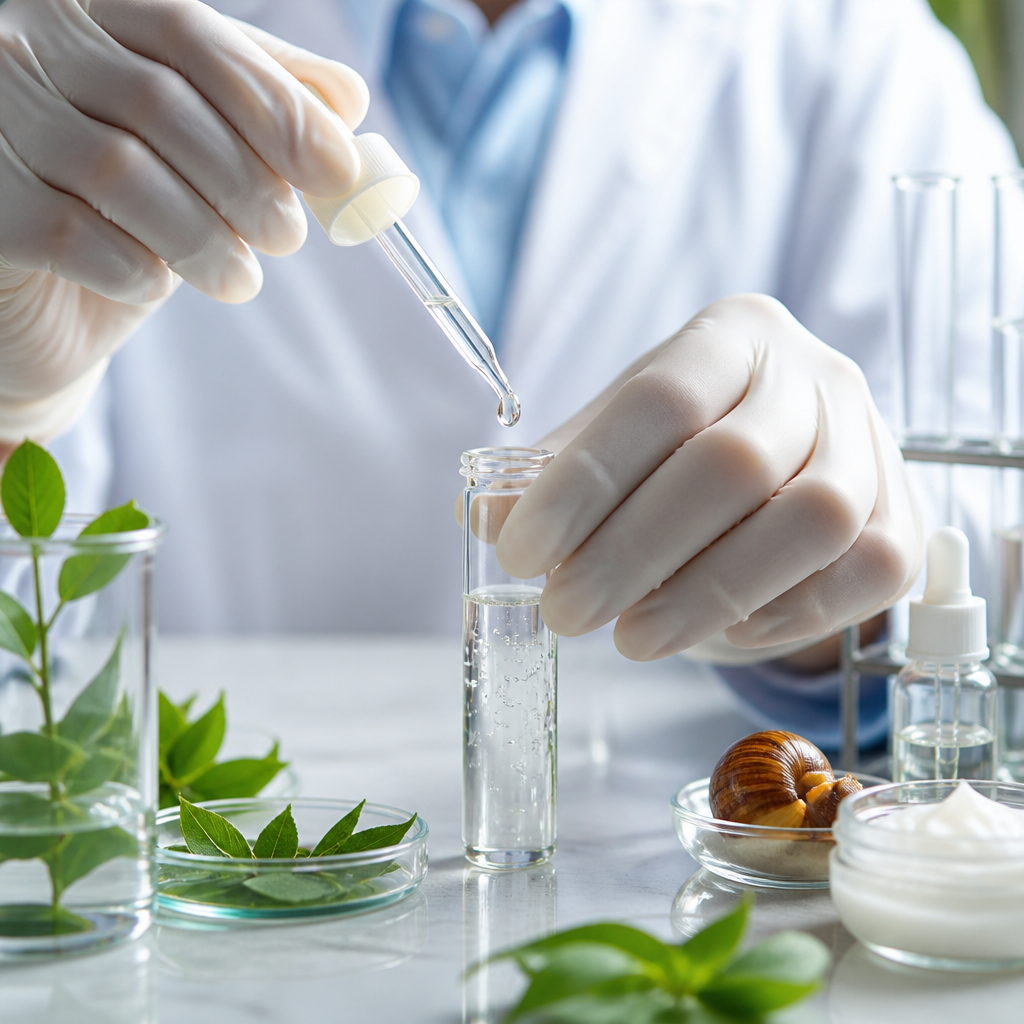
The choice and application of ingredients represent another significant area of divergence between the two skincare giants. Japanese skincare typically favors traditional, naturally-derived ingredients that have a long history of proven safety and efficacy, while Korean skincare is renowned for its emphasis on innovative, science-backed active ingredients. Common Japanese ingredients include rice bran, green tea, seaweed, and camellia oil. In contrast, Korean skincare popularizes novel compounds such as snail mucin, bee venom, centella asiatica (cica), and cutting-edge peptides.
Fermentation technology is utilized by both cultures, but with distinct applications. Japanese brands are famous for single-strain fermentation, such as the proprietary Pitera from SK-II, which prioritizes consistency and purity. Korean brands frequently employ multi-strain fermentation, incorporating ingredients like galactomyces and bifida to enhance the bioavailability of ingredients. A 2022 study in the Journal of Cosmetic Dermatology found that a serum with galactomyces ferment filtrate improved skin hydration by 24% and reduced pigmentation by 18% over 8 weeks, highlighting the potential of these ingredients.
When it comes to active concentration, Japanese products typically contain lower concentrations of ingredients like vitamin C (0.5-2%), prioritizing gentleness for daily use _without overwhelming the skin_. Korean products, conversely, often feature higher concentrations, such as 5-20% for vitamin C or niacinamide, aiming to deliver more visible and often faster results. This aligns with their respective paces of innovation: Japan focuses on refining existing, proven ingredients, while Korea is known for rapid development cycles that constantly introduce new actives to the market.
Routines, Products & Brands
Japanese vs. Korean Skincare Routines
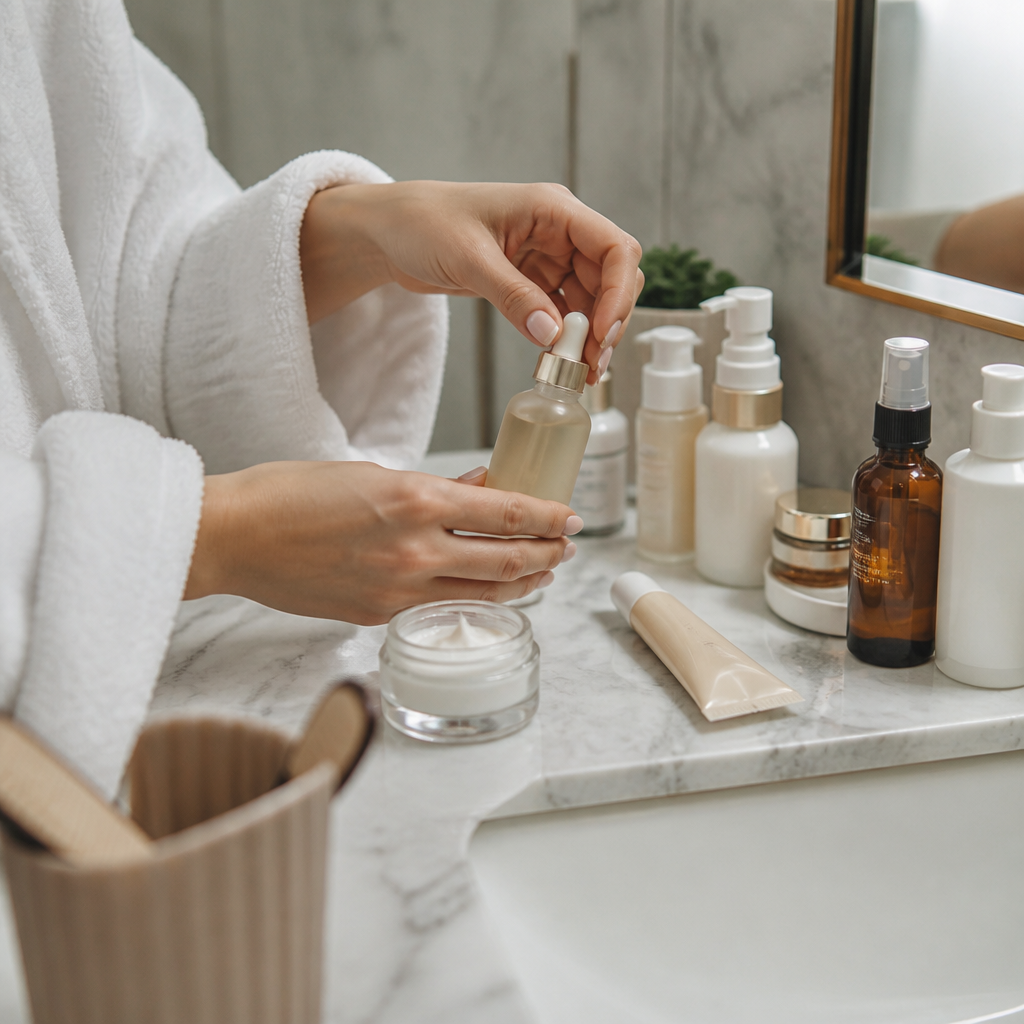
The daily skincare routines in Japan and Korea reflect their underlying philosophies, offering distinct experiences. Japanese skincare routines are typically streamlined, involving about 4-6 steps that focus on quality over quantity. Korean skincare routines are generally more extensive, averaging 10-12 steps designed to layer different products, each with a specific function.
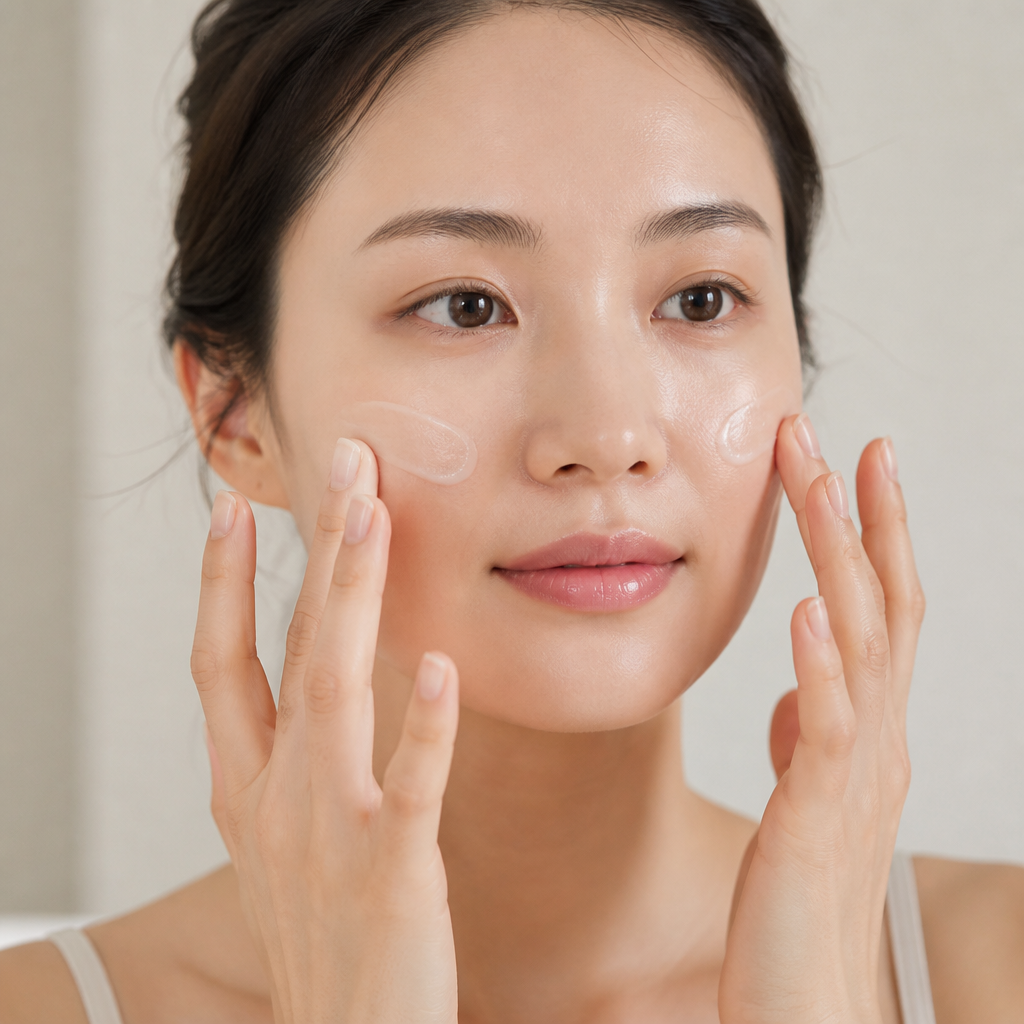
The time investment also varies. A Japanese routine often requires only 5-10 minutes, while a Korean routine can demand 15-30 minutes to allow for sufficient absorption time between layers. Layering techniques are central to both, but executed uniquely. The Japanese "mille-feuille" method involves applying thin layers of hydrating toner 3-5 times. The Korean "7-skin method" takes this further, involving patting a watery toner onto the skin up to 7 times. For both, _the key is to allow each layer to fully absorb before applying the next_.
| Feature | Japanese Skincare Routine | Korean Skincare Routine |
|---|---|---|
| Philosophy | "Less is More" – Simplicity & Efficiency | "More is More" – Customization & Layering |
| Typical Steps | 4-6 Steps (Cleanser, Lotion, Serum, Moisturizer, SPF) | 10-12 Steps (Double Cleanse, Toner, Essence, Ampoule, etc.) |
| Time Commitment | 5-10 Minutes Daily | 15-30 Minutes Daily |
| Key Technique | "Mille-feuille" layering of hydrating lotion | "7-Skin Method" for intense hydration |
Japanese vs. Korean Skincare Products
The product landscapes of Japanese and Korean skincare cater to different preferences. Japanese skincare tends to focus on refined basics like cleansing oils, hydrating lotions, lightweight serums, and high-SPF sunscreens. Korean skincare is known for its specialized product categories, including essences, ampoules, an extensive range of sheet masks, sleeping packs, and cushion compacts.
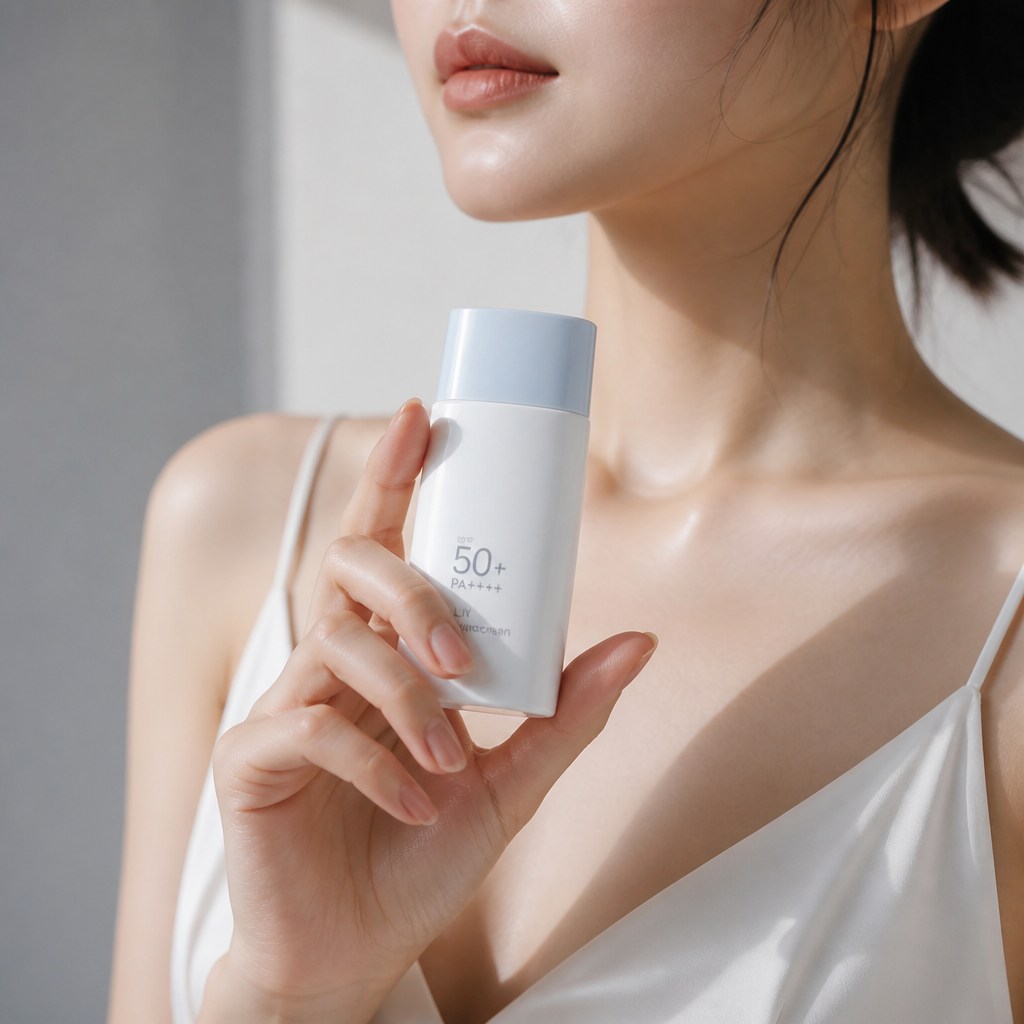
Sunscreen innovation is an area where both excel with different priorities. Japanese sunscreens are widely recognized for leading in UV protection technology, offering high PA++++ ratings and advanced filters in cosmetically elegant formulas. Korean sunscreens, while also providing excellent protection, often emphasize hybrid formulas that infuse skincare benefits, such as niacinamide for brightening or centella for soothing.
Packaging also reflects cultural priorities. Korean products often feature user-friendly packaging like pumps and cushion applicators. Japanese products frequently prioritize minimalist, elegant packaging with a strong emphasis on refillable options and airless pumps to promote sustainability and preserve ingredient stability.
Japanese vs. Korean Skincare Brands
The brand landscape further illustrates these distinctions. Top Japanese brands include legacy names like Shiseido, SK-II, and Hada Labo, which emphasize decades of meticulous research and proprietary technologies. Leading Korean brands include giants like Amorepacific and LG Household & Health Care, as well as a thriving ecosystem of trend-responsive indie brands like COSRX and Klairs.
The global presence of K-beauty has been significantly driven by the "Hallyu" (Korean Wave), with exports reaching approximately $8.49 billion in 2023. Japanese beauty exports, while substantial, are often focused on maintaining a premium positioning. Both Japanese and Korean brands are heavily invested in R&D, with companies like Shiseido and Amorepacific employing hundreds of researchers to advance skincare science, ensuring consumers benefit from either tradition's dedication to quality and innovation.
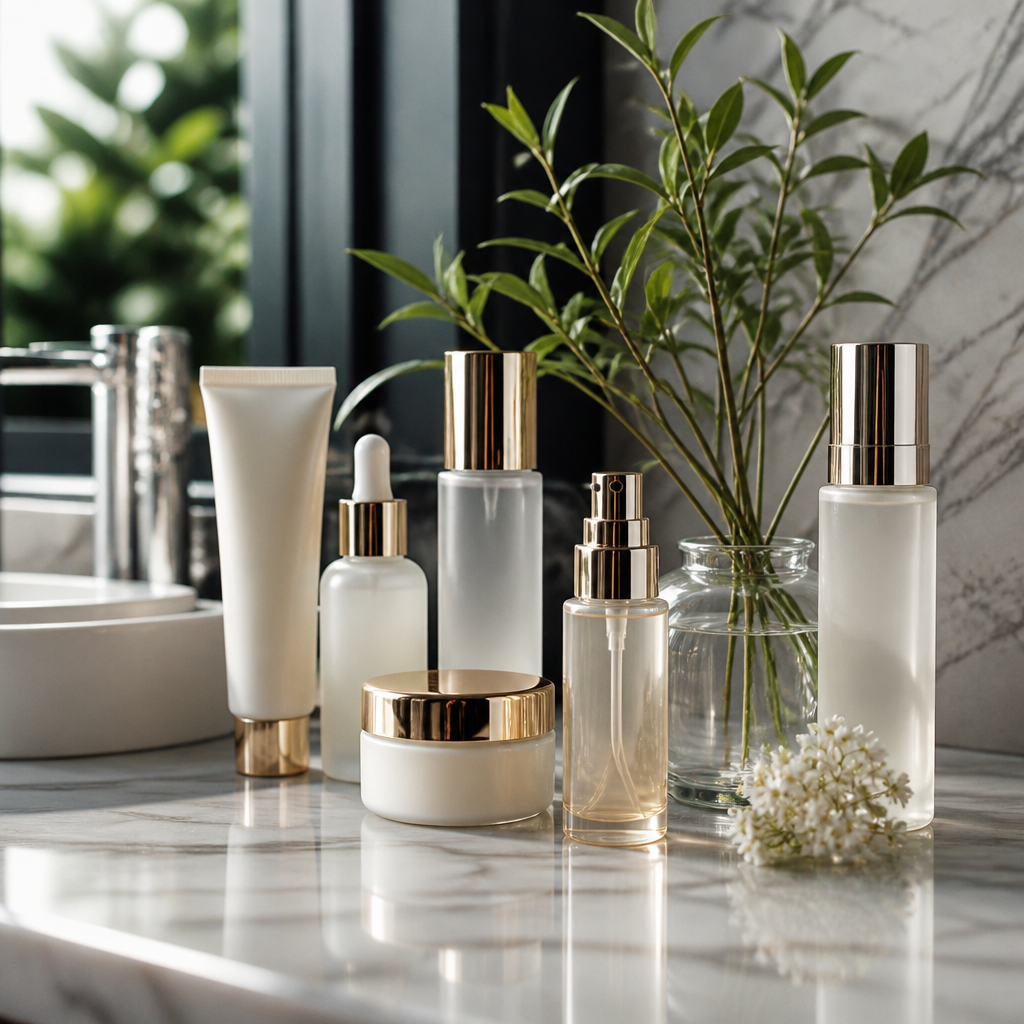
How Do You Choose the Right Approach for Your Skin?
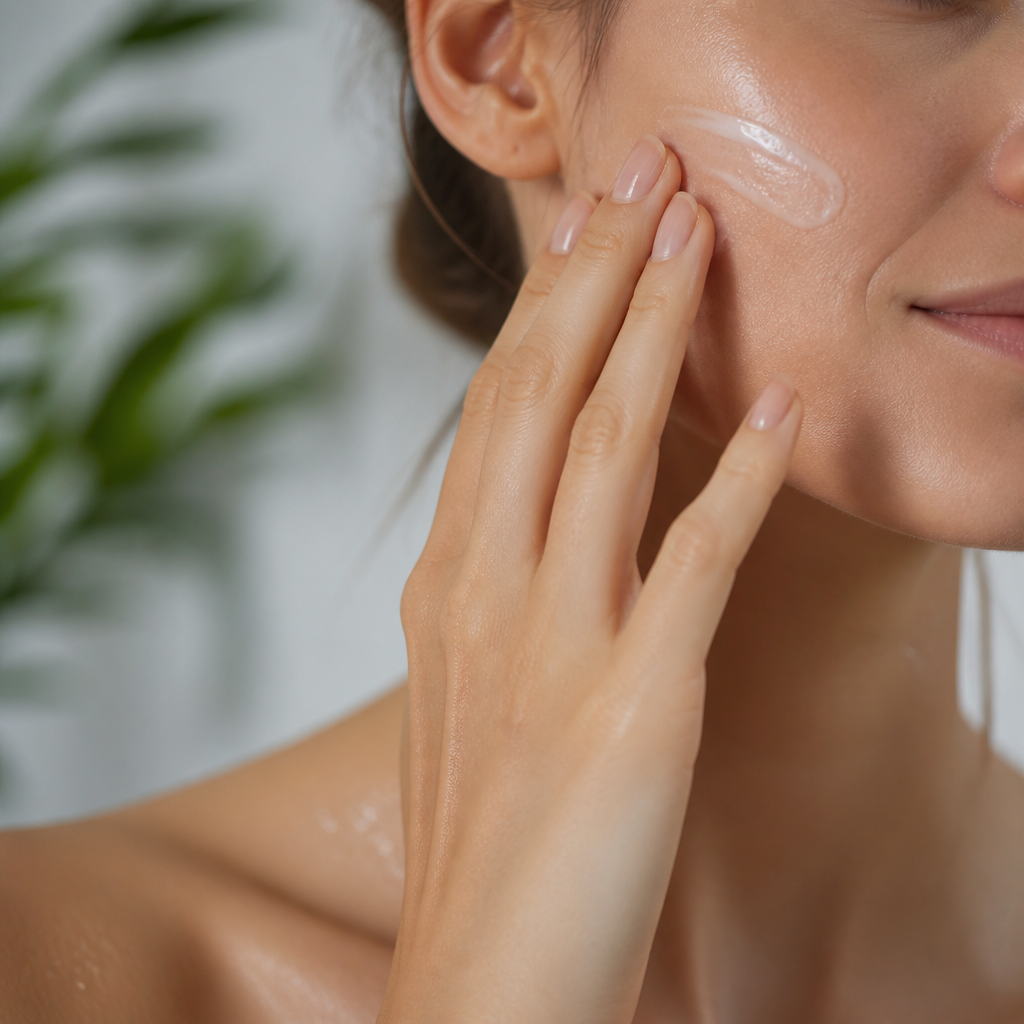
Japanese vs. Korean Skincare for Sensitive Skin
When considering skincare for sensitive skin, both Japanese and Korean approaches offer excellent options. Japanese skincare is often recommended for sensitive skin due to its minimalist formulations, which are designed with fewer ingredients to reduce the potential for irritation. These products are frequently fragrance-free, feature barrier-repairing ingredients like ceramides and hyaluronic acid, and prioritize a pH that matches the skin's natural acid mantle (around 5.5).
Dermatologist Dr. Sandy Skotnicki, author of "Beyond Soap," offers her expert opinion:
She often recommends the Japanese skincare philosophy for sensitive skin due to its emphasis on fewer ingredients, which can reduce the overall exposure to potential allergens and irritants. However, she also notes that Korean centella-based products have shown clinical efficacy for conditions like rosacea and reactive skin.
For those seeking brand recommendations, here are some popular choices for sensitive skin:
- Japanese Brands:
- Curel: Known for its ceramide-focused formulations for atopic-prone skin.
- Minon Amino Moist: Utilizes amino acids to support the skin's moisture barrier.
- d program: A line specifically dermatologist-tested for sensitive skin.
- Korean Brands:
- Dr. Jart+ Cicapair: Famous for its cica-based products that soothe redness.
- Etude House SoonJung: A line known for its gentle, pH 5.5 formulations.
- Klairs Supple Preparation: Offers fragrance-free options suitable for reactive skin.
Regardless of your choice, if you have very sensitive skin, _always doing a patch test is the smartest move to avoid any surprises_.
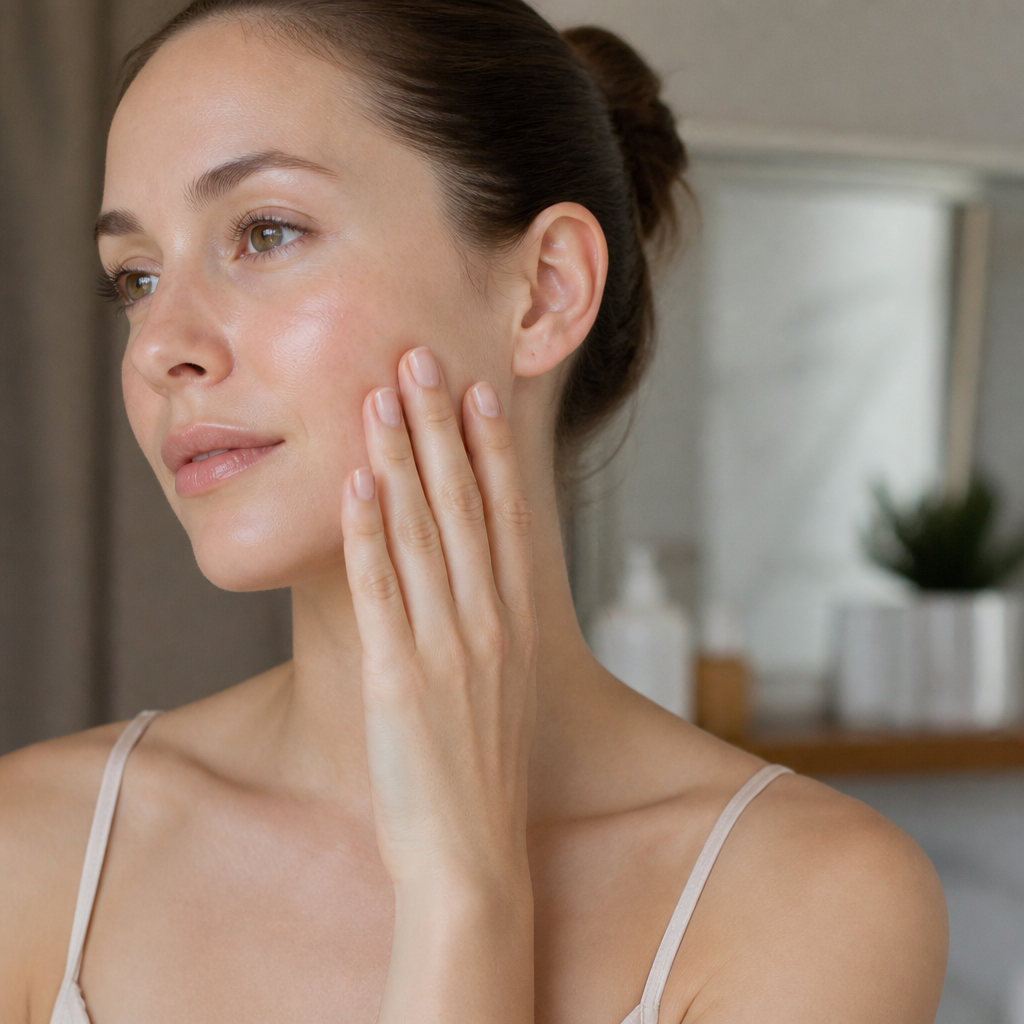
Japanese vs. Korean Skincare for Anti-Aging
Both traditions offer sophisticated anti-aging solutions rooted in distinct philosophies. The philosophy behind Japanese anti-aging often focuses on prevention to preserve youthful skin long-term, while Korean anti-aging tends to emphasize correction and targeted treatment of existing signs. The Japanese approach emphasizes diligent sun protection, antioxidants, and barrier maintenance from an early age. The Korean approach involves potent active ingredients, skincare devices, and intensive interventions to visibly reduce wrinkles and improve elasticity.
Key ingredients differ accordingly. Japanese products often feature retinol derivatives, stable forms of vitamin C, and peptides in gentle concentrations for daily use. Korean formulations frequently utilize adenosine, EGF (epidermal growth factor), snail mucin, ginseng, and higher-strength retinoids for more intensive treatment.
Technology integration is also distinct. Japanese brands incorporate advanced delivery systems like liposomal encapsulation to ensure deep penetration without irritation. Korean anti-aging often features innovative formats like microneedle patches and integration with LED masks to boost results. While Japanese products aim for gradual improvements over 3-6 months, Korean formulations often target visible changes within a shorter timeframe of 2-4 weeks.
—
Both Japanese and Korean skincare offer effective pathways to skin health, each with a unique philosophy. Japanese skincare champions simplicity and prevention for a resilient, "mochi-like" complexion. Korean skincare embraces layering and innovation for a dewy, "glass skin" look. Whether you prioritize a streamlined routine or enjoy a multi-step regimen with cutting-edge ingredients, understanding these distinctions can empower you to make informed choices that align with your skin's needs and personal preferences. Ultimately, the "right" approach is the one that brings you healthy, radiant results.
FAQ
Q1: What is the main philosophical difference between Japanese and Korean skincare?
A1: Japanese skincare generally follows a "less is more" philosophy, focusing on simplicity, prevention, and long-term skin health with minimal, high-quality products to achieve "mochihada" (mochi skin). Korean skincare, conversely, adopts a "more is more" approach, prioritizing layering multiple products, innovation, and targeted treatments to achieve "chok-chok" (dewy, glass skin).
Q2: Can you give examples of unique ingredients commonly found in Japanese versus Korean skincare?
A2: Japanese skincare often features traditional ingredients like rice bran, green tea, seaweed, fermented sake, and camellia oil. Korean skincare is known for innovative actives such as snail mucin, bee venom, various fermented extracts (like galactomyces), centella asiatica (cica), and novel peptides.
Q3: How do the routine structures differ in terms of steps and time commitment?
A3: Japanese skincare routines typically involve 4-6 steps (cleansing, toning/lotion, serum, moisturizer, SPF) and require about 5-10 minutes daily. Korean skincare routines average 10-12 steps (double cleansing, toner, essence, serum, ampoule, sheet mask, eye cream, moisturizer, sleeping pack) and can demand 15-30 minutes daily due to extensive layering.
Q4: Which approach might be better for sensitive skin, and what ingredients are commonly used?
A4: Japanese skincare is often recommended for sensitive skin due to its minimalist formulations (5-10 ingredients), fragrance-free options, and focus on barrier repair with ingredients like ceramides, hyaluronic acid, and colloidal oatmeal. Korean sensitive skin lines also offer benefits with soothing actives like centella asiatica (cica), mugwort, and propolis, though they may contain more ingredients.
Q5: What are the key differences in anti-aging strategies between Japanese and Korean skincare?
A5: Japanese anti-aging emphasizes prevention from an early age through sun protection, antioxidants, and barrier maintenance, using gentle concentrations of ingredients like retinol derivatives and stable vitamin C. Korean anti-aging focuses on correcting existing signs of aging with higher concentrations of actives like adenosine, EGF, snail mucin, and higher-strength retinoids, often integrating advanced technologies and devices for faster, more visible results.

Hello! I’m Chloe Evans, a beauty enthusiast passionate about all things K-Beauty. Welcome to my blog, where I share honest reviews, essential skincare tips, and the latest Korean beauty trends. My goal is to help you build a simple yet effective routine for radiant, healthy skin. Join me on this journey to unlock your natural glow!