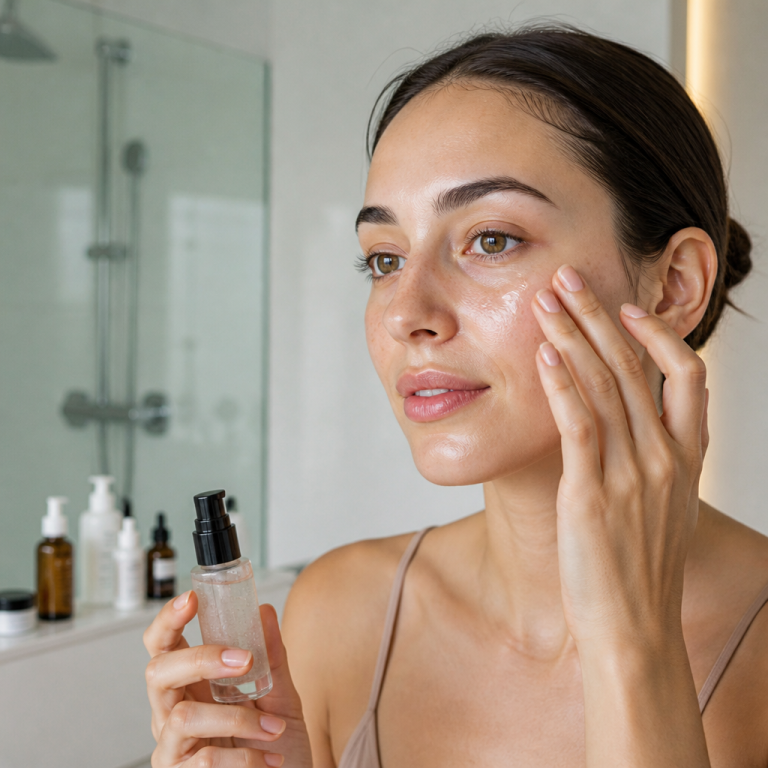
how long to leave sheet mask on: 15-20 min, glow safely
The first time I used a sheet mask, I was convinced that more time meant more magic. I left it on until it was practically bone dry, hoping for a miracle. That experience taught me a valuable lesson: while sheet masks are a fantastic addition to any skincare routine, knowing the optimal duration is the real secret. Discover the key to unlocking their full potential and avoiding the common pitfall of actually making your skin drier.
A sheet mask is a face-shaped fabric soaked in a concentrated serum, designed to deliver a powerful dose of hydration and active ingredients. The generally recommended time for most sheet masks is 15-20 minutes. This timeframe allows your skin to absorb the serum effectively without reaching a point of oversaturation. If you leave a sheet mask on until it dries completely, it can have the opposite effect. As the mask material’s moisture content drops below your skin’s, it begins to pull moisture back out, a process known as reverse osmosis.
“Sheet masks should be left on for about 15 to 20 minutes. If you leave them on longer, the sheet itself will start to dry out and can actually draw moisture out of your skin.”
— Dr. Joshua Zeichner, Dermatologist
Sticking to the recommended times printed on the packaging isn’t just a suggestion; it’s a rule for getting the benefits you’re hoping for.
Recommended Sheet Mask Duration by Type & Skin
While 15-20 minutes is a solid guideline for determining how long to leave a sheet mask on, the perfect time can vary. The mask’s material, its active ingredients, and your unique skin type all play a role in finding the ideal wear time. Understanding these factors helps you customize your routine for maximum benefit.
The ideal application time is not one-size-fits-all; it depends on the mask’s material and your specific skin needs. The type of material, for instance, affects how long it retains moisture. Thicker materials like hydrogel or bio-cellulose hold essence longer than thin cotton masks, often allowing for slightly longer wear times as suggested by the manufacturer. Below is a general guide:
| Mask/Skin Type | Cotton/Paper Mask | Hydrogel/Bio-Cellulose Mask |
|---|---|---|
| Normal to Dry Skin | 15-20 minutes | 20-30 minutes |
| Oily/Acne-Prone Skin | 15 minutes | 20 minutes |
| Sensitive Skin | 10-15 minutes | 15 minutes |
Masks with gentle, hydrating ingredients like hyaluronic acid are more forgiving. However, masks containing potent active ingredients like AHAs, BHAs, or retinoids require stricter, shorter application times to prevent irritation. _If you have sensitive skin, always start with a shorter duration of 10 minutes to see how your skin reacts._
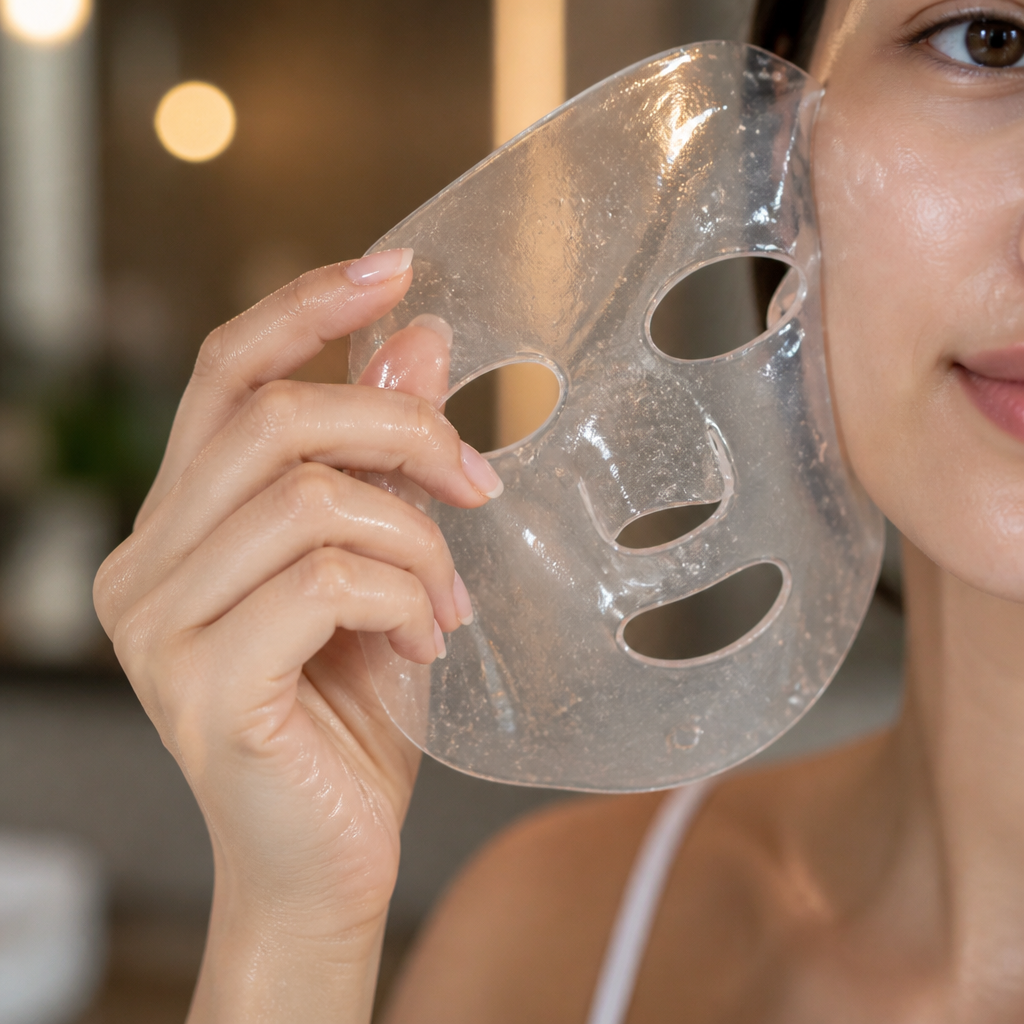
how long to leave korean sheet mask on face
Korean sheet masks have gained immense global popularity for their innovative formulas and diverse materials, such as cotton, hydrogel, and bio-cellulose. Despite these variations, the advice for how long to leave a Korean sheet mask on your face aligns with standard guidelines.
For most Korean sheet masks, the recommended duration is 15-20 minutes. This ensures optimal serum absorption before the mask begins to dry. However, some K-beauty brands with thicker hydrogel or bio-cellulose masks may suggest a slightly longer time, up to 30 minutes. These materials have a superior ability to hold essence and dry out more slowly. As K-beauty expert Charlotte Cho advises, the mask should still feel damp when you remove it. If it’s completely dry, you’ve left it on too long, which negates its hydrating purpose.
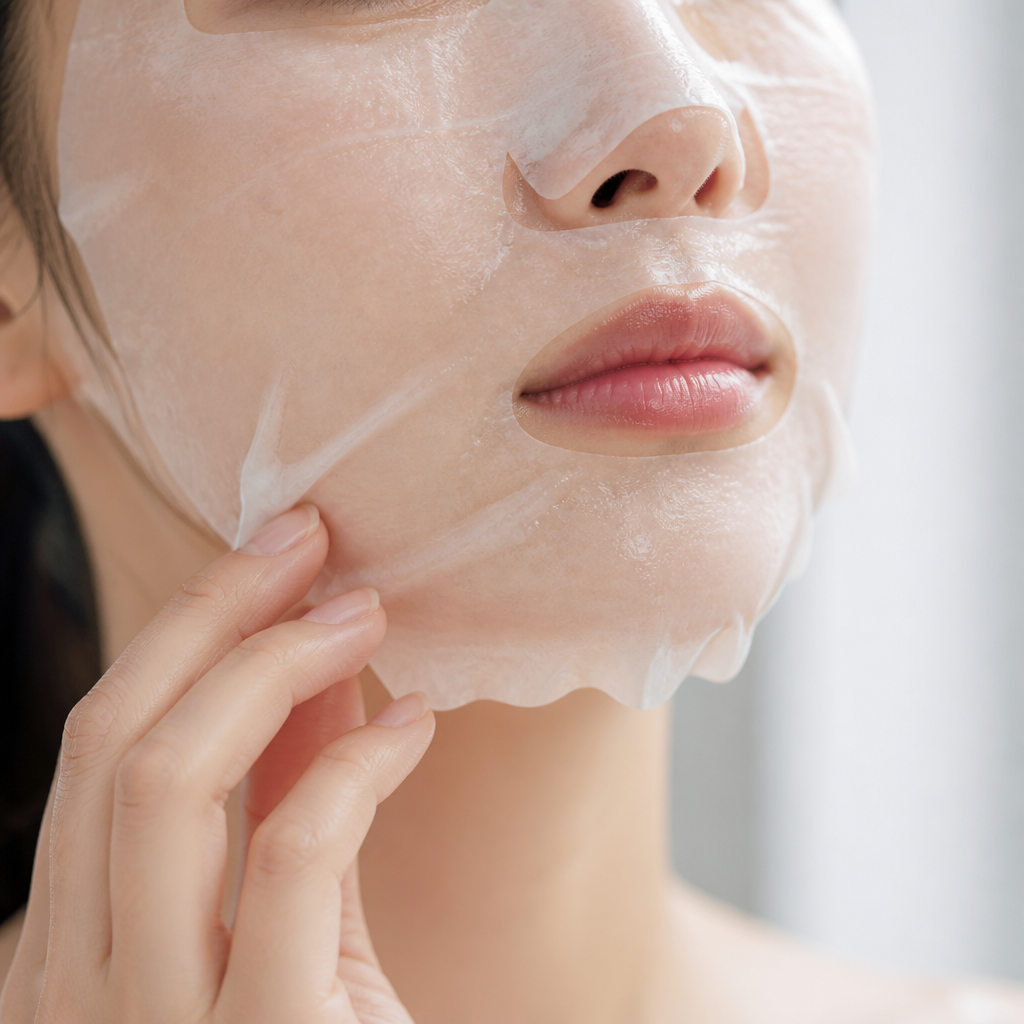
how long to leave collagen sheet mask on
Collagen sheet masks are formulated to temporarily boost skin elasticity and hydration. When deciding how long to leave a collagen sheet mask on, the general rule of 15-20 minutes still applies.
Topical collagen molecules are typically too large to penetrate the skin’s deeper layers, where new collagen is synthesized. Instead, they act as humectants on the skin’s surface, attracting and holding water to provide a temporary plumping and hydrating effect. According to dermatologist Dr. Hadley King, this surface-level benefit is achieved within the standard 15-20 minute window. Extending the time won’t lead to deeper collagen absorption and introduces the risk of the mask drying out and pulling moisture from your skin. Some advanced hydrogel-based collagen masks may recommend up to 30 minutes, but this is the maximum suggested time.
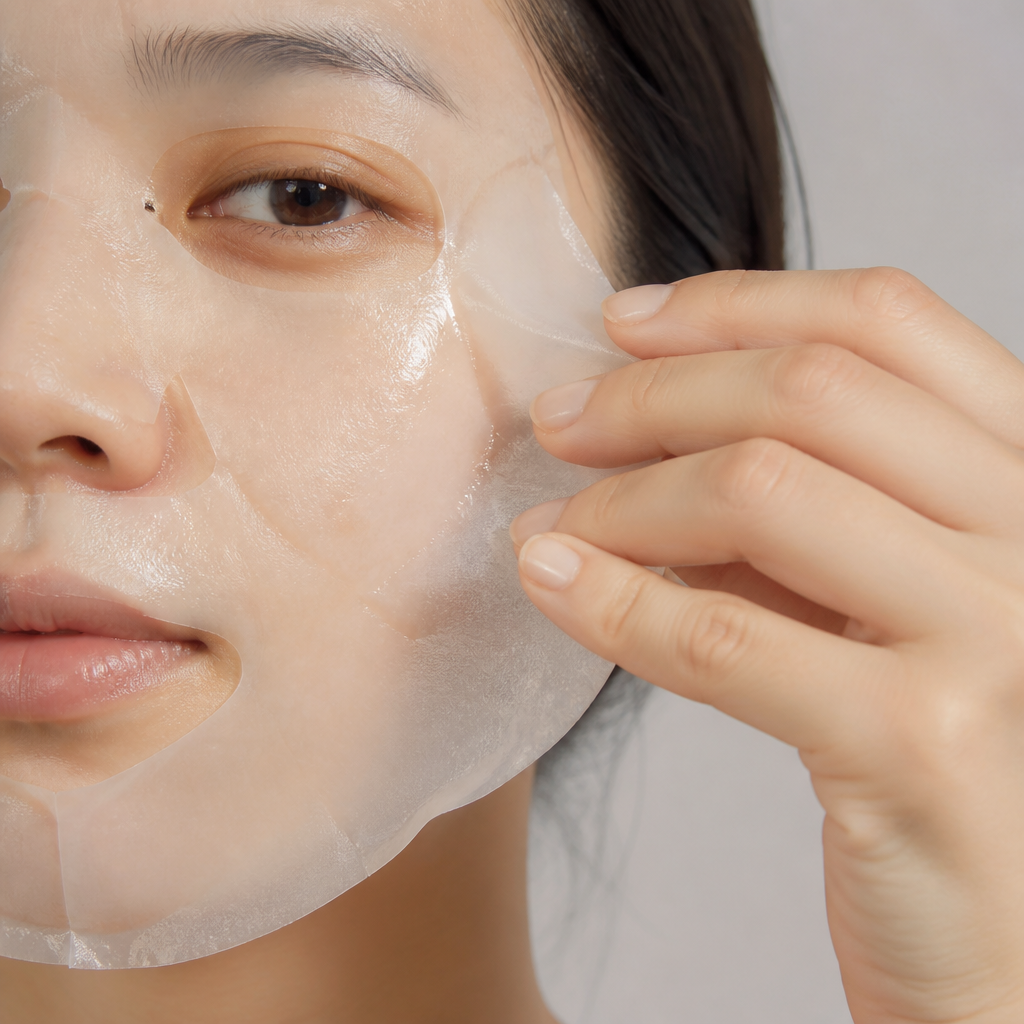
how long to leave sheet mask on sensitive skin
If you have sensitive skin that is prone to redness, itching, or irritation, a more cautious approach is necessary. For those with sensitive complexions, dermatologists recommend a shorter application time to minimize contact with potentially irritating ingredients.
The ideal duration is 10-15 minutes. Starting with 10 minutes allows you to observe how your skin reacts. If no irritation occurs, you can gradually increase the time, but it’s best not to exceed 15 minutes. It is also crucial for sensitive skin types to choose masks free from common irritants like fragrances, alcohol, and essential oils. Always perform a patch test by applying a small amount of the mask’s essence to your inner arm 24 hours before a full-face application to check for any adverse reactions.
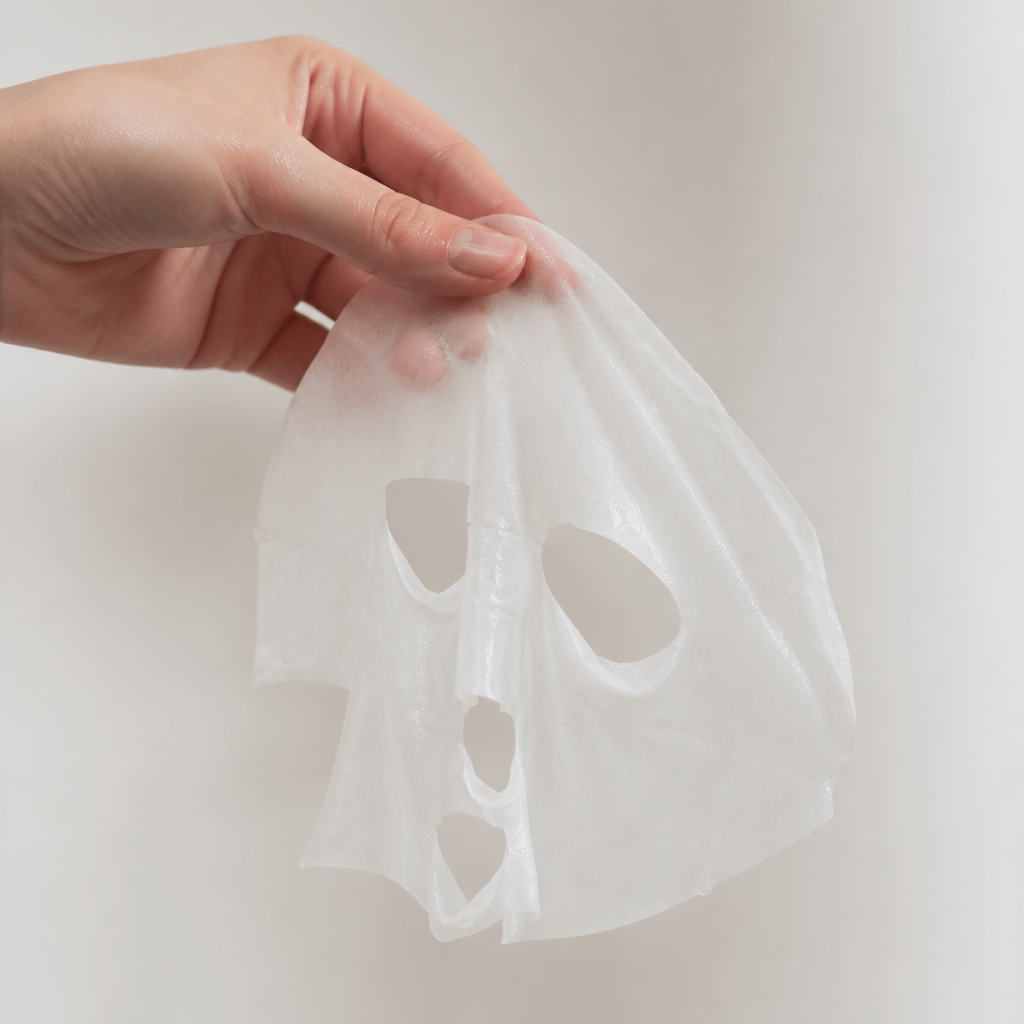
What Happens If You Leave a Sheet Mask On Too Long?
It’s a common misconception that leaving a sheet mask on longer will lead to better results. In reality, exceeding the recommended time can reverse the mask’s benefits and even cause skin problems. Understanding the potential consequences is key to using sheet masks safely and effectively.
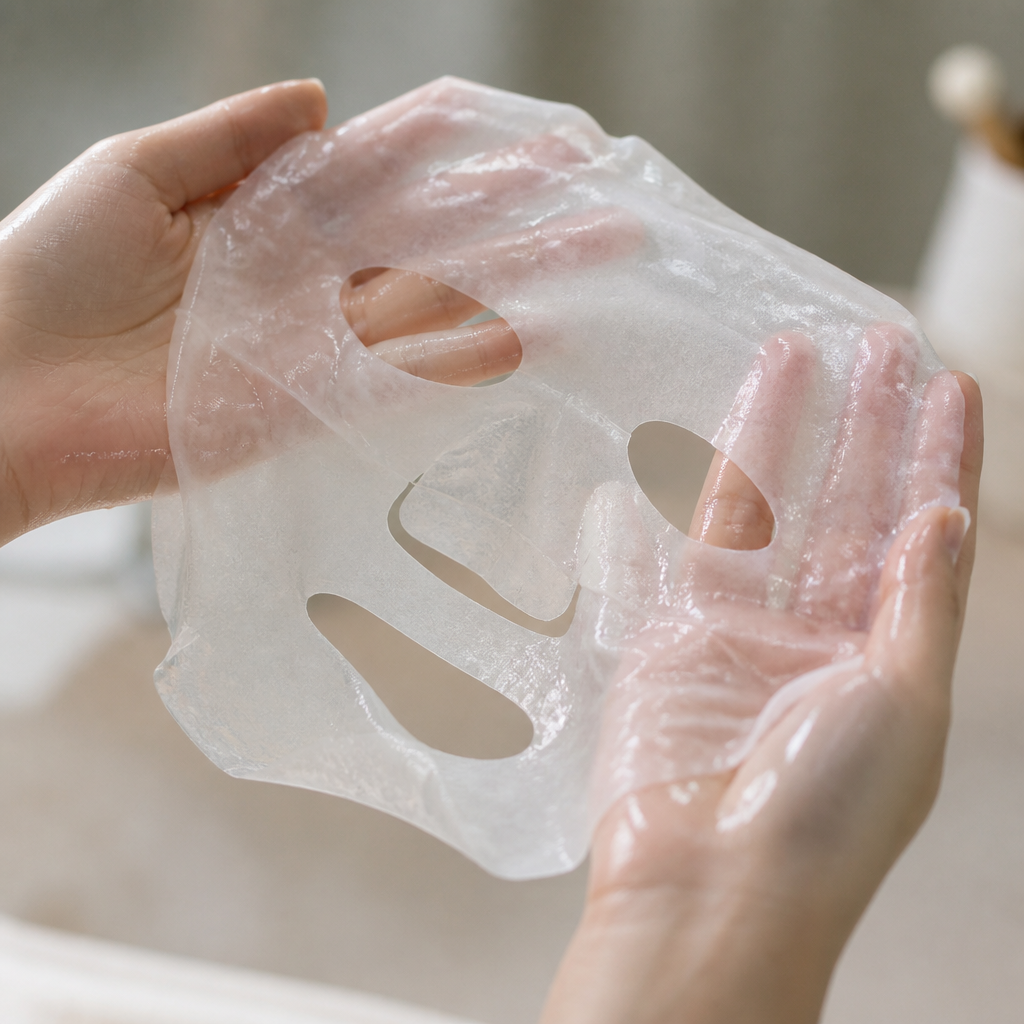
what happens if you leave a sheet mask on too long
The most surprising consequence of prolonged wear is skin dehydration. As the sheet mask dries, it begins to draw moisture back out of your skin, leaving it feeling tighter and drier than before. The most significant risk is reverse osmosis, where the drying mask pulls moisture back out of your skin.
This can also lead to skin irritation, redness, and sensitivity due to extended exposure to active ingredients and preservatives. For masks containing potent actives like AHAs, BHAs, or retinol, leaving them on too long can cause chemical irritation or even burns. Furthermore, prolonged application can trap bacteria and oil against the skin, potentially leading to clogged pores and breakouts.
“When a sheet mask dries out completely on your face, it essentially becomes a sponge that sucks moisture from your skin. This can leave your skin drier than before you started, defeating the entire purpose of the mask.”
— Dr. Dendy Engelman, Dermatologist
_You should never leave a standard sheet mask on overnight, as it can lead to maceration and damage your skin barrier._ This is different from overnight sleeping masks, which are formulated to be left on for hours.
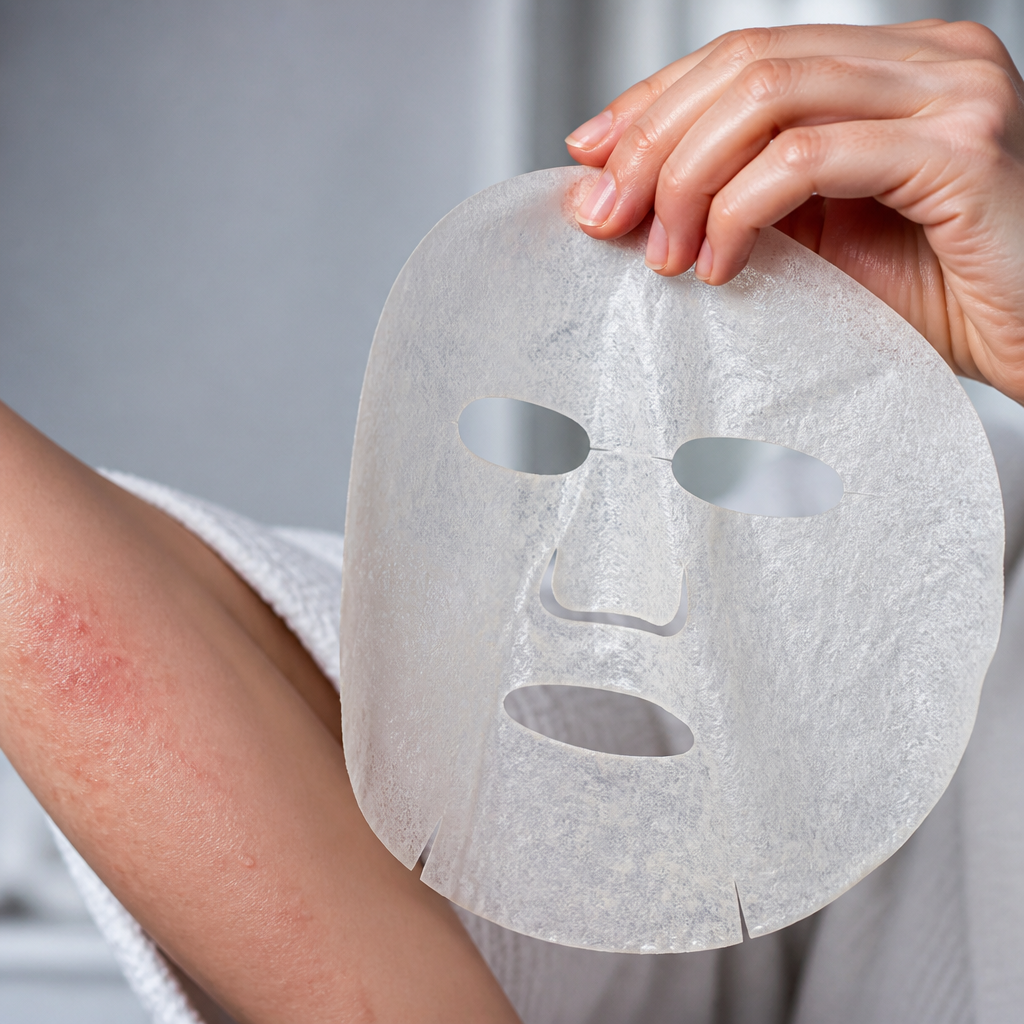
How to Get the Best Results from Sheet Masks
To truly maximize the benefits of a sheet mask, it’s about more than just the application time. Proper skin preparation and post-mask care are essential for achieving that healthy, radiant glow. By following a few strategic steps, you can turn a simple sheet mask into a powerful skincare treatment.
Here is how to properly integrate a sheet mask into your routine:
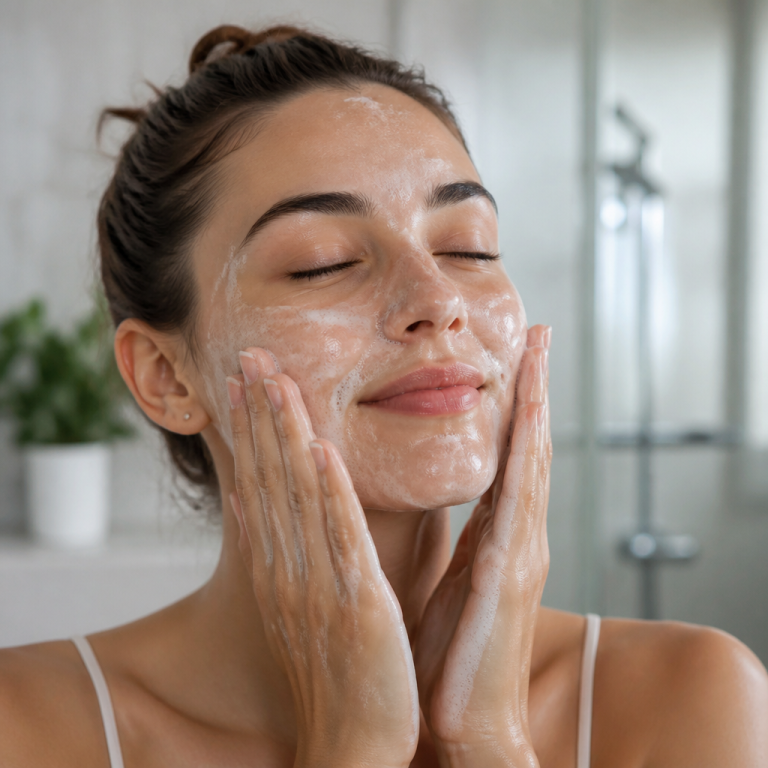
- Cleanse and Tone: Start with a clean canvas. Thoroughly cleanse your face to remove makeup, dirt, and oil. Follow with a toner to balance your skin’s pH and prepare it for absorption.
- Apply the Sheet Mask: Carefully unfold the mask and place it on your face, smoothing it out to ensure good contact with your skin. Relax for the recommended duration.
- Remove While Damp: Take the mask off while it is still moist. This ensures your skin has absorbed the essence without the risk of reverse osmosis.
- Pat, Don’t Rinse: Do not rinse off the excess essence; instead, gently pat it into your skin until absorbed. This ensures you get every last drop of the beneficial formula.
- Seal with Moisturizer: Once the essence has absorbed, apply your favorite moisturizer. This final step is crucial for sealing in the hydration and active ingredients delivered by the mask.
How often should you use a sheet mask for best results?
The ideal frequency for using sheet masks depends on your skin type, concerns, and the mask’s ingredients. For most people with normal to dry skin, using a sheet mask 1-3 times per week provides a consistent boost of hydration without overwhelming the skin.
If you are using masks with potent active ingredients like exfoliating acids or vitamin C, it’s best to limit use to 1-2 times per week to avoid irritation. For those with oily or acne-prone skin, a frequency of 1-2 times per week is also recommended to provide targeted benefits without clogging pores. While daily masking is a trend in some K-beauty routines, it is typically done with very gentle, hydration-focused formulas.
Sheet mask before or after moisturizer?
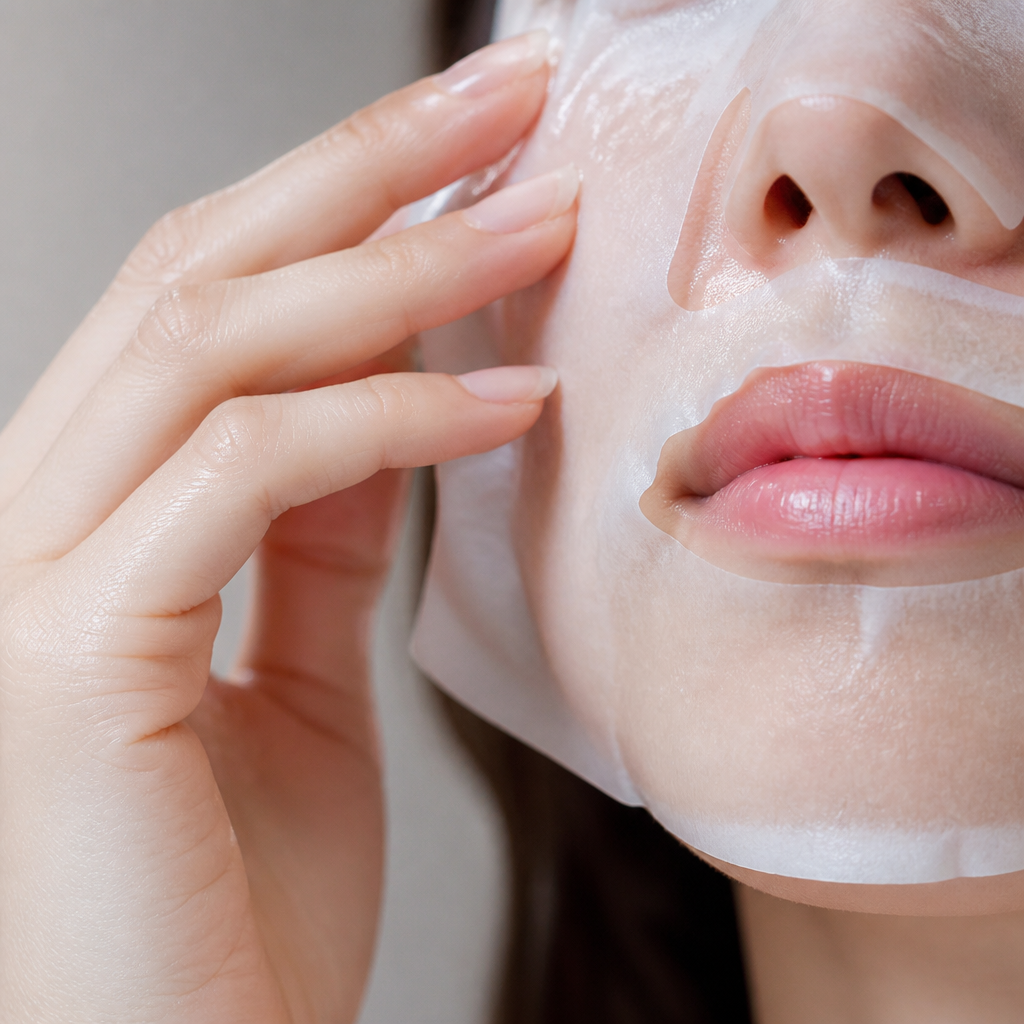
One of the most critical rules of skincare is application order. According to dermatologists, a sheet mask should always be applied before your moisturizer. The mask’s primary function is to deliver a concentrated serum to your skin, and it needs a clean surface for effective penetration.
“Sheet masks should be applied after cleansing and toning but before moisturizer. The mask delivers active ingredients and hydration, and then you want to lock that in with your moisturizer to prevent transepidermal water loss.”
— Dr. Marisa Garshick, Dermatologist
Applying moisturizer first would create a barrier, preventing the mask’s essence from absorbing properly. _Applying moisturizer first creates a barrier that significantly reduces the mask’s effectiveness._ After removing the mask and patting in the remaining essence, follow up with moisturizer to lock in all the benefits and keep your skin hydrated for longer.
FAQ
Q: What is the general recommended duration for leaving a sheet mask on?
A: The standard recommended duration for most sheet masks is 15-20 minutes. This timeframe allows for optimal absorption of the active ingredients without risking the mask drying out.
Q: What happens if you leave a sheet mask on for too long, especially until it dries?
A: Leaving a sheet mask on until it dries can be counterproductive. As the mask dries, it can draw moisture back out of your skin through reverse osmosis, leading to dehydration, irritation, and redness.
Q: Is the application time for Korean sheet masks different from other types?
A: Korean sheet masks generally follow the 15-20 minute guideline. However, thicker formulations like hydrogel or bio-cellulose masks may be left on for up to 30 minutes because they retain moisture longer. Always check the manufacturer’s instructions.
Q: How should individuals with sensitive skin adjust their sheet mask application time?
A: For sensitive skin, a shorter duration of 10-15 minutes is recommended to minimize the risk of irritation. It is also wise to perform a patch test and choose masks free from potential irritants like fragrance and alcohol.
Q: Should a sheet mask be applied before or after moisturizer in a skincare routine?
A: A sheet mask should always be applied before moisturizer. The mask delivers the serum, and the moisturizer is applied afterward to seal in the hydration and beneficial ingredients. Applying moisturizer beforehand creates a barrier that reduces the mask’s effectiveness.

Hello! I’m Chloe Evans, a beauty enthusiast passionate about all things K-Beauty. Welcome to my blog, where I share honest reviews, essential skincare tips, and the latest Korean beauty trends. My goal is to help you build a simple yet effective routine for radiant, healthy skin. Join me on this journey to unlock your natural glow!