What Is a Sheet Mask? Simple Guide to Glow-Boosting Skincare
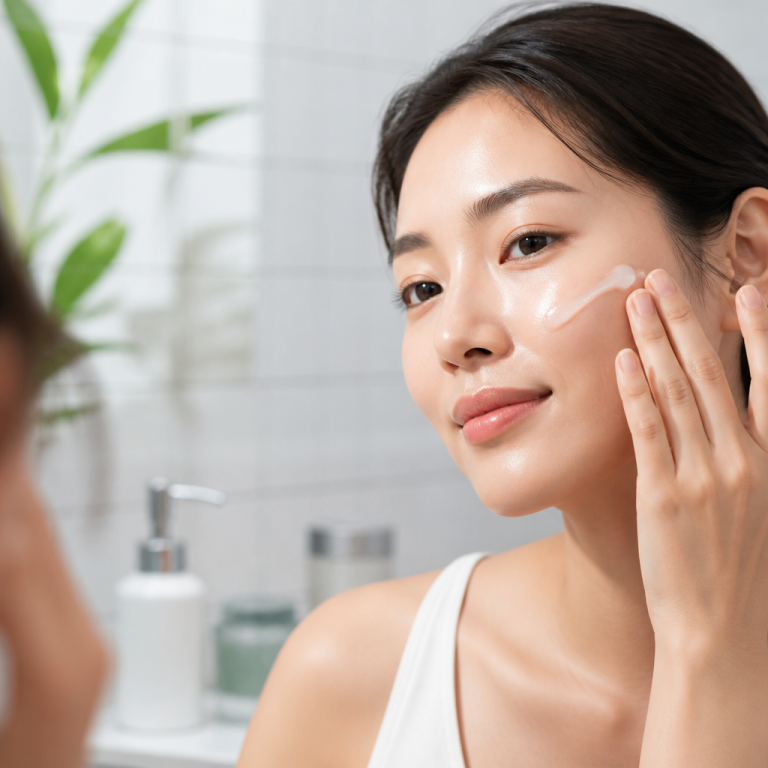
I vividly remember my first sheet mask experience. It was during a particularly stressful exam week in college, and my skin looked dull and tired. A friend, always ahead of beauty trends, handed me a brightly packaged Korean facial treatment, promising a quick fix. Lying down with that cool, soaked mask on my face felt incredibly refreshing—like a mini spa treatment in my dorm room! After only twenty minutes, I was genuinely surprised by how soft, plump, and glowy my skin looked. It felt like a secret weapon for an instant refresh, and I was hooked.
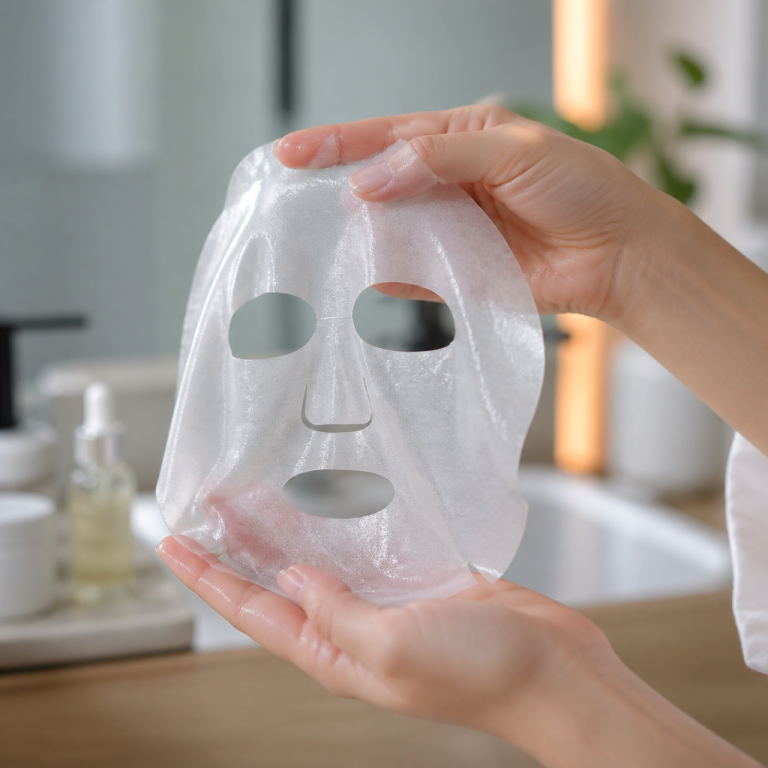
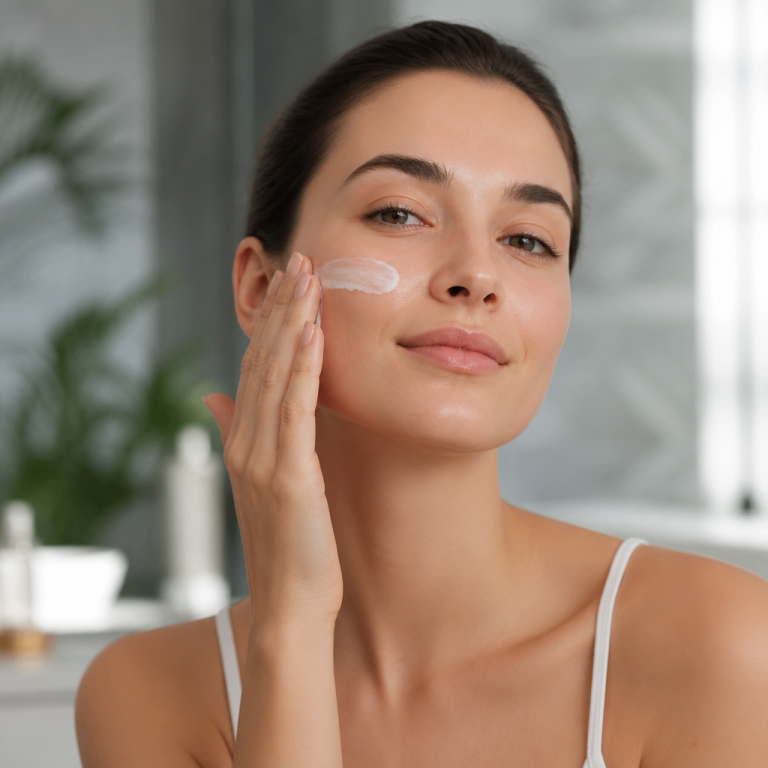
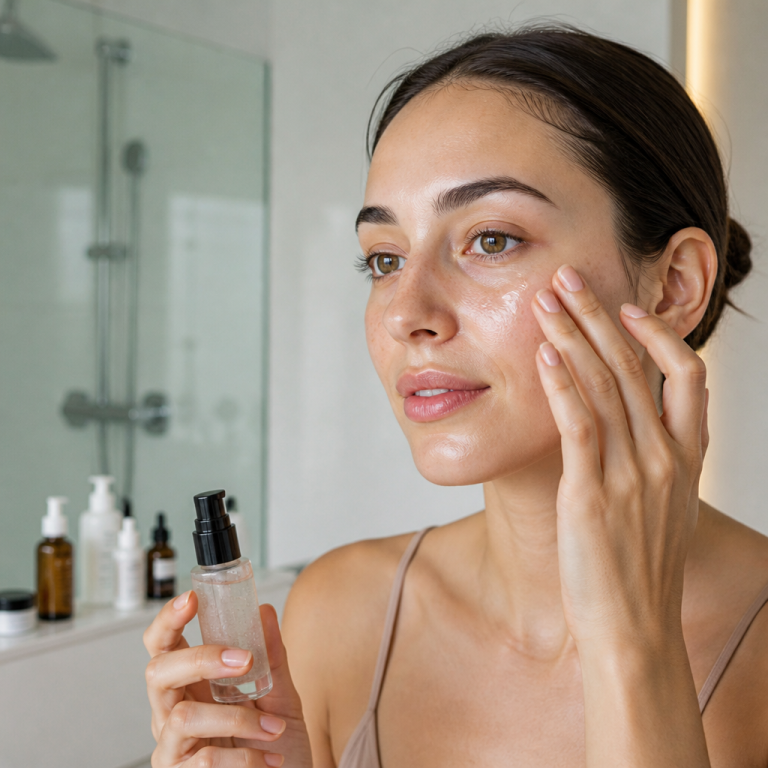
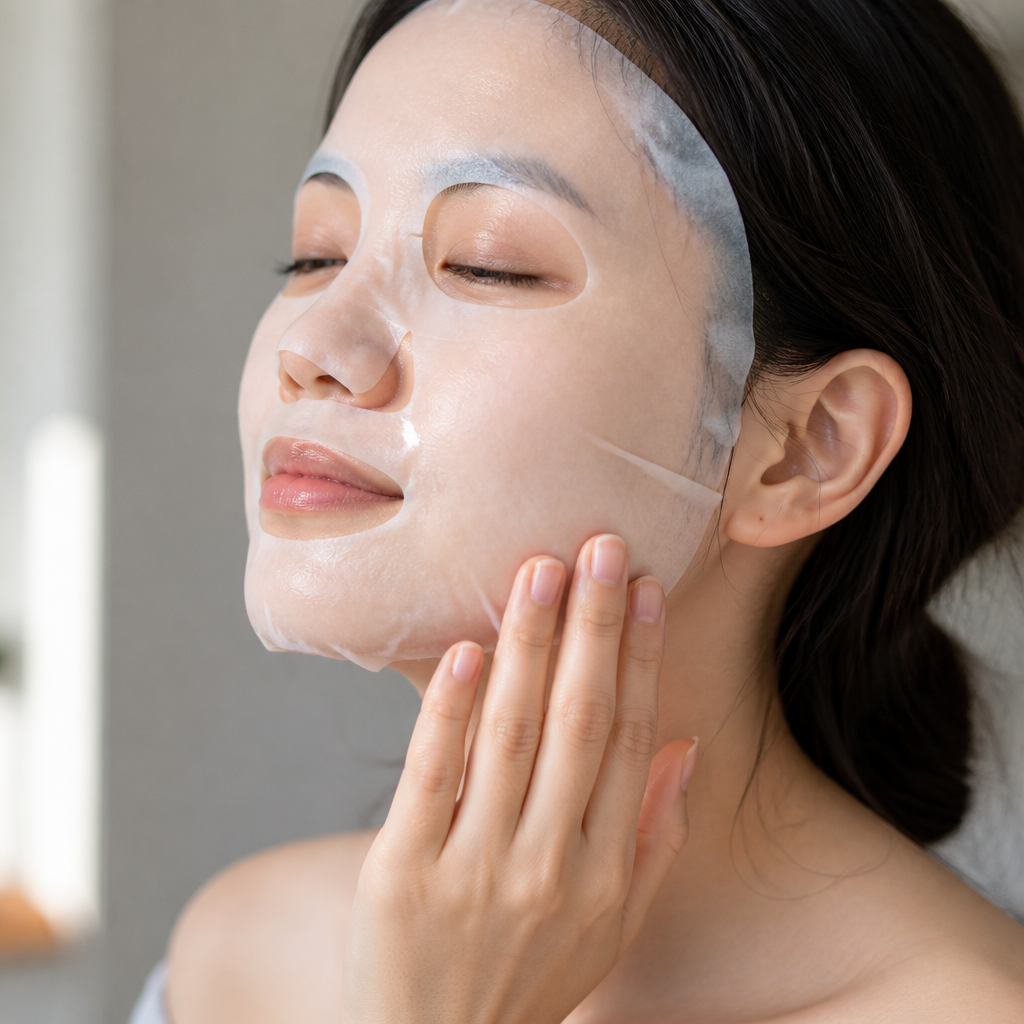
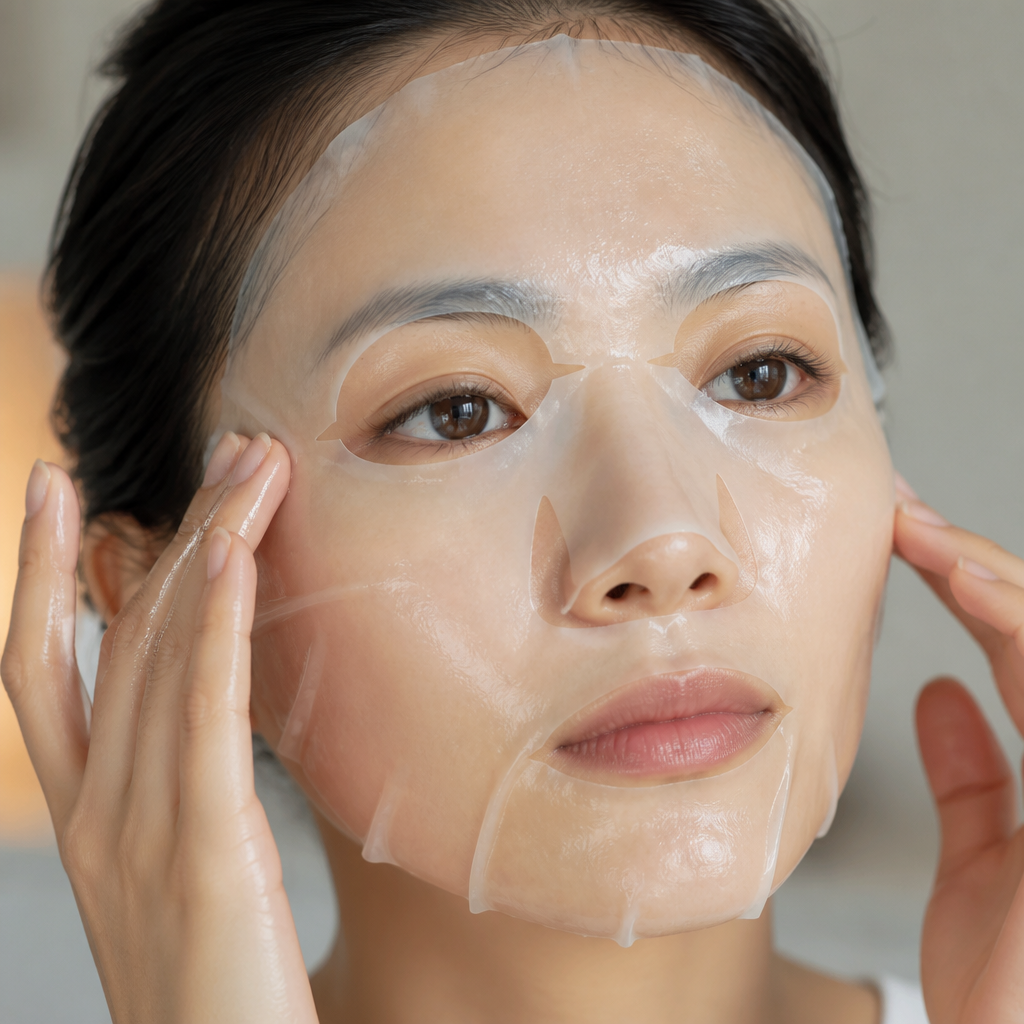
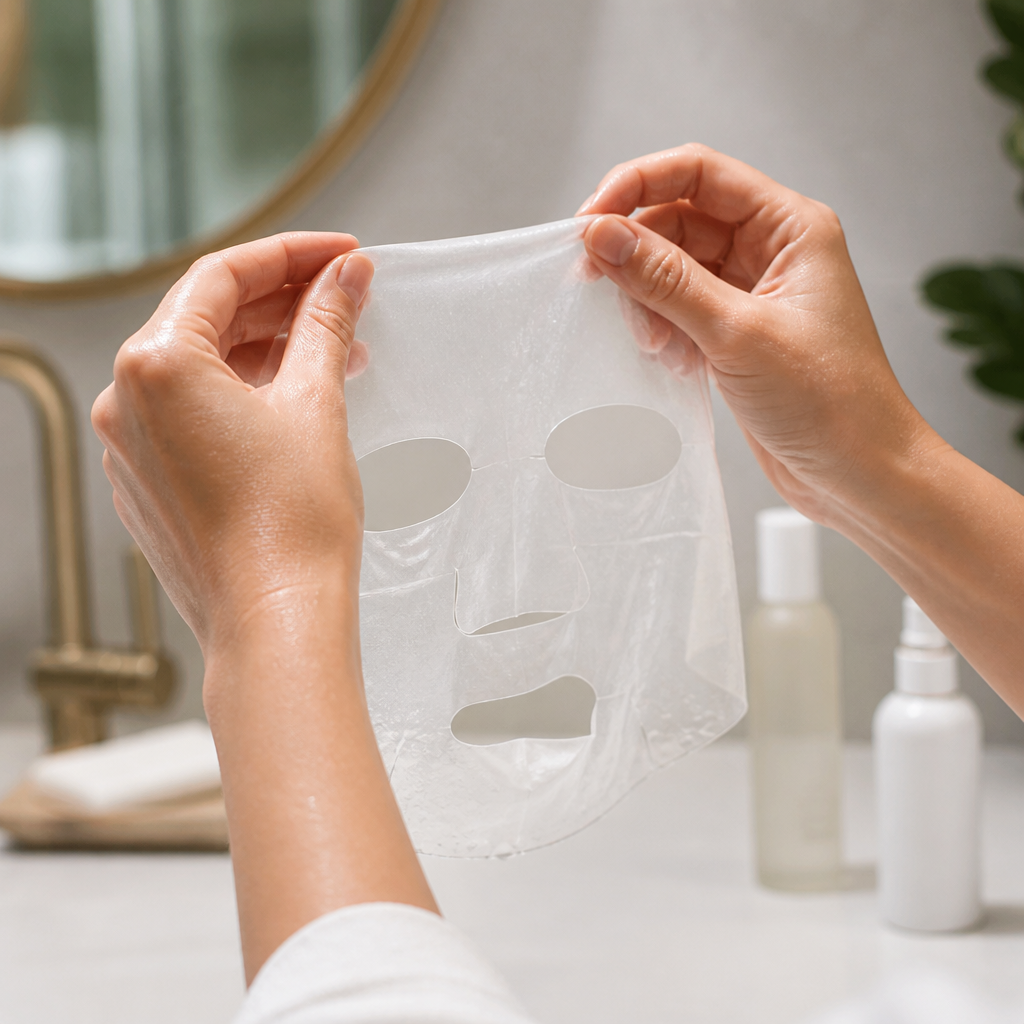
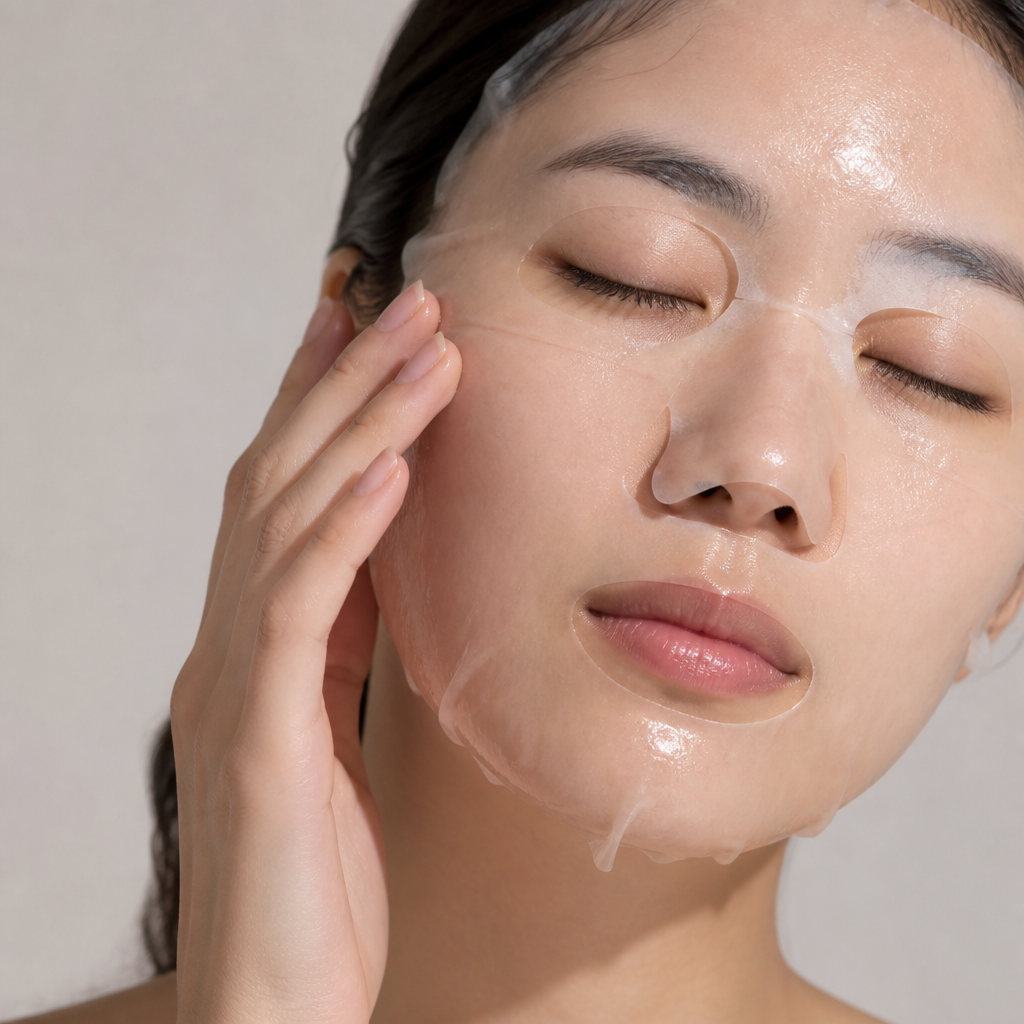
So, what exactly _is_ a sheet mask? At its core, it is a skincare product shaped like a fabric cutout of a face, pre-soaked in a concentrated liquid called a serum or essence. Its main job is to deliver a potent dose of beneficial ingredients directly onto your face through occlusion. Think of it like a damp blanket on your skin; occlusion creates a barrier that keeps beneficial ingredients from evaporating too quickly. This helps your skin stay hydrated and allows the ingredients to penetrate deeper into your stratum corneum, the very top, protective layer of your skin. Discover how you typically wear one for about 15 to 20 minutes, giving your skin ample time to absorb all the goodness.
The concept originated in South Korea in the early 1980s, quickly becoming a staple in what we now know as K-beauty routines. Their popularity exploded globally in the 2010s, riding the wave of K-beauty trends. This surge significantly impacted the beauty industry, with the global market valued at $3.16 billion in 2023. Experts anticipate continued strong growth, possibly reaching $5.75 billion by 2030. This expansion is largely due to widespread adoption, especially in Asia-Pacific countries, where these products are embraced as a regular part of skincare. Personally, I believe their ease of use contributes hugely to their worldwide popularity; it's hard to beat the convenience of a ready-to-use treatment when you're short on time.
The appeal lies in their simplicity and effectiveness. Unlike traditional face masks that often require mixing or rinsing, these are ready to use and mess-free. They offer a straightforward yet powerful way to give your skin an intense treatment, whether you need hydration, targeted anti-aging care, or simply a soothing moment. The occlusive nature not only enhances ingredient absorption but also creates a temporary warm, moist environment on your skin's surface. This can slightly warm the skin, potentially improving blood flow and promoting better penetration of active ingredients. This combination of targeted delivery, ease of use, and noticeable results has solidified their place as a beloved and growing part of the skincare world, offering a spa-like experience at home.
Types of Sheet Masks
Facial sheet masks come in a fantastic variety, each designed to address different skin concerns and preferences. Understanding their origins and how they work can help you choose the perfect one for your skin's needs. Continuous innovation in this technology means there's a specialized solution for almost every skincare goal.
What is a Korean sheet mask?
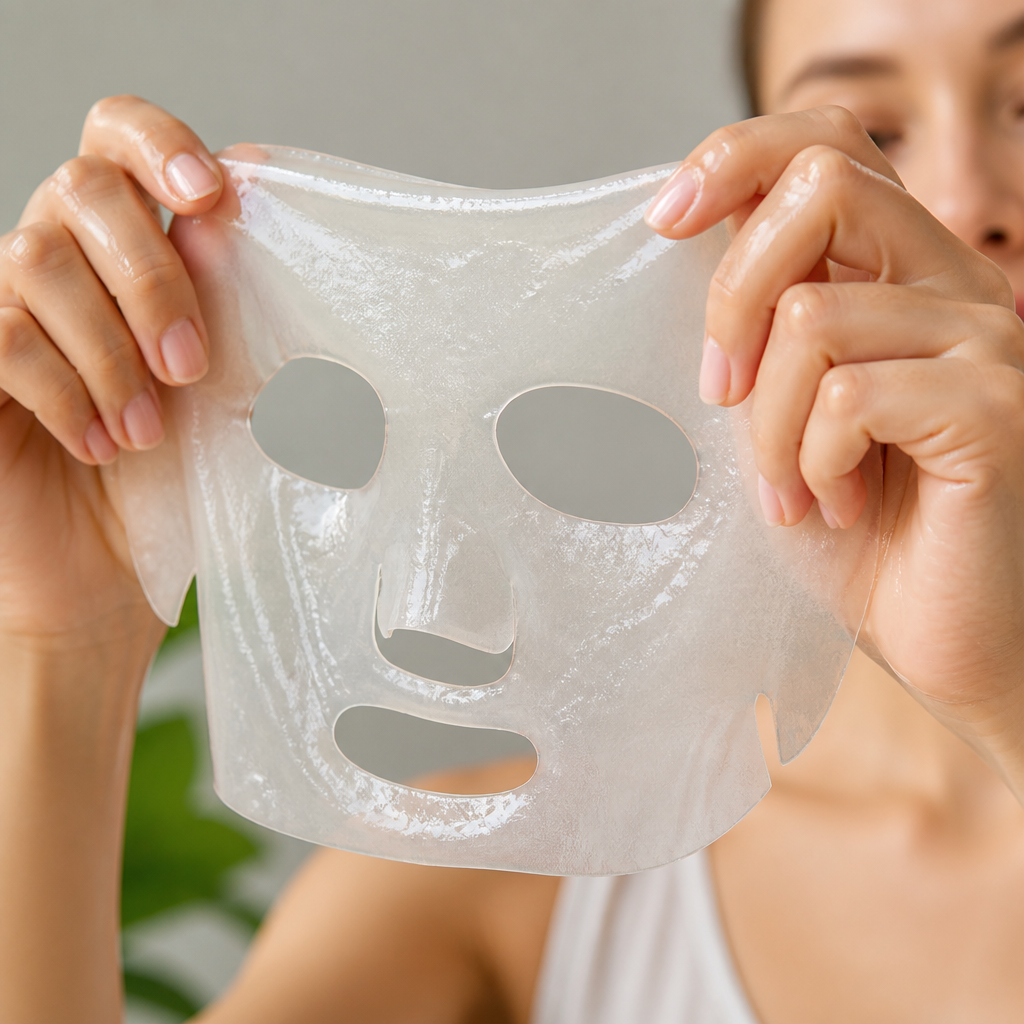
Korean sheet masks are celebrated for their creative formulas and unique ingredients, often including snail mucin, fermented extracts, and botanical essences. Originating in South Korea, they're stars in the global phenomenon. The Korean beauty philosophy often centers on achieving deep hydration and brightening, aligning perfectly with multi-step routines that prioritize a glowing, moisturized complexion.
A standout feature of these K-beauty products is the generous amount of serum they typically contain—often 20-30ml, compared to the 10-15ml found in masks from other regions. This ample serum allows for longer wear, ensuring your skin absorbs plenty of beneficial ingredients. I always find there's usually enough extra serum in the packet to pat onto my neck, chest, or hands, so no drop goes to waste! South Korea leads globally in production and export, with top brands like Mediheal, Dr. Jart+, and Innisfree enjoying worldwide popularity. Their focus on gentle yet potent ingredients, combined with a holistic approach to skin health, makes them ideal for those seeking advanced formulas.
What is a hydrating sheet mask?
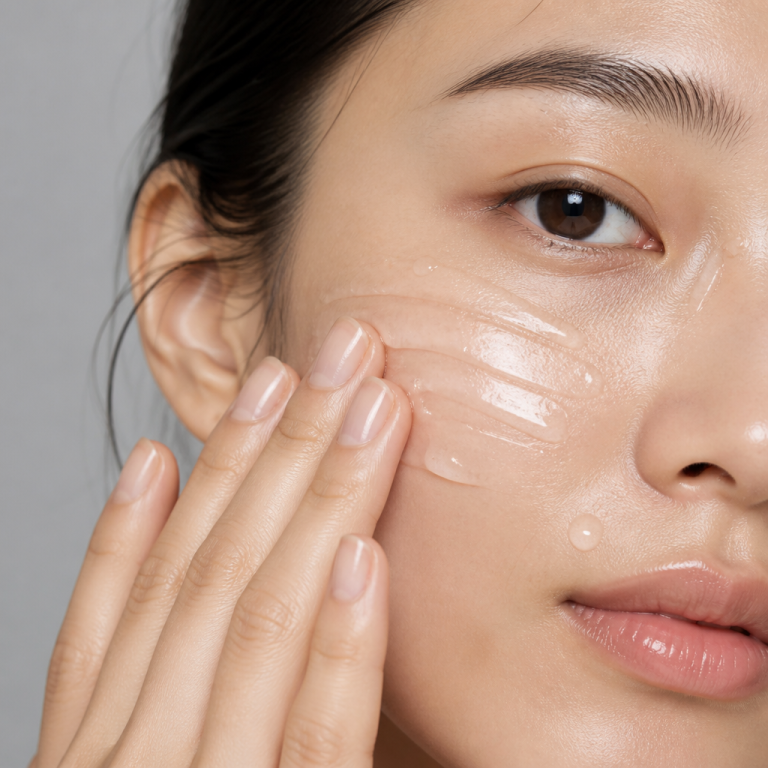
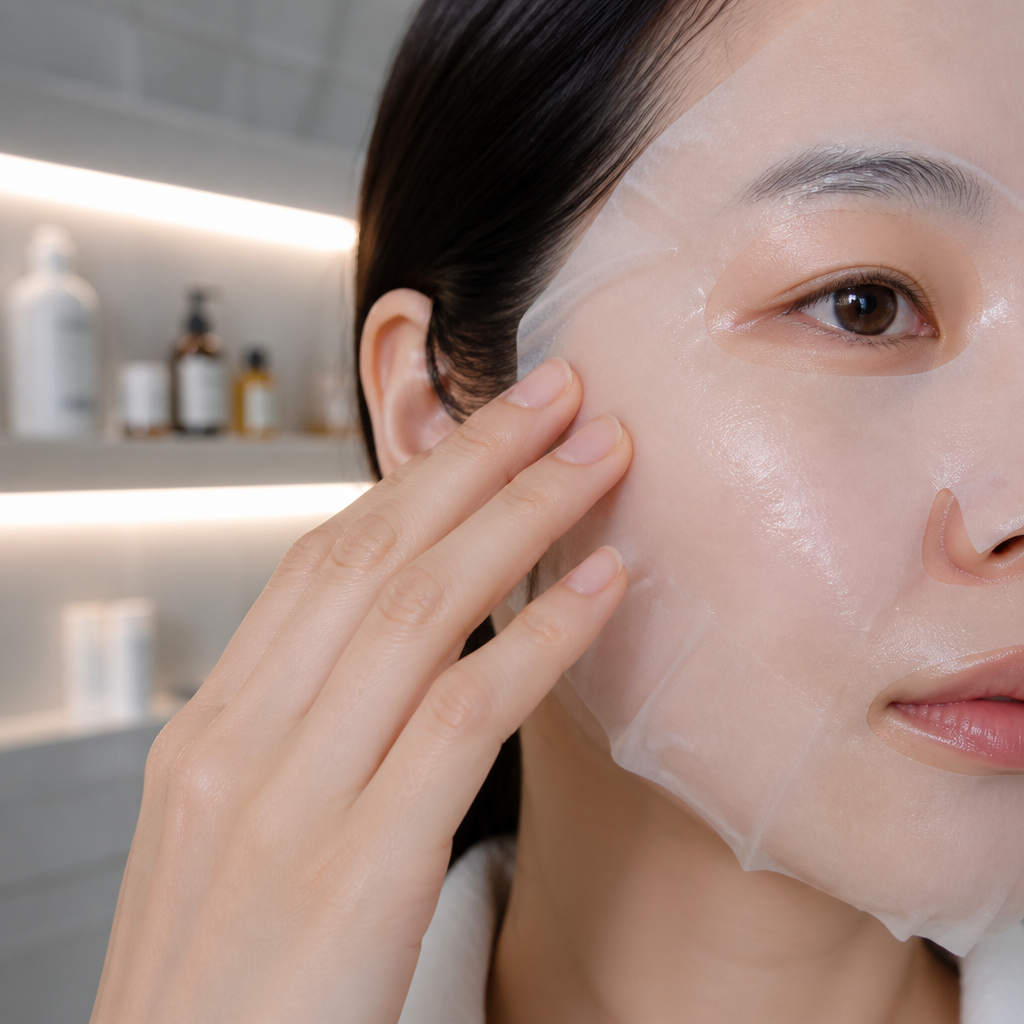
A hydrating sheet mask is specifically designed to drench your skin in moisture, making it a go-to for combating dryness and dehydration. These masks feature a high concentration of humectants and other moisture-retaining ingredients. Key ingredients often include hyaluronic acid, glycerin, and ceramides, which help lock in moisture. The primary goal is to significantly boost skin hydration, which plumps the skin and visibly reduces the appearance of fine lines.
Hydrating treatments are incredibly versatile and can benefit most skin types, though I've personally found them most helpful for dry, dehydrated, or mature skin. They're also incredibly useful during cold winter months or in dry climates. By providing an intense moisture boost, these masks help restore the skin's natural protective barrier, making it more resilient against daily stressors. Regular use can lead to softer, smoother, and more supple skin, offering an effective way to replenish essential water content and maintain a healthy, dewy glow.
What is a bubble sheet mask?
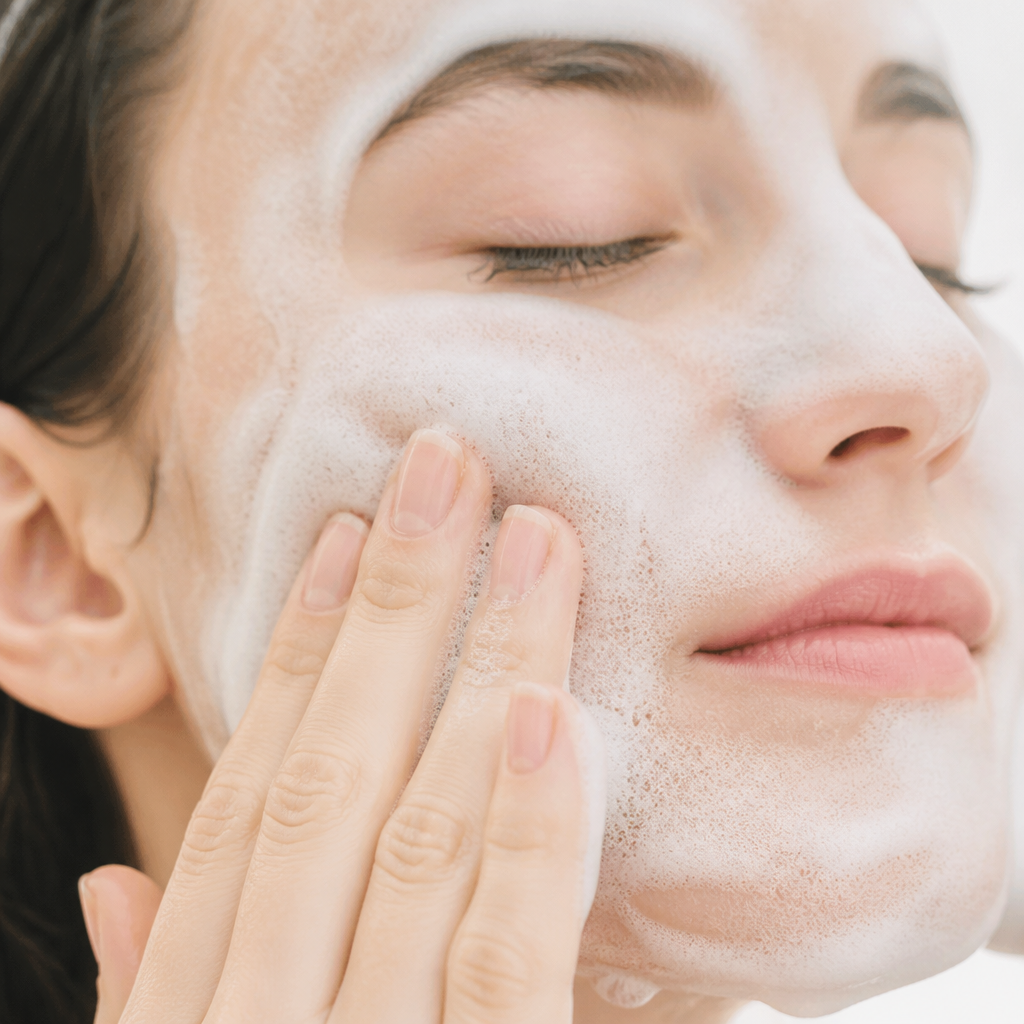
A bubble sheet mask, sometimes called an oxygen or carbonated mask, provides a unique and fun skincare experience due to its distinct bubbling action. This mask creates foam or bubbles upon contact with the skin. The bubbling effect is designed to offer a gentle massaging sensation, which many find both refreshing and enjoyable. Beyond the sensation, these products often claim to deliver oxygen to the skin and provide a deep pore cleanse.
The signature bubbling reaction typically involves ingredients like perfluorocarbons or a mix of sodium bicarbonate and citric acid. The effervescent action usually lasts for about 10-15 minutes. While the idea of direct oxygen delivery to the skin via a mask is largely a marketing claim, the bubbling itself can offer real benefits.
According to dermatologist Dr. Joshua Zeichner, the physical action of the bubbles can provide mild exfoliation. This gentle scrubbing can help dislodge impurities from the skin's surface and may even aid in the absorption of other beneficial ingredients.
So, while the "oxygen" aspect might be exaggerated, these unique treatments can still leave your skin feeling refreshed and cleaner.
What Sheet Masks Are Made Of and What They Do
The effectiveness and your experience with a facial treatment are greatly influenced by both its material and its ingredients. These elements work together to deliver targeted benefits, from deep hydration to anti-aging effects. Understanding what they are made of and their intended functions can help you make informed choices that align with your skincare goals.
What is a sheet mask made of?
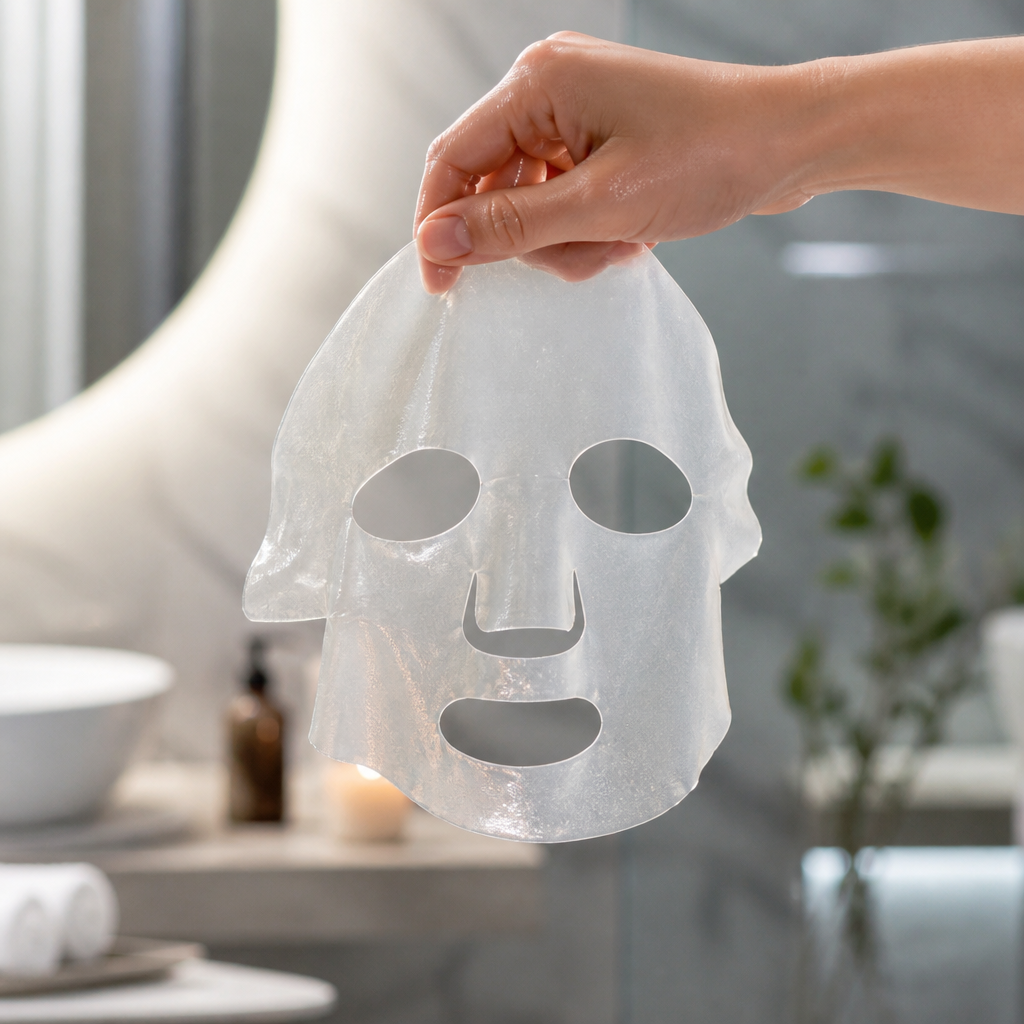
Sheet masks are crafted from various base materials, each with unique qualities that affect adhesion, breathability, and ingredient delivery. The choice of material determines how well the product conforms to your face and how effectively your skin absorbs the active ingredients.
Cotton and microfiber are common, affordable options known for their softness and breathability. For enhanced performance, hydrogel masks, composed of a jelly-like substance, offer a cooling sensation and superior adherence. Bio-cellulose represents a premium option, derived from fermented coconut water. Bio-cellulose masks are highly regarded for their remarkable ability to adhere to the skin, creating a "second-skin" fit. The table below compares these popular materials.
| Material | Key Features | Best For |
|---|---|---|
| Cotton | Soft, breathable, affordable. | Everyday use and basic hydration. |
| Microfiber | Smoother than cotton, better adhesion. | A more luxurious feel and efficient delivery. |
| Hydrogel | Jelly-like, cooling sensation, excellent adherence. | Soothing irritated skin and superior ingredient delivery. |
| Bio-cellulose | "Second-skin" fit, holds a large amount of essence. | Maximum ingredient absorption and anti-aging treatments. |
Newer, sustainable materials like bamboo and Tencel are also gaining popularity, offering eco-friendly alternatives with good adherence and moisture absorption.
What is a sheet mask used for?
Sheet masks are versatile skincare tools primarily used for targeted treatments. Their single-use, no-rinse design makes them popular for intensive care. One of the most common applications is deep hydration, using humectants like hyaluronic acid. Beyond hydration, they are often used to brighten the complexion with ingredients such as niacinamide and vitamin C.
For those concerned about aging, anti-aging formulas are formulated with ingredients like retinol and peptides to diminish fine lines and support collagen production. These skincare products are also effective for soothing irritation and calming sensitive skin with ingredients like centella asiatica (Cica) and aloe vera. Additionally, some are specifically formulated for pore care, utilizing salicylic acid and tea tree oil to help clear pores and manage breakouts. The convenience of simply applying, relaxing, and removing makes it an attractive option for a quick skin boost.
What are the benefits of a sheet mask?
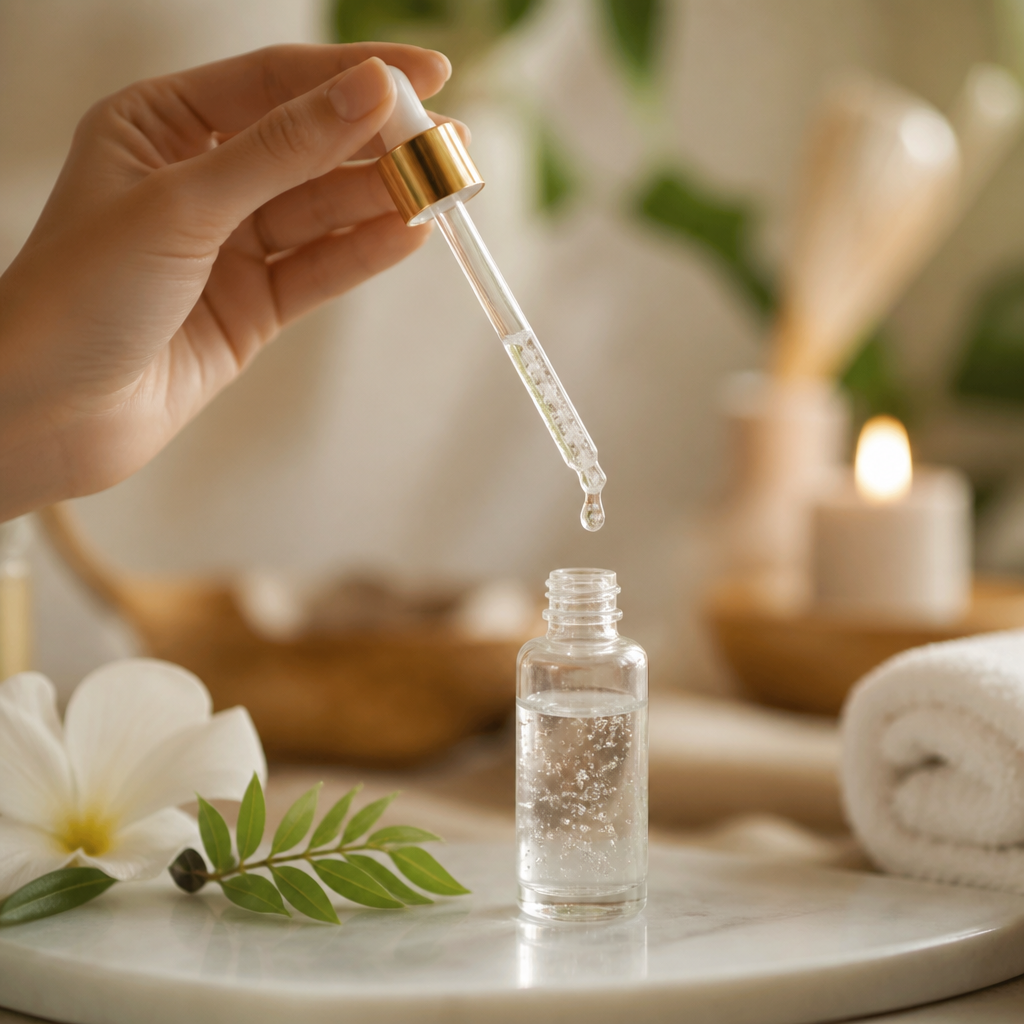
These facial treatments offer a multitude of benefits that contribute to their widespread popularity. One of the primary benefits stems from the mask's occlusive nature. By creating a physical barrier over the skin, sheet masks significantly enhance the absorption of beneficial ingredients. This "blanket" effect prevents the serum from evaporating rapidly, allowing your skin more time to absorb the active compounds.
Users often notice immediate hydration and a plumping effect after use. A 2021 study demonstrated that regular use—2-3 times weekly for 4 weeks—resulted in a notable 28.4% increase in skin hydration and a 12.7% improvement in elasticity. Beyond immediate effects, they provide targeted treatments for specific concerns like brightening or anti-aging. Their convenience is also a significant advantage, requiring no mixing or rinsing. The simple act of applying one and relaxing can serve as a valuable self-care ritual.
As dermatologist Dr. Hadley King advises, a basic routine including a cleanser, moisturizer, and sunscreen remains crucial for long-term skin health.
_It's important to remember they should complement, rather than replace, your consistent daily skincare regimen._
How to Use a Sheet Mask in Your Skincare Routine
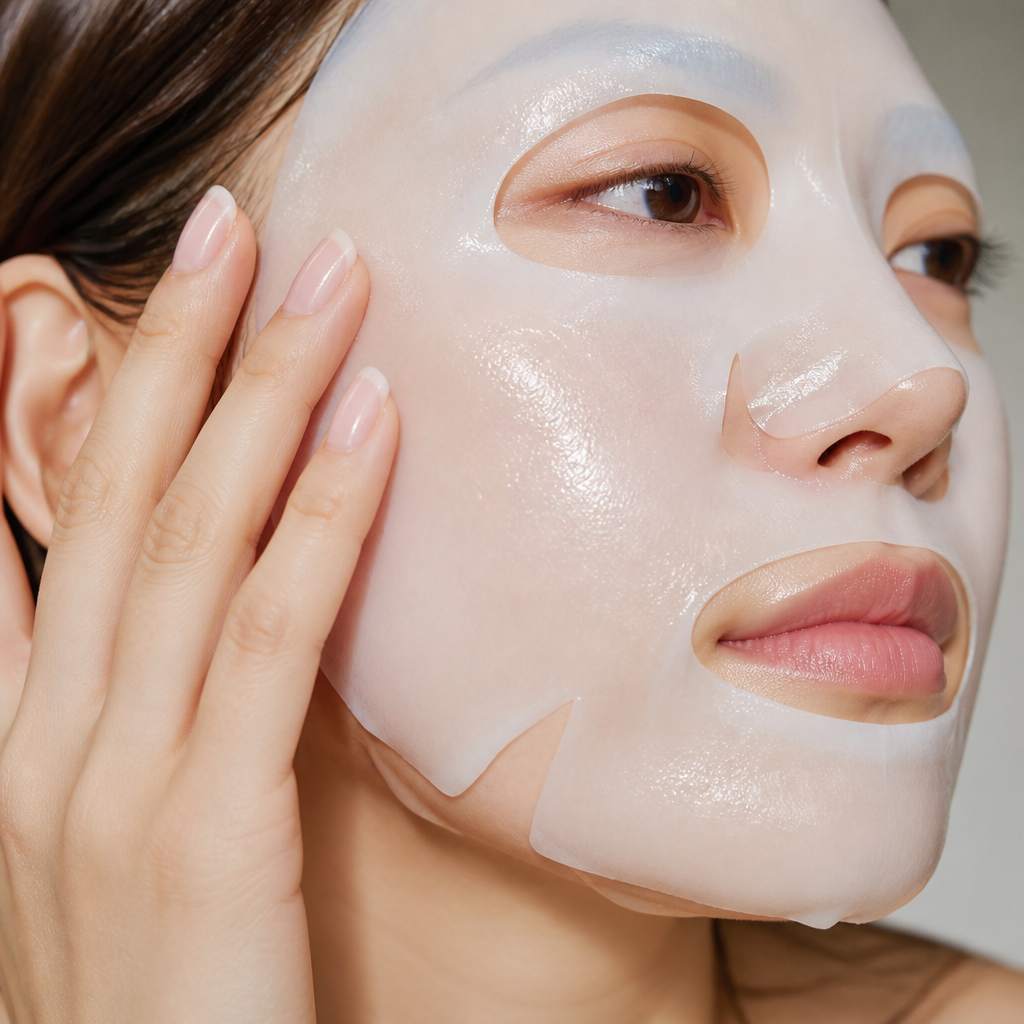
Integrating a sheet mask into your existing skincare routine correctly can significantly enhance its benefits. The order of product application is key, as it allows the mask's essence to work effectively before being properly sealed in. Understanding the optimal timing and frequency for use can help you achieve the best possible results.
What step is a sheet mask?
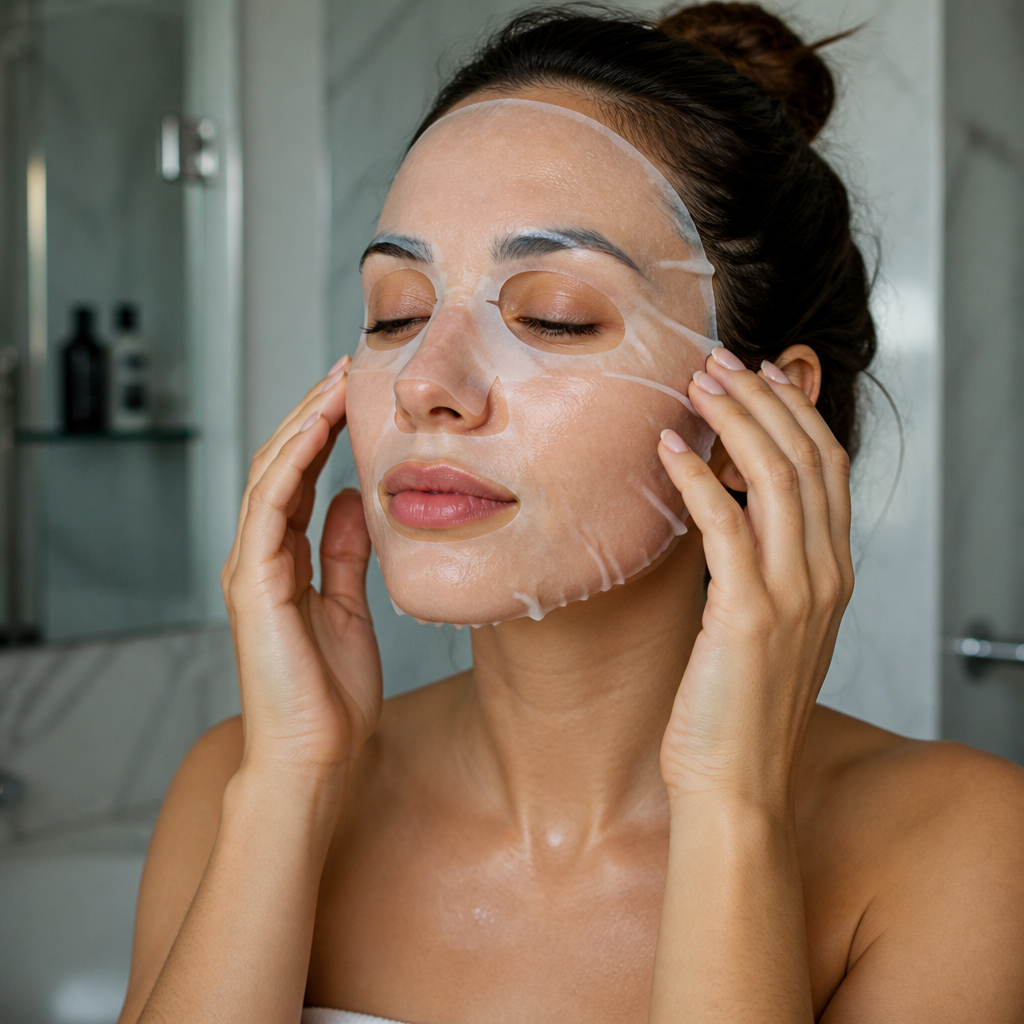
In a typical skincare routine, you generally apply a sheet mask after cleansing and toning, but before applying serums and moisturizers. This positions the treatment as the third or fourth step, ensuring your skin is clean and receptive to absorbing the essence effectively.
For those following a multi-step Korean skincare routine, the order is more detailed. This layering approach ensures that each product builds upon the last, effectively locking in moisture and active ingredients.
- Step 1: Oil Cleanser
- Step 2: Water-Based Cleanser
- Step 3: Exfoliator (2-3 times a week)
- Step 4: Toner
- Step 5: Essence
- Step 6: Sheet Mask
- Step 7: Serum/Ampoule
- Step 8: Eye Cream
- Step 9: Moisturizer
- Step 10: Sunscreen (AM routine)
Applying heavier treatments, such as rich creams or oils, after the facial treatment acts as another occlusive layer, helping to seal in the hydration and active ingredients delivered by the mask.
How often should you use a sheet mask?
Determining the appropriate frequency for sheet mask use largely depends on your individual skin type, concerns, and the type of product you're using. Dermatologists generally recommend using sheet masks 1-3 times per week for most skin types.
For hydrating masks, daily use may be suitable, particularly if you have very dry skin. However, caution is advised with "treatment" masks containing potent active ingredients like acids (AHAs/BHAs) or retinol. _Using these types of masks too often can potentially lead to skin irritation, sensitivity, or contact dermatitis._ For those with oily or acne-prone skin, applying a non-comedogenic mask once a week is usually sufficient. If you have sensitive skin, starting with once a week to observe your skin's reaction is recommended. Ultimately, the best approach involves listening to your skin and observing its response.
—
Sheet masks have evolved from a niche Korean beauty secret into a global skincare essential. Whether you seek intense hydration, brightening effects, or targeted anti-aging solutions, the wide array of available materials and formulas caters to nearly every skin concern. By understanding their composition, how they fit into your routine, and their optimal usage frequency, you can unlock their potential to enhance your complexion. While they provide a valuable boost, these treatments are best used as a complement to a consistent daily skincare regimen, helping you achieve a more radiant and nourished appearance over time.
FAQ
Q1: What is the main purpose of a sheet mask?
A1: The primary purpose of a sheet mask is to deliver concentrated skincare ingredients, such as serums or essences, directly to your skin via occlusion. This method creates a physical barrier that helps prevent ingredient evaporation, thereby enhancing skin hydration and facilitating deeper penetration into the skin's top layer.
Q2: How often should I use a sheet mask?
A2: Dermatologists generally recommend using sheet masks 1-3 times per week for most skin types. For simple hydrating masks, daily use might be acceptable, but for masks with stronger active ingredients like acids or retinol, it's advisable to use them less frequently to avoid potential irritation. Always adjust the frequency based on your skin type and its reaction.
Q3: What is the difference between a Korean sheet mask and other sheet masks?
A3: Korean sheet masks are renowned for their innovative formulas, diverse ingredient combinations (like snail mucin or fermented extracts), and a strong emphasis on hydration and brightening. They typically contain a more generous amount of essence (20-30ml) compared to many masks from other regions (10-15ml), allowing for longer application and often leaving enough leftover serum for other areas.
Q4: What are bubble sheet masks and what do they do?
A4: Bubble sheet masks, also known as oxygen or carbonated masks, create foam or bubbles upon contact with the skin due to a chemical reaction between ingredients like sodium bicarbonate and citric acid. While claims about direct oxygen delivery are largely promotional, the bubbling action can provide gentle exfoliation and a massaging effect. This may potentially improve the absorption of other products and leave your skin feeling cleansed and refreshed.
Q5: At what step in my skincare routine should I apply a sheet mask?
A5: You should typically apply a sheet mask after cleansing and toning your skin, but before applying serums, moisturizers, and sunscreen. In a multi-step routine, it usually fits in as the third or fourth step, ensuring your skin is clean and ready to absorb the mask's essence, which is then sealed in by the subsequent skincare products.

Hello! I’m Chloe Evans, a beauty enthusiast passionate about all things K-Beauty. Welcome to my blog, where I share honest reviews, essential skincare tips, and the latest Korean beauty trends. My goal is to help you build a simple yet effective routine for radiant, healthy skin. Join me on this journey to unlock your natural glow!