Snail Mucin vs Hyaluronic Acid: The Ultimate Guide
In the dynamic world of skincare, two ingredients have garnered significant attention for their remarkable hydrating and skin-enhancing properties: snail mucin and hyaluronic acid. While both are celebrated for their ability to attract and retain moisture, they possess distinct compositions and offer unique benefits that cater to different skin concerns. Understanding these differences is key to optimizing your skincare routine. Discover exactly how to choose the right ingredient for your skin and harness their full potential.
What Are the Core Benefits of Each Ingredient?

Snail Mucin Benefits for Skin
Snail secretion filtrate is a complex ingredient that offers a wide array of benefits, stemming from its rich and diverse composition. This natural substance is typically composed of 91-98% water, but the remaining percentage contains potent bioactive compounds.
These key components include:
- Allantoin: Known for promoting cell regeneration and its soothing properties.
- Glycolic Acid: A mild exfoliant that helps with cell turnover.
- Proteoglycans: Contribute to skin hydration.
- Antimicrobial Peptides: Help protect the skin from harmful bacteria.
One of the primary benefits of this filtrate is its ability to significantly improve skin hydration and reduce the appearance of wrinkles. A 2020 study found that regular use led to a 28% improvement in skin hydration and a 16% reduction in wrinkle depth over 12 weeks. Beyond surface-level hydration, the ingredient actively supports the skin’s natural repair processes. It has been shown to stimulate the proliferation of fibroblasts, which are cells responsible for producing collagen and elastin.
Snail mucin’s multifaceted composition delivers a comprehensive range of benefits, from deep hydration and gentle exfoliation to promoting regeneration and reducing inflammation. The presence of glycolic acid provides mild exfoliation, promoting cell turnover for a smoother texture and more even tone. _This gentle exfoliation helps improve skin dullness without causing the significant irritation often associated with stronger exfoliants._ This ingredient also exhibits notable anti-inflammatory and antimicrobial properties, which can help calm irritated skin and manage acne-prone skin by reducing bacterial proliferation.
Hyaluronic Acid Benefits for Skin
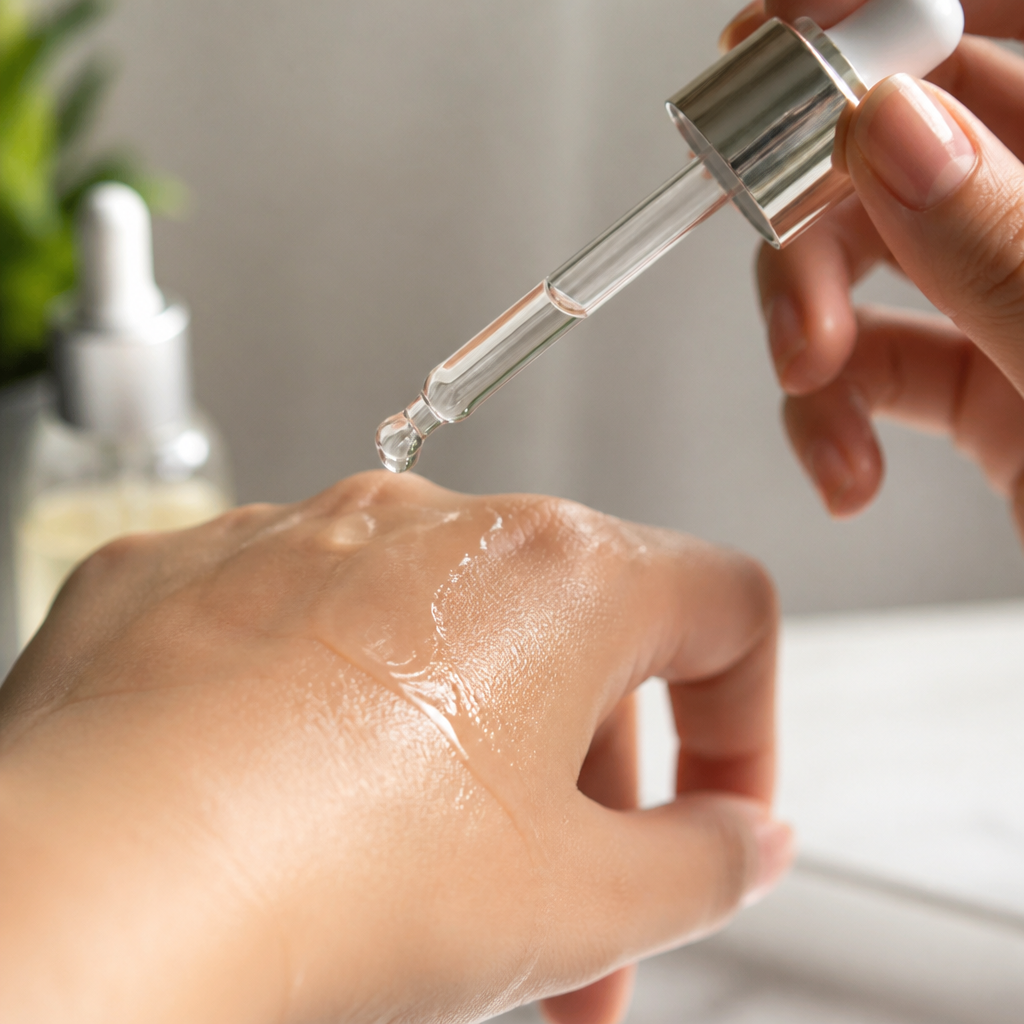
Hyaluronic acid (HA) is a celebrated ingredient, primarily revered for its exceptional hydrating capabilities. This naturally occurring sugar molecule is a vital component of the skin’s structure, playing a crucial role in maintaining moisture and elasticity. One of the most significant aspects of HA is its existence in multiple molecular weights, with each size offering distinct benefits. High molecular weight HA forms a hydrating film on the skin’s surface to prevent moisture loss, while low molecular weight HA penetrates deeper to deliver hydration from within.
The efficacy of topical hyaluronic acid is well-supported by scientific evidence. A 2017 clinical study reported that it increased skin hydration by 96% and improved skin elasticity by 55% after 8 weeks of use. It is important to note that the body’s natural production of this compound decreases by approximately 1% per year after the age of 20, contributing to visible signs of aging.
Beyond its hydrating prowess, this powerful humectant also plays a vital role in supporting the skin barrier function. HA helps to strengthen the skin’s protective barrier, making it more resilient against environmental aggressors and reducing transepidermal water loss. Furthermore, this molecule exhibits antioxidant properties, helping to protect the skin from UV-induced damage and environmental pollution. A 2014 study found that a 0.1% HA serum significantly reduced wrinkle depth by 10-20% after 60 days, demonstrating its ability to visibly improve the texture and appearance of aging skin.
Comparing Snail Mucin and Hyaluronic Acid for Specific Skin Concerns
When choosing between these two ingredients, it’s helpful to compare their performance for specific issues. While both are excellent hydrators, their unique properties make them better suited for different goals.
| Skin Concern | Snail Mucin | Hyaluronic Acid |
|---|---|---|
| Immediate Hydration | Good; provides sustained moisture. | Excellent; offers rapid, intense plumping. |
| Barrier Repair | Excellent; contains NMFs and occlusives. | Good; supports barrier but may need an occlusive top layer. |
| Acne Scars (Texture & PIH) | Excellent; contains allantoin and glycolic acid for active remodeling. | Supportive; hydrates tissue but lacks direct remodeling properties. |
| Anti-Aging (Fine Lines) | Very Good; stimulates collagen and offers antioxidant protection. | Excellent; superior at plumping fine lines through intense hydration. |
| Anti-Aging (Firmness) | Excellent; copper peptides and growth factors improve elasticity. | Good; low molecular weight HA can boost collagen. |
Snail Mucin vs Hyaluronic Acid for Dry Skin
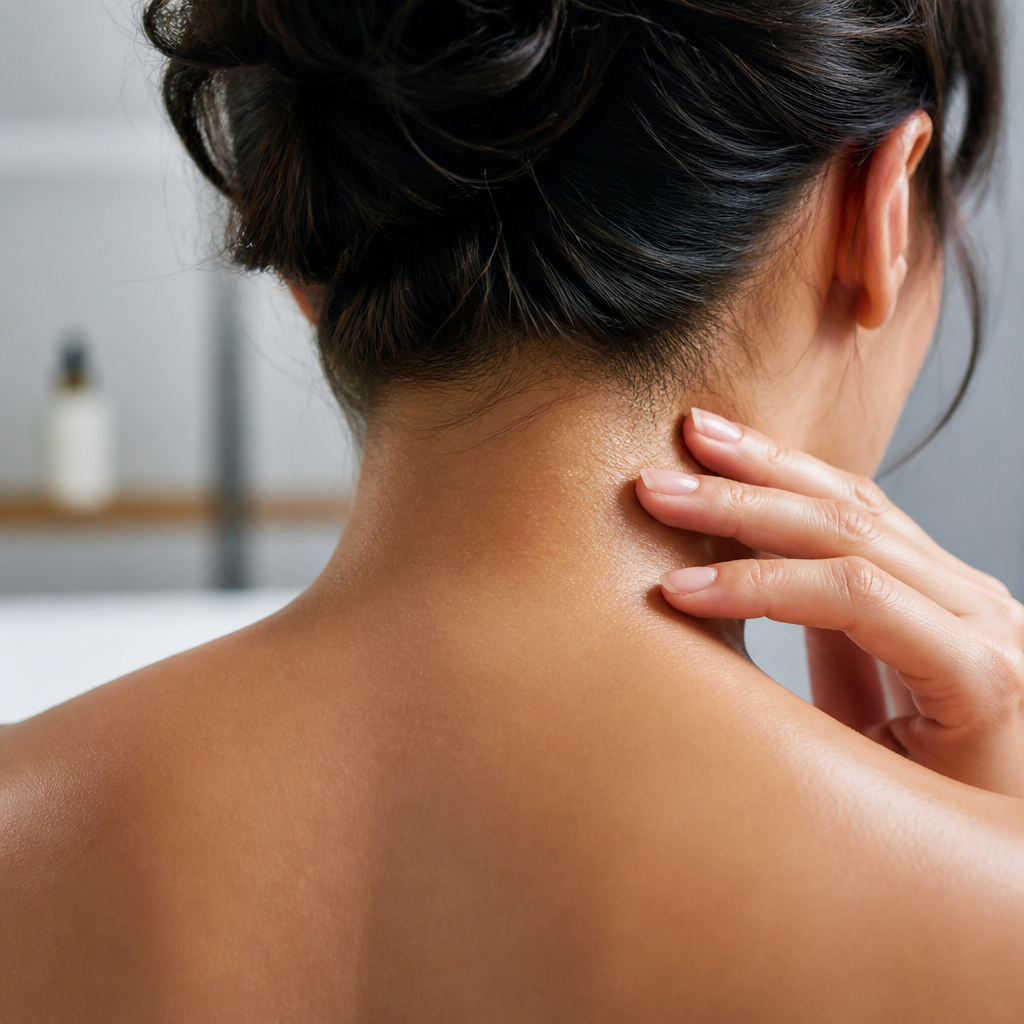
For dry skin, both ingredients are excellent humectants, but they offer distinct advantages. Hyaluronic acid provides superior immediate hydration due to its ability to bind up to 1,000 times its weight in water, offering quick relief for parched skin. However, snail mucin offers hydration through a more complex mechanism. It provides natural moisturizing factors (NMFs) that are crucial for long-term barrier repair and sustained moisture.
Another key difference is their occlusive properties. _While an excellent humectant, hyaluronic acid often requires the application of occlusive ingredients on top to seal in the moisture._ In contrast, the filtrate contains inherent occlusive properties due to its mucopolysaccharide content, forming a protective film that reduces water loss. For individuals seeking immediate and intense hydration, HA may be the preferred choice; for a more comprehensive approach that includes long-term barrier repair, snail mucin is a fantastic solution.
Snail Mucin vs Hyaluronic Acid for Acne Scars
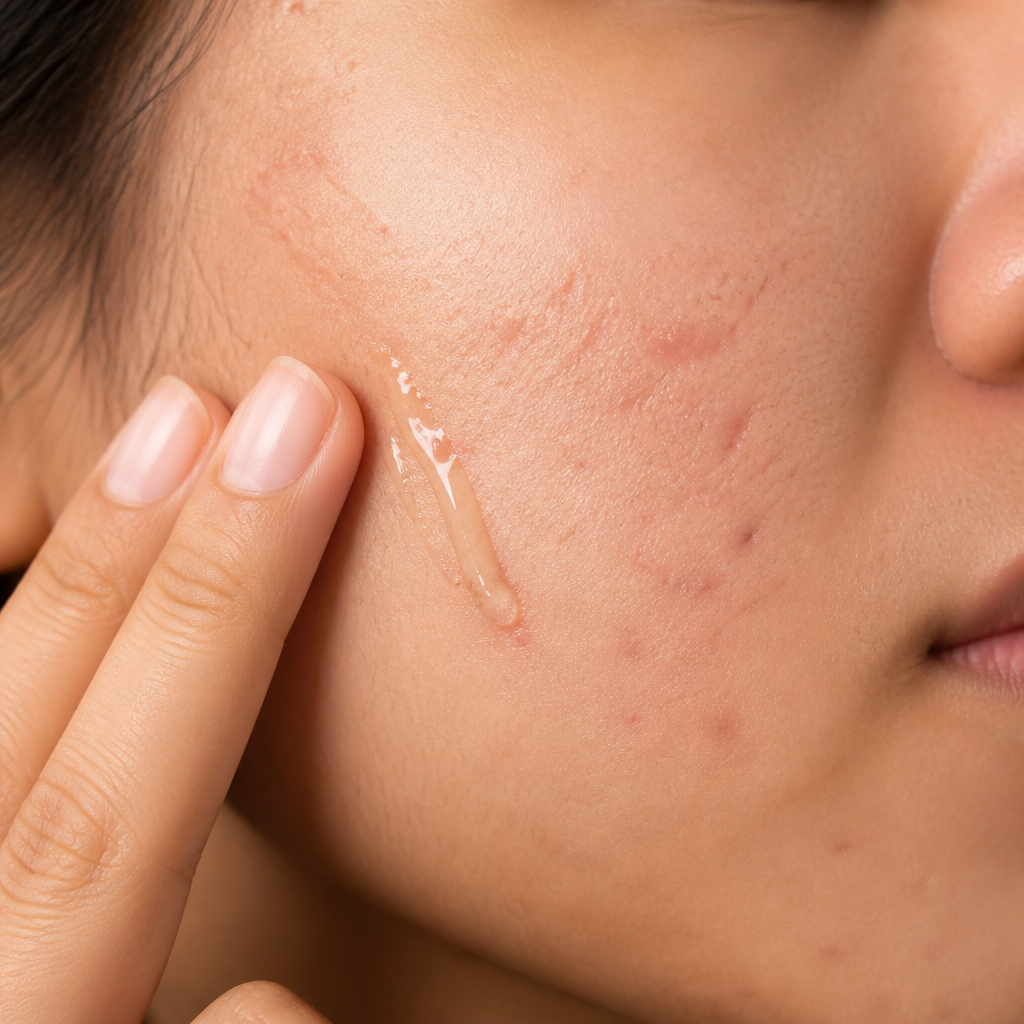
When addressing acne scars, snail mucin presents a more direct and multi-faceted approach. It contains several bioactive compounds that actively target scar healing, including allantoin to promote cell proliferation and glycolic acid for gentle exfoliation that fades post-inflammatory hyperpigmentation (PIH). Hyaluronic acid, by contrast, has no exfoliating properties.
Dr. Dendy Engelman, a board-certified dermatologist, highlights this difference:
Snail mucin is superior for acne scars because it contains growth factors and copper peptides that stimulate collagen synthesis and remodel scar tissue, whereas hyaluronic acid only provides hydration without active scar-remodeling properties.
For a direct approach to reducing the appearance of acne scars, particularly those involving textural changes and hyperpigmentation, the filtrate’s unique blend of regenerative compounds makes it a more targeted choice. The hydrator can serve as a valuable complementary ingredient, ensuring optimal hydration to support the overall healing process.
Snail Mucin vs Hyaluronic Acid for Anti-Aging
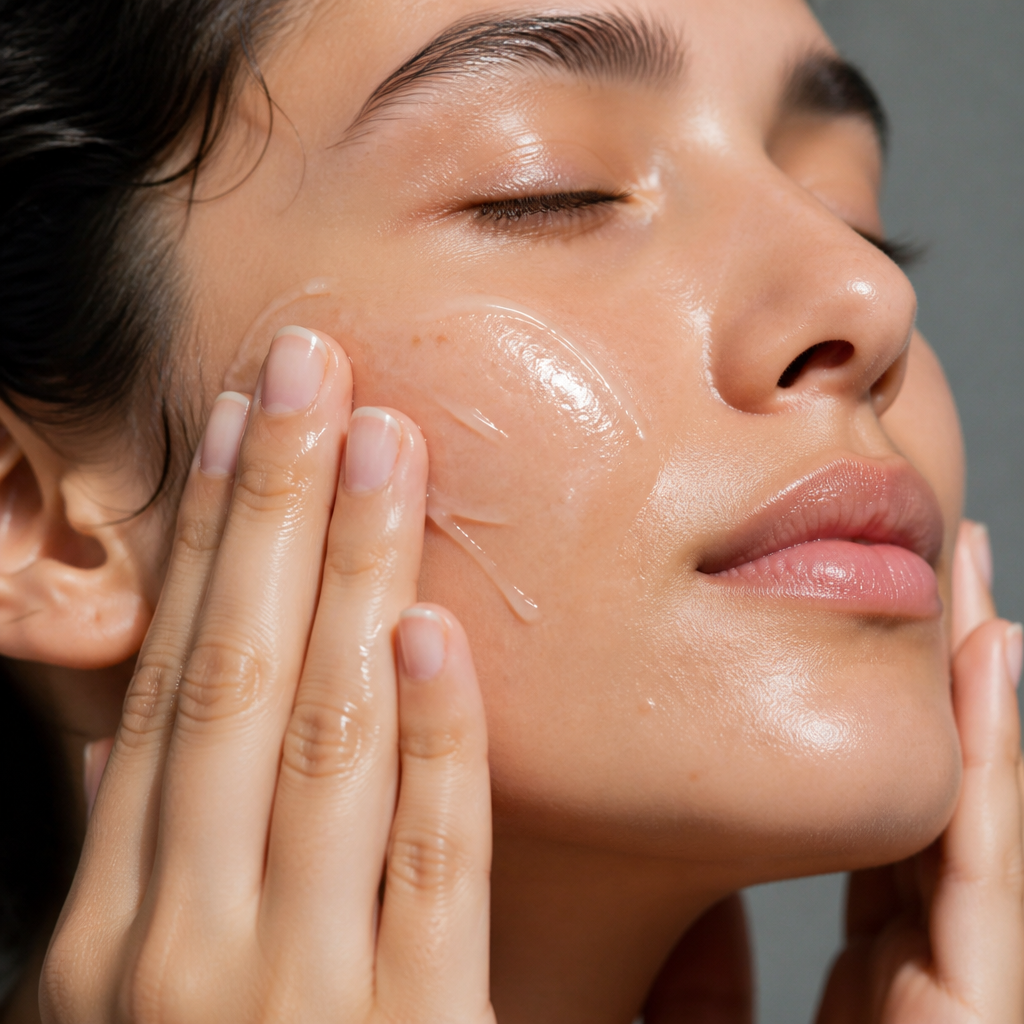
In anti-aging, both ingredients contribute to a youthful complexion through different mechanisms. Snail mucin offers a comprehensive approach, containing copper peptides to stimulate collagen, antioxidants to neutralize free radicals, and glycolic acid to promote cell turnover. This profile means the filtrate can address multiple signs of aging, from texture and firmness to protection against oxidative stress.
Hyaluronic acid, on the other hand, excels at addressing volume loss and plumping fine lines through its intense hydrating capabilities. As skin ages, its natural HA content declines, leading to volume loss and wrinkles. Topical HA effectively replenishes this lost moisture, plumping the skin to diminish the appearance of fine lines. _While both are beneficial, the choice depends on your primary concern: snail mucin for broad-spectrum anti-aging or HA for targeted plumping and volume._
How to Use Snail Mucin and Hyaluronic Acid Together
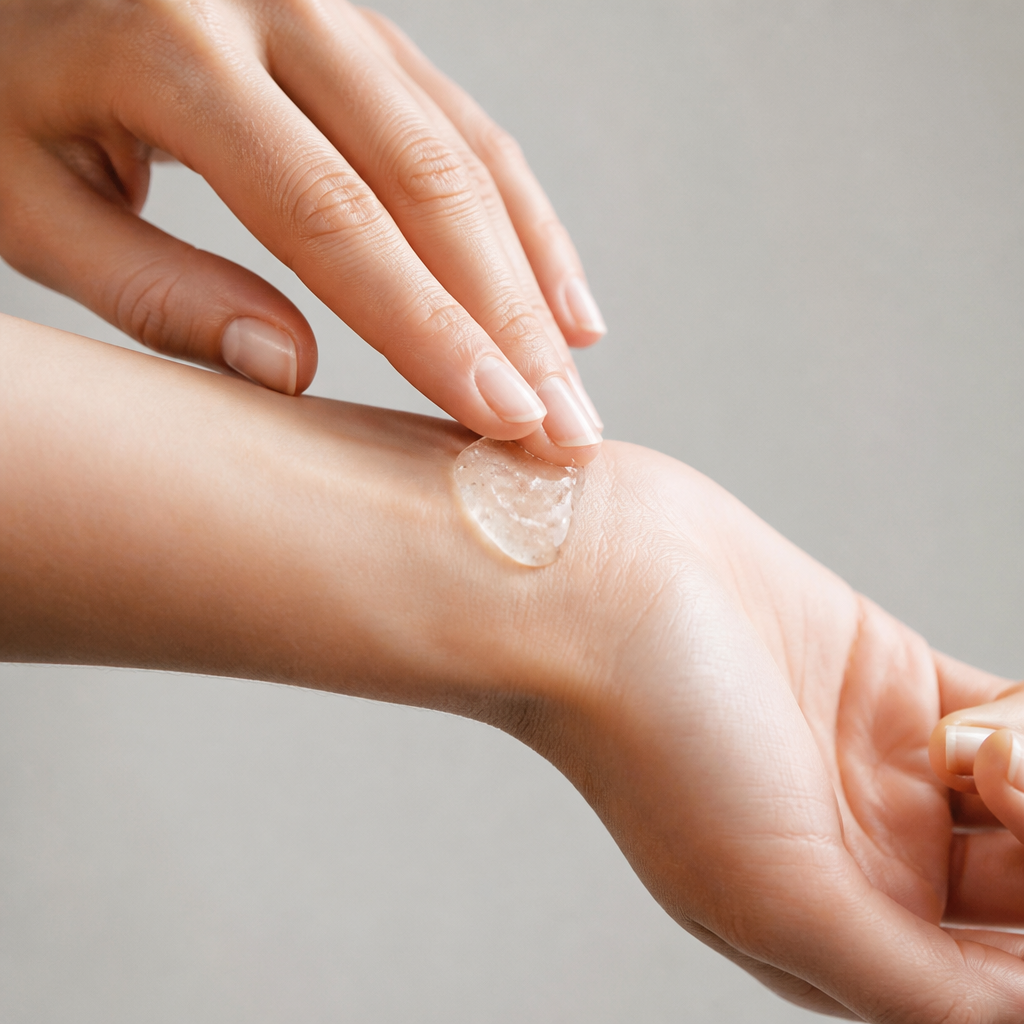
Can You Use Snail Mucin and Hyaluronic Acid Together?
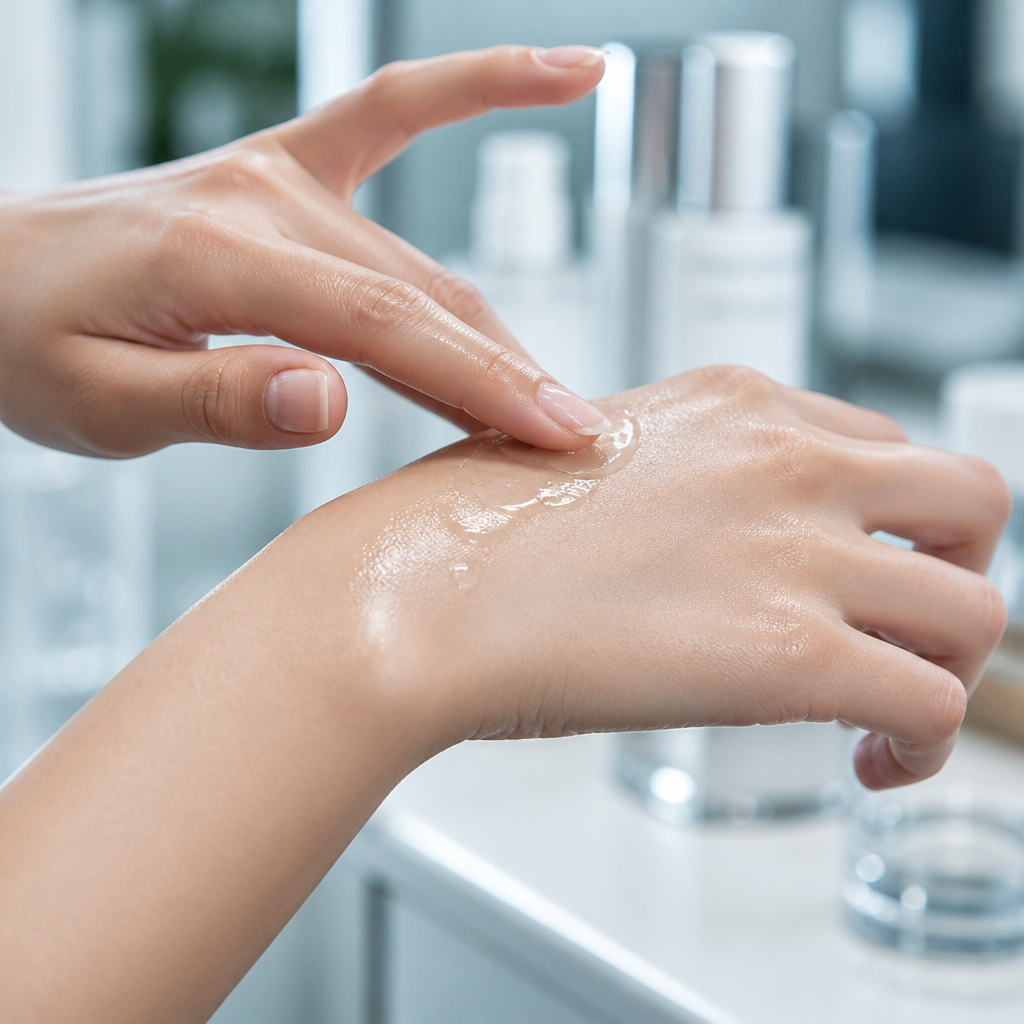
Is it safe to combine these two popular ingredients? Yes—they are not only compatible but can also be highly synergistic when used together. Both are water-based humectants with a neutral pH, ensuring they do not chemically interact or destabilize each other. A 2021 study found that a combination of the two ingredients increased skin hydration by 68% after 8 hours, a significant improvement over using either one alone.
Dr. Shereene Idriss, a board-certified dermatologist, confirms their synergy:
Combining snail mucin and hyaluronic acid is not only safe but synergistic—hyaluronic acid provides immediate intense hydration while snail mucin delivers growth factors and long-term barrier repair, addressing both immediate and sustained skin health.
By using them together, you can achieve superior hydration and address both immediate moisture needs and long-term skin repair. Hyaluronic acid provides the initial plumping hydration, while the filtrate works to support regeneration and strengthen the skin barrier over time.
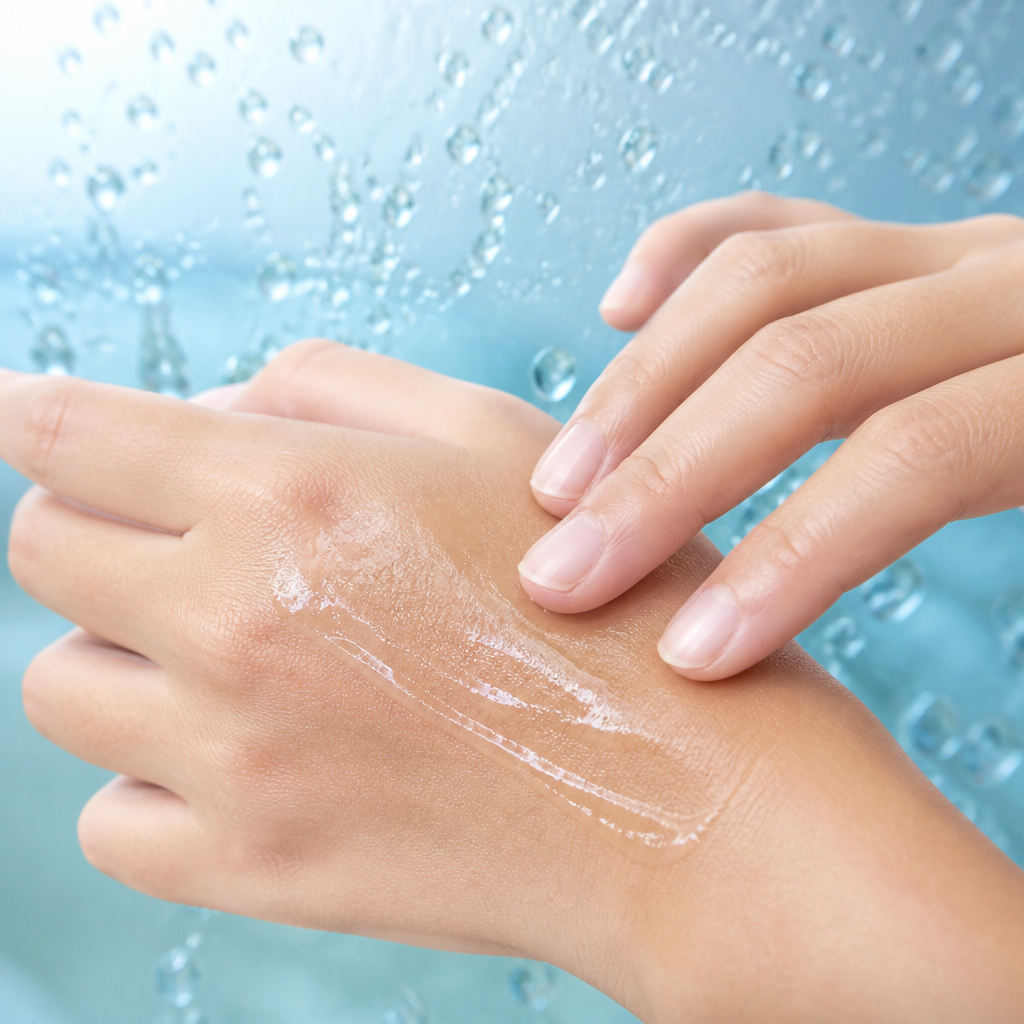
Snail Mucin vs Hyaluronic Acid Layering Order
The order in which you apply products can significantly impact their effectiveness. The general rule is to apply products from the thinnest to thickest consistency to ensure proper absorption.
- Cleanse: Start with a clean, damp face.
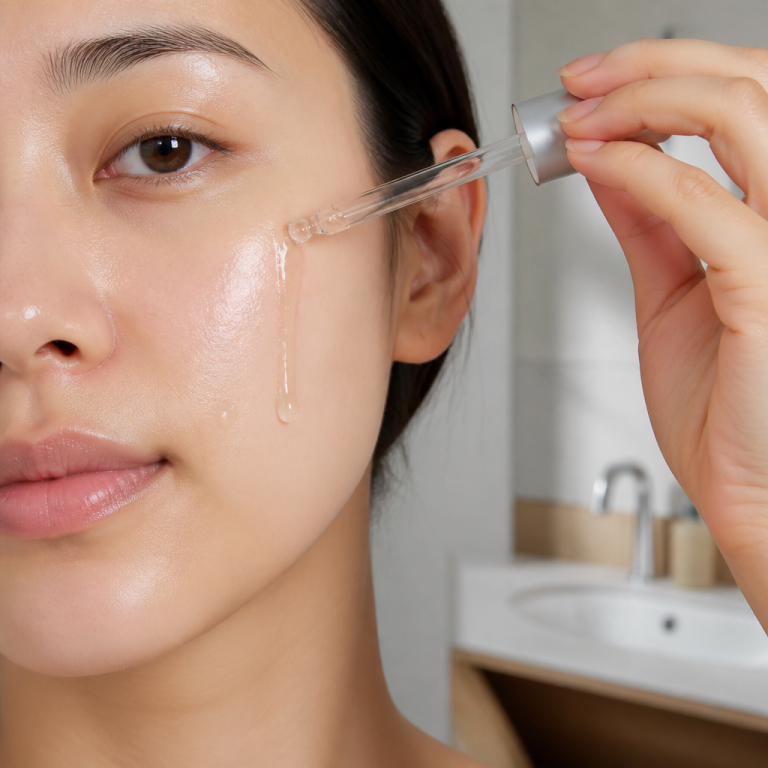
- Apply Hyaluronic Acid: Most HA serums are water-thin. Apply your hyaluronic acid serum to damp skin to allow it to bind to ambient water and deeply hydrate.
- Apply Snail Mucin: Follow with your snail mucin product, which often has a more viscous, gel-like texture. This layer will help seal in the hydration provided by the HA.
Following the “thinnest to thickest” rule ensures that lighter formulas are absorbed first, followed by richer products that lock in the benefits. Applying HA first can also act as a “primer” for subsequent products, potentially improving the absorption of the beneficial compounds found in snail mucin.
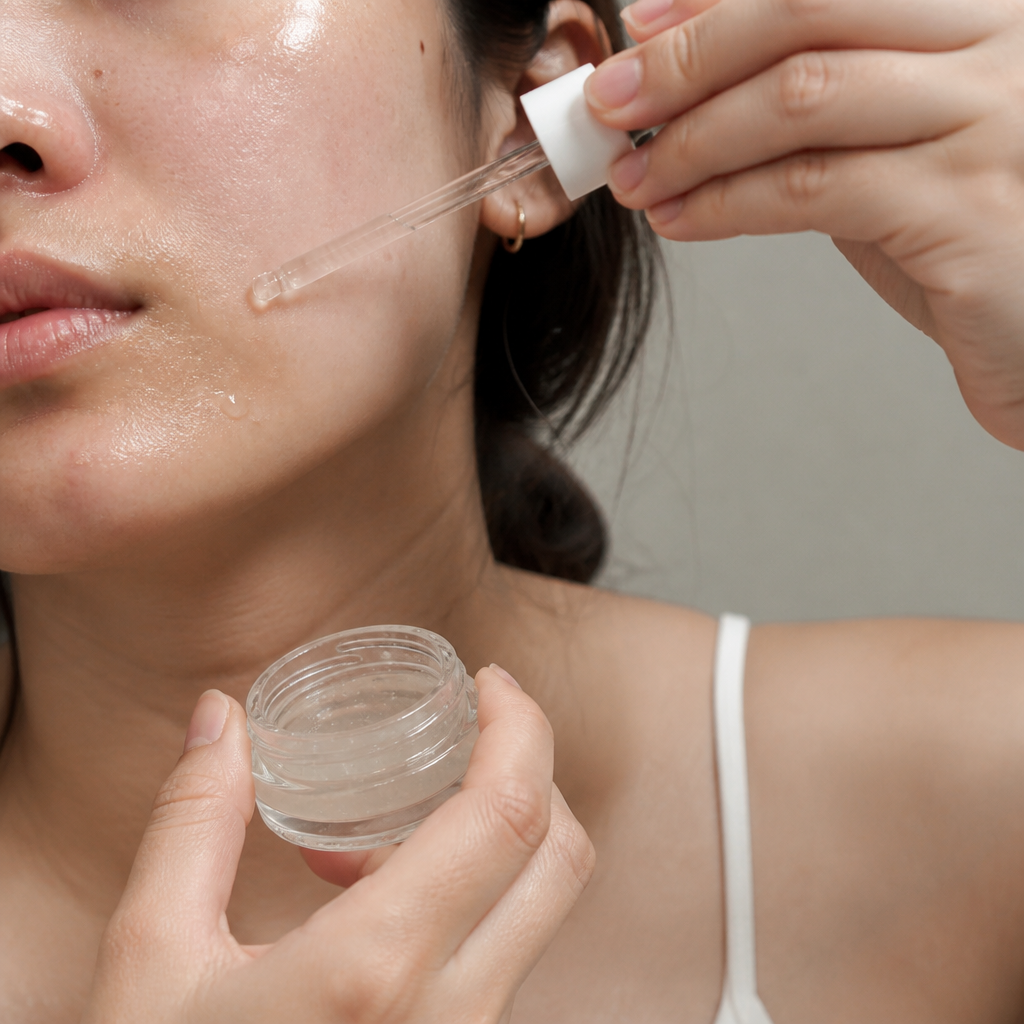
Snail Mucin vs Hyaluronic Acid Absorption
The absorption of these ingredients differs due to their molecular compositions. Hyaluronic acid’s absorption is dependent on its molecular weight. Low molecular weight HA can penetrate into deeper dermal layers, while high molecular weight HA remains on the surface to form a hydrating film. The absorption of snail mucin is more varied, as it is a complex mixture of molecules of different sizes. Smaller components like peptides can penetrate the epidermis, while larger glycoproteins remain on the surface to form a protective film.
An important factor affecting HA’s efficacy is humidity. _In very low-humidity environments, hyaluronic acid may paradoxically draw water from deeper layers of the skin to the surface, where it can evaporate._ This is why applying it to damp skin and following with an occlusive layer (like snail mucin or a moisturizer) is crucial, especially in dry climates. Understanding these absorption dynamics is key to using both ingredients correctly to achieve your desired skin benefits.
FAQ
Q1: What is the primary difference between snail mucin and hyaluronic acid?
A1: While both are humectants, snail mucin is a complex substance containing compounds for healing (allantoin), gentle exfoliation (glycolic acid), and regeneration. Hyaluronic acid is primarily known for its exceptional water-binding capacity, making it a superior ingredient for immediate and intense hydration.
Q2: Can snail mucin help with acne scars, and how does it compare to hyaluronic acid for this concern?
A2: Yes, snail mucin is often more effective for acne scars due to its active scar-remodeling properties from allantoin and glycolic acid. Hyaluronic acid primarily helps indirectly by hydrating the tissue but lacks the direct scar-remodeling ingredients found in snail mucin.
Q3: Which ingredient is better for immediate hydration for very dry skin?
A3: For immediate and intense hydration, hyaluronic acid typically provides faster relief. Snail mucin also hydrates but contributes more to long-term barrier repair over time rather than just immediate water retention.
Q4: Is it safe to use snail mucin and hyaluronic acid in the same skincare routine?
A4: Yes, it is safe and often recommended. They are compatible and their combined use can lead to significantly enhanced skin hydration compared to using either ingredient alone.
Q5: What is the recommended layering order when using both snail mucin and hyaluronic acid?
A5: Apply products from thinnest to thickest. It is generally recommended to apply a water-thin hyaluronic acid serum to damp skin first, followed by a thicker, gel-like snail mucin product to lock in the hydration.

Hello! I’m Chloe Evans, a beauty enthusiast passionate about all things K-Beauty. Welcome to my blog, where I share honest reviews, essential skincare tips, and the latest Korean beauty trends. My goal is to help you build a simple yet effective routine for radiant, healthy skin. Join me on this journey to unlock your natural glow!