Can You Use Cleansing Oil Every Day? 7 Safe Daily Tips
A few years ago, I first learned about cleansing oil. My skin felt perpetually dry and tight, especially after using harsh foaming cleansers. On a friend's recommendation, I decided to try it. Skeptical at first, I bought a bottle of cleansing oil, and honestly, it made a huge difference. The idea of using oil to clean my face felt counterintuitive—wouldn't it just make me greasier? But what I learned transformed my skincare routine and my skin. So, can you use cleansing oil every day? For most people, the answer is a clear 'yes,' but knowing how and which one to use is key. This article will dive into how cleansing oil works, its daily benefits, who it's best for, and how to use it right, so you can discover if it's the missing piece in your daily routine too.
Understanding Cleansing Oil and Its Effects on Skin
Cleansing oil offers a distinct approach to facial cleansing, fundamentally differing from traditional water-based cleansers. Its effectiveness comes from its unique composition and a scientific principle that allows it to purify the skin gently yet powerfully.

What does cleansing oil do for your skin?
At its core, a cleansing oil is a cleanser made from oils. The simple principle behind how it works is 'like dissolves like.' This means the oil in the cleanser is highly effective at grabbing onto and breaking down other oily substances on your skin. These include your skin's natural oils (sebum), all types of makeup from foundation to waterproof mascara, sunscreen, and even pollutants that settle on your face.
The key step happens next with 'emulsification,' when the oil turns milky and mixes with water. You start by massaging the cleansing oil onto dry skin, which allows the oil to deeply penetrate and attach to all those oily impurities. Then, when you add water, ingredients called 'emulsifiers' activate, enabling the oil and water to blend. This creates tiny micelles that trap the dissolved gunk. This milky mixture then easily rinses away, leaving your skin clean.
A significant advantage of this process is that it cleans deeply without 'stripping' your skin of its natural moisture and protective lipid barrier. The 'like dissolves like' principle allows the oil in the cleanser to effectively grab onto and break down oily substances on your skin. According to Dr. Joshua Zeichner, Director of Cosmetic and Clinical Research in Dermatology at Mount Sinai Hospital, oil cleansers are particularly effective at removing waterproof makeup and sunscreen because they can break down oil-based formulas that water-based cleansers struggle with. This thoroughness means less rubbing and tugging, which helps prevent irritation.
Beyond just cleaning, these oils provide a hydrating boost. Studies have shown that immediately after using a cleansing oil, skin hydration levels can increase, while some gel or foam cleansers might decrease moisture. This means skin feels plump and soft after cleansing, not tight or thirsty.

Cleansing oil benefits for daily use
Incorporating cleansing oil into your daily routine can unlock a range of benefits that contribute to overall skin health and appearance. Its gentle yet effective nature makes it a versatile choice for many.
- Maintains the Skin Barrier: Unlike harsh cleansers, oil cleansers keep your skin's natural lipid barrier intact. This is crucial for preventing transepidermal water loss (TEWL), helping your skin stay hydrated and resilient against environmental stressors.
- Provides a Deep Pore Cleanse: The 'like dissolves like' rule allows cleansing oils to penetrate pores and dissolve hardened sebum and sebaceous filaments, which can contribute to blackheads. Consistent use can lead to visibly clearer and less noticeable pores.
- Balances All Skin Types: Cleansing oils are beneficial for everyone. For dry skin, they provide moisture. For oily skin, they can help regulate sebum production because the skin doesn't get stripped and overcompensate by producing more oil. For sensitive skin, they offer a gentle cleanse with fewer irritating ingredients.
- Delivers Nourishing Ingredients: Many cleansing oils are formulated with antioxidant-rich botanical oils like vitamin E, rosehip, and argan oil. These ingredients help protect the skin against free radical damage during the cleansing process.
- Streamlines Your Routine: Daily oil cleansing performs two tasks at once: it removes makeup and sunscreen and cleanses your face. This eliminates the need for a separate makeup remover, simplifying your evening routine.
This gentle approach is why so many people find cleansing oils incredibly beneficial for maintaining the skin's protective barrier. The low irritation potential of oil cleansers makes them a suitable choice for individuals with conditions like rosacea or eczema, where minimizing irritation is paramount.
Who should use cleansing oil every day?
While cleansing oil offers broad benefits, certain individuals and skin types may find daily use particularly advantageous. Understanding these scenarios can help determine if it's the right choice for you.
People who regularly wear makeup, especially waterproof or long-wear products, will benefit significantly. The oil effectively dissolves these stubborn formulas without excessive rubbing. Similarly, daily sunscreen users will find that an oil-based cleanser ensures all residue is completely removed, preventing clogged pores.
Those with dry, dehydrated, or mature skin will experience substantial improvements. Because these cleansers work without stripping moisture, they help maintain hydration levels and preserve the vital lipid barrier, which is critical as skin ages and produces less natural oil. People with sensitive skin conditions like rosacea or eczema also see great results, as oil cleansers help calm redness and irritation.
Perhaps surprisingly, even those with oily and acne-prone skin can benefit from daily oil cleansing. It helps dissolve excess sebum and prevent pore congestion. However, _it's very important for this skin type to choose 'non-comedogenic' formulas_ – meaning products less likely to clog pores. As Dr. Shari Marchbein notes, almost everyone can benefit, but the key is choosing the right formulation for your skin.

How to Use Cleansing Oil Correctly for Daily Cleansing
To fully reap the benefits of cleansing oil, proper application is paramount. Incorrect usage can diminish its effectiveness or lead to unintended skin concerns. Mastering the steps ensures a thorough and gentle cleanse every time.

How to use cleansing oil correctly
Getting the technique right is crucial. Follow these steps for the most effective cleanse:
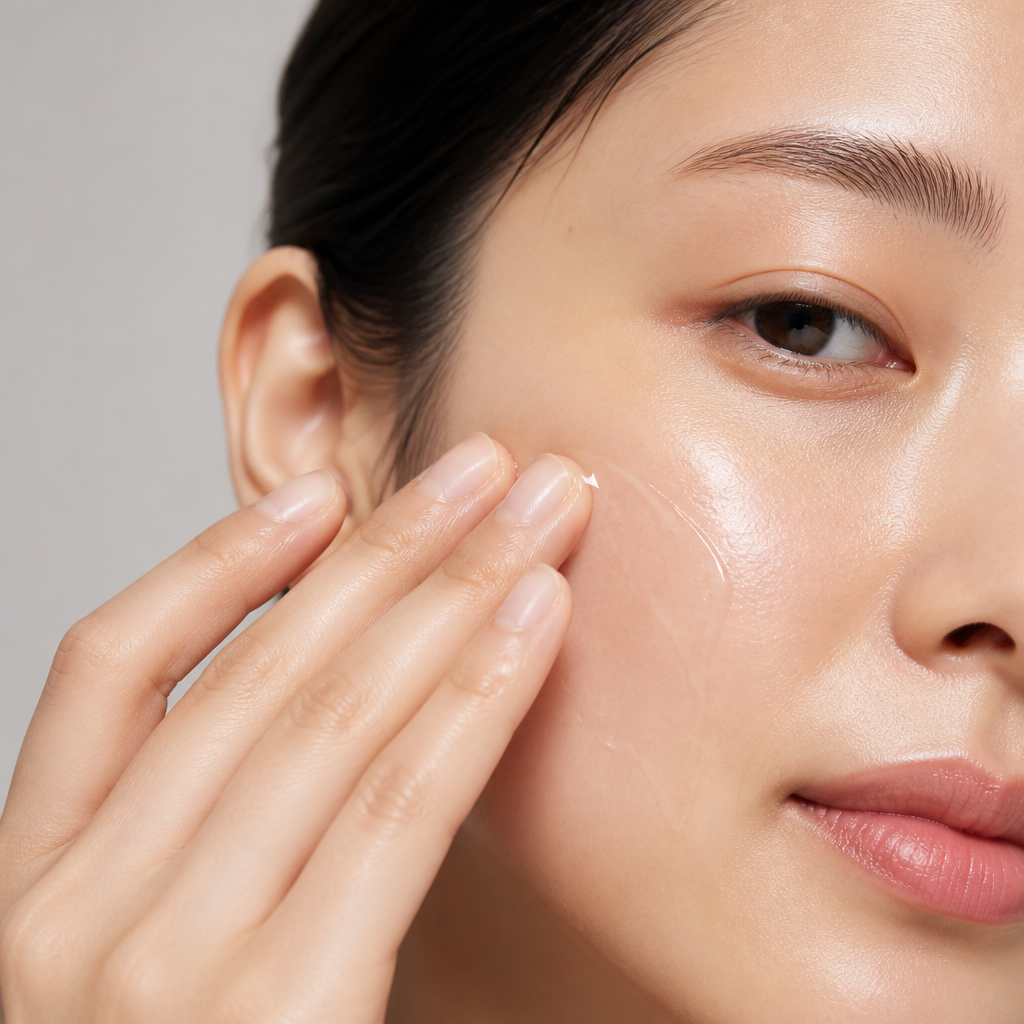
- Start with Dry Skin: The process always starts with applying the cleansing oil to completely dry skin with dry hands. This is the most important step. If your skin is wet, water creates a barrier that stops the oil from effectively dissolving oil-based impurities.
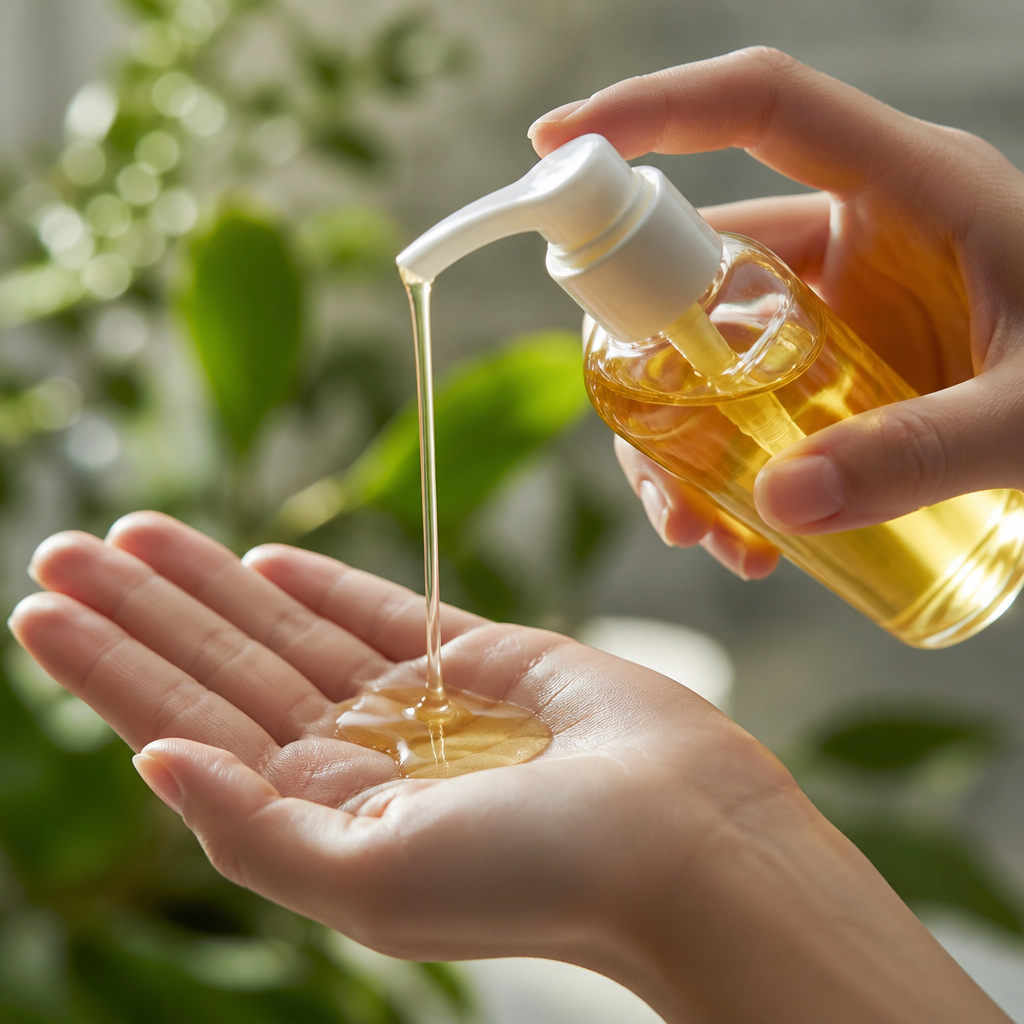
- Massage Thoroughly: Gently massage 2-3 pumps of oil into your skin in circular motions for 60-90 seconds. This allows the oil enough time to break down all makeup, sunscreen, and sebum. A 30-second cleanse is often not enough to achieve a deep clean.
- Emulsify with Water: After massaging, add a small amount of lukewarm water to your face. Continue massaging as the oil transforms into a cloudy, milky texture. This emulsification step is essential for ensuring the oil and impurities rinse away cleanly.
- Rinse Completely: Rinse your face thoroughly with lukewarm water. _Using water that is too hot can strip the skin, while cold water may not rinse the emulsified oil away effectively._ Ensure all traces of the milky solution are gone, leaving your skin feeling soft, not greasy.
For those who wear heavy makeup, consider the "double cleansing" method: follow your oil cleanse with a gentle, water-based cleanser for a perfectly clean slate.
"The biggest mistake people make with cleansing oils is not massaging long enough or not emulsifying properly – you need to see that milky transformation before rinsing, otherwise you're just moving oil around your face." – Caroline Hirons, Skincare Expert

Best cleansing oil for daily cleansing
Selecting the right cleansing oil involves considering your skin type and looking for a well-formulated product. For daily use, the best cleansing oils rinse away cleanly without residue and contain non-comedogenic ingredients suitable for your skin type.
Here is a comparison of some highly-rated cleansing oils for daily use:
| Product Name | Best For | Key Ingredients | Approx. Price |
|---|---|---|---|
| DHC Deep Cleansing Oil | All Skin Types | Olive Oil, Vitamin E | $29 / 200ml |
| Kose Softymo Speedy | Oily, Normal | Mineral Oil, Jojoba Oil | $12 / 230ml |
| Farmacy Green Clean Balm | Dry, Sensitive | Papaya Extract, Moringa | $36 / 100ml |
| Biossance Squalane Oil | Acne-Prone, Oily | Squalane, Antioxidants | $34 / 200ml |
| Simple Hydrating Oil | All, Budget-Friendly | Grapeseed Oil, Vitamin A | $8 / 125ml |
When examining ingredient lists, look for beneficial components like vitamin E (antioxidant), ceramides (barrier support), and botanical extracts like green tea or chamomile (anti-inflammatory). For daily use, it is generally best to avoid high concentrations of essential oils, synthetic fragrances, and comedogenic oils like coconut oil, especially if you have sensitive or acne-prone skin.
Cleansing Oil vs Other Cleansing Methods: What to Know
The landscape of facial cleansers is diverse. Understanding the fundamental differences between cleansing oils and traditional water-based face washes can help you make an informed choice for your daily routine.
Cleansing oil vs regular face wash
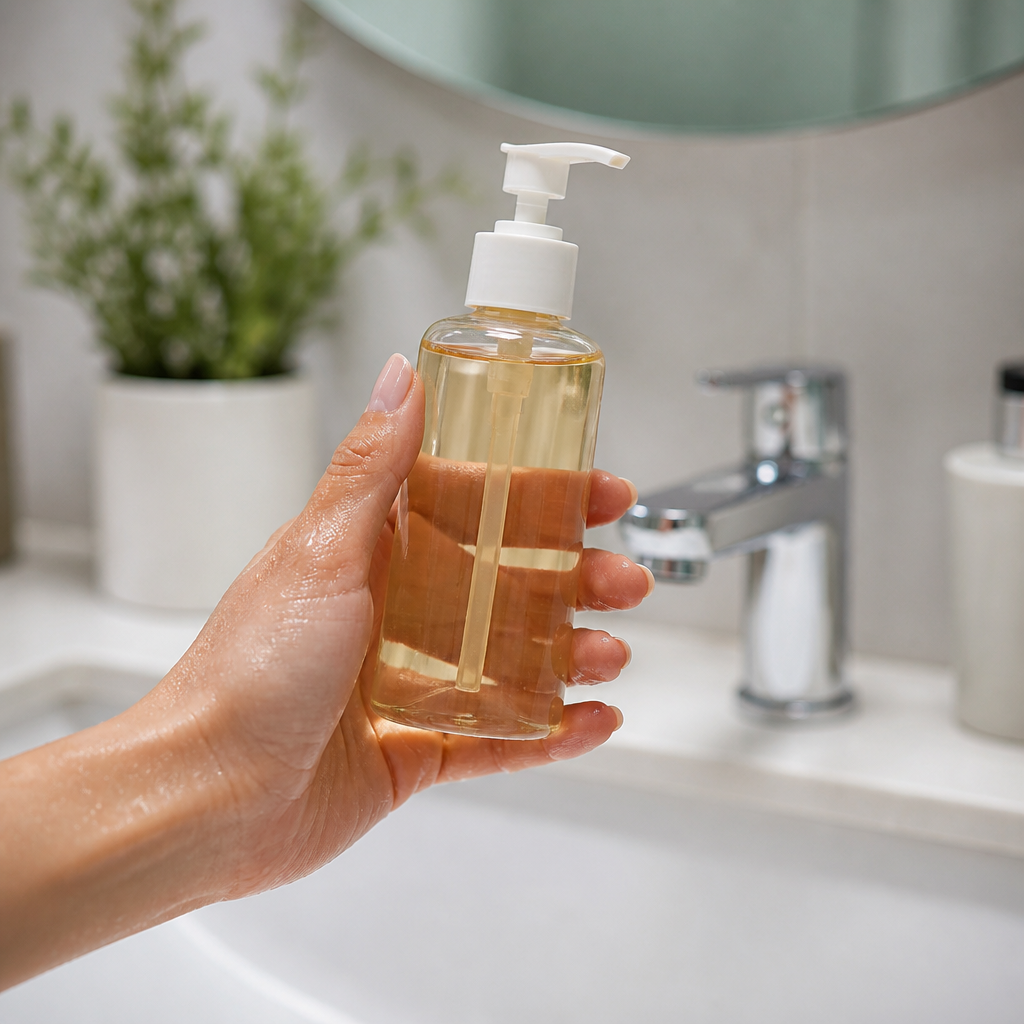
The primary difference lies in their composition. Cleansing oils are oil-based and work by dissolving other oils. Regular face washes (gels, foams, creams) are water-based and use detergents called 'surfactants' to lift dirt and oil.
Cleansing oils are demonstrably more effective at removing oil-based makeup and sunscreen than most water-based face washes. Studies show they can remove 94-98% of waterproof makeup, while regular washes typically remove only 65-80%. This often means less rubbing and irritation.
Another key difference is their effect on the skin's pH. Cleansing oils are usually formulated to be close to the skin's natural pH (around 5.5), helping to maintain its protective acid mantle. Many foaming face washes have a higher, more alkaline pH, which can disrupt the skin barrier and lead to moisture loss. While both cleanse, oil cleansers tend to be gentler on the skin's protective layer.
"Cleansing oils are superior for removing modern makeup and sunscreen formulations because they're designed to break down oil-based products, whereas traditional face washes were developed before today's long-wear cosmetics existed." – Dr. Ranella Hirsch, Board-Certified Dermatologist
However, personal preference matters. Some people with very oily skin may prefer the "squeaky clean" feeling of a gentle foaming cleanser. Both methods can be effective when chosen appropriately for your skin type.
Side effects of using cleansing oil too often
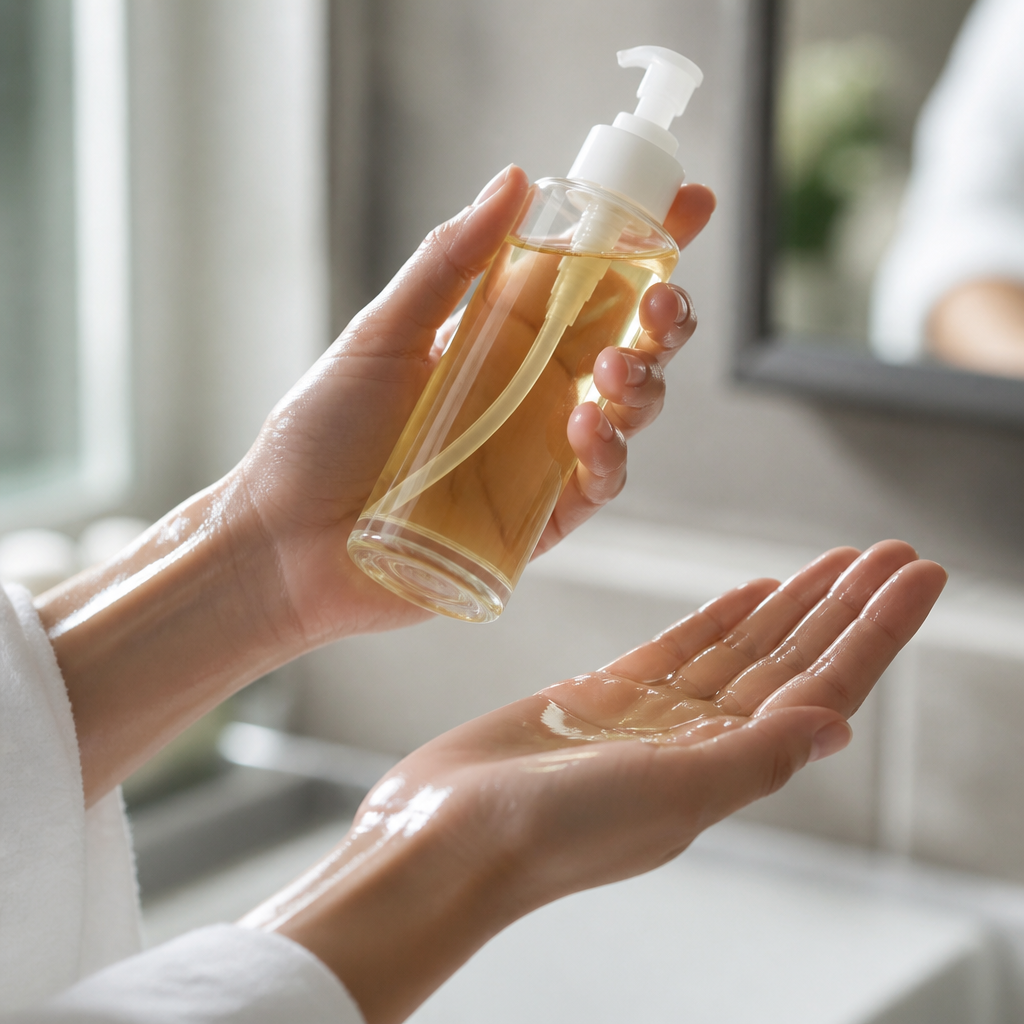
While generally gentle, excessive or improper use of cleansing oil can lead to potential side effects.
The main concern is over-cleansing. Even with a gentle product, using cleansing oil more than twice a day can disrupt the skin's natural lipid barrier. This can strip the skin of essential oils, leading to dryness, irritation, and even a compensatory overproduction of oil.
Improper rinsing can also lead to clogged pores and breakouts. _A hurried or incomplete rinse can leave a film that may contribute to congestion, especially for those prone to acne._ This risk is higher if the product contains comedogenic ingredients.
Using cleansing oils with high concentrations of fragrances or essential oils too frequently can lead to skin sensitization over time, causing redness or itching. Furthermore, overuse of certain oils can potentially trigger or worsen fungal acne (Malassezia folliculitis) in predisposed individuals. For most people, cleansing once daily in the evening is sufficient.
—
Incorporating cleansing oil into your daily skincare routine can be a transformative step. Its ability to dissolve impurities without stripping the skin's moisture barrier makes it a gentle yet powerful method. By selecting a product tailored to your skin's needs and adhering to proper usage guidelines—massaging onto dry skin, emulsifying, and rinsing thoroughly—you can effectively integrate this cleansing method into your routine for a clearer, more comfortable, and radiant complexion.

FAQ
Q1: Is it truly safe to use cleansing oil every day, even for oily skin?
A1: Yes, for most individuals, it is generally safe to use cleansing oil every day. For oily skin, daily oil cleansing can actually help regulate sebum production by preventing the skin from overcompensating with more oil when stripped by harsh cleansers. The key is to choose a non-comedogenic formulation and to ensure proper emulsification and rinsing to avoid residue.
Q2: How does cleansing oil remove waterproof makeup more effectively than a regular face wash?
A2: Cleansing oil works on the principle of "like dissolves like," meaning its oil molecules bind directly with oil-based substances like waterproof makeup and sunscreen. Regular face washes, being water-based and relying on surfactants, often struggle to break down these oil-resistant formulations, requiring more rubbing or multiple washes.
Q3: What is the most common mistake people make when using cleansing oil, and how can it be avoided?
A3: The most common mistake is applying cleansing oil to wet skin or not emulsifying it properly. Cleansing oil should always be applied to completely dry skin with dry hands. After massaging, adding a small amount of water to emulsify the oil into a milky texture is crucial for it to rinse away cleanly.
Q4: Can cleansing oil cause breakouts or clog pores?
A4: While most cleansing oils are non-comedogenic, improper use can potentially lead to breakouts. This can happen if the product contains comedogenic ingredients unsuitable for your skin type, or if the oil is not thoroughly emulsified and rinsed away, leaving a residue.
Q5: What are the main differences in skin barrier effects between cleansing oil and regular face wash?
A5: Cleansing oils are designed to maintain the skin's natural lipid barrier and pH. This helps maintain optimal hydration. In contrast, many regular face washes, especially foaming types with a higher pH, can disrupt the skin barrier, potentially increasing water loss and leading to dryness or irritation.

Hello! I’m Chloe Evans, a beauty enthusiast passionate about all things K-Beauty. Welcome to my blog, where I share honest reviews, essential skincare tips, and the latest Korean beauty trends. My goal is to help you build a simple yet effective routine for radiant, healthy skin. Join me on this journey to unlock your natural glow!