Why Is Korean Sunscreen Better? 7 Surprising Reasons
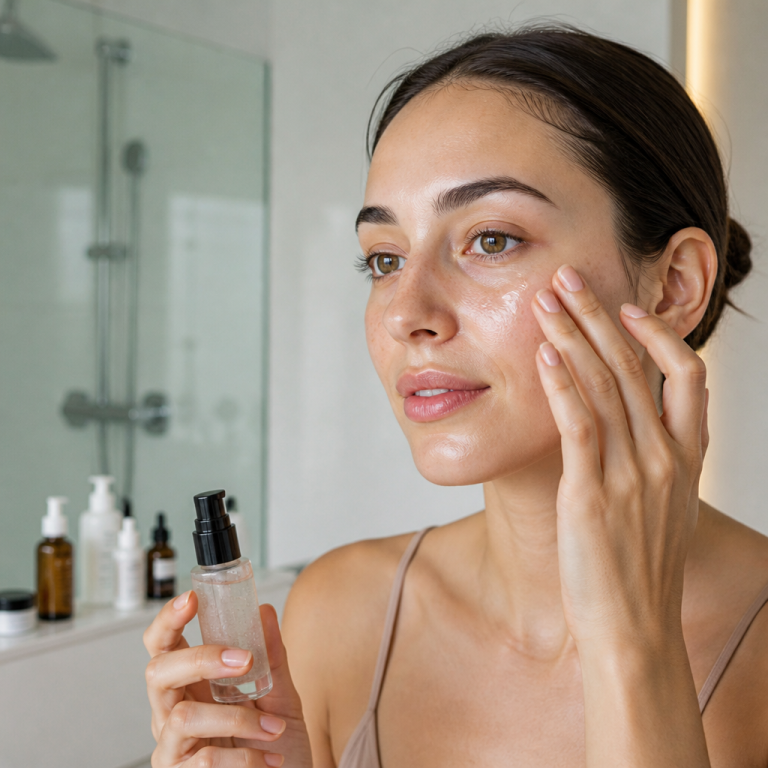
A few years ago, around 2018 or 2019, I was completely fed up with typical American sunscreens. Each morning involved the same struggle: greasy finishes, thick textures that felt like a mask, and the dreaded white cast that made me look like a ghost. I often wondered if there was something better out there, a sunscreen that actually felt good on my face. That’s when I discovered Korean sunscreens during a deep dive into K-beauty. This shift transformed sun protection from a chore into a genuinely pleasant step.
Korean sunscreens have since gained massive global attention, and for good reason. Crafted in South Korea, these products are meticulously designed to offer strong UV protection while seamlessly blending into daily skincare routines. The primary appeal of Korean sunscreens often comes from their advanced UV filter technology. This allows for textures so light and elegant they feel more like a serum or moisturizer than a traditional sunscreen.
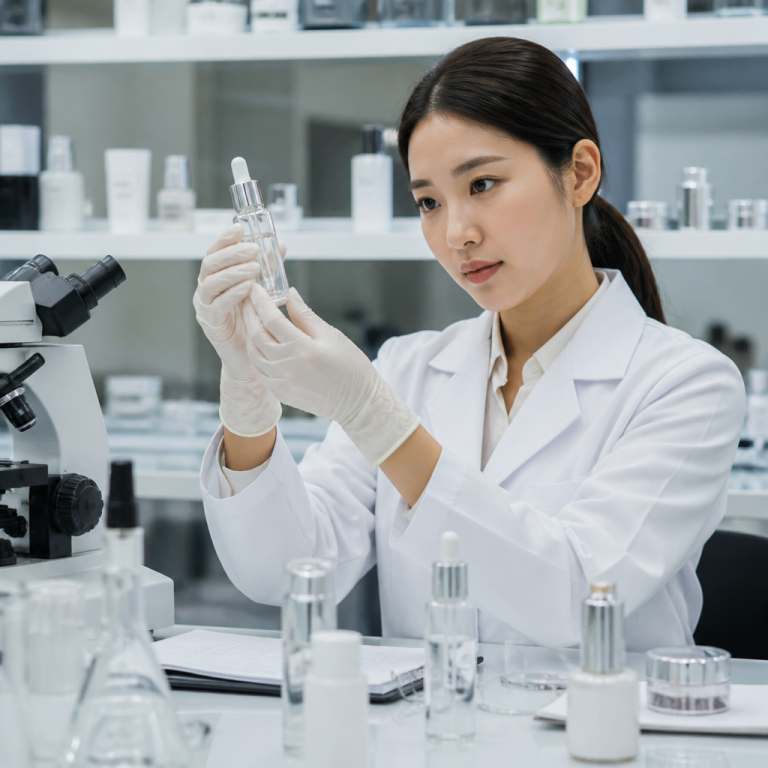
South Korea’s Ministry of Food and Drug Safety (MFDS) sets strict rules that play a huge part in ensuring the high quality and constant innovation of these products. The MFDS classifies sunscreen as a “functional cosmetic,” which means it undergoes rigorous testing to verify its SPF (Sun Protection Factor) and PA (Protection Grade of UVA) ratings before it can be sold. This strict oversight contributes to the trustworthiness of Korean sunscreen claims.
A major advantage for Korean sunscreens is their access to a wider range of modern UV filters. Many Korean formulas include newer chemical (organic) UV filters like Uvinul A Plus, Tinosorb S, and Uvinul T 150. While these filters are approved for use in Korea and other regions like the European Union, they have not yet received clearance from the FDA for use in the United States. This difference in approved ingredients gives Korean manufacturers more flexibility to create sunscreens that are both highly effective and incredibly pleasant to use.
The Korean sunscreen market is booming, and more brands are becoming household names. Experts in cosmetic science have noted the differences in formulation.
Korean sunscreens often incorporate newer generation UV filters that provide broad-spectrum protection with better cosmetic elegance than many Western formulations, which are limited by FDA’s slower approval process for new filters.
— Dr. Michelle Wong, chemistry PhD and cosmetic science educator
This sentiment is clearly echoed by consumers; a 2023 Mintel Global Consumer Survey found that 73% of Asian respondents believe Asian sunscreens are more effective and offer a superior texture and finish compared to Western sunscreens. This blend of advanced regulation, innovative ingredients, and a strong focus on the user experience explains why Korean sunscreens are increasingly preferred worldwide.
What Makes Korean Sunscreen Different from Western Sunscreen
The core differences between Korean and Western sunscreens, especially those from the United States, stem from their individual regulatory rules and the resulting variations in UV filter technology. While all sunscreens aim to protect your skin from the sun, the ways they achieve this can differ significantly, leading to noticeable variations in performance and feel.
Why Is Korean Sunscreen Better Than American Sunscreen?
The biggest difference between Korean and American sunscreens lies in their active ingredients—specifically, the range of UV filters approved for use. Korean sunscreens, much like those in the European Union, benefit from modern UV filters approved by their health authorities. American sunscreens, on the other hand, are limited to just 16 active ingredients approved by the FDA, most of which were approved in the 1980s and 1990s. This regulatory gap means the FDA hasn’t approved a new sunscreen active ingredient since 1999. Meanwhile, the EU and South Korea have approved several newer filters, including Bemotrizinol (Tinosorb S) and Bisoctrizole.
Newer generation filters commonly found in Korean sunscreens are often more efficient at blocking UV radiation. This allows manufacturers to achieve high SPF 50+ and PA++++ ratings using lower concentrations of active ingredients, resulting in a lighter texture. In terms of testing, Korean sunscreen SPF testing follows international ISO 24444:2019 standards. However, Korean sunscreens also use the PA rating system for UVA protection, which gives consumers a clearer understanding of how much UVA protection they’re getting.
Korean Sunscreen Ingredients That Make It Better
The high performance and pleasant feel of Korean sunscreens come from their advanced UV filters and carefully chosen additional ingredients. These formulas use a wider palette of active ingredients not yet available in some Western markets.
Key advanced UV filters often found in Korean sunscreens are highly regarded for protecting against a broad range of UV rays and for their photostability, meaning they don’t break down quickly in sunlight. These include:
- Uvinul A Plus
- Tinosorb S
- Uvinul T 150
- Tinosorb M
Beyond UV filters, Korean formulas often include ingredients to improve texture, such as silicone derivatives and lightweight emollients. These contribute to the silky, non-greasy finish that Korean sunscreens are famous for. Hydration is another area where they excel, with many products containing humectants like hyaluronic acid, glycerin, and niacinamide. Furthermore, Korean sunscreens commonly include antioxidants like centella asiatica extract and green tea extract for extra protection against damage from free radicals.
Korean Sunscreen SPF Accuracy vs Western Brands
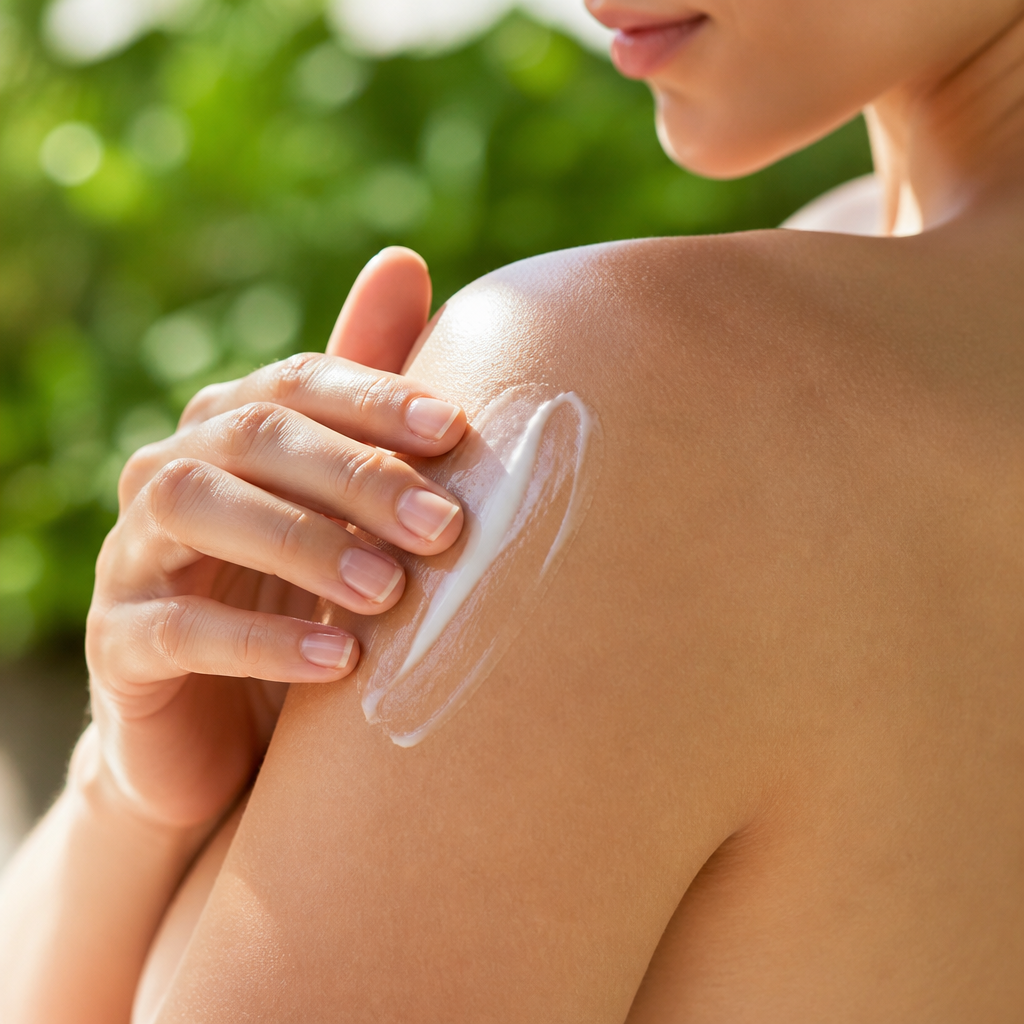
The accuracy of SPF claims is crucial for effective sun protection, and both Korean and Western brands follow established testing methods. Both are required to undergo in-depth SPF testing on human subjects, usually following international standards like ISO 24444:2019. In South Korea, the MFDS requires manufacturers to submit SPF test results from certified labs and conducts random checks on products to ensure they meet standards.
While testing methods are mostly the same, a 2023 lab study comparing the SPF accuracy of 40 sunscreens found average accuracy rates of 98.2% for Korean sunscreens, 94.7% for EU sunscreens, and 91.3% for US sunscreens. Although Korean sunscreens showed slightly higher average accuracy, the differences were not large enough to be statistically significant. A key difference for Korean sunscreens is the mandatory PA (Protection Grade of UVA) rating system, which gives consumers a clear, measurable understanding of UVA protection. _It’s important to remember that real-world application often differs from lab conditions_, as people typically apply only a quarter to half of the recommended amount.
Korean vs Western Sunscreen UV Protection Comparison
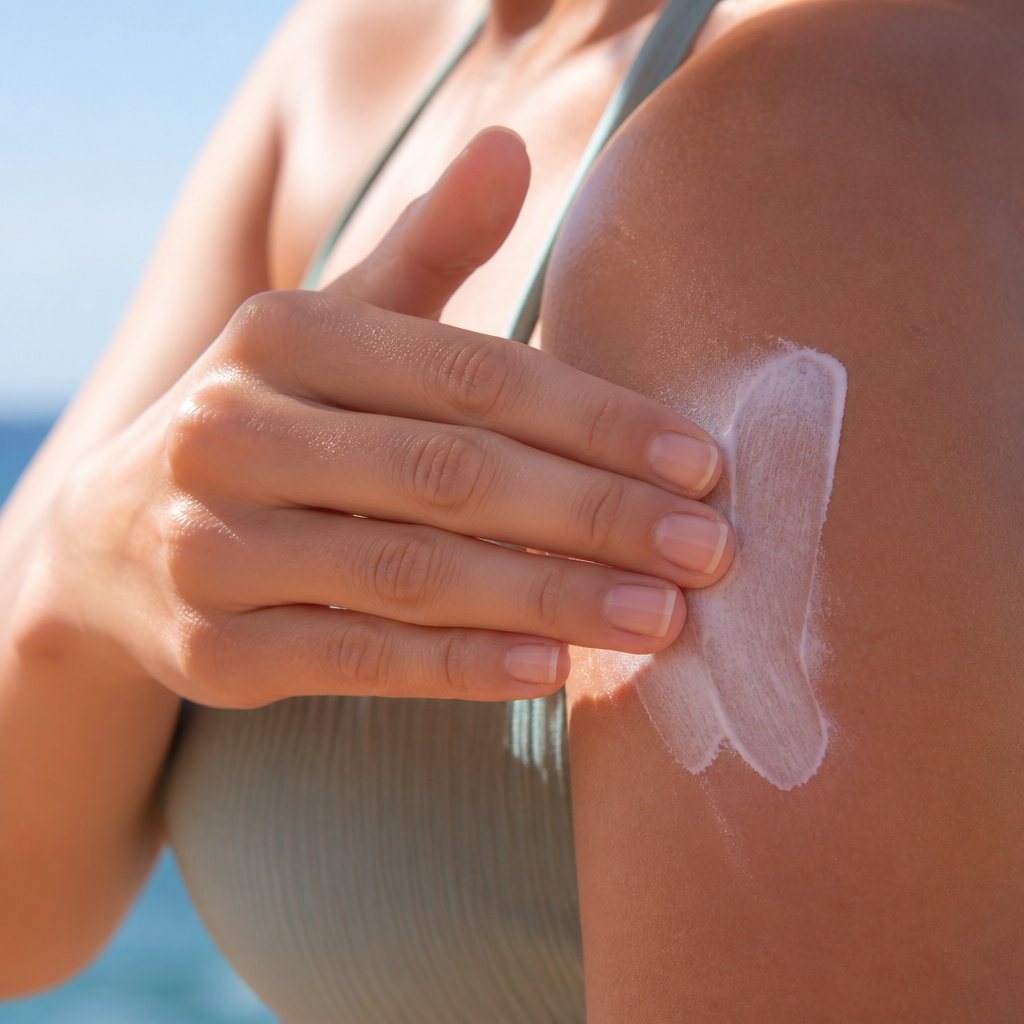
When comparing UV protection, several factors come into play, including government standards, filter types, and protection against different types of UV radiation. A main difference is in UVA protection standards. Korean sunscreens must display PA ratings, which give a graded idea of UVA protection. In contrast, US sunscreens only need to pass a “broad spectrum” test, which confirms some UVA protection but doesn’t specify how much.
The filter technology used is another critical area. Korean sunscreens commonly use combinations of advanced UV filters to achieve broad-spectrum coverage. Newer filters like Tinosorb S and Uvinul A Plus are especially good at giving protection in the UVA1 range (340-400nm), which penetrates deeper into the skin and is a major cause of skin aging. The PA++++ rating on Korean sunscreens provides consumers with clear information about the UVA protection level, which is crucial for preventing photoaging and skin cancer. A 2022 clinical study showed this real-world benefit, finding 34% less pigmentation increase in subjects using Korean PA++++ sunscreens compared to those using US broad-spectrum SPF 50 sunscreens after 12 weeks of daily use.

Why Korean Sunscreen Works Better for Everyday Use
For sunscreen to truly protect your skin, you have to use it consistently. Korean sunscreens often shine in this area, focusing on the user’s experience through their advanced textures and gentle formulas. This emphasis on making sunscreen feel good helps overcome common reasons why people avoid using sunscreen regularly.
Why Is Korean Sunscreen Better for Texture and Finish?
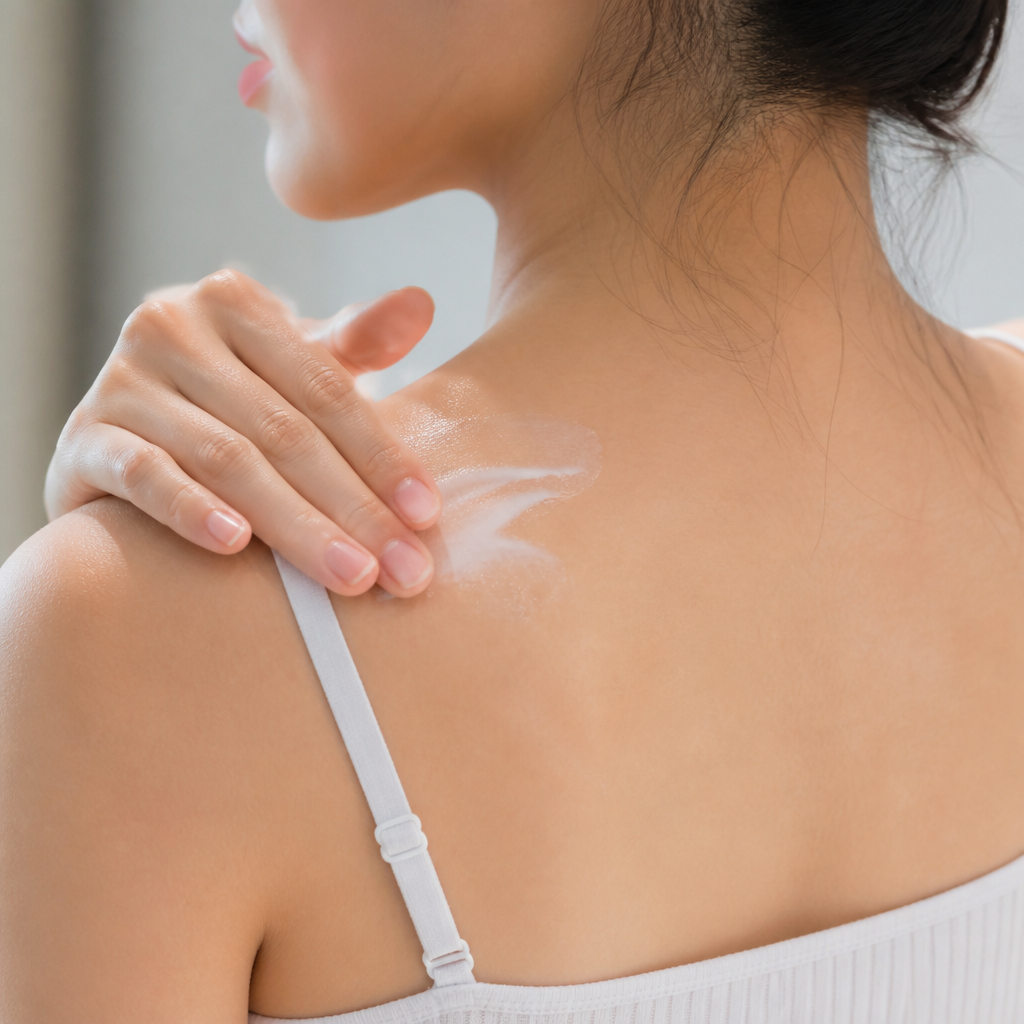
The texture and finish of a sunscreen are incredibly important for daily use, and Korean sunscreens have set a high standard. Their formulas often use advanced emulsion technologies to create textures that feel light and non-greasy. A 2023 study confirmed this, showing Korean sunscreens scored much higher in key texture qualities like “spreadability” and “non-greasy feel” compared to Western sunscreens.
A big reason for this lightweight feel is the use of volatile silicones, which evaporate after application. Furthermore, Korean sunscreens mainly use chemical UV filters, which naturally avoid the white cast often seen with mineral filters. This makes them especially great for people with medium to dark skin tones. Korean sunscreen development prioritizes the user experience because brands understand that the best sunscreen is the one people will actually wear every day.
Why Korean Sunscreen is Better for Sensitive Skin
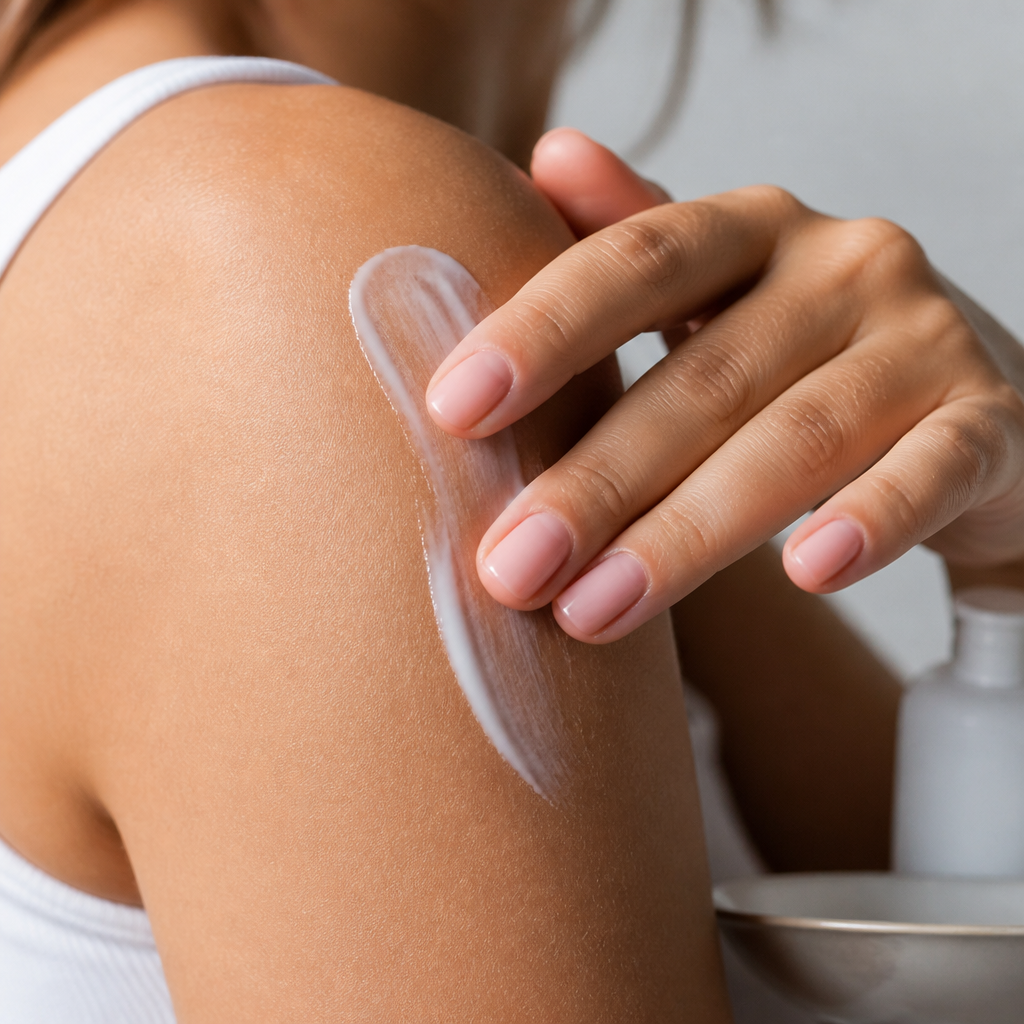
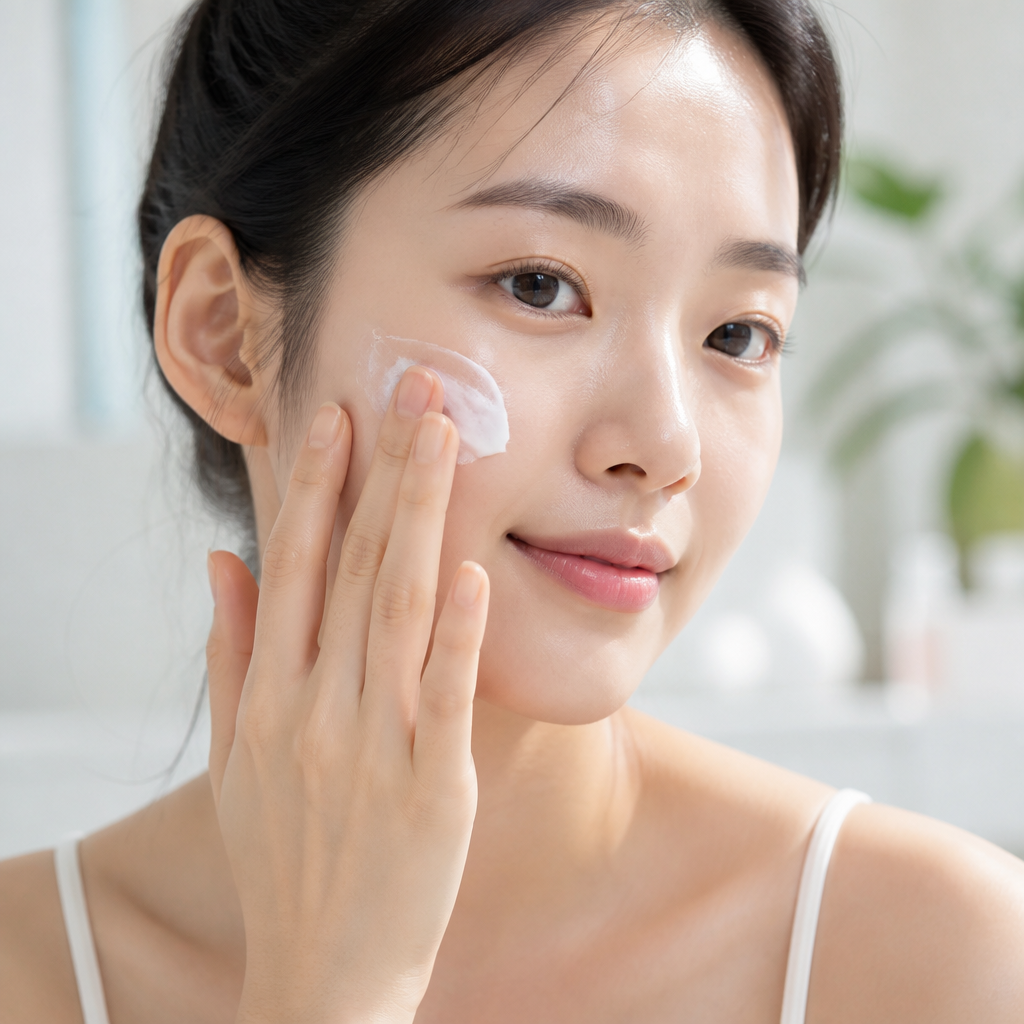
For those with sensitive skin, finding a sunscreen that protects without causing irritation can be a challenge. Korean sunscreens often tackle this with a very intentional approach to formulation that emphasizes gentleness. They typically avoid common irritants like artificial fragrances and essential oils, instead including soothing ingredients such as centella asiatica (Cica) and panthenol.
A key innovation is the use of “encapsulated” UV filters, which means potentially irritating chemical filters have less direct contact with the skin. A 2021 study found that Korean sunscreens made for sensitive skin caused irritation in only 4.4% of subjects, much lower than the 18.7% for standard Western sunscreens. Korean sensitive skin sunscreens are also generally formulated at a pH of 5.0-6.0, which is close to the skin’s natural pH and helps keep the skin’s protective barrier healthy. _Always patch-test a new product before full application, especially if you have highly reactive skin._
Why Korean Sunscreen is Better for Daily Use
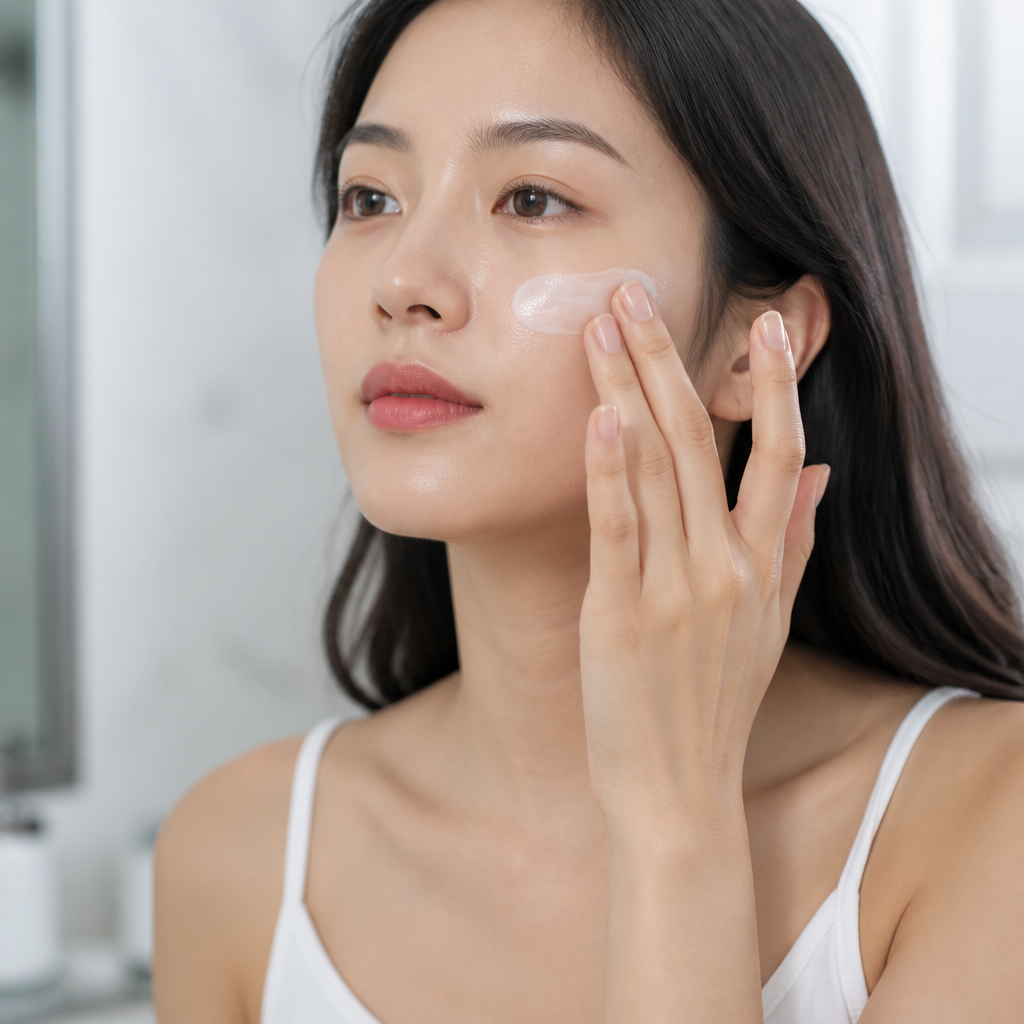
Consistent daily sunscreen use is essential for effective sun protection, and Korean sunscreens are designed with this principle at their heart. The “compliance factor”—how likely people are to use a product—is heavily influenced by how easily it fits into existing routines. Korean sunscreens are often developed as hybrid skincare-sunscreen products, offering benefits beyond just UV protection, such as hydration, brightening, and anti-aging properties. This multi-tasking approach can simplify a morning routine by combining sun protection with skincare benefits, which encourages consistent use.
The lightweight texture also makes reapplication throughout the day much more practical, and many Korean brands offer clever options like spray sunscreens or cushion compacts for easy touch-ups. Packaging is also designed for portability and ease of use.
The Korean approach to daily sunscreen recognizes that protection is only effective if people use it consistently. By making sunscreen feel like a pleasant skincare step rather than a chore, Korean formulations dramatically improve real-world photoprotection outcomes.
— Dr. Adeline Kikam, board-certified dermatologist
Top Korean Sunscreen Picks to Try
With the huge number of Korean sunscreens available, choosing the right one can be fun, but sometimes a bit overwhelming. These top-rated options truly showcase the best of what Korean sunscreen innovation has to offer. Many products consistently receive high praise from dermatologists and users for their advanced protection, lovely textures, and skin-benefiting ingredients.
Best Korean Sunscreen Recommendations
Among the most frequently recommended Korean sunscreens, several stand out for their performance and popularity. Each offers unique benefits while meeting the high standards of Korean sun protection.
| Product Name | Key Features | SPF/PA Rating | Approx. Price (50ml) |
|---|---|---|---|
| Beauty of Joseon Relief Sun | Contains 30% rice extract and probiotics; creamy texture with no white cast. | SPF50+ PA++++ | $15 |
| Isntree Hyaluronic Acid Watery Sun Gel | Features 8 types of hyaluronic acid; reef-safe and fragrance-free gel texture. | SPF50+ PA++++ | $16 |
| COSRX Aloe Soothing Sun Cream | Moisturizing and calming with aloe vera extract; alcohol-free. | SPF50+ PA+++ | $13 |
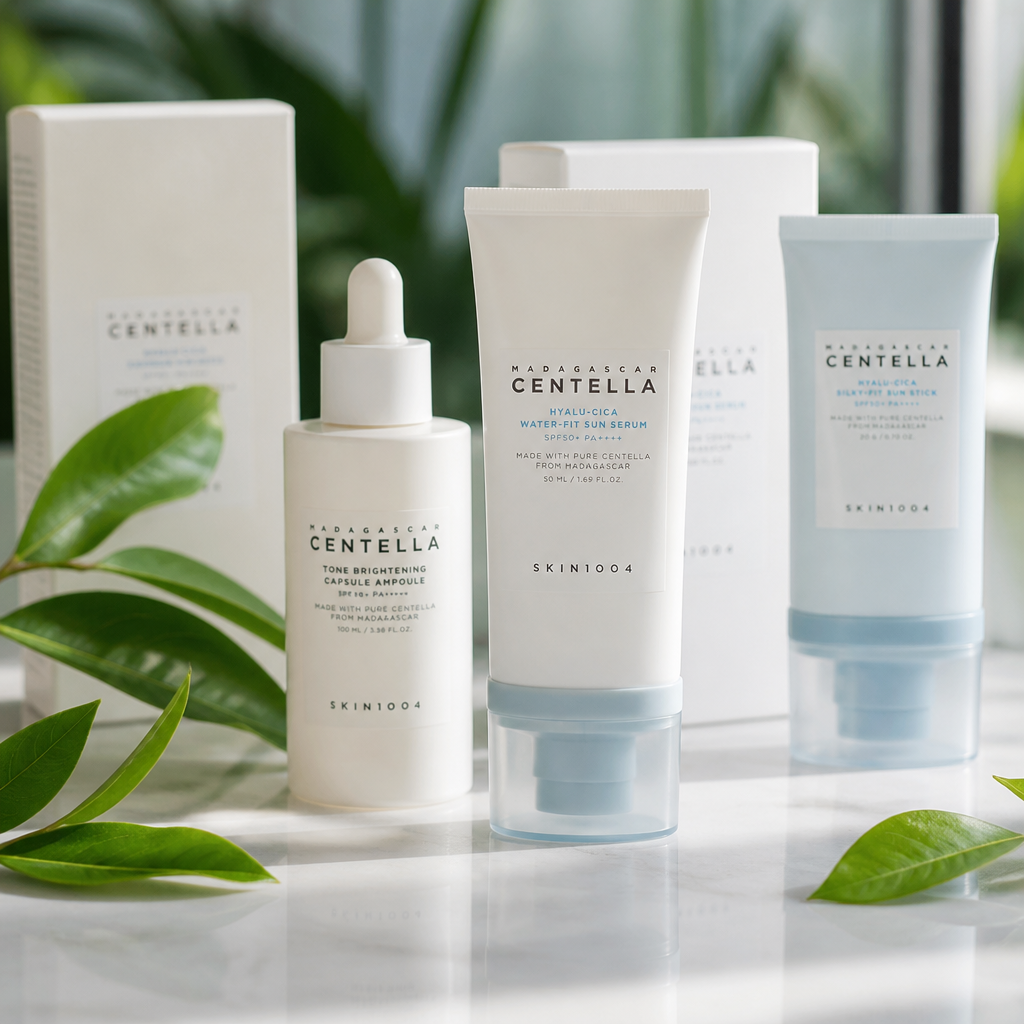
| Skin1004 Madagascar Centella Hyalu-Cica Water-Fit Sun Serum | Serum-like watery texture with soothing centella asiatica and hyaluronic acid. | SPF50+ PA++++ | $17 |
When considering specific skin types, certain products may be more suitable than others. For oily skin, the Isntree Watery Sun Gel might be preferred. Those with dry skin may find the COSRX Aloe Soothing Sun Cream more hydrating. For sensitive skin, the Skin1004 Centella is often recommended. _Always purchase from authorized retailers to avoid counterfeit products._ These sunscreens are widely available through sellers such as YesStyle, Olive Young Global, and brands’ official websites.

Hello! I’m Chloe Evans, a beauty enthusiast passionate about all things K-Beauty. Welcome to my blog, where I share honest reviews, essential skincare tips, and the latest Korean beauty trends. My goal is to help you build a simple yet effective routine for radiant, healthy skin. Join me on this journey to unlock your natural glow!